When considering orthodontic treatment, many people worry about pain.
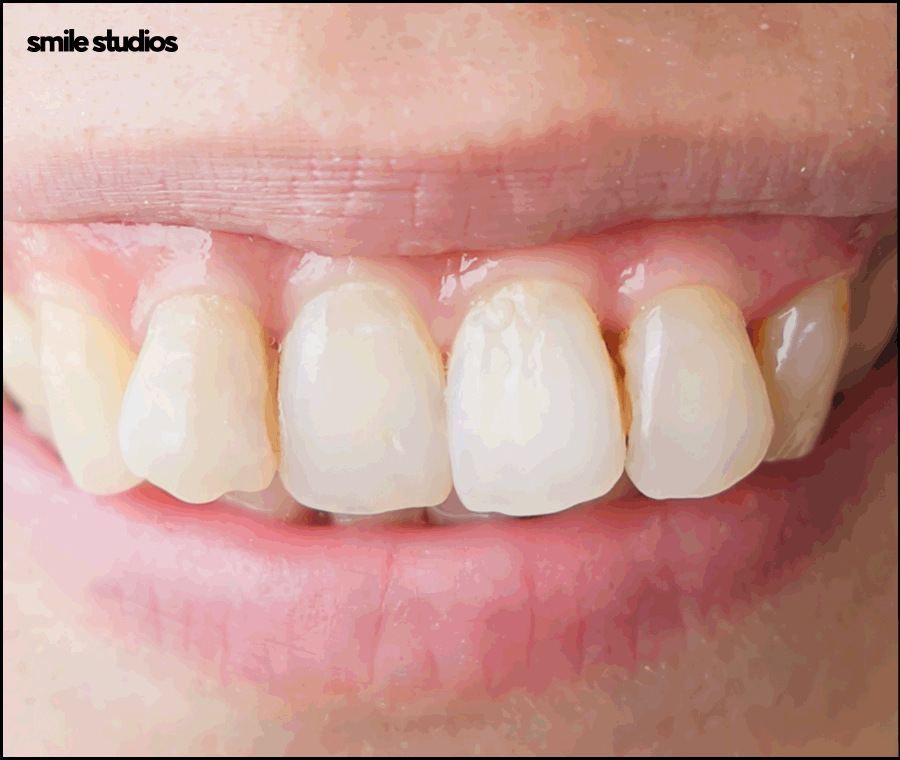
These days, Invisalign, which many people choose, is regarded as causing less discomfort compared with traditional appliances.
In fact, many people who go through the treatment say that it is not as painful as they expected.
So what is the reason Invisalign causes less pain?
We’re going to take a look at the key reason.
Custom-made for each individual
One reason it hurts less than other methods is the custom-made fabrication process.
Traditional bracket orthodontics, which has long been widely used, is a method of fitting teeth to a standardized appliance.
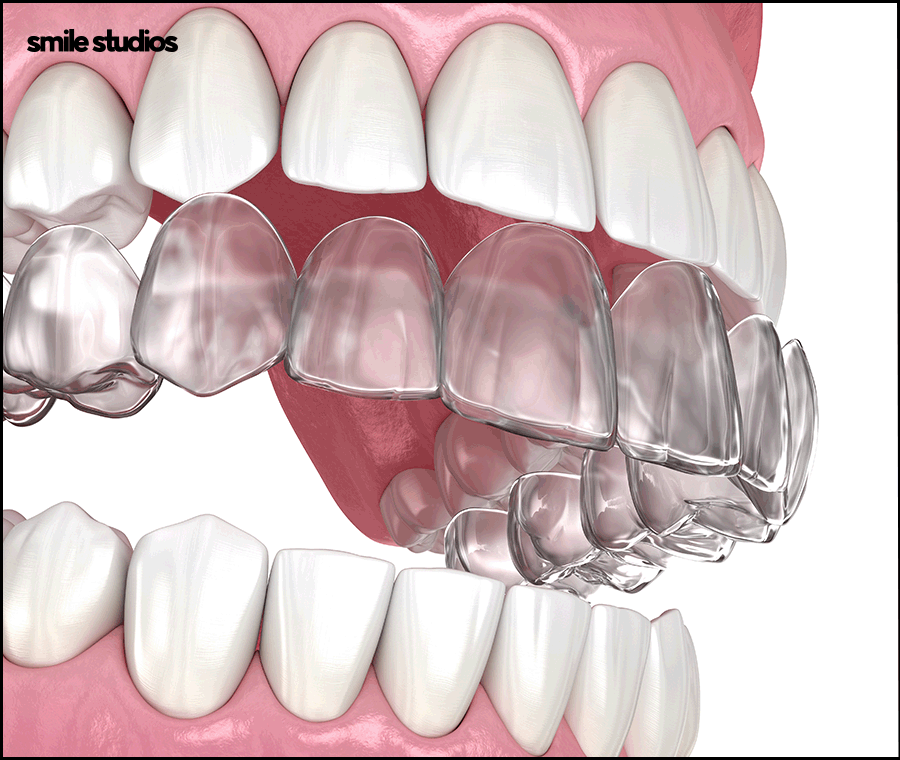
However, this method is custom-made by precisely scanning each person’s tooth shape and gum line.
A 3D digital scan reproduces even the fine curves and shapes of the teeth.
Based on the data obtained this way, the appliance fits snugly and accurately inside the mouth.
This process helps prevent unnecessary pressure from concentrating in one area and allows force to be distributed more evenly overall.
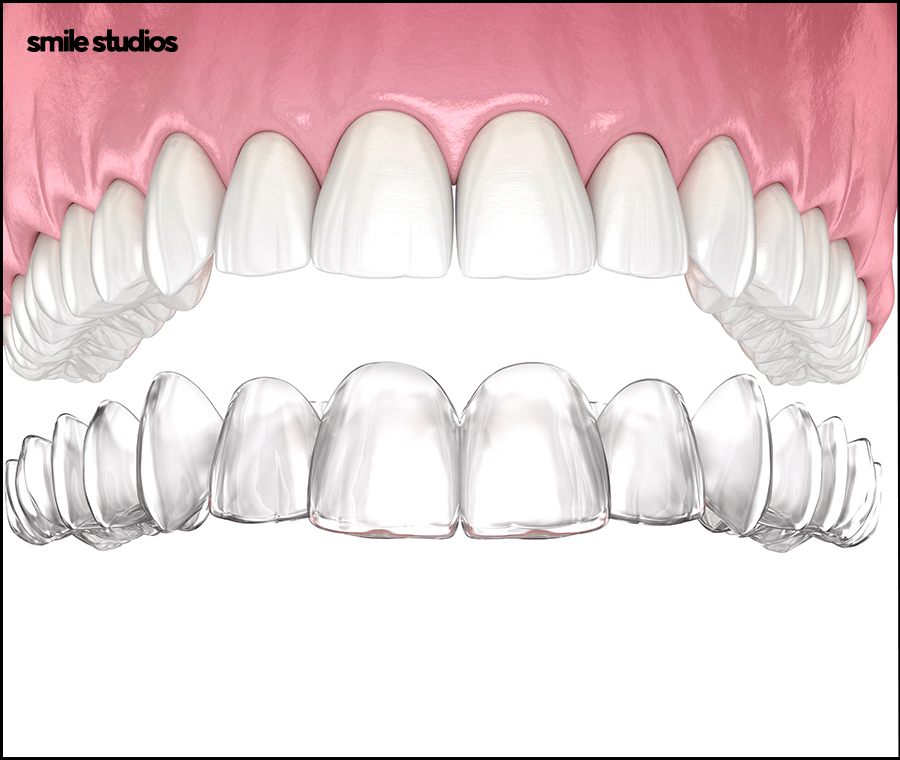
In particular, it is made with delicate consideration even for the boundary between the permanent teeth and the gums.
This reduces the stimulation and pressure applied, helping to lessen the feeling of a foreign object from the moment you first wear it.
Soft material
The SmartTrack material used in this appliance has characteristics different from ordinary plastic.
It is flexible and resilient, delivering the pressure needed for tooth movement while reducing the hard feeling.
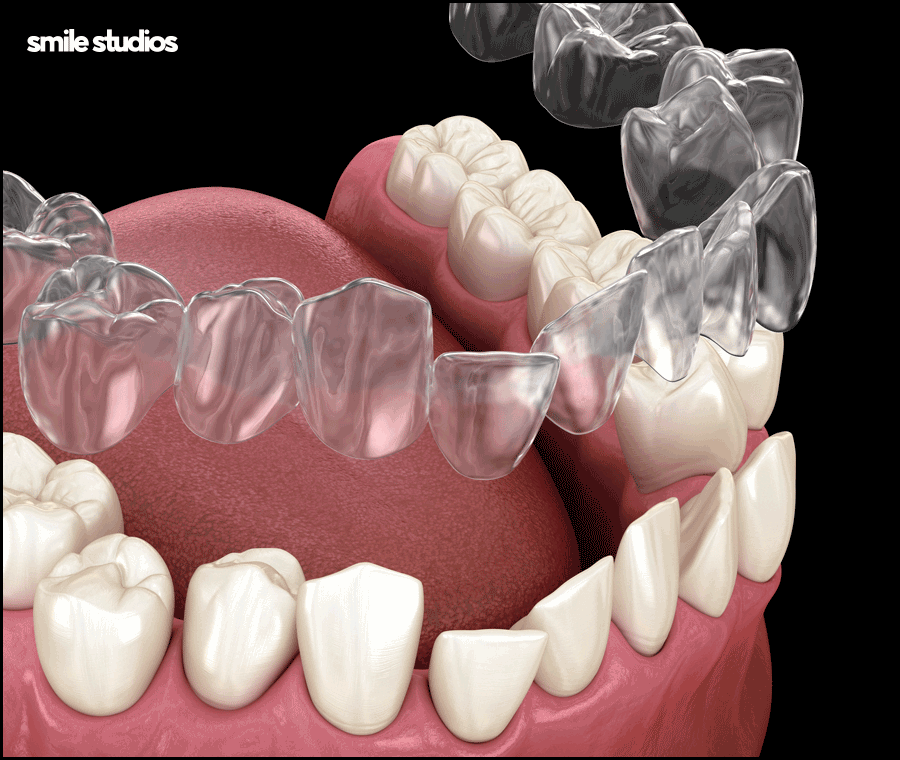
This soft material helps protect the inside of the mouth and lowers the risk of injuring the inside of the cheeks or the tongue.
It also has the characteristic of becoming even softer in response to body temperature.
This is an important advantage, considering that it must be worn for more than 20 to 22 hours a day.
Gradual movement
The way the teeth are moved is also one of the key reasons Invisalign causes less pain.
Traditional appliances are characterized by applying a significant amount of force all at once to move the teeth.
In contrast, Invisalign moves teeth gradually in small steps.
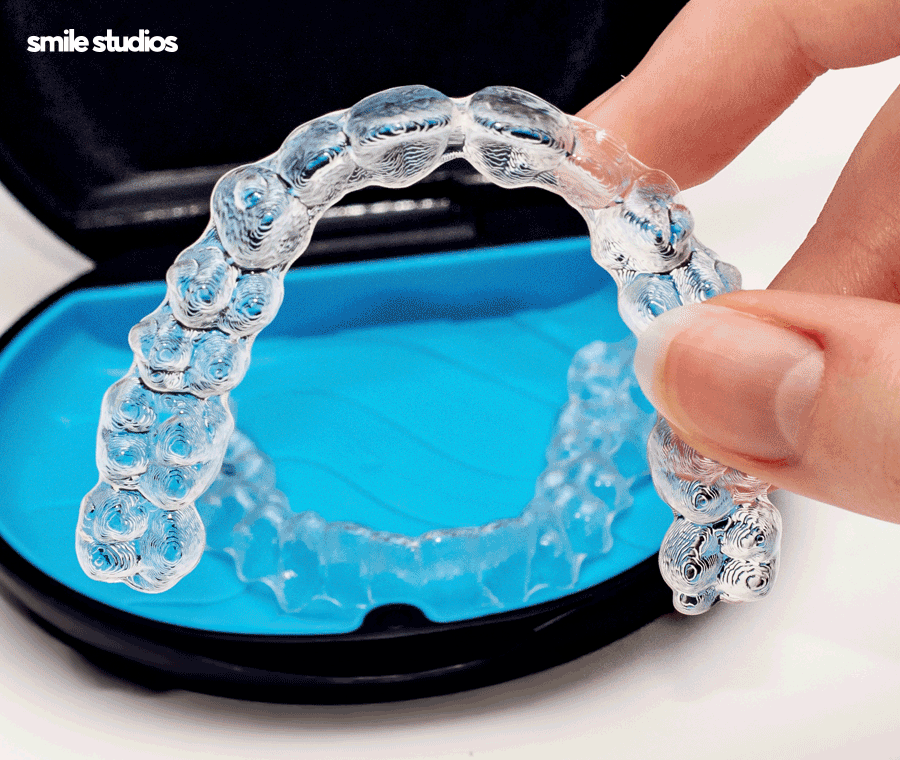
Usually, the appliance is replaced with the next stage every 1 to 2 weeks, and the distance moved at each step is a very small 0.25 mm.
This kind of small-step movement can greatly reduce the stress placed on the surrounding tissues.
In particular, the inflammatory response caused by this movement is also reduced, so it may feel more like pressure than pain.
Advantages of a predictable plan
Before starting, the overall treatment process is visualized through simulation.
Based on this, the amount each permanent tooth will move at each stage is planned, and unnecessary movement is reduced.
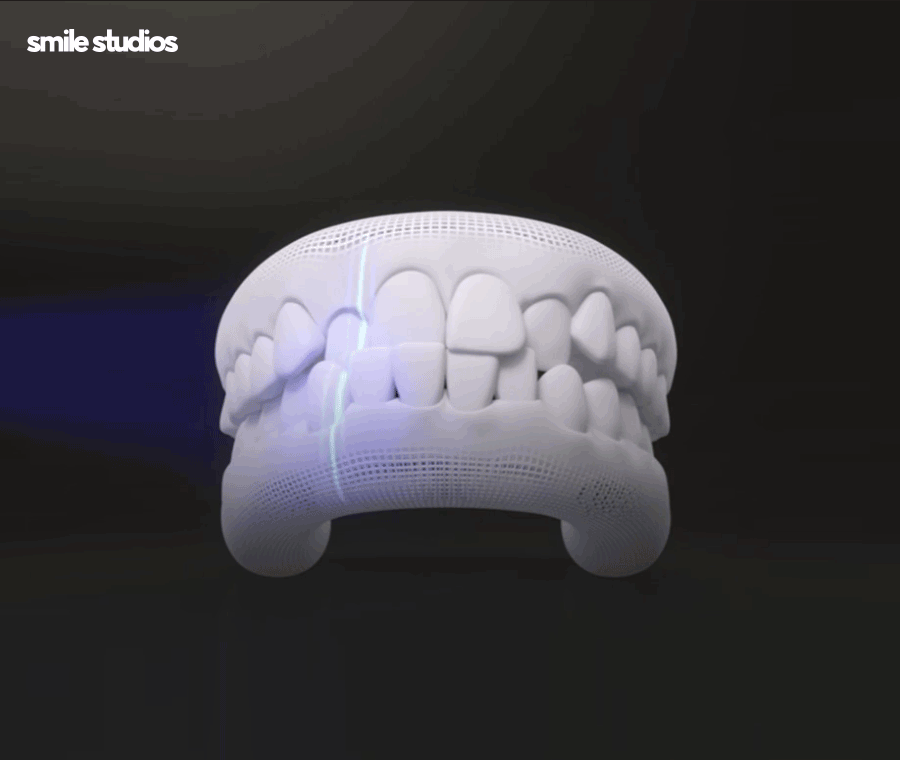
This precise planning makes efficient movement possible.
It can shorten the treatment period and also reduce pain.
In addition, complex movements such as rotation and tilting are broken down and carried out step by step.
This helps prevent pain that can occur when force is applied in multiple directions at once.
Convenience in daily life, hygiene management
The removable feature of the appliance can also help with pain management.
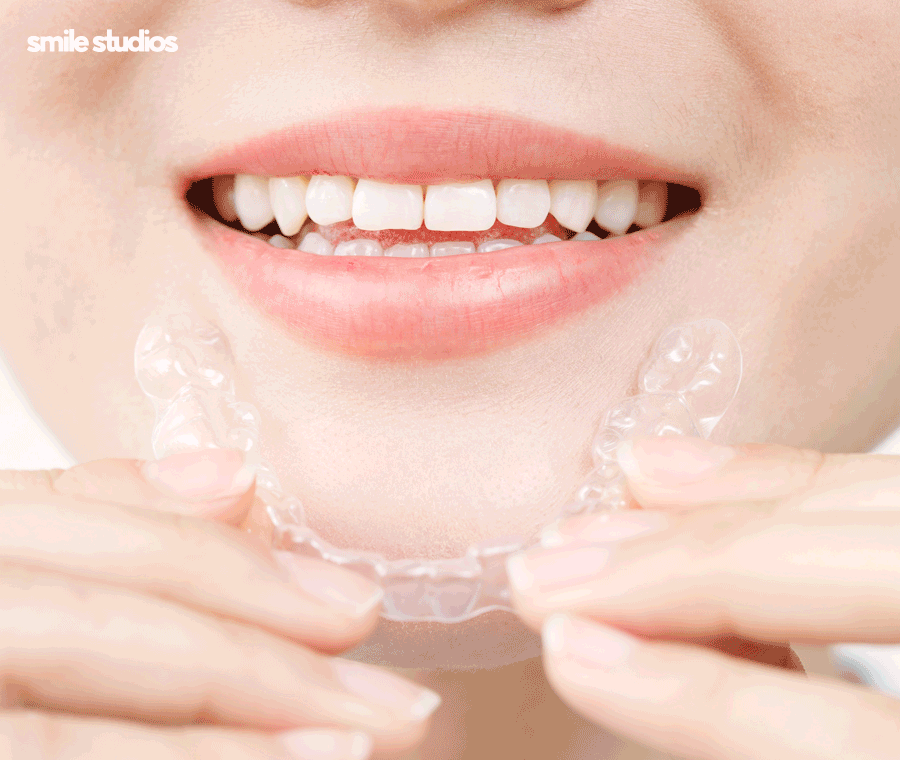
It can be removed freely during meals and brushing, helping resolve discomfort and pressure caused by food getting stuck.
Hygiene management is also easier, which helps prevent secondary problems such as inflammation or cavities.
A customized approach that considers individual differences
The degree of Invisalign pain can vary depending on each person’s dental condition and sensitivity.
Still, it is clear that overall it causes less pain than traditional methods.
For people who are sensitive to pain or do not want treatment to interfere with daily life, it can be a good option.
Even if sudden discomfort occurs, flexible responses such as adjustments or changing the replacement schedule are possible.
It is also possible to adjust the plan according to the speed of tooth movement and adaptability, allowing the treatment to proceed more comfortably.
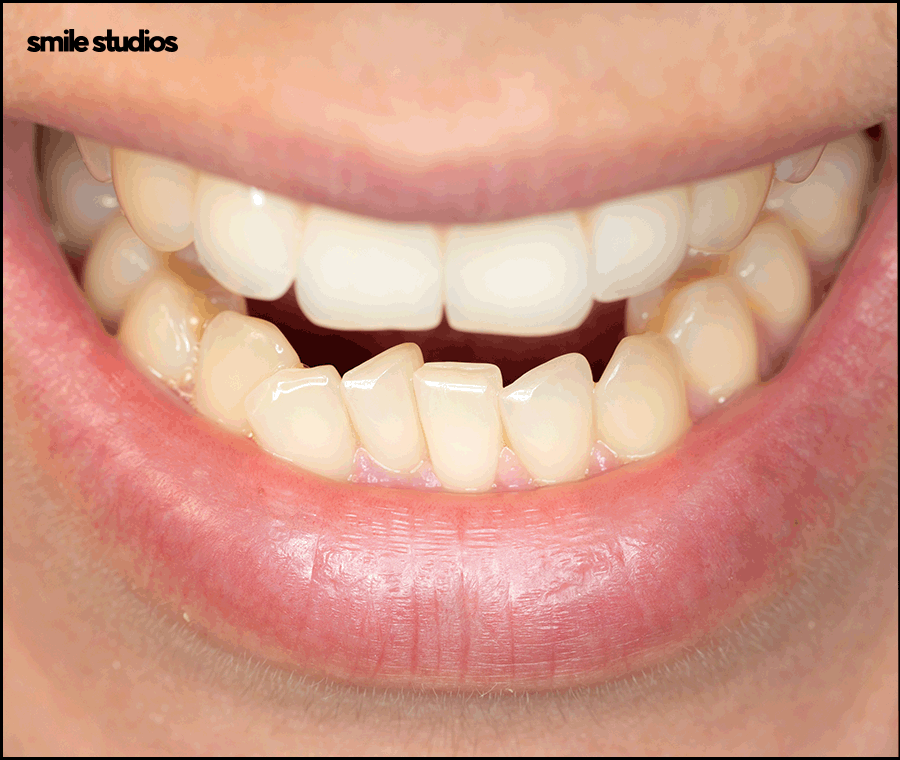
The reason Invisalign causes less pain is the result of combining advanced technology with a personalized approach.
Several factors come together to significantly reduce discomfort.
If you are looking into treatment but hesitating because of pain, please consider these advantages.