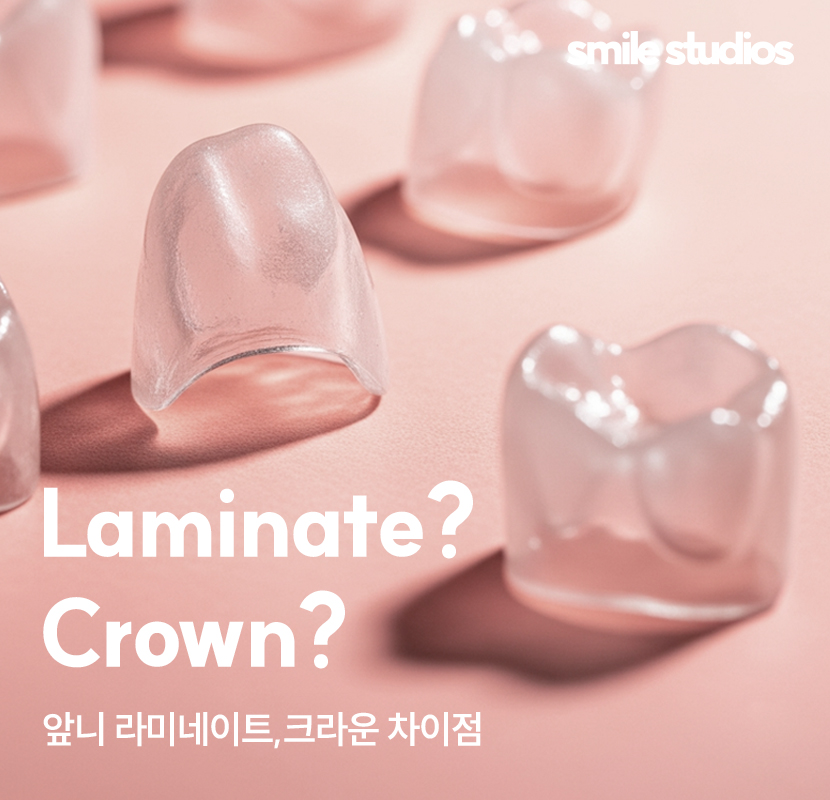
When a problem arises with the front teeth, which are an important factor in determining your smile, we have to make a decision.
You need to choose one of laminate or crown.
Although both treatments may seem similar, there are significant differences, so you need to decide carefully.
So, which of the two methods is more suitable for me?
Today, we will look into the key differences between the two methods that are frequently performed at Doosan-daero Dental Clinic.
The crucial difference in the amount of tooth reduction
The most fundamental difference between front tooth laminate and crown lies in how much of the tooth is filed down.
This difference is not just a matter of numbers; it is a factor directly connected to future health.
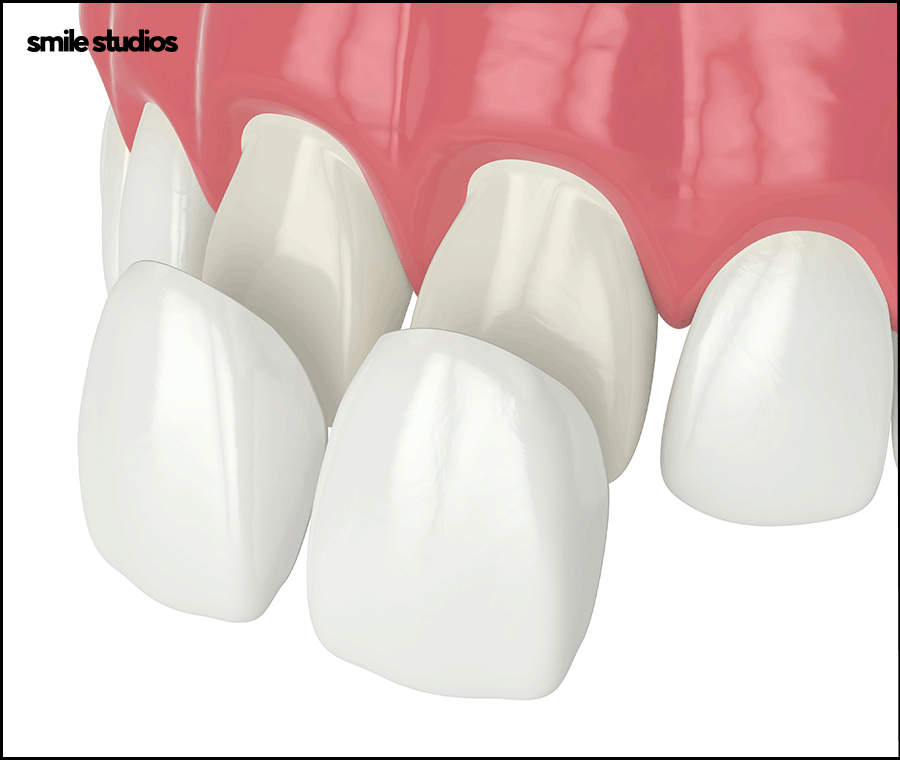
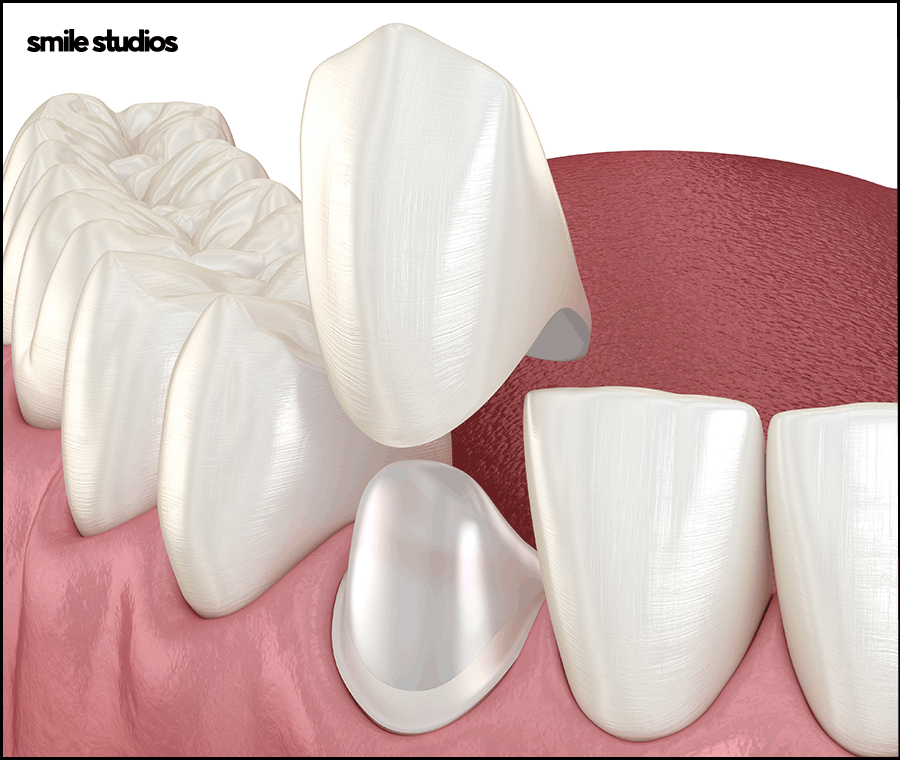
Laminate usually removes only about 0.3 to 0.7 mm of the surface.
It is a method of attaching a thin ceramic shell to the surface of a permanent tooth with a problem, like applying a nail tip to a fingernail.
As a result, there is enough distance from the inner nerve, so the risk of nerve damage is low.
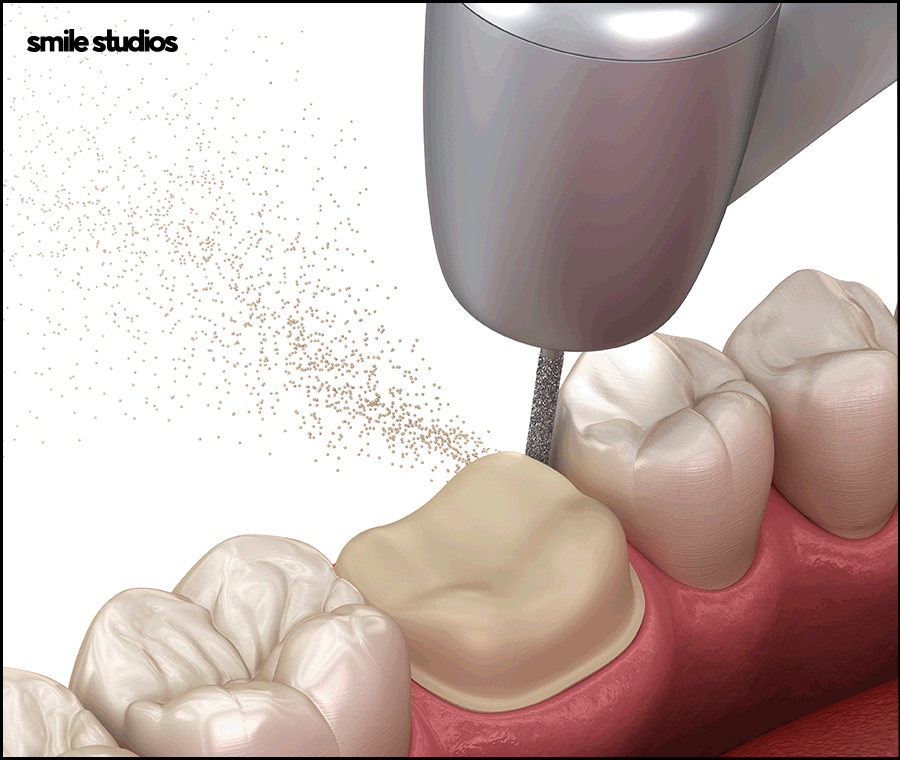
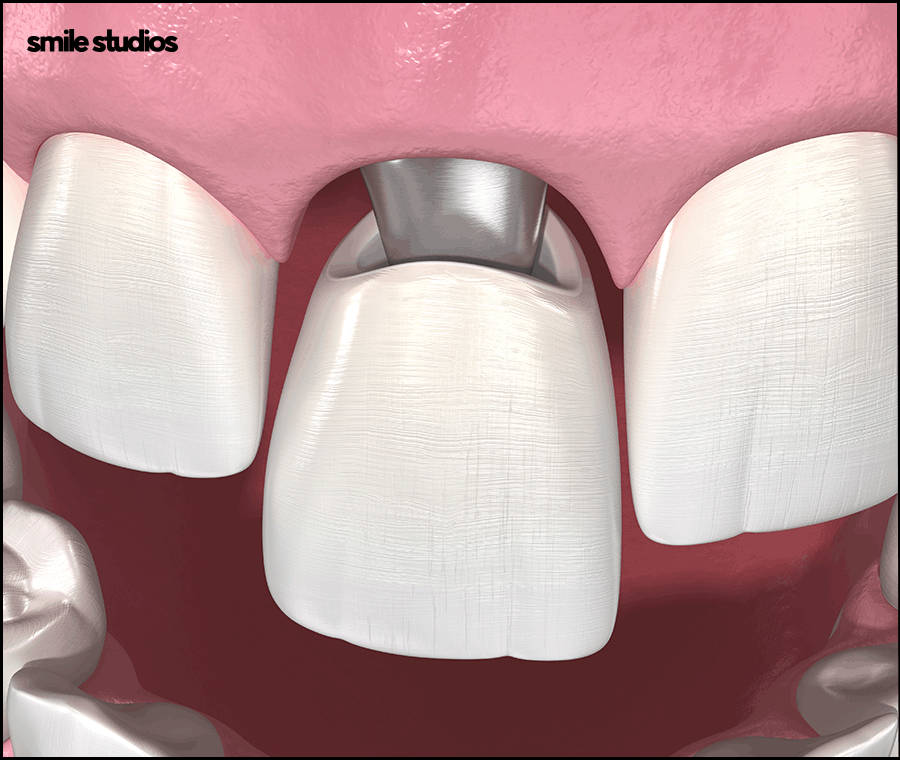
A crown, on the other hand, involves filing down the permanent tooth by about 1.5 to 2 mm overall and covering it completely, like placing a cap over it.
Because all surfaces are reduced, including the sides and other areas, it involves more reduction than laminate.
Distinguishing between the target cases and treatment scope
At Doosan-daero Dental Clinic, the 기준 for choosing between the two procedures varies depending on the patient’s tooth condition and the range that needs improvement.
Laminate is mainly suitable when the goal is aesthetic improvement.
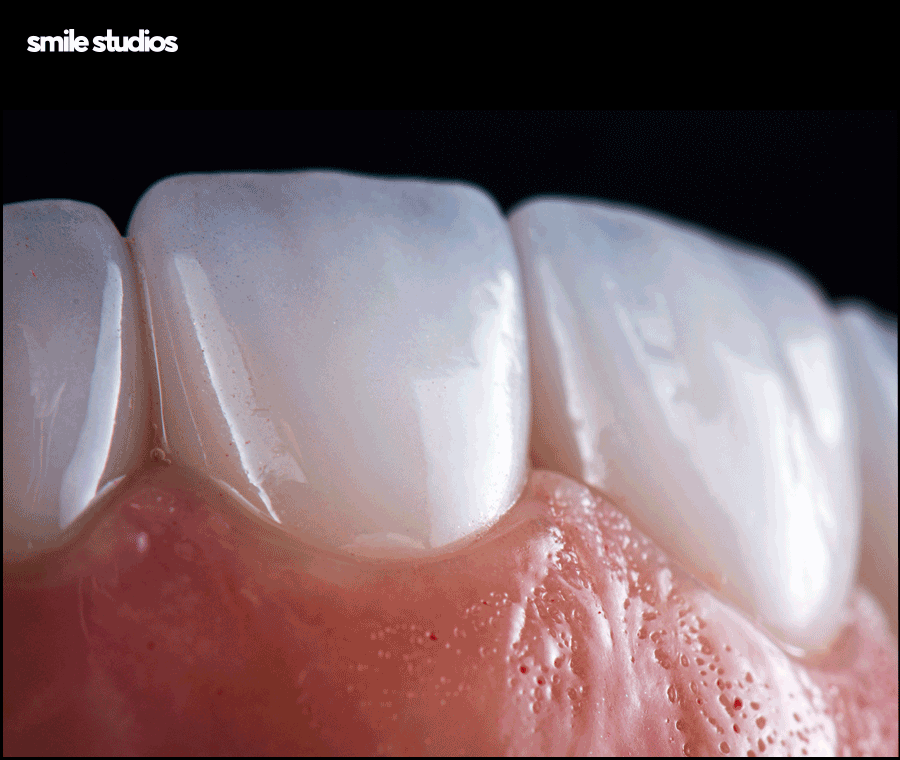
It is effective when teeth are yellowed or discolored, when there are gaps between teeth, or when the teeth are small and undersized.
It can also be a good option when there are small cavities or minor cracks in the front teeth.
A crown is generally chosen when more extensive treatment is needed.
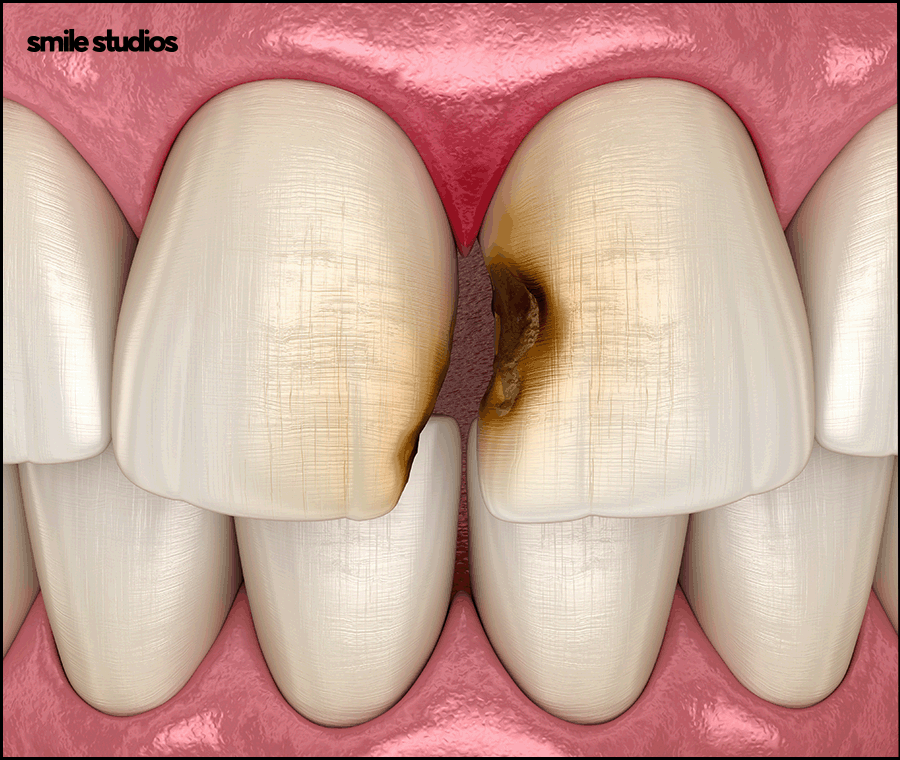
It is suitable when the tooth is badly damaged by decay, has already undergone root canal treatment, or when an existing prosthesis needs to be replaced.
Material and strength characteristics
Laminate, which is made very thin, uses special materials such as high-strength ceramic.
Because it can remain thin while maintaining high strength, it can achieve natural translucency and color.
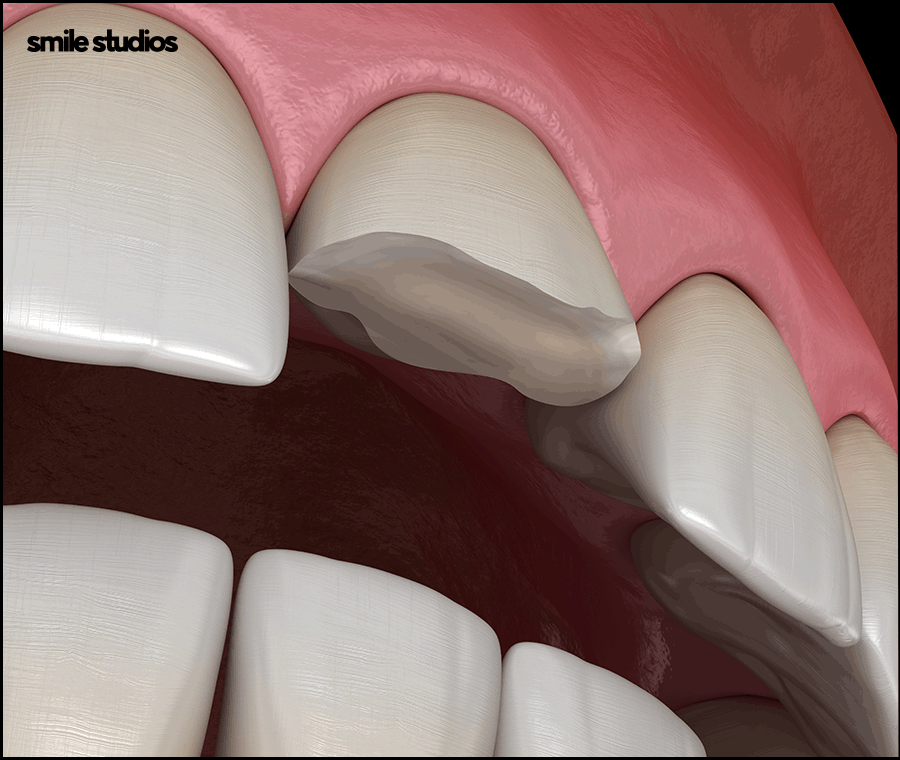
However, due to its nature, it can be relatively vulnerable to strong impact.
Crowns are thick enough to allow the selection and use of materials suited to each case, such as ceramic or zirconia.
Also, because they are thicker than other prostheses, they tend to be superior in strength.
Lifespan and maintenance
The average lifespan of laminate is known to be about 10 to 15 years.
However, this can vary depending on the patient’s care and oral habits.
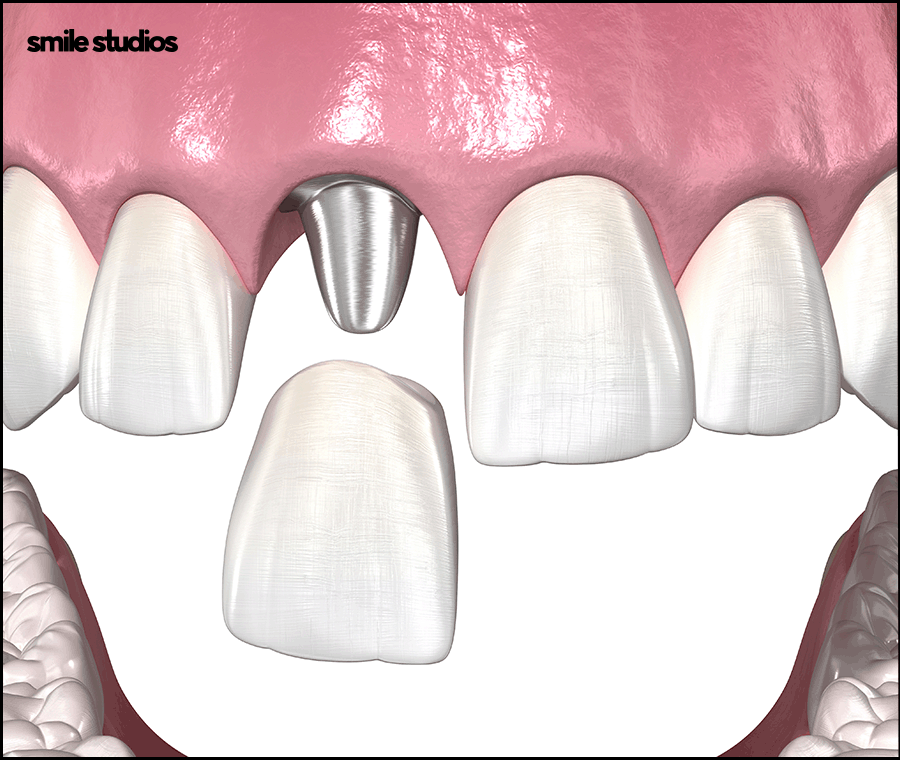
Next, crowns vary depending on the material and location, but are usually around 15 to 20 years.
Because they cover the entire tooth, the risk of dislodgement or fracture is low.
For both treatments, regular checkups and proper oral care are also key factors that determine lifespan.
In particular, using floss and receiving regular scaling can also be very helpful for maintaining oral health.
Side effects and precautions
When looking into receiving these procedures at Doosan-daero Dental Clinic, it is good to also keep the following points in mind.
First, laminate has issues with coming off and breaking.
As mentioned earlier, its thin structure makes it vulnerable to strong impact, and it may come off if the bonding weakens.
Crowns, on the other hand, can cause sensitivity, gum inflammation, and secondary decay.
Also, in some cases, inappropriate bite adjustment can lead to temporomandibular joint problems.
Finding the treatment that suits you
Procedures performed on the front teeth are a way to restore not only function but also psychological confidence.
Each method has clear advantages and disadvantages, and neither can be said to be absolutely better.
What matters is considering your tooth condition, improvement goals, and lifestyle habits comprehensively.
Please refer to the differences explained here and choose a better method through consultation with the medical staff.