There are many factors that affect first impressions, and front teeth are one of them.
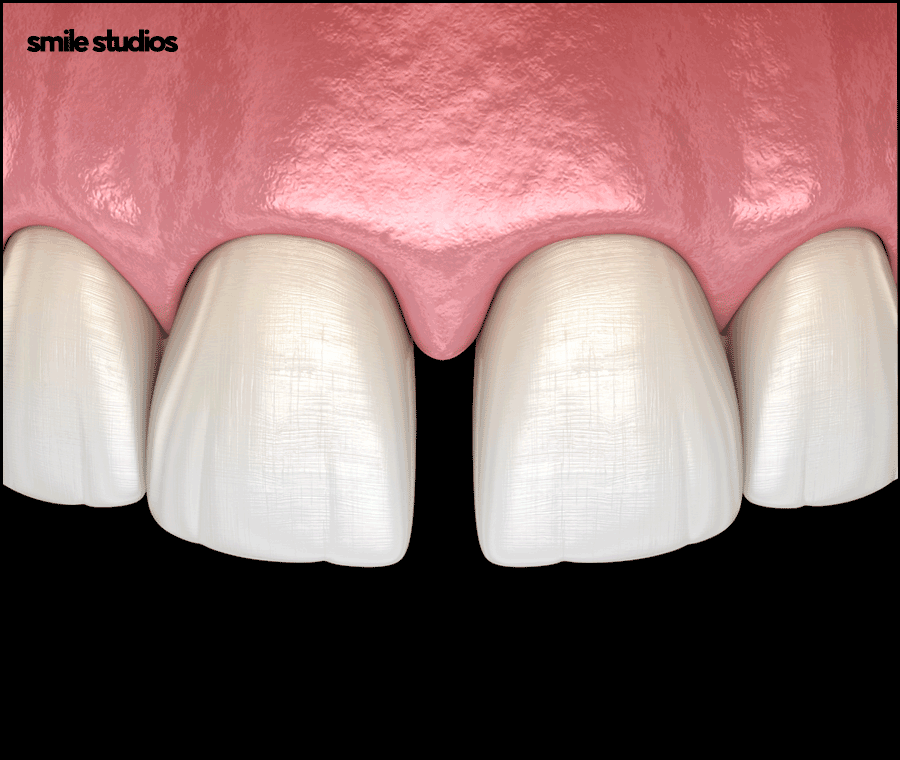
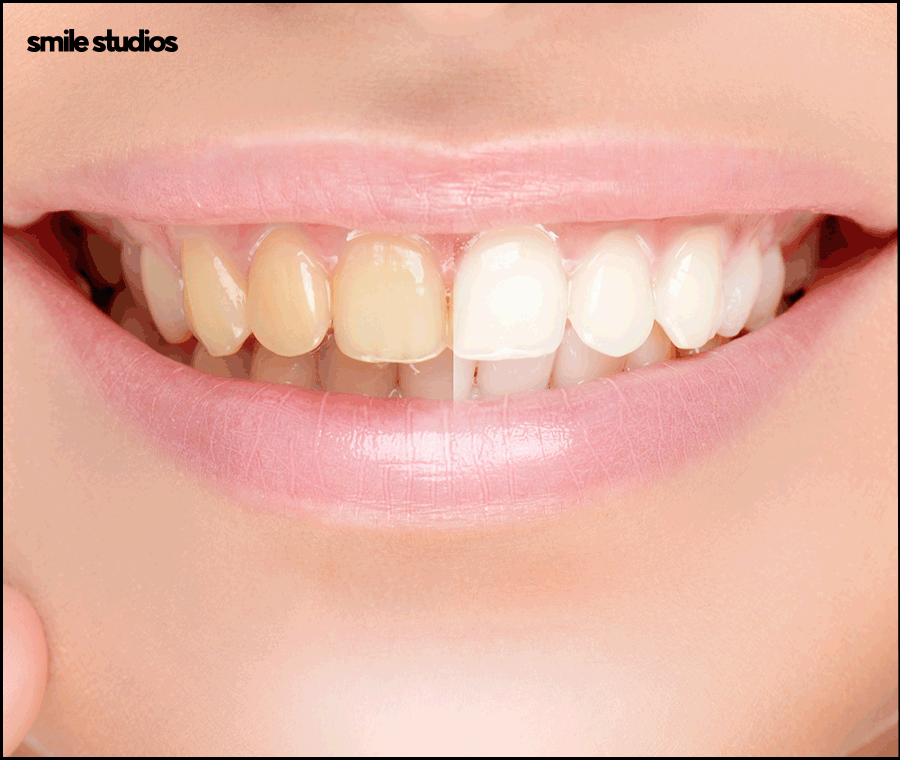
However, front teeth that are discolored, gapped, or asymmetrical can lead to a drop in confidence.
To address these concerns, no-prep laminate veneers for front teeth were introduced.
They have attracted much attention because they can provide an aesthetic effect without excessively damaging the existing teeth.
What kind of procedure is it? And how does it work?
It is a procedure in which the surface is not removed, or is minimally refined to 0.1 mm or less, and then a thin ceramic plate is attached.
It may be easier to understand if you think of it as similar to the principle of attaching artificial nails.
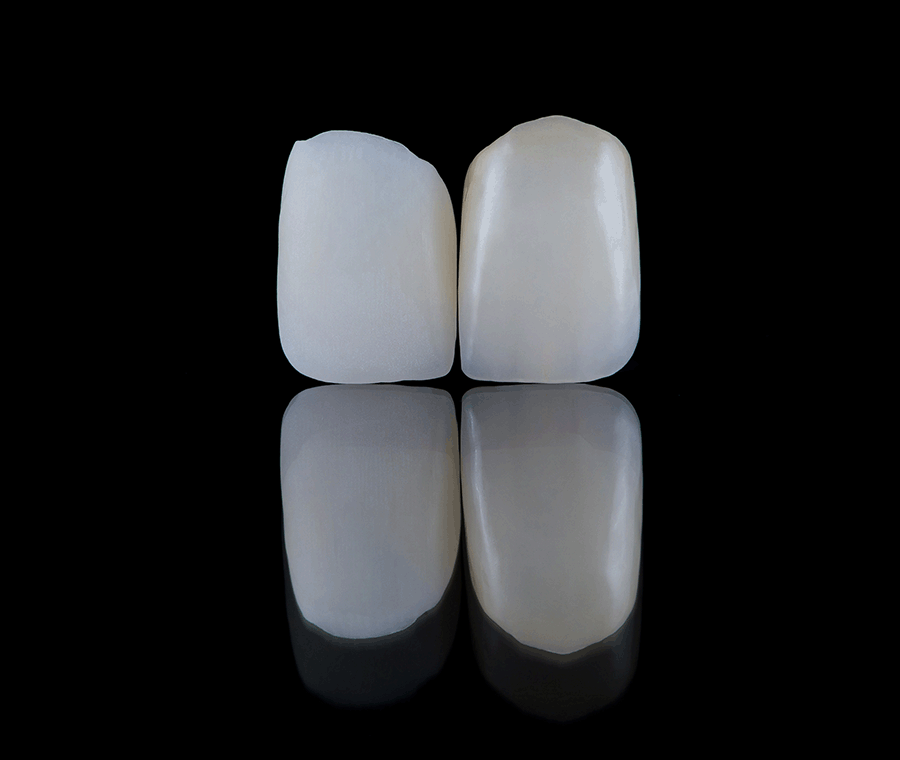
It is also a method that has become possible thanks to advances in dental laboratory technology, which now allow extremely thin ceramics to be produced.
This method helps preserve the tooth enamel, making it a favorable approach in the long term.
Procedure conditions and limitations
However, no-prep laminate veneers for front teeth cannot be applied in every case.
Also, for a successful outcome, several conditions must be met.
The dental alignment should be relatively even, and there must be enough space on the front surface to place the restoration.
It is suitable when the protrusion of the teeth is not severe and the purpose is to improve color or make minor shape adjustments.
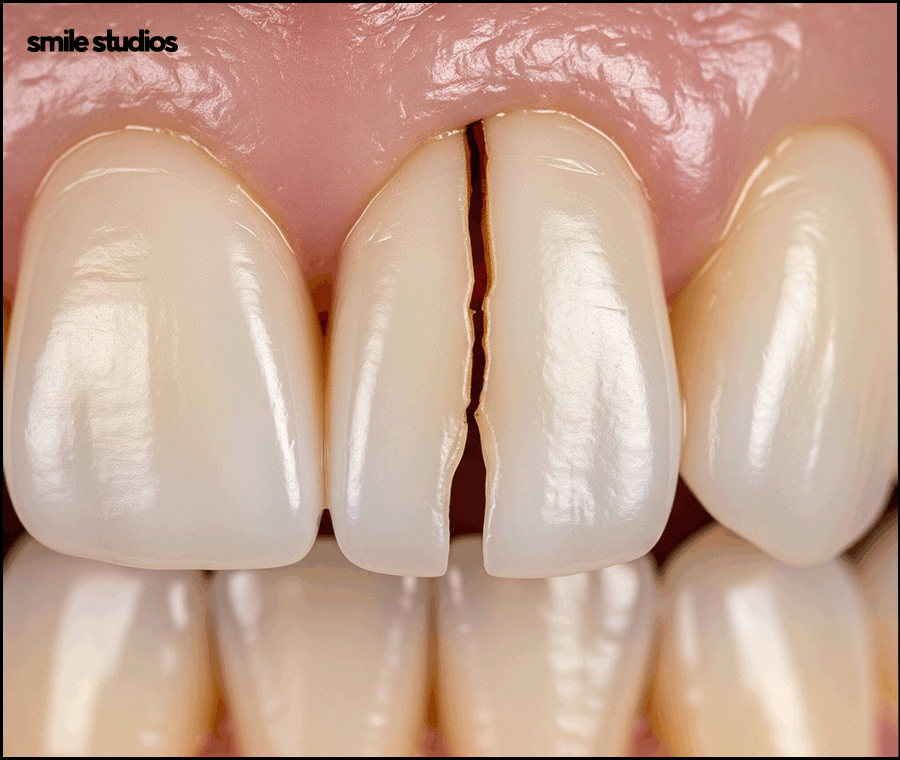
On the other hand, if the dental alignment is severely irregular or there is insufficient space on the front surface, forcing the procedure may cause side effects.
This is because the mouth may appear more protruded, or the risk of disease may increase.
That is why an individualized plan must be established based on an accurate diagnosis.
Procedure process and time required
The process is relatively simple. First, a precise oral examination and consultation are performed to determine whether the procedure is possible.
At this stage, the patient’s needs and expectations are also assessed.
After that, the surface is prepared and impressions are taken to create a customized restoration.
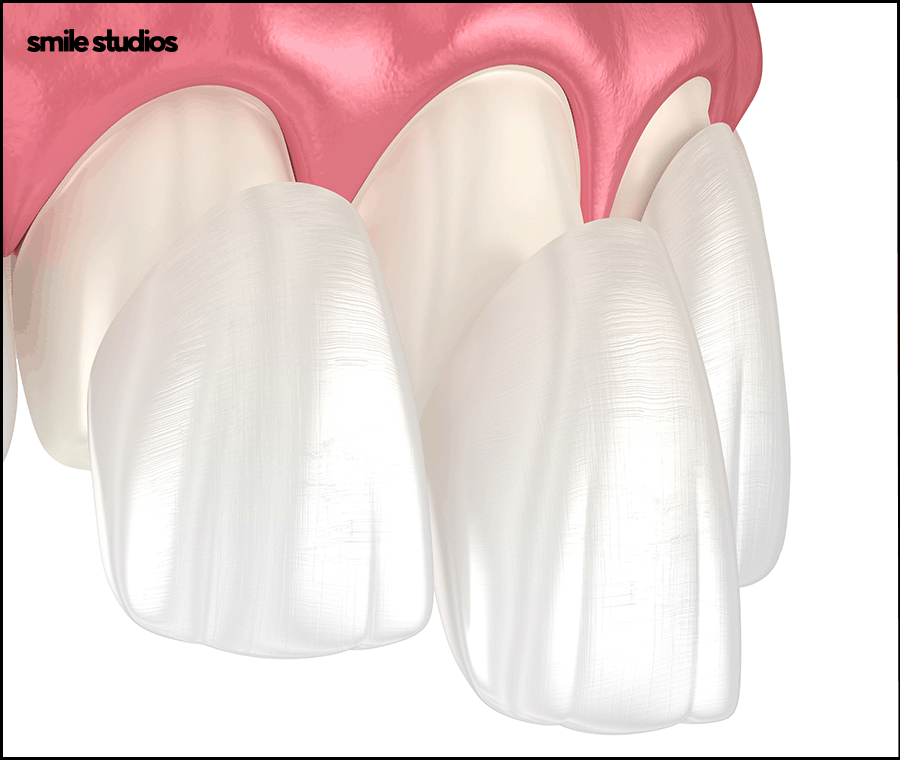
Fabrication usually takes about a week, after which the completed prosthetic is bonded using a special adhesive.
It is finally completed after bite adjustment and finishing work, and the actual bonding time is relatively short at around 20 minutes.
However, this may vary depending on the dental clinic, so please check in advance.
Differences from existing treatments
Compared with orthodontic treatment, it has several special advantages.
In the case of orthodontics, treatment can take 3 to 6 months, or even 1 to 2 years or longer, and there is also discomfort from wearing appliances.
However, desired results can be expected within a short period of about 1 to 2 weeks.
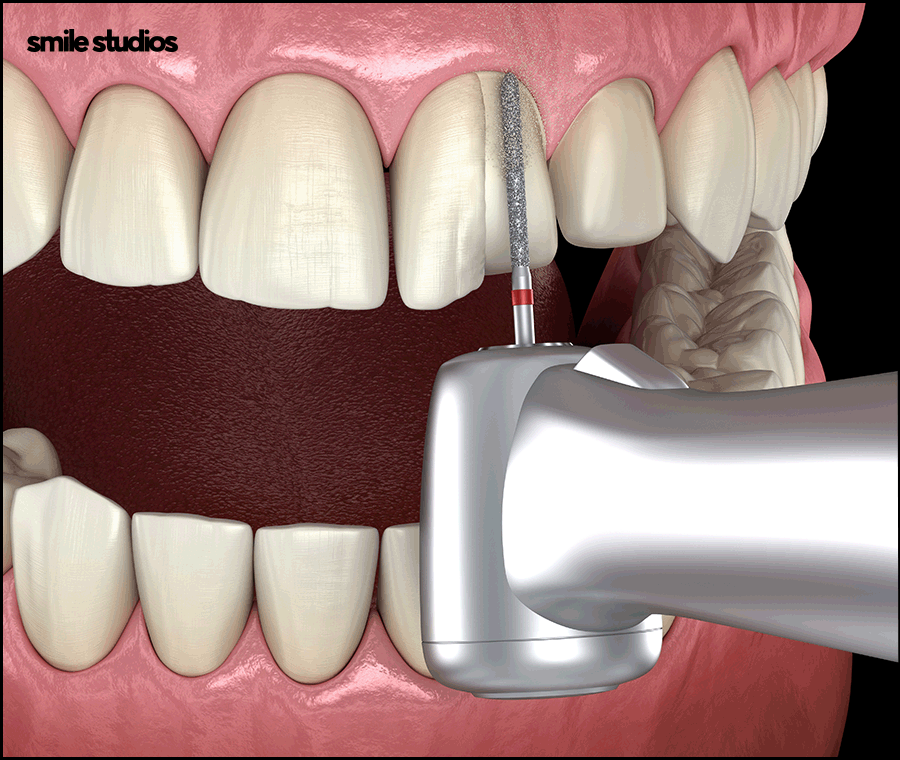
It also differs from conventional methods in that the amount of tooth reduction is a major distinguishing feature.
By minimizing reduction, the risk of post-procedure sensitivity and nerve damage can be greatly reduced.
By preserving the original structure of the permanent tooth in this way, it can also be a good option in terms of long-term durability.
Precautions and aftercare
After the procedure, several precautions must be followed.
It is best to avoid biting directly into hard foods with the front teeth.
This is because hard and chewy foods can cause the restoration to come off or become damaged.
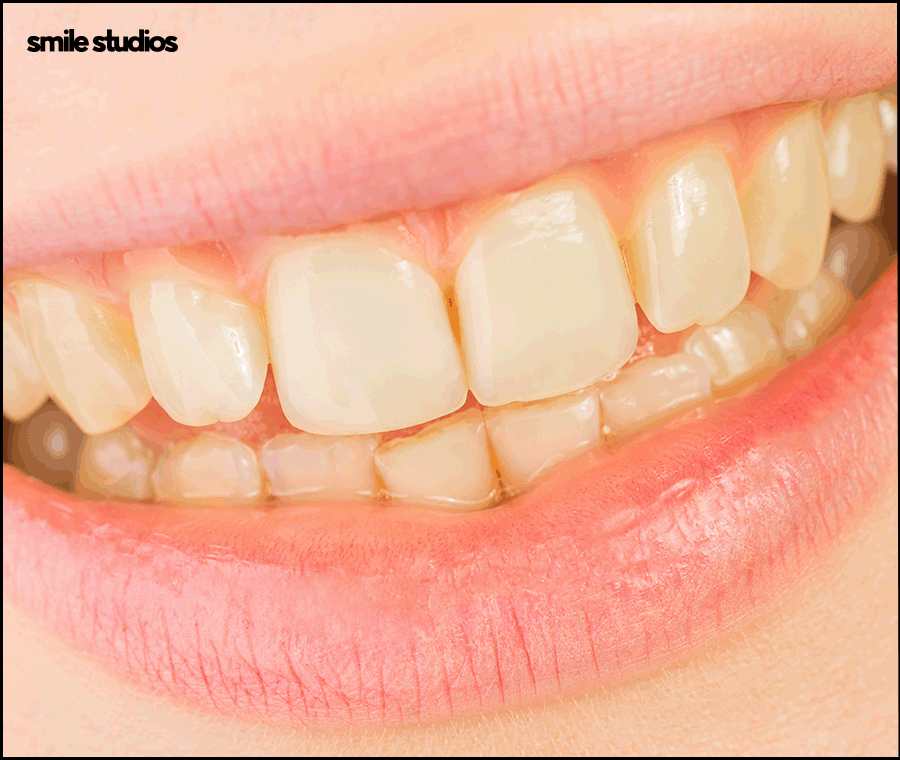
Also, be careful in situations where excessive force may be applied, and if you have habits such as teeth grinding or clenching, consider ways to improve them.
Regular checkups to assess the condition of the restoration and gum health are also important.
The margins around the bonded area require especially careful management.
If you learn proper brushing and flossing techniques and maintain strict oral hygiene at all times, you can greatly extend its lifespan.
Key factors
To achieve a satisfactory outcome from no-prep laminate veneers for front teeth, the expertise of the medical staff and an accurate diagnosis are important.
They must be able to analyze many factors, from the patient’s facial shape and gum condition to the texture of the teeth, and present a personalized design.
In addition, technical skill is needed to achieve natural-looking color and shape using advanced equipment and high-quality materials.
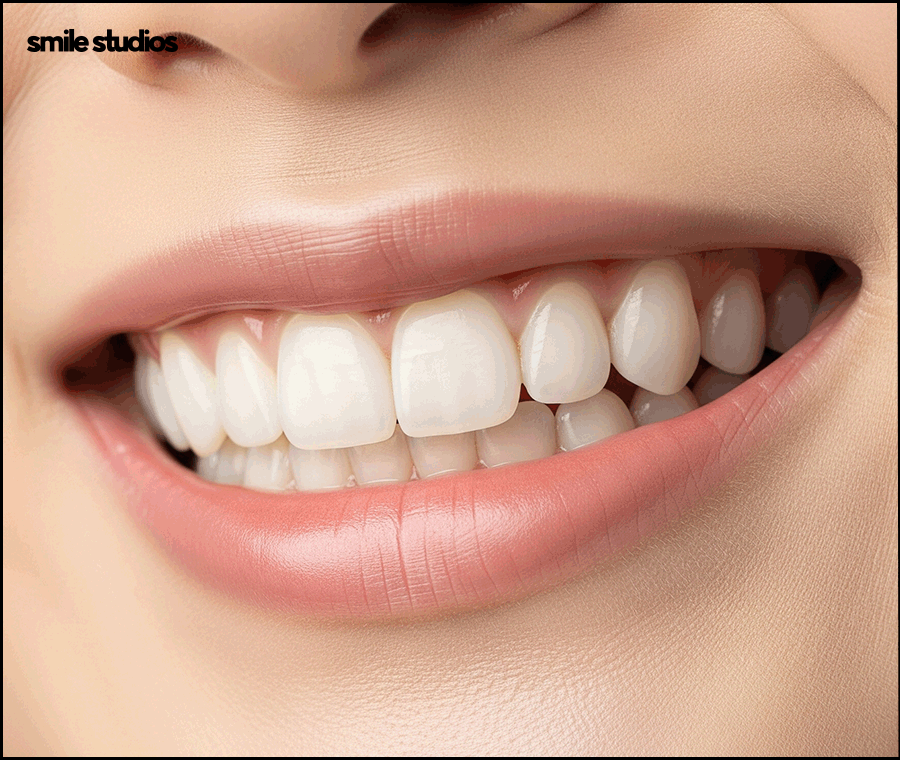
That is why these factors should be carefully researched before starting, which is why we recommend taking your time.
It is also essential to balance expectations with the results that can actually be achieved through sufficient pre-procedure consultation.
Rather than aiming for excessive changes, it is better to focus on natural improvements and achieve results that remain satisfying over a long period.