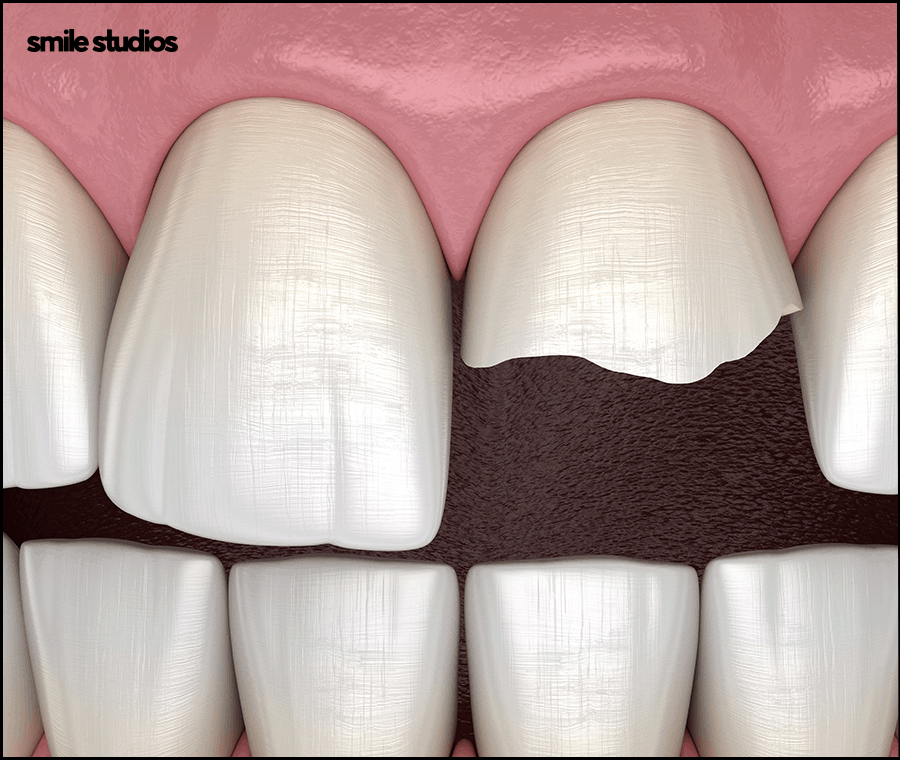
Front teeth can sometimes become chipped or broken due to a sudden accident or impact.
Because they are highly visible, this can lead to aesthetic concerns and may cause distress.
However, chipped or fractured front teeth can be effectively restored with appropriate treatment depending on the extent of the fracture and the circumstances.
Among the various options, many people choose veneers.
This is because they are a representative treatment method that can provide a natural-looking restoration.
Causes and Patterns of Chipping
There are actually many possible causes.
Impacts during sports, falls, and trauma caused by biting into food are among the primary causes.
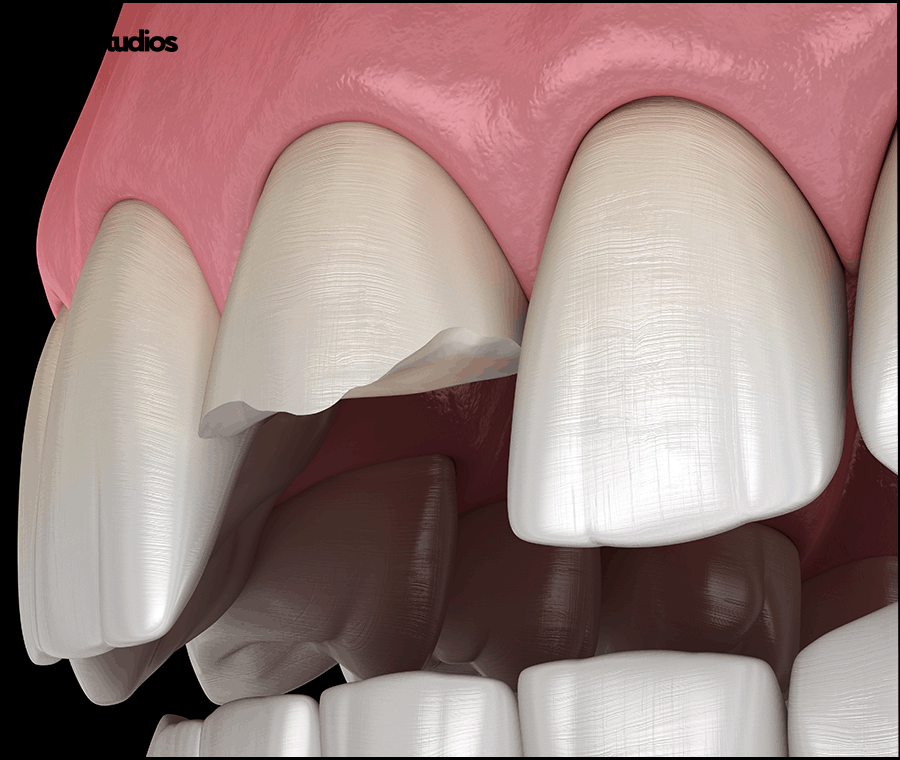
Depending on the extent of the fracture, there can be various patterns, ranging from damage limited to the enamel to damage affecting the dentin or even the pulp.
Therefore, the treatment method may vary depending on how much the tooth has chipped or fractured.
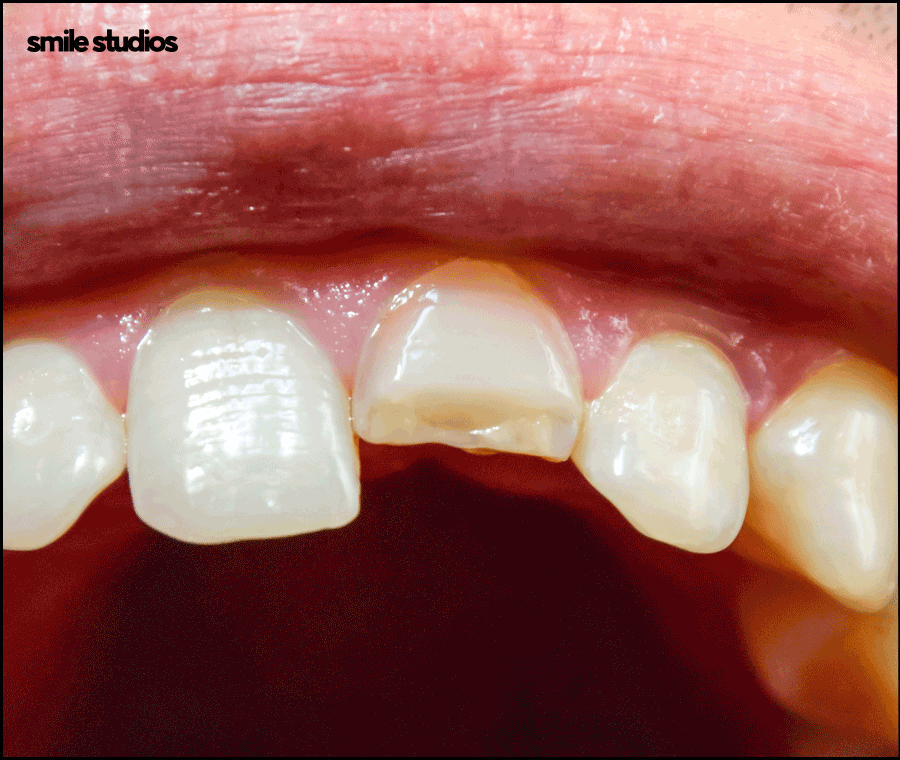
In mild cases, only the tip of the tooth is slightly damaged.
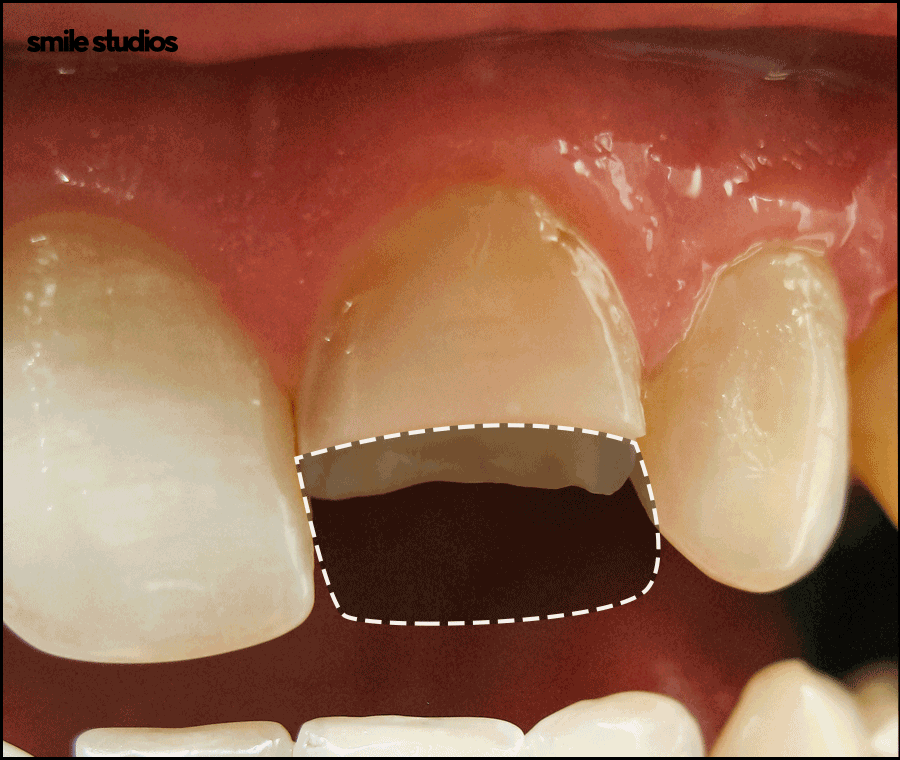
In severe cases, a substantial portion may be damaged, potentially exposing the nerve tissue.
A fractured tooth may cause sensitivity or pain, so prompt action is necessary.
Treatment Methods According to Symptom Severity
For mild damage, treatment using composite resin may be possible.
This method fills the chipped area with tooth-colored composite resin and can be completed relatively simply and quickly.
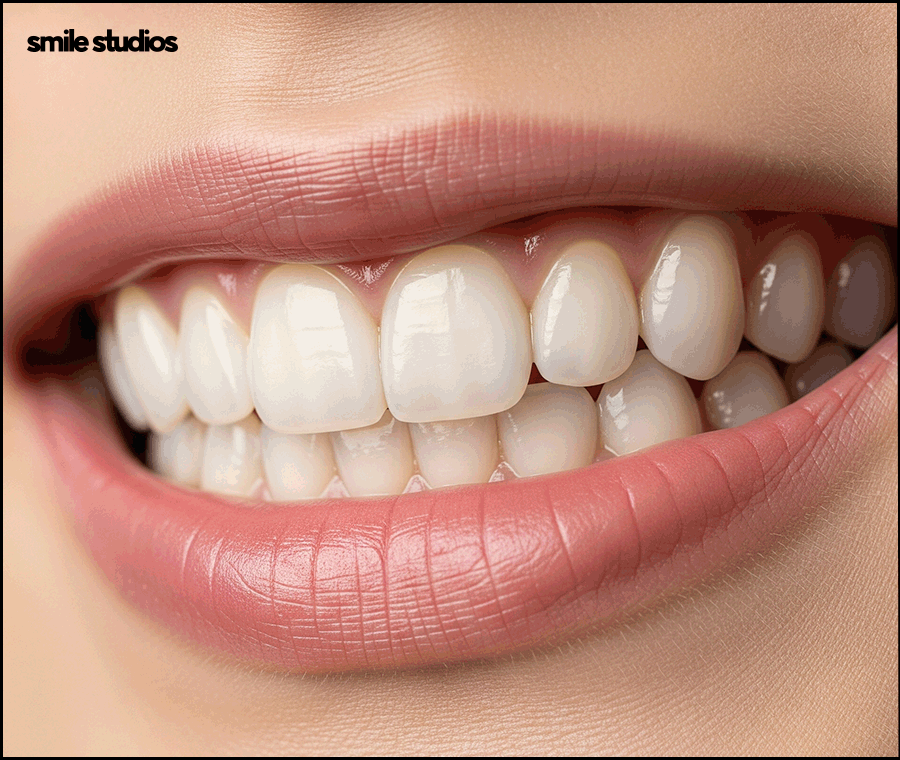
For moderately severe damage, veneers may be effective.
If a considerable amount of the tooth has chipped, this procedure can help restore both strength and aesthetics.
In severe cases, the inner nerve may also be damaged and become infected by bacteria, requiring appropriate root canal treatment.
This may then be followed by placement of a crown, as a substantial portion of the tooth may already be lost and its durability reduced.
The appropriate treatment may vary depending on the severity of the symptoms and should be determined through consultation and diagnosis by a dental professional.
Restorative Effects of Veneers
Veneers are often used particularly for chipped or fractured front teeth.
This procedure involves minimally reducing the tooth surface and then bonding a thin ceramic shell to it.
- Natural-Looking Aesthetic Restoration
The color and translucency can be matched to the surrounding teeth, creating a natural-looking result.
In particular, irregular shapes caused by damage can be restored smoothly and evenly, helping create harmony throughout the overall alignment of the teeth.
- Minimal Tooth Reduction
Because only about 0.5–0.8 mm of reduction is generally required, healthy tooth structure can be preserved as much as possible.
This offers the advantage of reducing damage compared with prosthetic treatments such as crowns.
- Excellent Durability and Stability
Because they are made of ceramic, veneers are stronger than resin and have excellent resistance to discoloration.
In addition, with proper ongoing care, they can be used reliably for a long period of time.
Because of these effects, many people consider veneers when a tooth has chipped or fractured.
Considerations During Treatment
Several factors should be considered when seeking treatment for a chipped or fractured tooth.
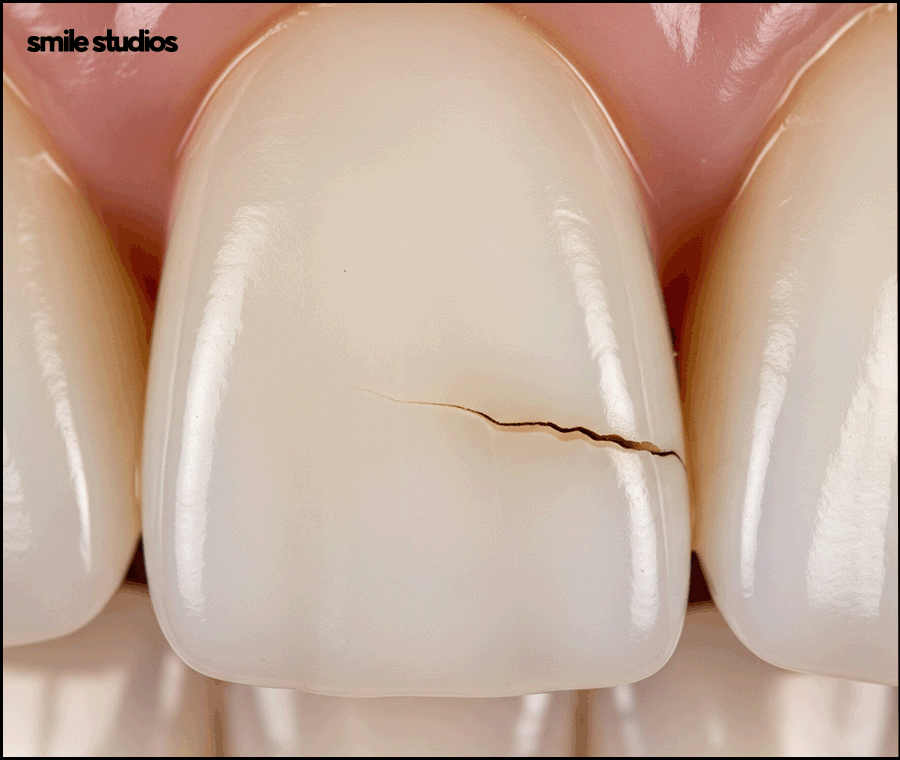
Above all, it is important to determine the appropriate method through an accurate diagnosis.
It is also necessary to assess each individual's oral condition and bite relationship in order to establish an appropriate treatment plan.
After treatment, it is advisable to avoid chewing hard foods such as ice or dried seafood and to have regular checkups to monitor the condition of the restoration.
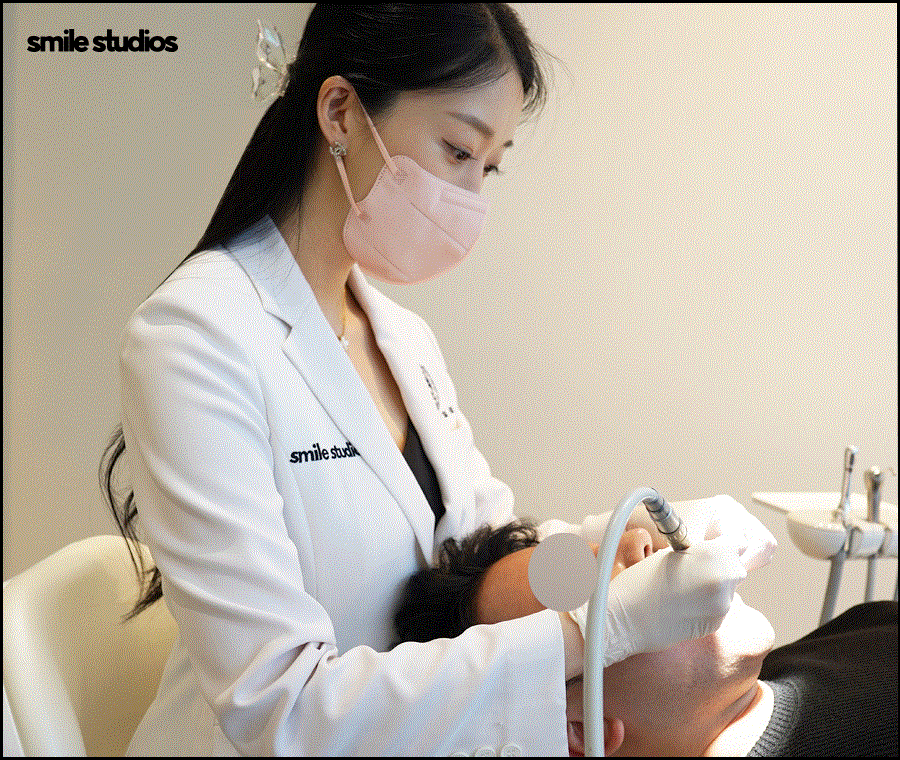
If a front tooth has become chipped or fractured, you should visit a dental clinic as soon as possible for consultation and treatment.
This is because starting treatment promptly can help prevent the condition from worsening.
If left untreated, the fracture may extend to the root, in which case extraction rather than the methods described above may be necessary. Early treatment is therefore especially important.

Please keep this in mind, and if you experience discomfort or related symptoms, begin appropriate treatment.