Some people consider orthodontic treatment in their 40s while worrying that it may now be too late.
This is largely because of the misconception that orthodontic treatment is something done during childhood or at a young age.
As a result, people may hesitate to undergo treatment when they reach middle age.
However, along with advances in technology, perceptions of orthodontic treatment are also changing significantly.
It is increasingly viewed as a method focused on restoring oral health and function, making it a more meaningful choice.
The Important Factor Is Your Oral Condition
To begin with the conclusion, there is no age limit for this treatment.
Orthodontic treatment in your 40s is possible because the principle governing the movement of permanent teeth works in the same way regardless of age.
The periodontal ligament surrounding natural teeth responds to stimulation regardless of age, allowing the teeth to be moved in the desired direction.
However, adults generally have a lower regenerative capacity than people who are still growing.
Therefore, tooth movement may be relatively slower.
Even so, this does not significantly affect the treatment results, and in many cases, it can lead to more stable outcomes.
This is because adults tend to cooperate well with treatment and follow their care routines diligently.
Problems That May Appear in Your 40s
Various changes naturally occur in the teeth as we age.
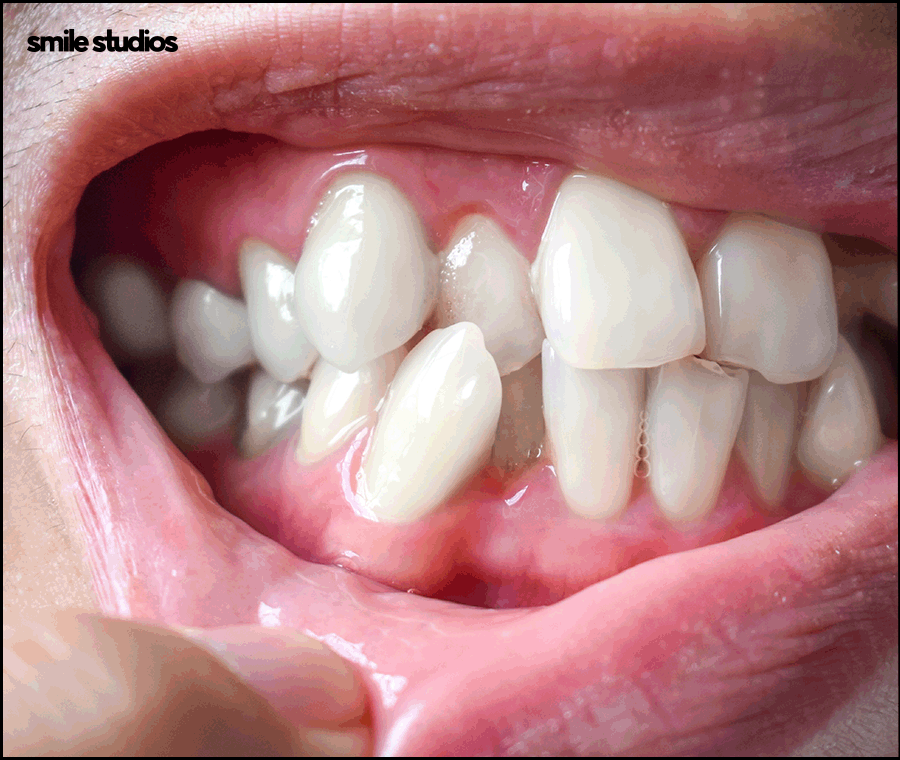
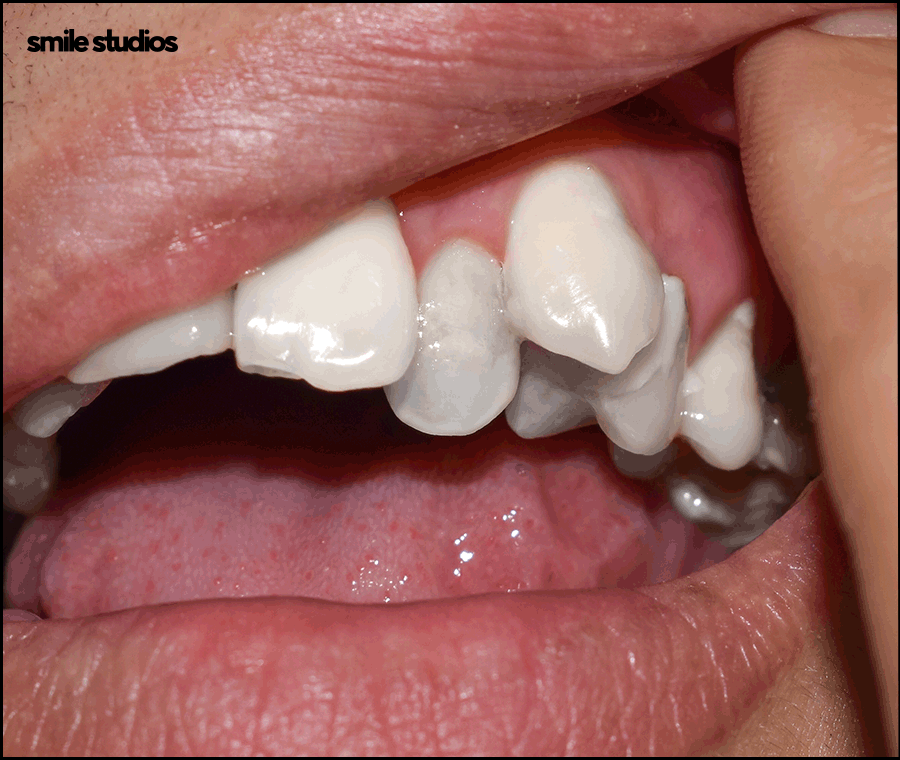
Due to continuous forward occlusal forces, the front teeth may tilt forward or become spaced apart, and the alignment of the teeth may become disrupted.
These issues can promote tartar formation and may lead to gum inflammation and periodontal disease.
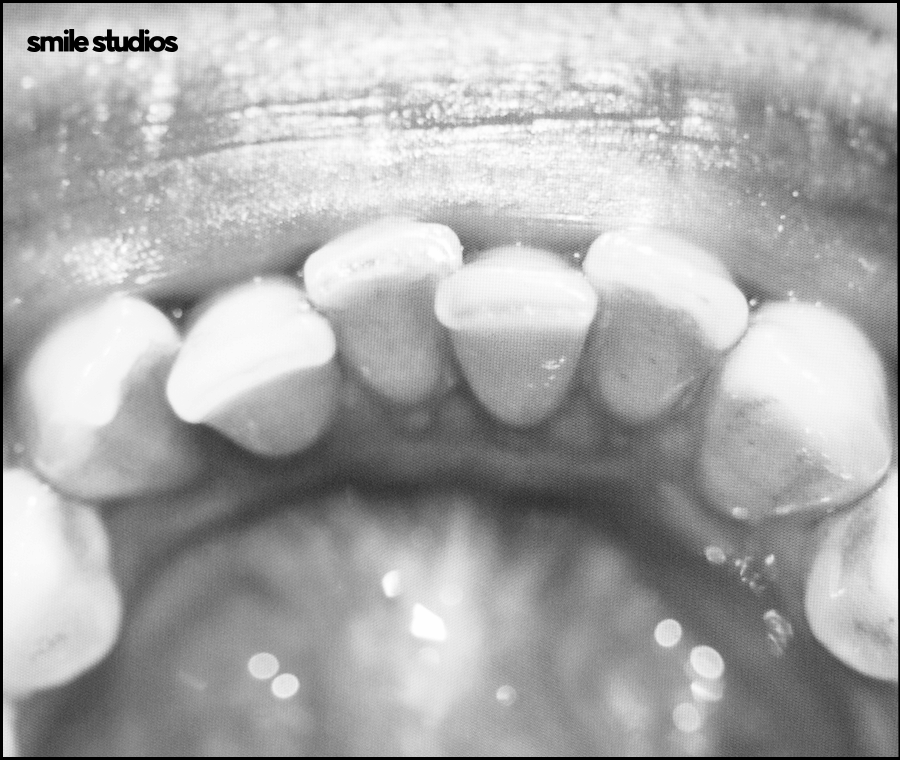
In addition, uneven occlusion may place excessive force on certain permanent teeth.
As a result, wear may accelerate, or problems may develop in the temporomandibular joint.
For various reasons, treatment at this stage of life serves not only a cosmetic purpose but also a preventive one.
Characteristics of the Treatment Period and Process
The average treatment period is usually around 18–30 months.
This may vary depending on the condition of the individual’s natural teeth, the severity of the bite problem, and the type of appliance selected.
As mentioned earlier, tooth movement in adults is somewhat slower than during the growth period.
Even so, if the treatment plan is followed accurately and supported by thorough care, sufficiently satisfactory results can be achieved.
Expected Benefits
The most direct change is an aesthetic improvement as the teeth become more aligned.

As crooked permanent teeth and protruding teeth are improved, overall facial balance may improve, helping you feel more confident.
Functionally, normalizing the bite can improve chewing function.
In addition, less food may become trapped between the teeth, making it easier to maintain oral hygiene.
In the long term, this may significantly reduce the risk of cavities and periodontal disease.
Relief from symptoms such as temporomandibular joint pain and headaches caused by an imbalanced bite, as well as improved pronunciation, may also be expected.
Considerations for Successful Orthodontic Treatment
To successfully complete orthodontic treatment in your 40s, several important points should be considered.
First, if you have issues such as gum disease or periodontitis before beginning treatment, it is best to treat those problems first.
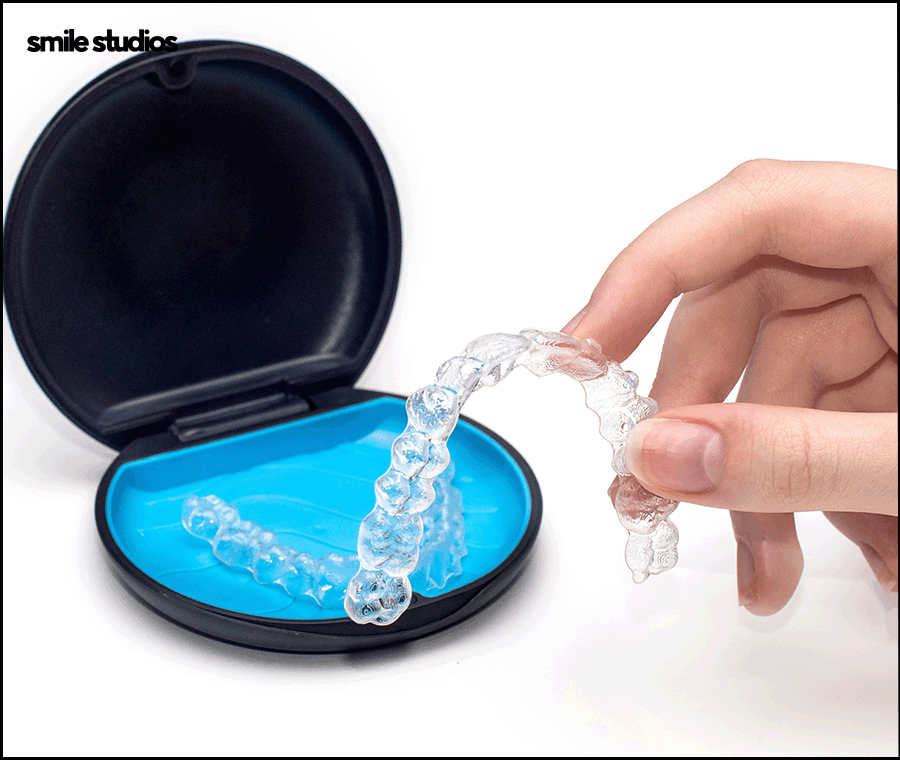
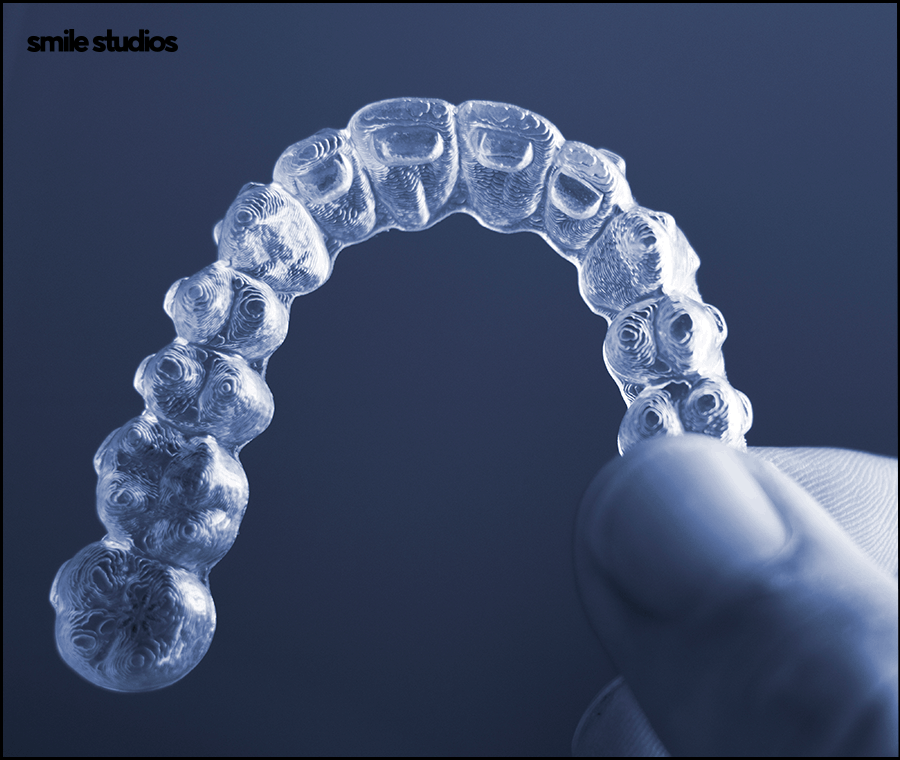
The choice of appliance should also be made carefully. If you need to consider your professional and social life, an appliance such as Invisalign may be a suitable option.
Above all, patience and consistent care are essential.
Treatment may take longer for adults than for adolescents, but it can provide results that are stable and long-lasting.
A Choice for a New Beginning
You may feel that it is too late, but orthodontic treatment in your 40s is not a late choice.
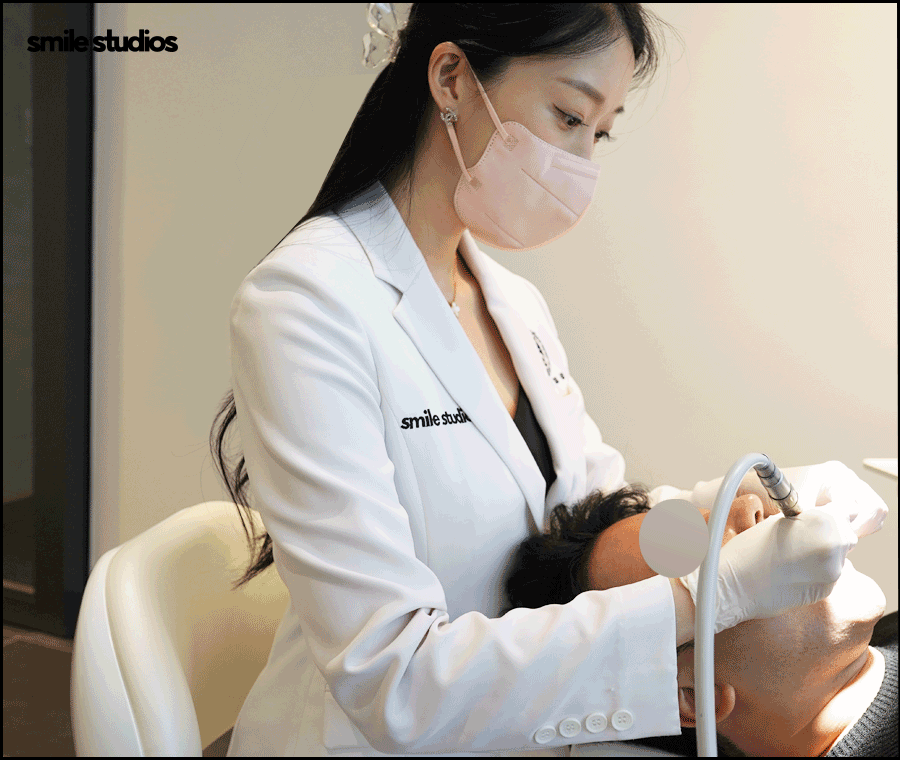
The healthy mouth and beautiful smile gained through this treatment may greatly improve your quality of life in the years ahead.
If you are concerned that it may be too late, it is advisable to consult a dental professional at a clinic or medical institution.
We recommend receiving an accurate diagnosis through consultation and examination of your individual oral condition and developing a customized treatment plan.
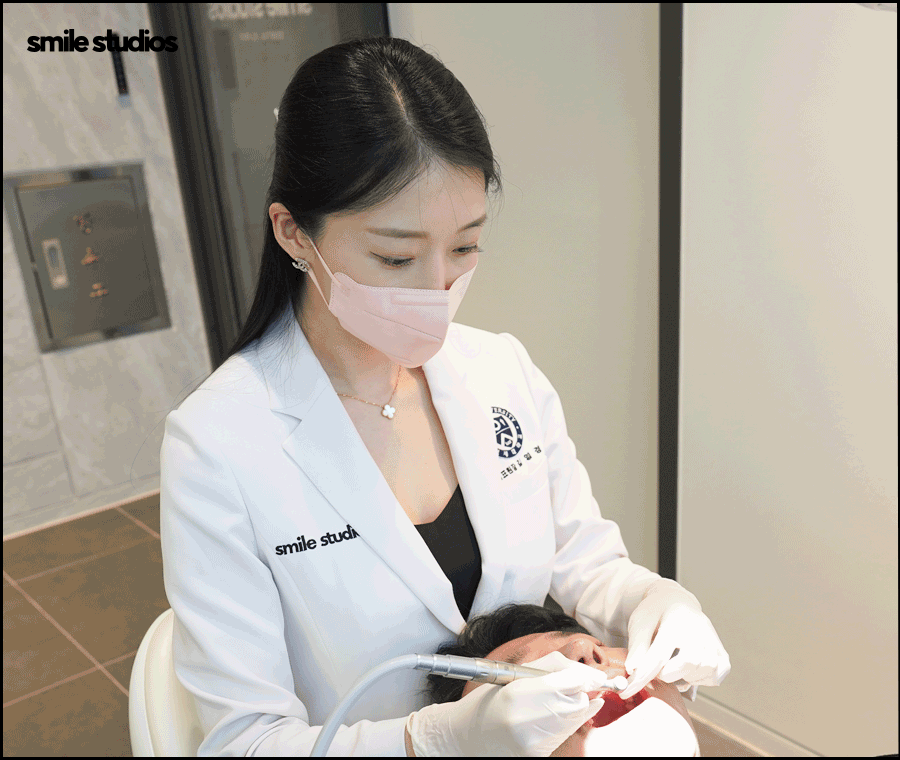
Unlike the concerns you may have had, you may achieve satisfactory results along with greater confidence in your smile.