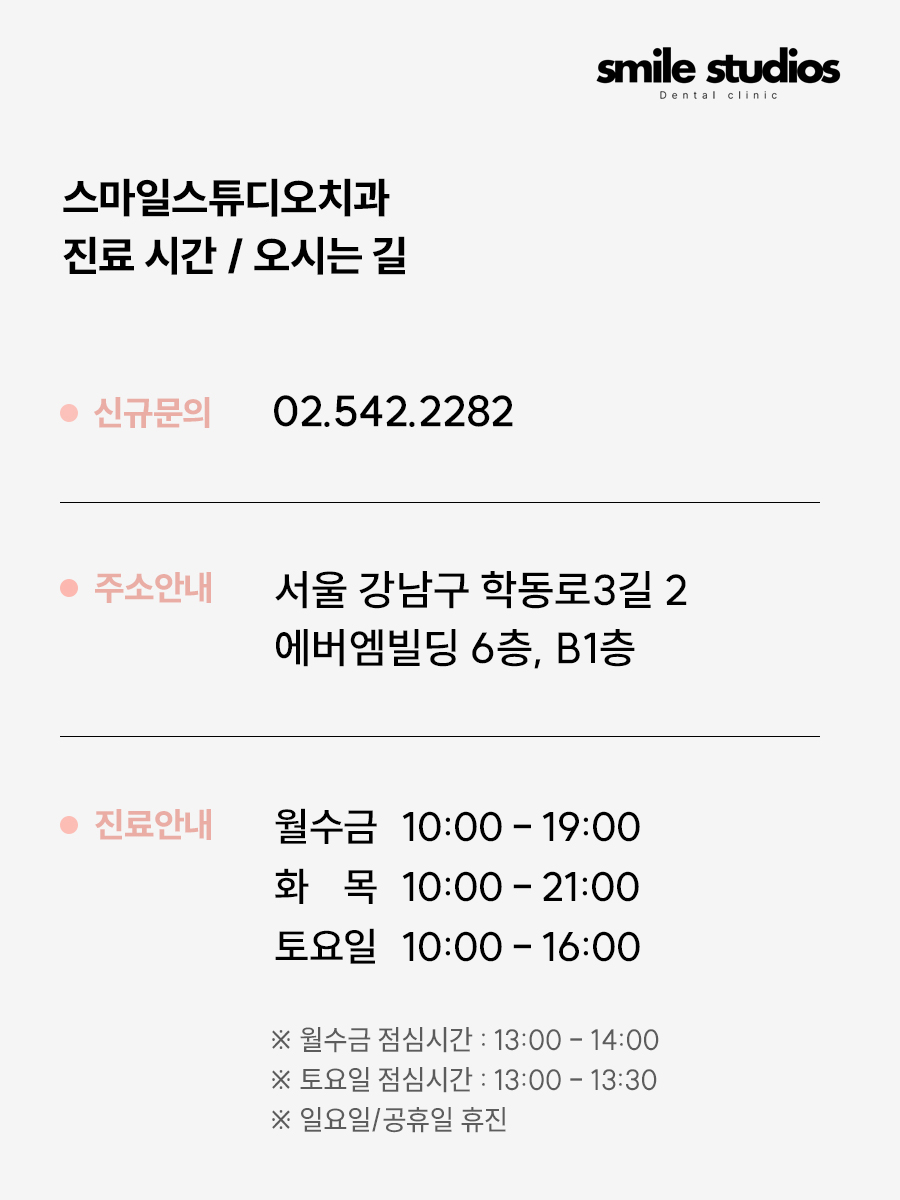
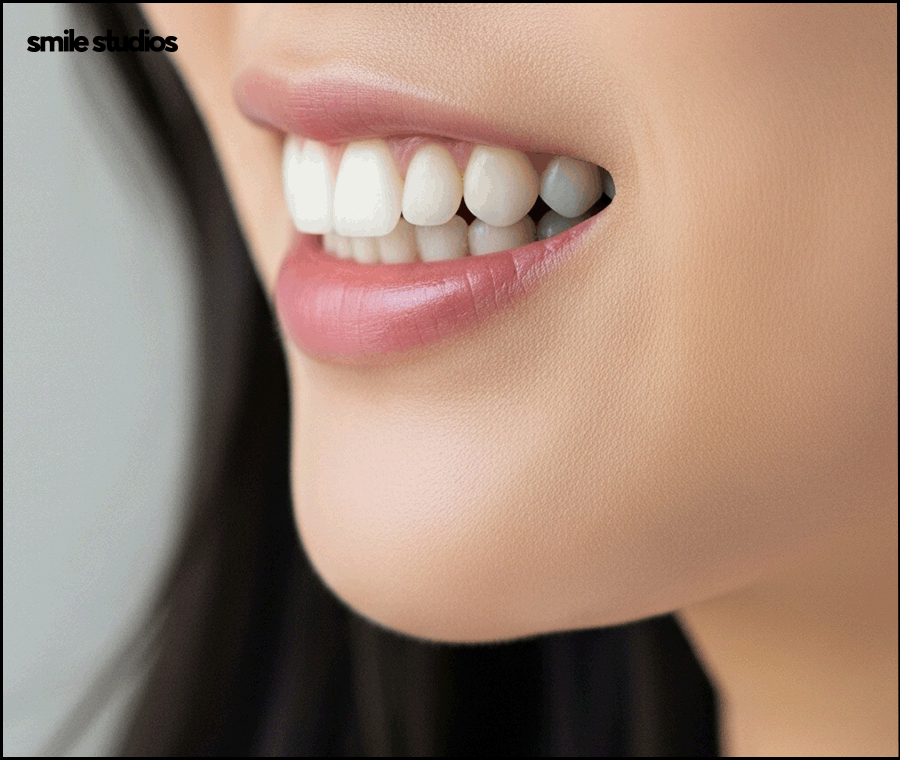
When teeth protrude or appear excessively long, they are often referred to as bunny teeth.
Many people consider orthodontic treatment not only for aesthetic improvement but also to address functional problems.
However, it is important to understand the treatment period and be aware of the essential checks required before starting.
We will look at the points that people planning treatment are curious about.
How long does it take?
A relatively short treatment period is often considered one of the advantages by people undergoing bunny teeth correction.
In general, it usually takes an average of one and a half to two years.
When treatment is performed on only part of the teeth, it may be completed in a considerably shorter period.
Because the focus is placed on correcting only the affected teeth, noticeable changes may be seen within 3–6 months, and treatment is usually completed within a year.
However, this can vary considerably depending on each person’s dental condition, the degree of protrusion, and the rate of tooth movement.
A simple case may take as little as three months, while a complex case may take more than a year, making an accurate diagnosis important.
Essential checks before starting
- Analysis of the cause of the malocclusion
Before beginning bunny teeth correction, it is important to first identify the underlying cause of the protrusion.
It is necessary to determine accurately whether the problem is limited to the affected permanent teeth or involves an overall malocclusion that also includes the molars.
If the arrangement of the molars is the cause of the protrusion, partial treatment may not be sufficient to resolve the problem.
Proceeding recklessly could make the problem worse, so careful judgment is necessary.
- Whether there are skeletal problems
To determine whether treatment is appropriate, it is necessary to check for skeletal malocclusion.
If the protrusion is caused not by the teeth themselves but by a structural problem with the jawbone, treatment has limitations.
Therefore, a detailed diagnosis should be used to analyze the relationship between the jaws and teeth, including the position of the jawbones and the direction of growth, before deciding whether to proceed.
- Possibility of creating sufficient space for tooth movement
For a successful outcome, sufficient space must be secured to move the teeth.
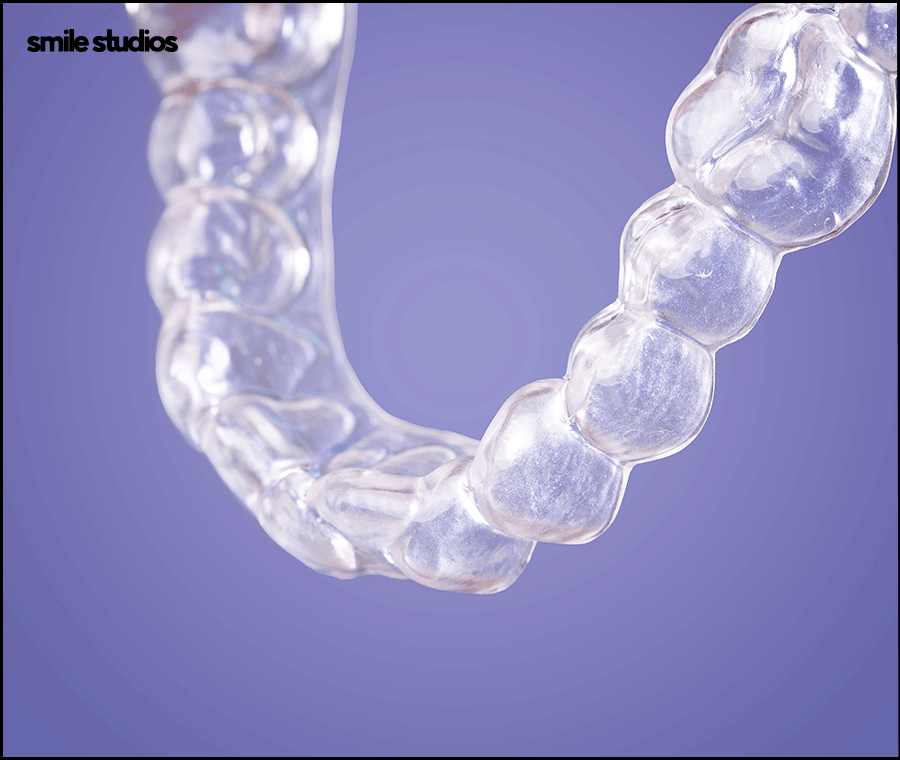
Ways to create space include interproximal reduction, arch expansion, and extraction, and the advantages and disadvantages of each should be considered.
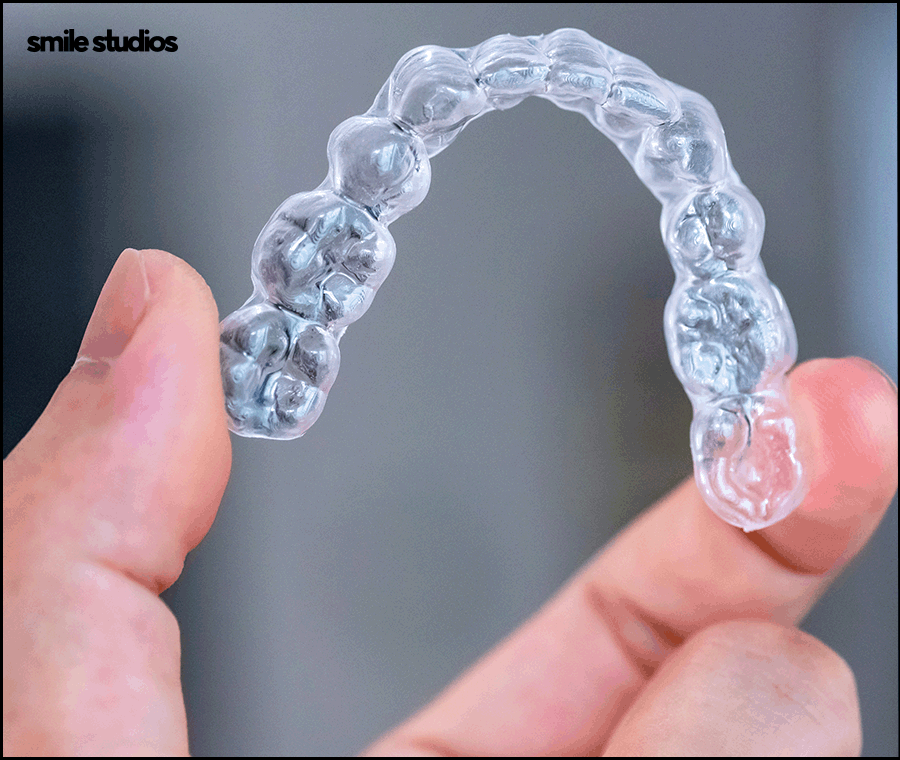
Attempting to move teeth forcefully despite insufficient space may cause side effects such as root resorption or gum damage.
Thorough analysis is therefore required.
- Molar occlusal relationship
It is also necessary to assess whether the molar occlusion is appropriate.
If there is a serious occlusal problem in the molars, treating only the front teeth may still leave the overall balance misaligned.
It is necessary to check whether the upper and lower permanent teeth are fitting together properly and whether the left-right symmetry is appropriate.
- Oral health assessment
Before starting treatment, basic oral health problems such as cavities and gum disease must be addressed.
This is because carrying out treatment while these conditions are present may cause the problems to worsen during the process.
Therefore, treatment for inflammation and cavities should be completed first, along with removing dental calculus through scaling.
It is advisable to begin treatment after improving overall oral hygiene in this way.
Precautions for a successful outcome
When considering bunny teeth correction, focusing only on saving money and time is not recommended.
For a successful outcome, an accurate diagnosis and an appropriate treatment plan should take priority from the beginning.
If treatment is started based on an incorrect judgment, retreatment may become necessary, requiring that much more time and expense.
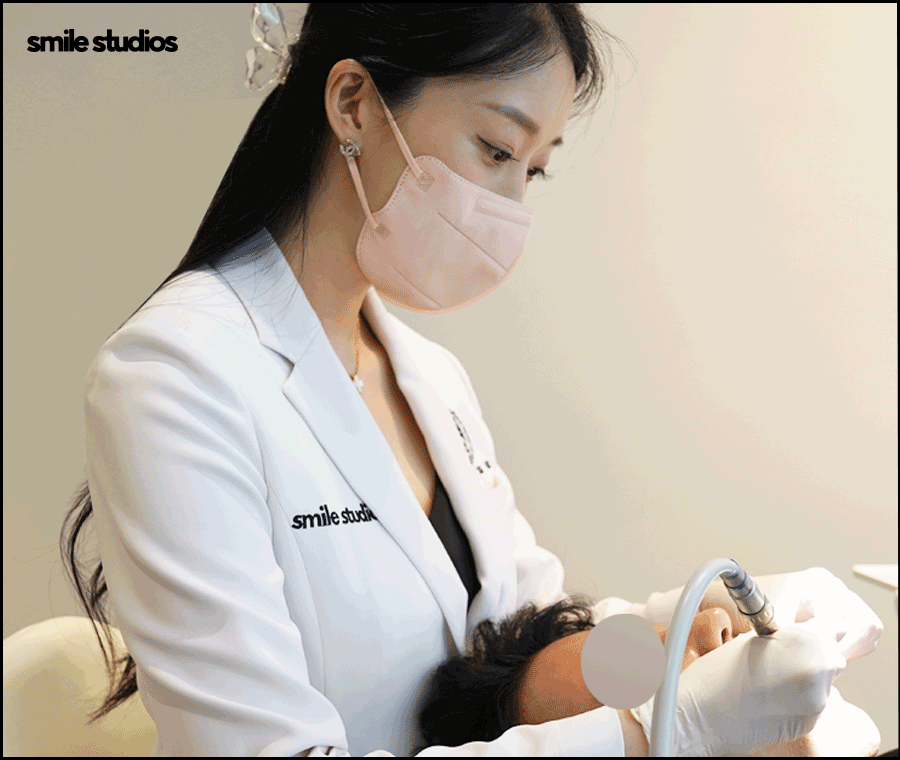
For this reason, consult with an experienced dental professional to determine whether bunny teeth correction is appropriate for you.
It is also advisable to consider the appliances that can be used and the aspects of post-treatment care.
Checking and considering these various requirements before starting treatment can bring you closer to a successful outcome.

We hope the information covered today helps you choose your treatment.