One of the things people become curious about when looking into laminate procedures is the cost.
�
Even when it is the same procedure, seeing a big difference in prices from one clinic to another can be confusing.
You may be wondering why laminate prices vary so much and what 기준 they are based on.
This time, let’s look at the factors that determine this cost and the points to consider for making a reasonable choice.
Basic Structure of Laminates Price
In general, the price is set per tooth.
Looking at the average market price, it ranges widely from 400,000 to 1,500,000 KRW per tooth.
The reason such a large cost difference occurs is that multiple factors work together.
The components include material costs, lab fees, and procedure fees.
In addition, services such as detailed pre-procedure diagnosis, temporary prosthesis fabrication, and follow-up care may also be reflected.
In this sense, it should be viewed not as a simple procedure fee, but as a comprehensive service package.
Analysis of Cost Differences by Material
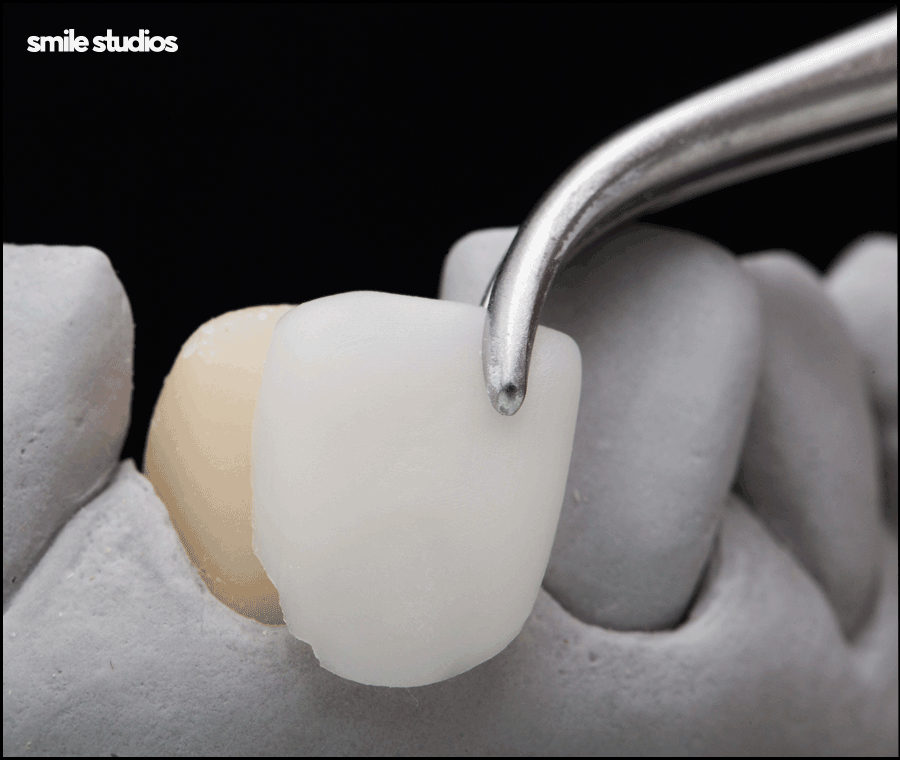
The materials used can be divided into resin and ceramic, and the price range varies depending on their characteristics.
Resin can be said to be a relatively economical option.
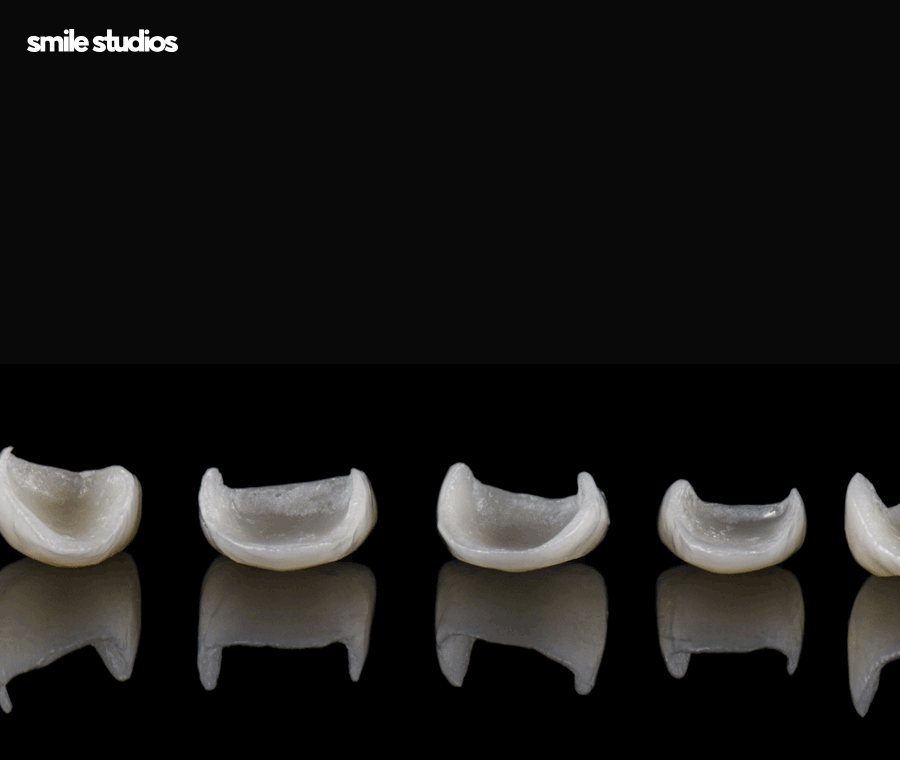
However, in terms of durability and aesthetics, it may be more limited than ceramic.
Ceramic is priced higher than resin.
There are also differences depending on the type used, and reinforced materials or special fabrication methods can raise the price further.
The Impact of Technique and Facilities
Another easily overlooked part of the cost is the clinician’s skill and the procedure level of the clinic.
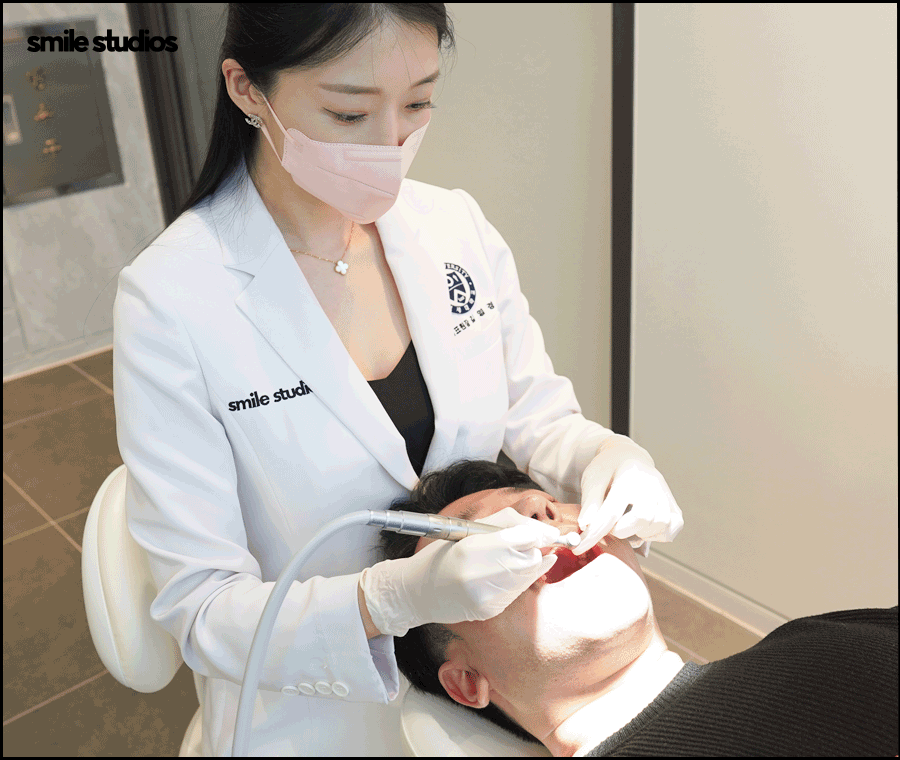
When performed by an experienced clinician, accurate diagnosis and precise treatment are possible, but that can also come with higher costs.
The introduction of digital equipment is also an important factor.
When 3D scanners, CT equipment, or CAD/CAM are used, more accurate diagnosis and precise fabrication are possible.
However, the adoption of such advanced equipment is often reflected in the price.
Next, the collaboration system with the dental lab can also have an effect.
In particular, depending on follow-up care services, the initial price may be higher, but in the long run it can be more economical.
Variable Factors by Number and Difficulty
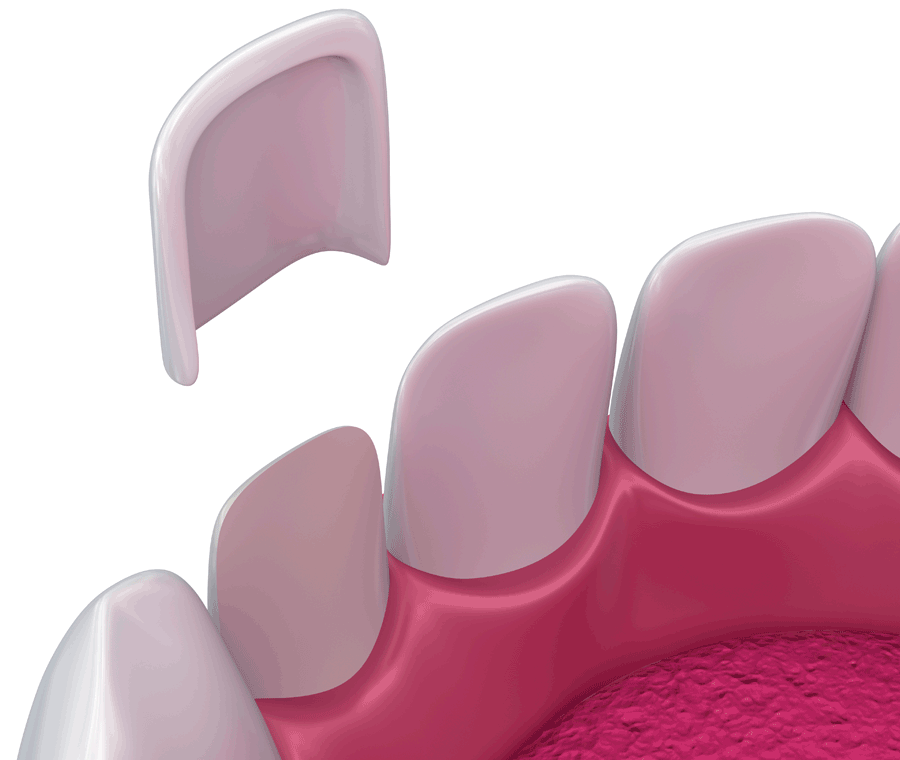
Laminates vary depending on the number of teeth treated.
There can also be a cost difference between treating only the two front teeth and treating all six.
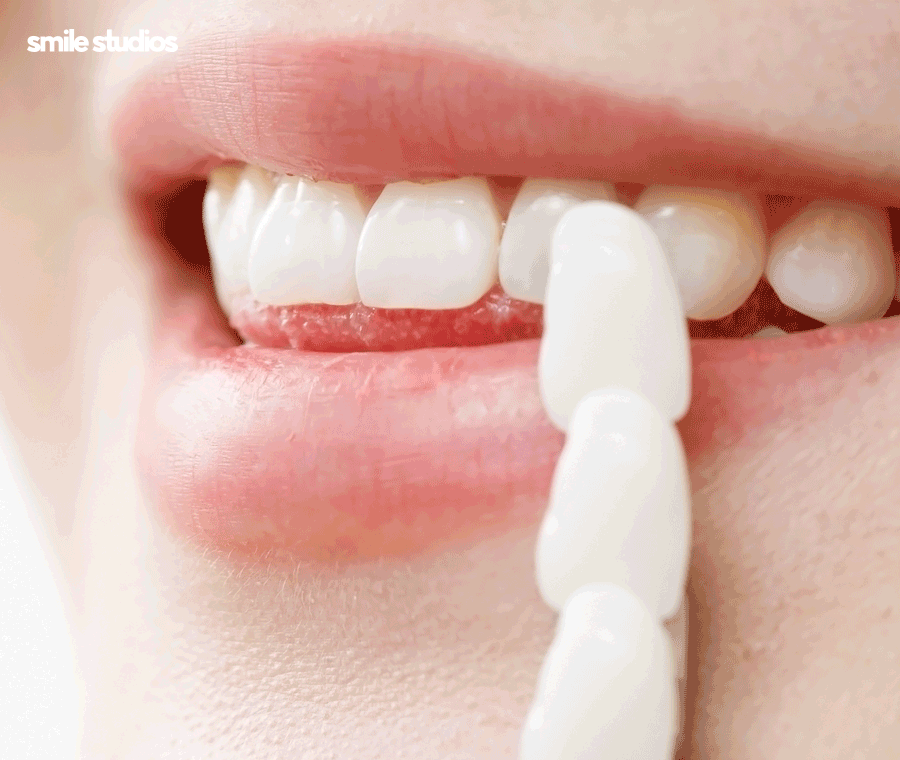
Still, when the number increases, it would be good to check whether there is a discount on the per-tooth unit price.
The difficulty level based on the condition of the teeth is also an important variable.
Methods that improve only color and methods that also modify shape and alignment differ in difficulty, and the cost can be adjusted accordingly.
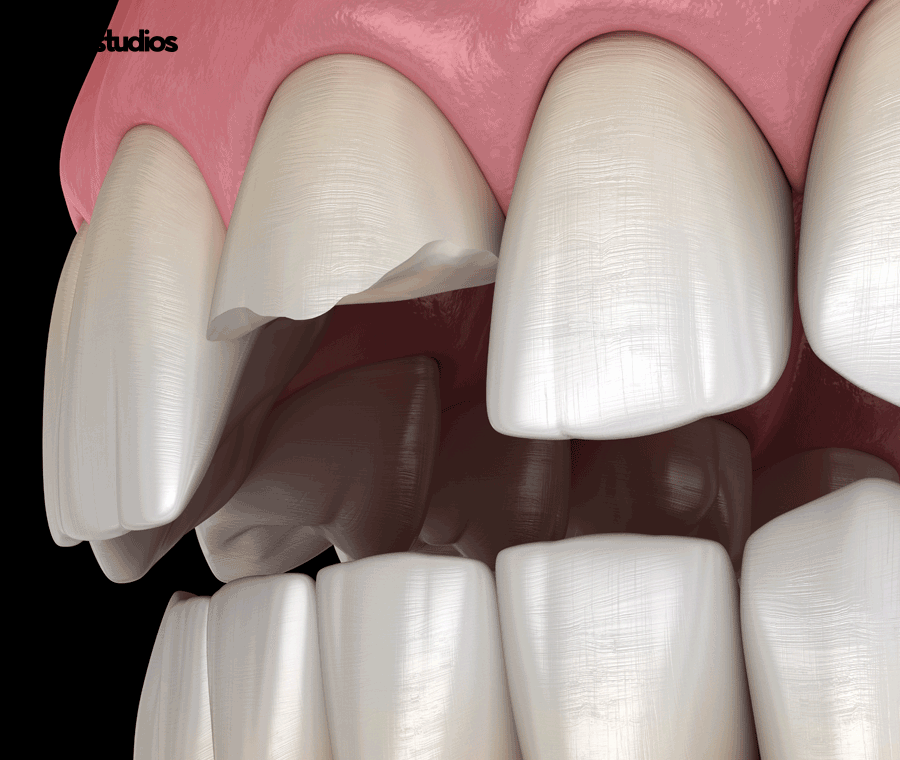
If necessary, treatment may need to be done in advance depending on the oral condition.
In that case, both the overall treatment period and the cost may increase.
Regional Price Differences and Selection Criteria
Laminate prices also tend to vary by region.
In major downtown areas such as Gangnam, rent and operating costs are reflected, so overall procedure fees tend to rise.
On the other hand, regional areas tend to have relatively more reasonable prices.
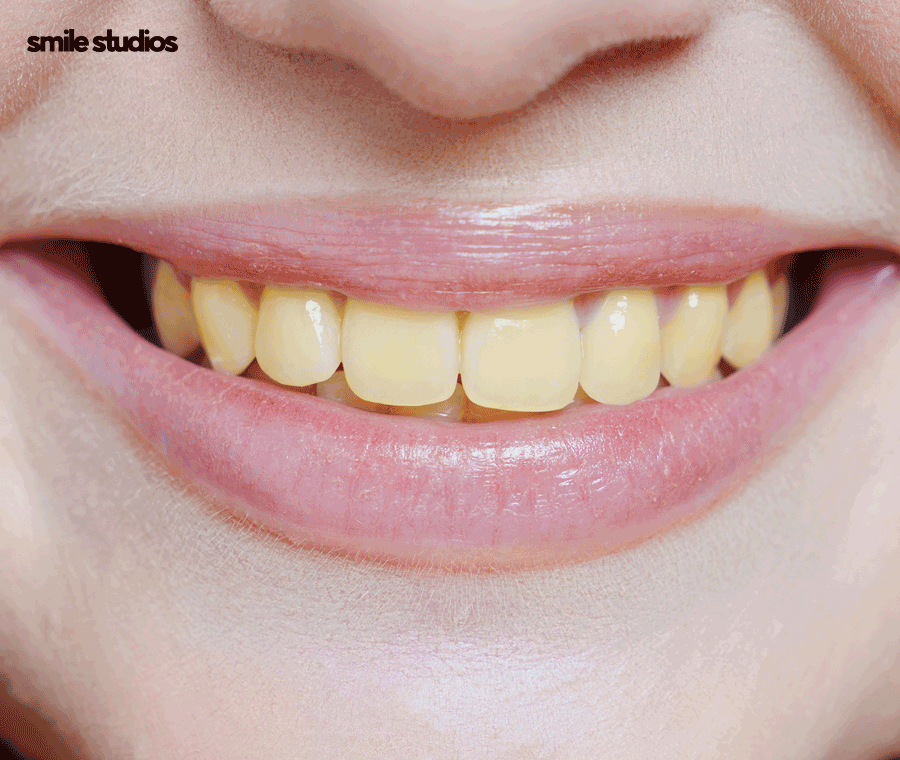
However, the range of procedure options and the adoption of the latest technology may be limited.
That said, choosing a clinic based on price alone is not advisable.
Since it is something you will use for a long time once it is done, the clinician’s skill and follow-up care should be more important criteria.
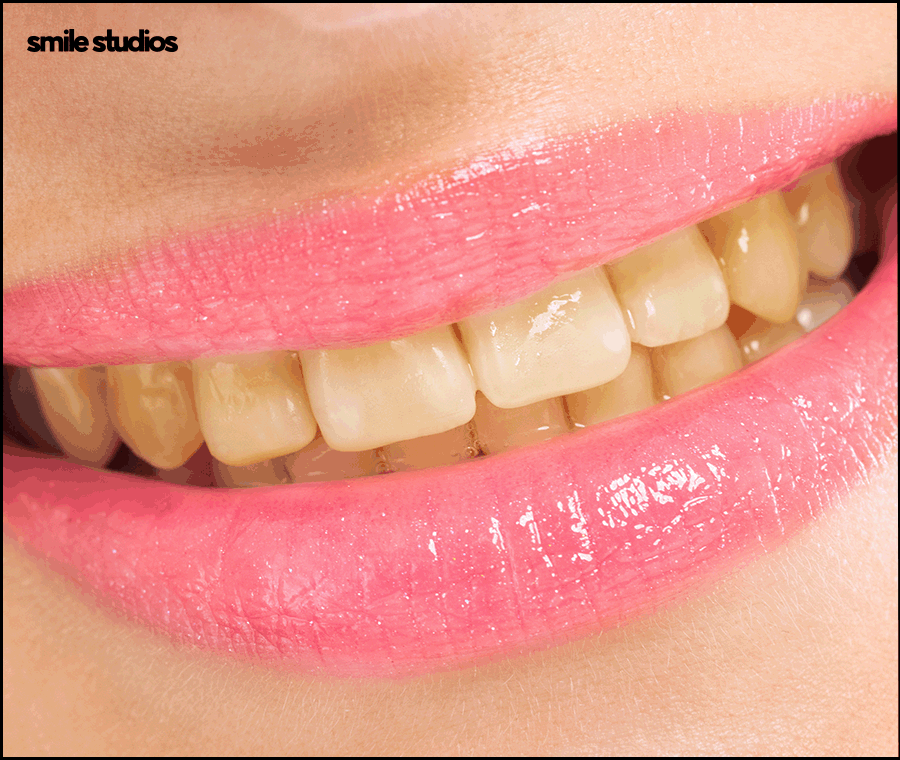
So it is a good idea to get consultations from several clinics and compare each one’s features, advantages, and drawbacks.
In this case, please also consider the plan, materials used, warranty period, and follow-up care.
Various and Complex Criteria
The factors that determine laminate prices are more varied and complex than you might think.
From the materials to the clinician’s skill, facilities, equipment, and region, everything can have an effect.
So rather than pursuing only the lowest price, it is important to find and receive the right method for your current tooth condition.
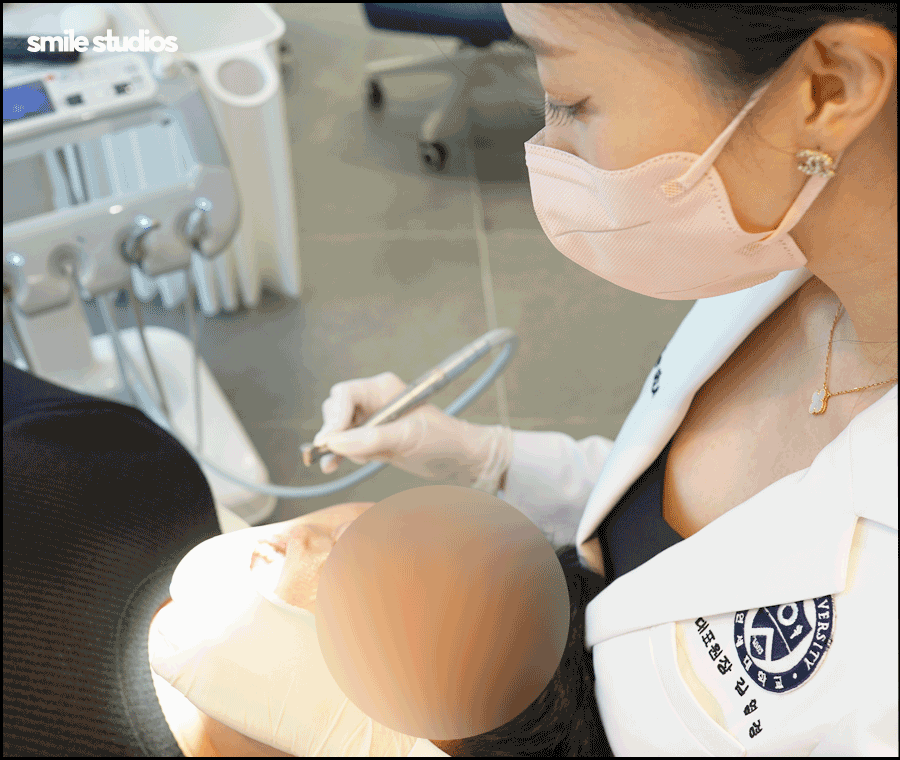
Please make a wise choice through a detailed consultation.