
I think many people who are considering orthodontic treatment have looked into Invisalign.
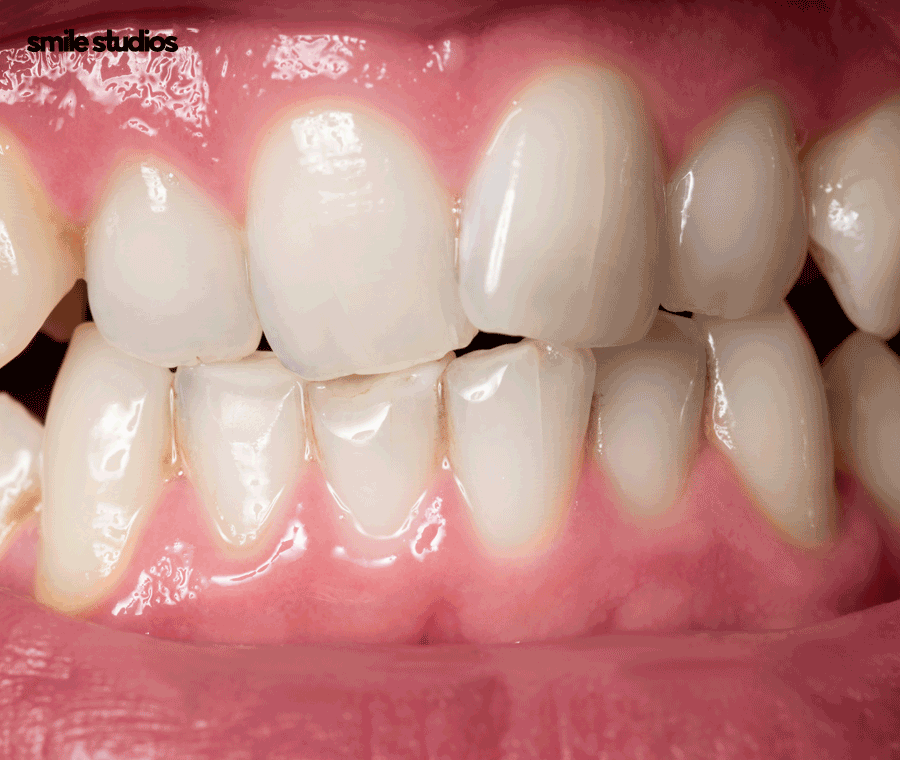
Because it is transparent and aesthetically pleasing, it is one of the appliances that many people are interested in.
Still, there are side effects that you should definitely know about before the procedure.
This time, I’d like to tell you about the realistic pros and cons, along with the possible side effects of Invisalign.
The Pros and Cons of Invisalign
- Pros
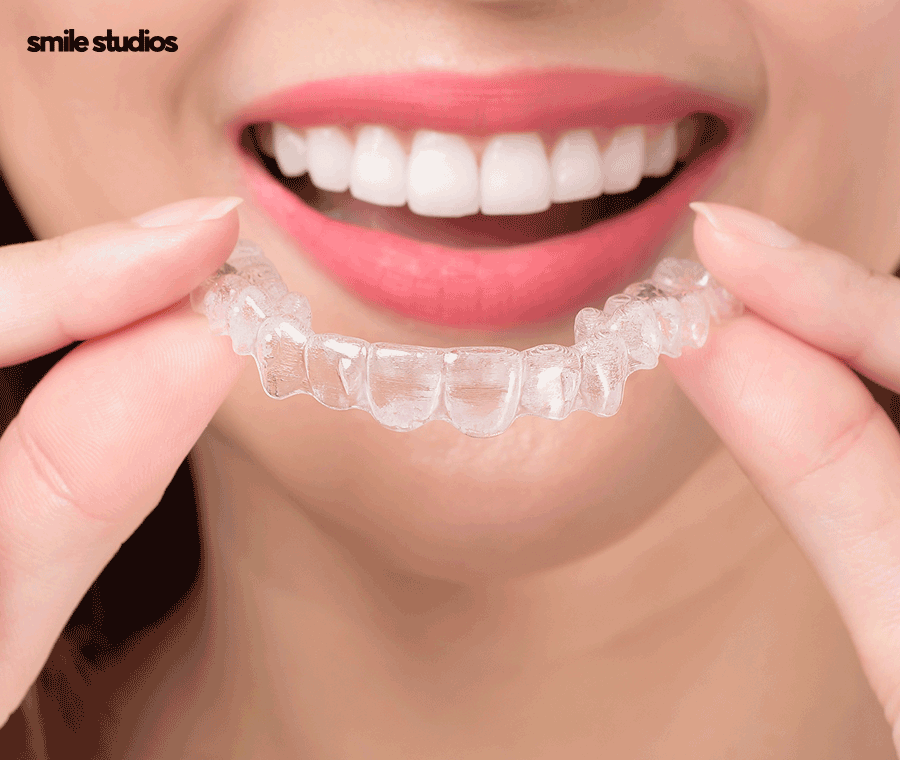
First, because it is made of a transparent material, the orthodontic appliance is not very noticeable in daily life.
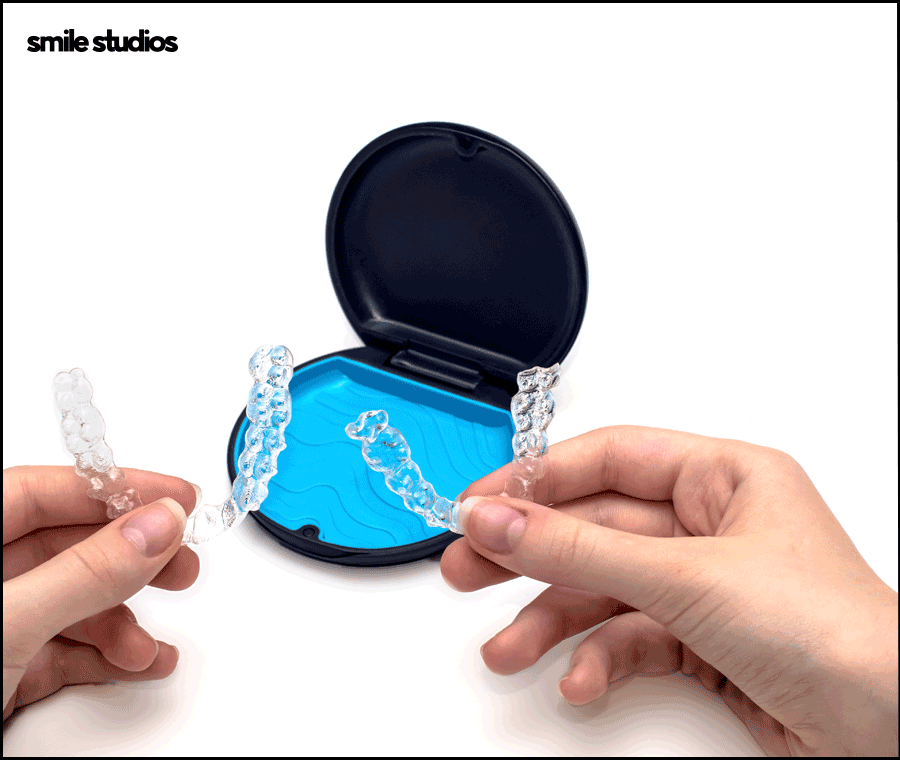
As a result, you can show yourself confidently without losing confidence even at important appointments or gatherings.
It can also be removed when eating or brushing your teeth, making oral hygiene management easier.
By maintaining care as usual, it may also help prevent conditions such as cavities and inflammation.
In addition, there are several advantages such as less pain, fewer visits to the clinic, and the ability to preview the before-and-after results.
- Cons
Although there are many advantages, there are also disadvantages.
You must wear the appliance for at least 20 to 22 hours a day, and the treatment period may become longer depending on how well you cooperate.
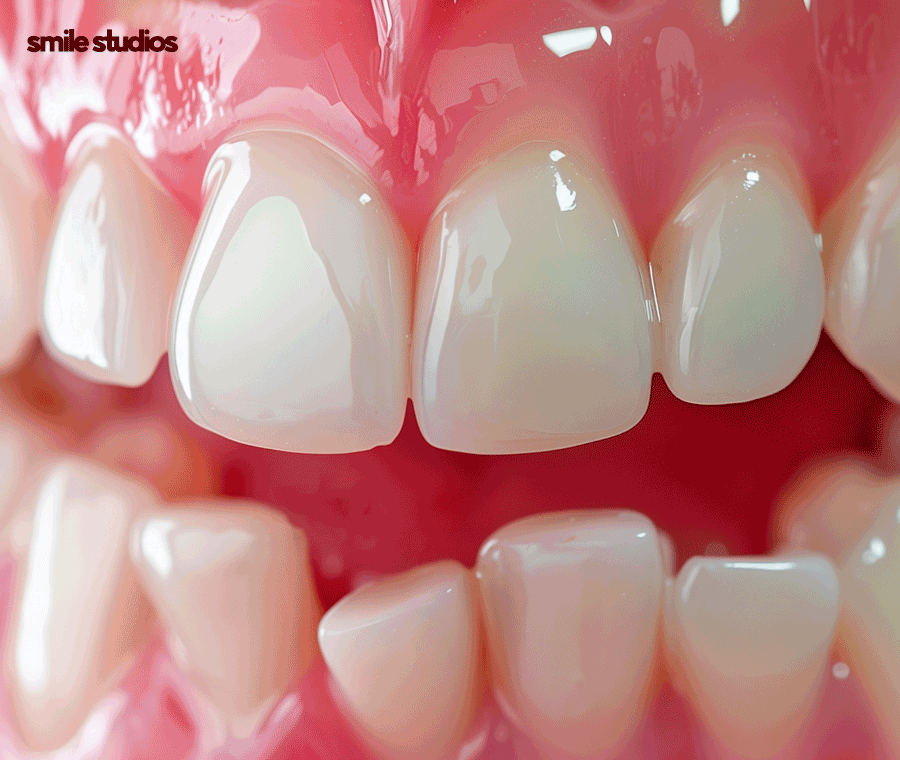
In cases of severe malocclusion or when complex tooth movement is needed, it may be difficult to apply.
In particular, because the force for rotating teeth is relatively weak, there are limitations when correcting permanent teeth rotated more than 90 degrees.
It may also be more expensive than traditional bracket-based methods.
So, it is important to understand these disadvantages as fully as possible before deciding on a treatment method.
The Realistic Side Effects of Invisalign
Many people look into Invisalign because of its various advantages.
However, since side effects can also occur, it is recommended that you learn about it carefully.
The most common issues are the initial adjustment period and discomfort from the gums and teeth.
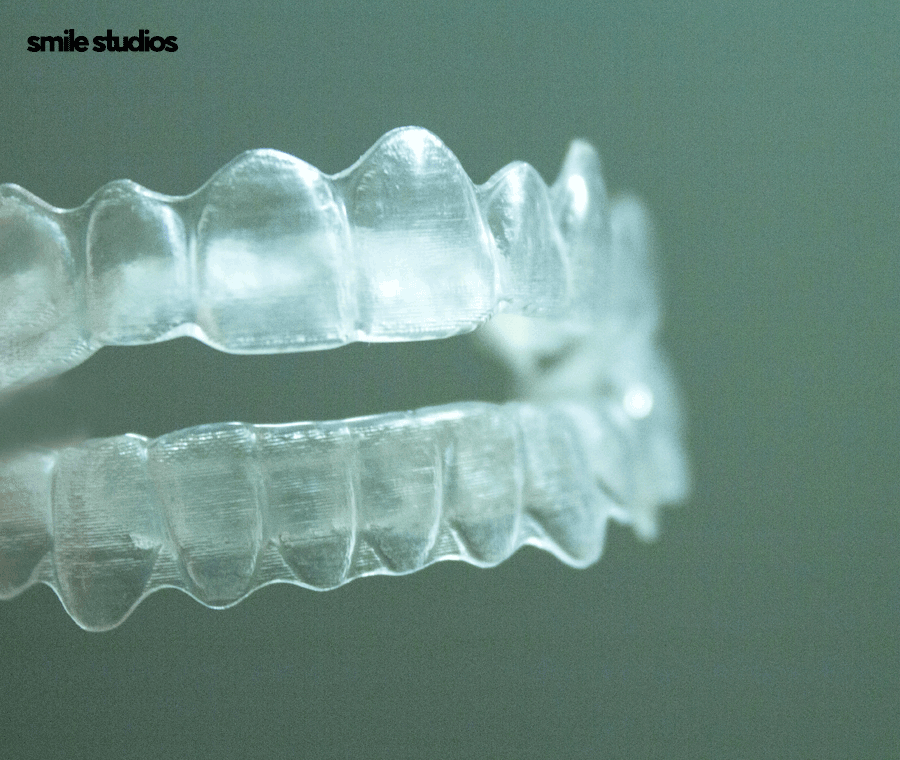
Each time you wear a new appliance, pressure is applied to the teeth, and you may feel discomfort for 3 to 7 days.
Increased sensitivity is also known as one of the side effects.
Sensitivity to cold water or hot food may increase, which can place restrictions on eating habits.
Other issues include inflammation inside the mouth and bad breath, and in rare cases, hypersensitivity to the appliance material may also occur.
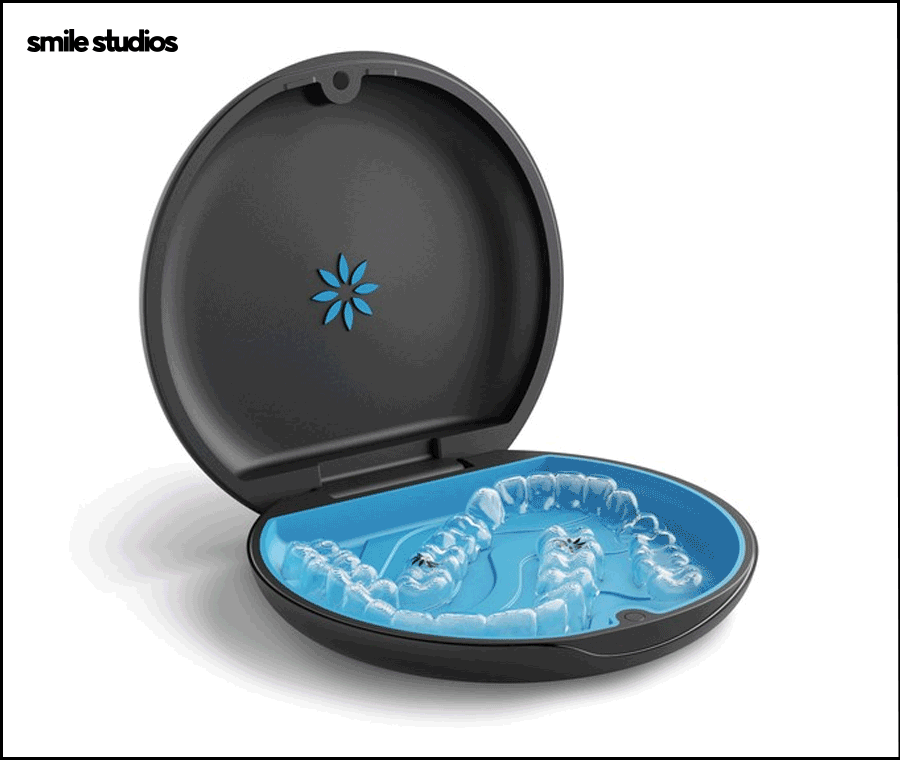
So if you experience discomfort after wearing it, it is important to consult the medical staff right away and look for the appropriate solution.
How to Prevent and Manage Side Effects
Then you may wonder how to prevent these problems.
At times like this, proper wear and care are especially important.
You should strictly follow the recommended wearing time and make sure to clean your mouth before wearing it after meals.
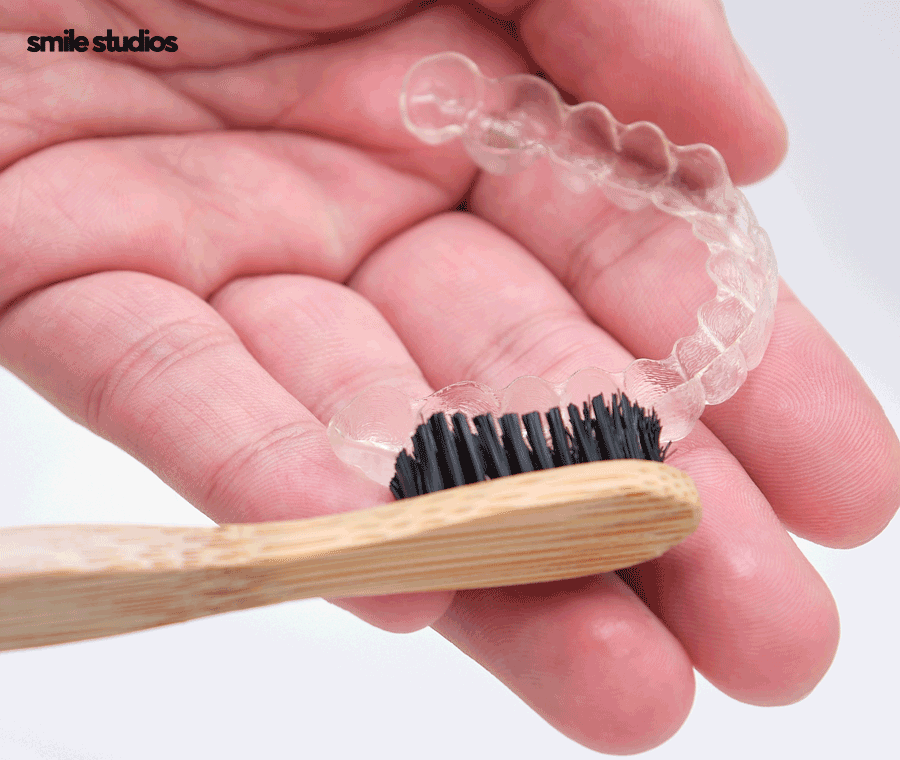
The appliance should also be cleaned carefully. Please clean it regularly with lukewarm water and a soft toothbrush.
Hot water should be avoided because it may deform the appliance.
Regular checkups are also essential.
You should visit the clinic every 4 to 6 weeks to check progress and receive adjustments if needed.
Things to Consider Before Choosing
Before choosing Invisalign, you should comprehensively consider your individual dental condition and lifestyle pattern.
It is effective for improving tooth alignment and malocclusion, but if a complex process is required, another option may be more suitable.
Cost-effectiveness is also something that should be carefully reviewed.
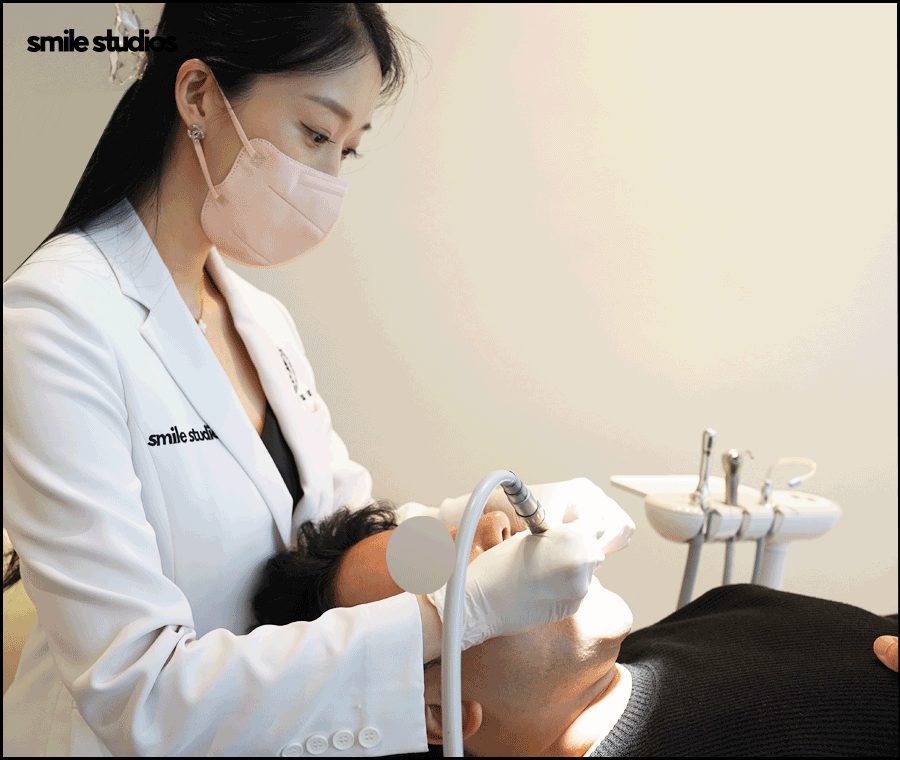
Because it is relatively expensive compared with general methods, it is important to look into this carefully.
Above all, since it can be removed and reinserted at will, you should remember that self-management ability is important.
It Is Not a Perfect Answer.
This appliance is certainly a method with attractive advantages.
However, it is not a solution that can be applied to everyone.
So, please fully understand the issues that may arise during treatment and choose according to your own situation.

If you start with the method that suits you through consultation with the medical staff, the result will be sufficiently successful.