As interest in cosmetic dentistry has grown, more people are looking for a fast and effective solution.
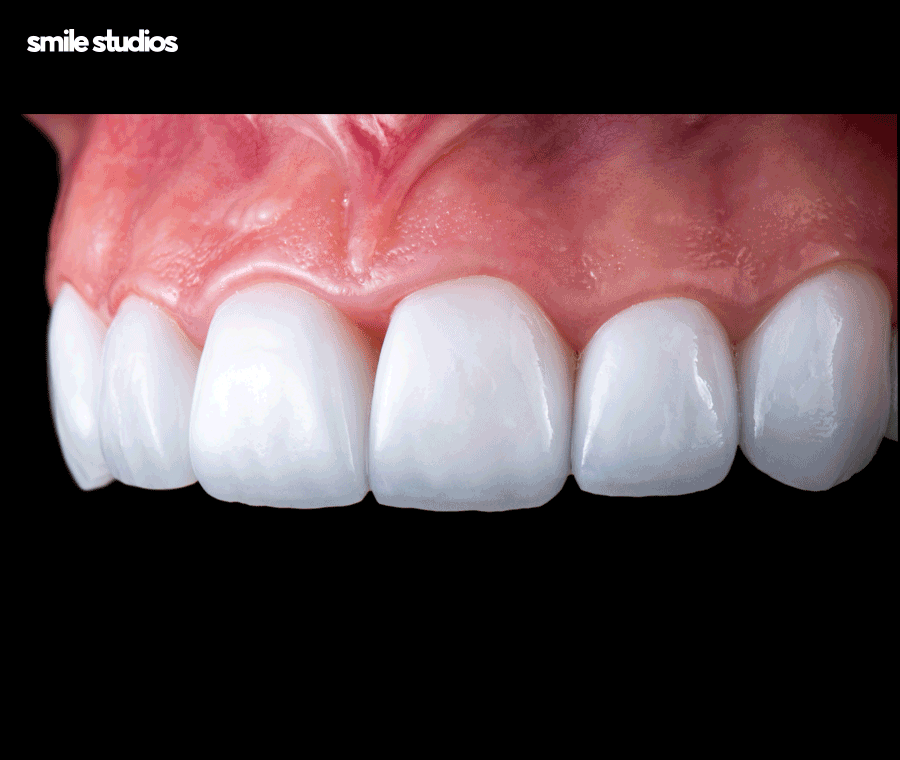
In particular, seeing celebrities with white teeth may make you think that you want teeth like that too.
One method that can help satisfy that desire is no-prep veneers.
However, many people only have a vague expectation and lack accurate information.
So Dr. Kim Young-kyung will explain the details of no-prep veneers, so please pay close attention.
What Are No-Prep Veneers?
As the name suggests, this is a procedure performed without removing tooth structure.
Normally, about 0.5 to 0.7 mm of the surface would be shaved down, but in this case, a thin restoration of about 0.1 mm is bonded without that step.
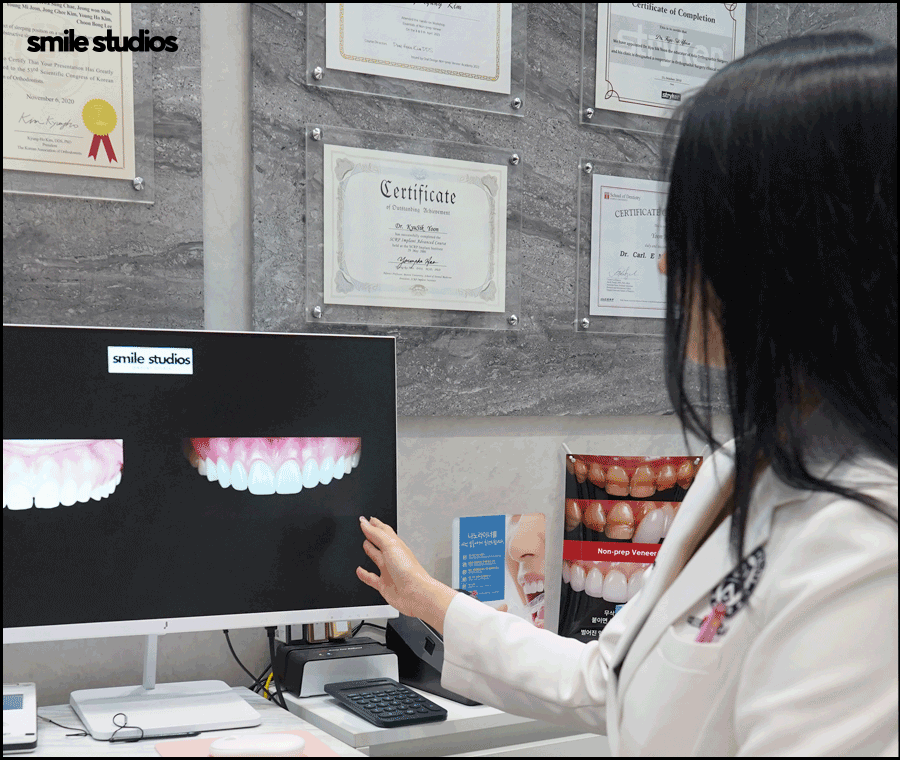
The key point emphasized by Dr. Kim Young-kyung is achieving aesthetic improvement while preserving the tooth’s natural shape.
Because the tooth is not damaged, there is less risk of problems involving the nerve tissue, and it also has the advantage of reducing sensitivity.
Applicable Cases and Limitations
However, not every patient can receive this treatment.
First, it is suitable for teeth with gaps between the front teeth.
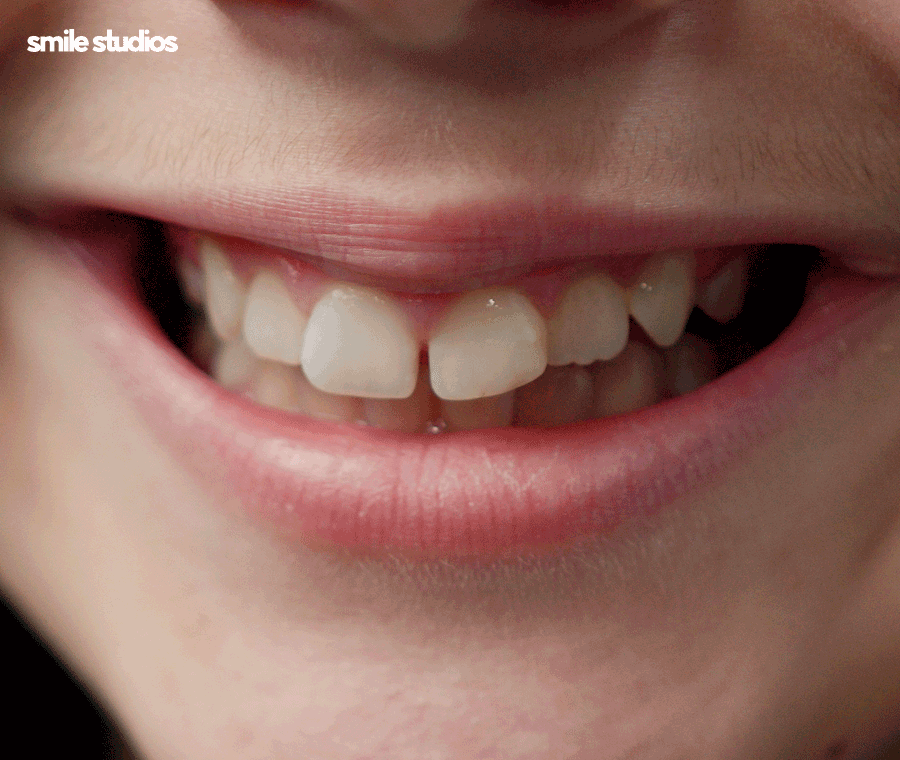
In such cases, the effect can be maximized because the gaps can be filled while creating a natural shape.
It is also effective for small teeth, such as peg-shaped teeth.
That is because the proper size and shape can be created with the restoration without unnecessarily altering the tooth.
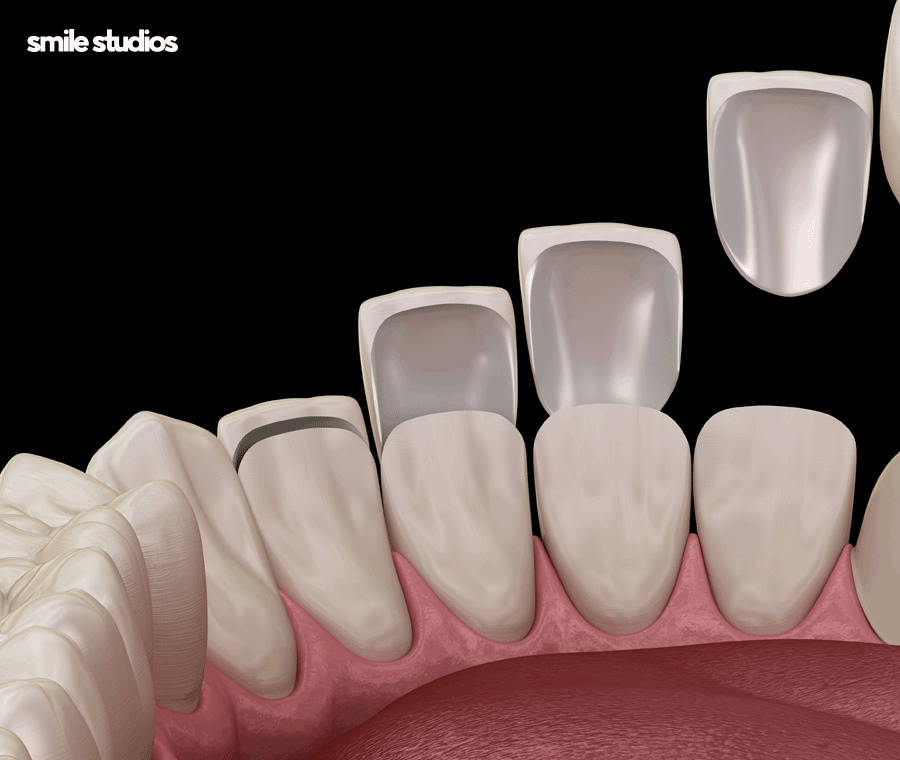
It is also a representative case for improving discoloration, minor wear, and small fractures.
However, it is difficult to apply when the teeth are severely misaligned, have large size differences, or when there is severe protrusion or twisting.
In such situations, it is more advisable to consider another method.
Procedure and Time Required
At the first visit, a detailed examination and consultation are performed, and impressions are taken.
At this stage, only minimal treatment may be done to create slight surface roughness and improve adhesion.
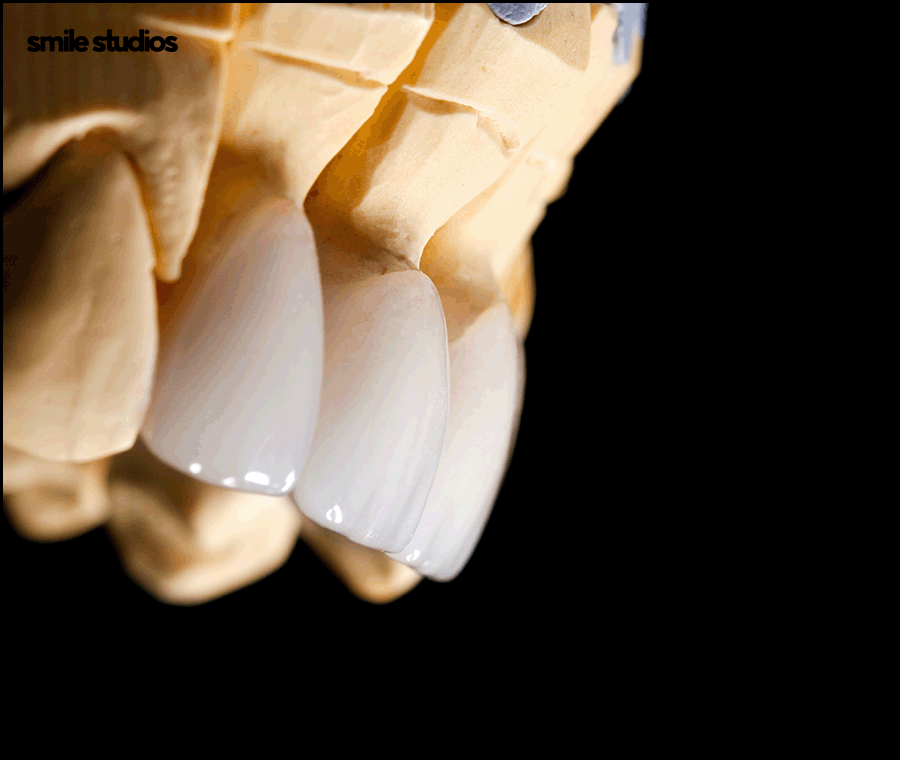
About two weeks later, at the next visit, the fabricated restoration is bonded in place.
Since the overall process is usually completed in about 2 to 3 visits, it is also a relatively 부담이 적은 method.
Dr. Kim Young-kyung made it clear that although the procedure time is short, precise technique and a delicate bonding process are even more important.
Analysis of the Pros and Cons
The advantage of this procedure lies in preserving the teeth.
It is highly preferred because it can achieve aesthetic improvement while causing little to no damage to the natural teeth.
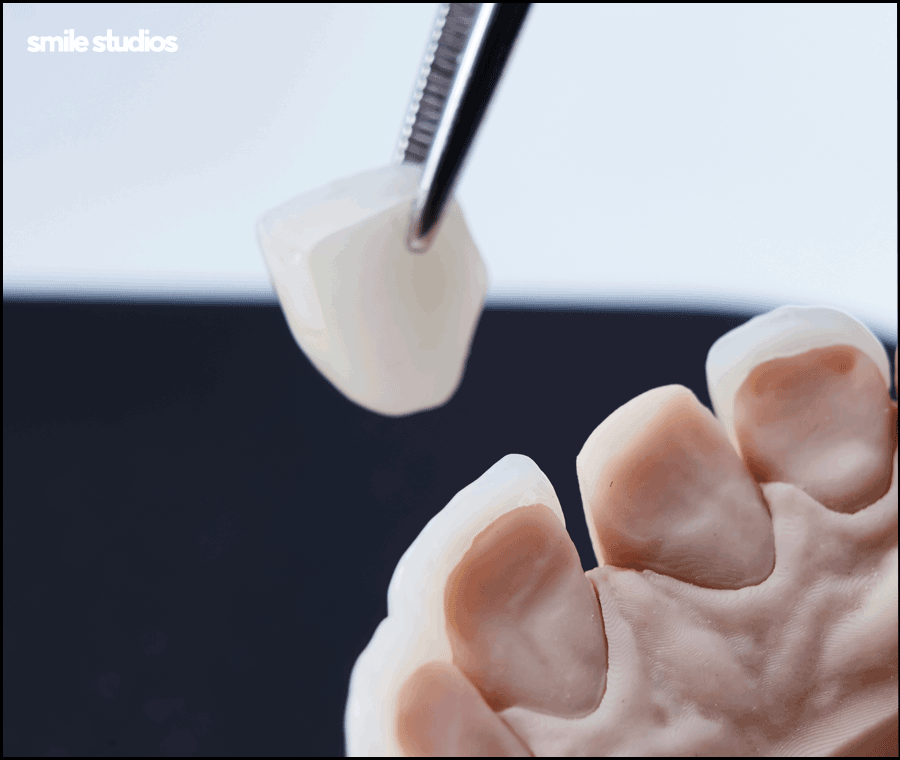
Many people find it especially appealing because there is less pain or sensitivity after the procedure.
The issue is that since the restoration is bonded without tooth reduction, the natural tooth may feel slightly thicker.
Also, because the bond can be relatively easier to separate than before, more precise technique is required.
Another factor to consider is that the range of applicable cases is limited.
Aftercare and Precautions
For 48 hours after no-prep veneers, it is important to avoid foods and drinks with strong pigments.

Please avoid coffee, wine, curry, and similar items until the adhesive has fully cured.
It is also recommended to avoid hard or sticky foods.
Oral hygiene must be managed even more carefully, because poor oral health can create gaps and cause the restoration to come loose.
Realistic Advice on Lifespan
Generally, the lifespan can be estimated at around 5 to 10 years depending on how well it is maintained.
However, this can vary depending on the patient’s oral hygiene, eating habits, and tooth-use habits.
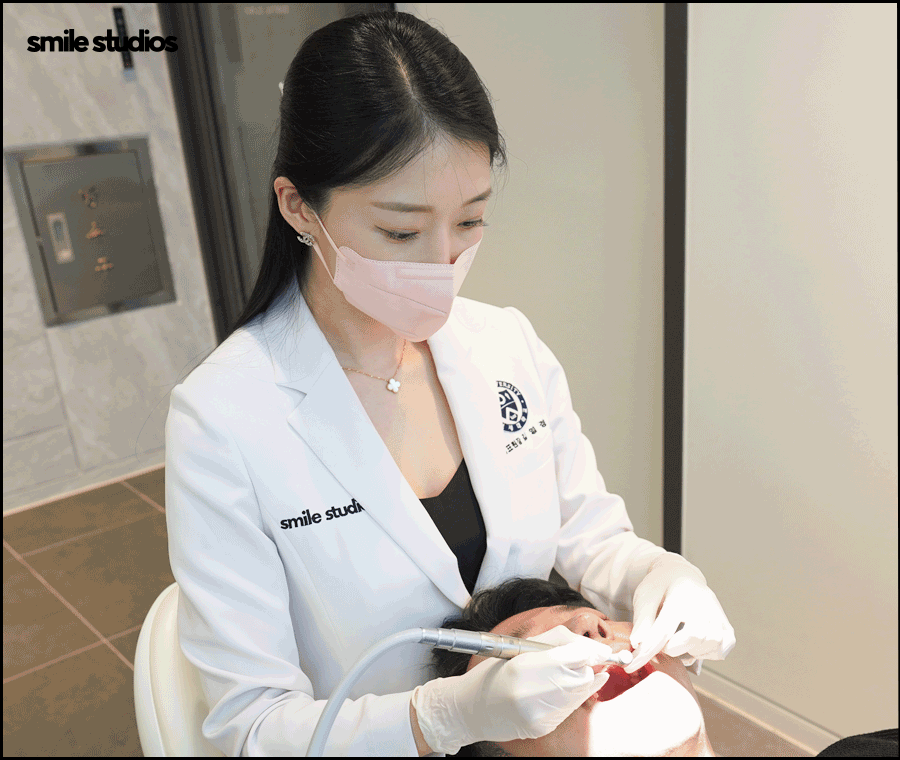
So, to use it for a long time, regular care as well as checkups are important.
Rather than deciding based only on cost, it is important to choose while considering your tooth condition and expected results.
I hope the veneer information shared today by Dr. Kim Young-kyung was helpful.
We will come back next time with more helpful content for you.