As people reach middle age, many find themselves paying more attention to the condition of their teeth.
Unaddressed misaligned natural teeth or newly developed issues with dental alignment can become sources of concern.
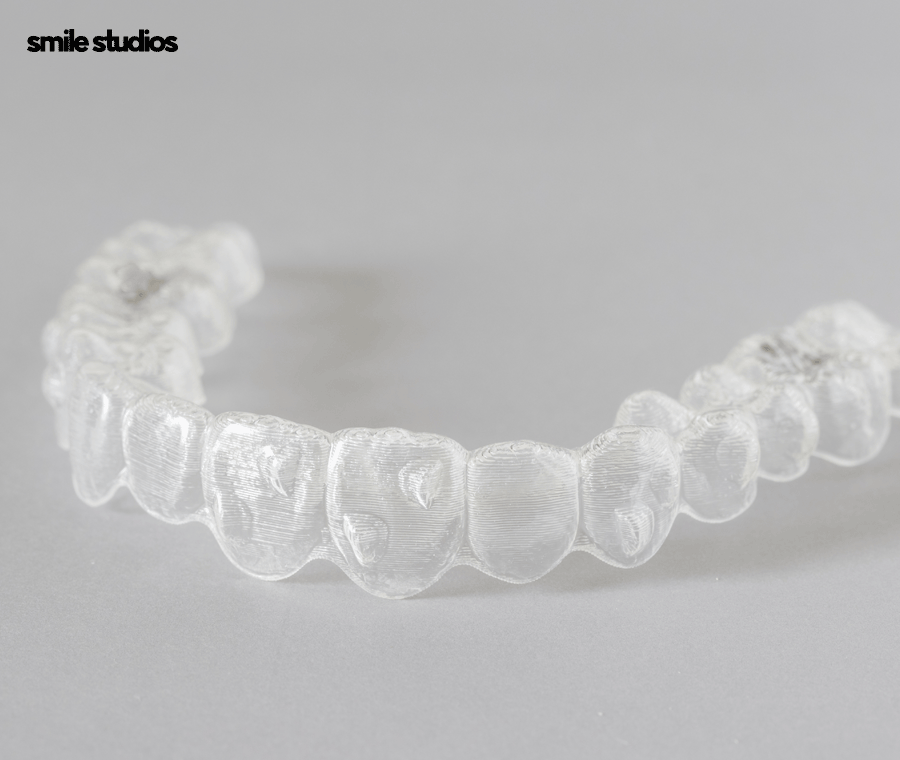
For that reason, many hesitate and worry about whether it is okay to undergo orthodontic treatment at this age.
To start with the conclusion, midlife orthodontic treatment is fully possible and can be a meaningful choice.
However, it requires a different approach from that used at a younger age, and thorough preparation and examination before starting are important.
Changes in Middle Age and the Need for Orthodontics
As we age, various changes can appear even in permanent teeth.
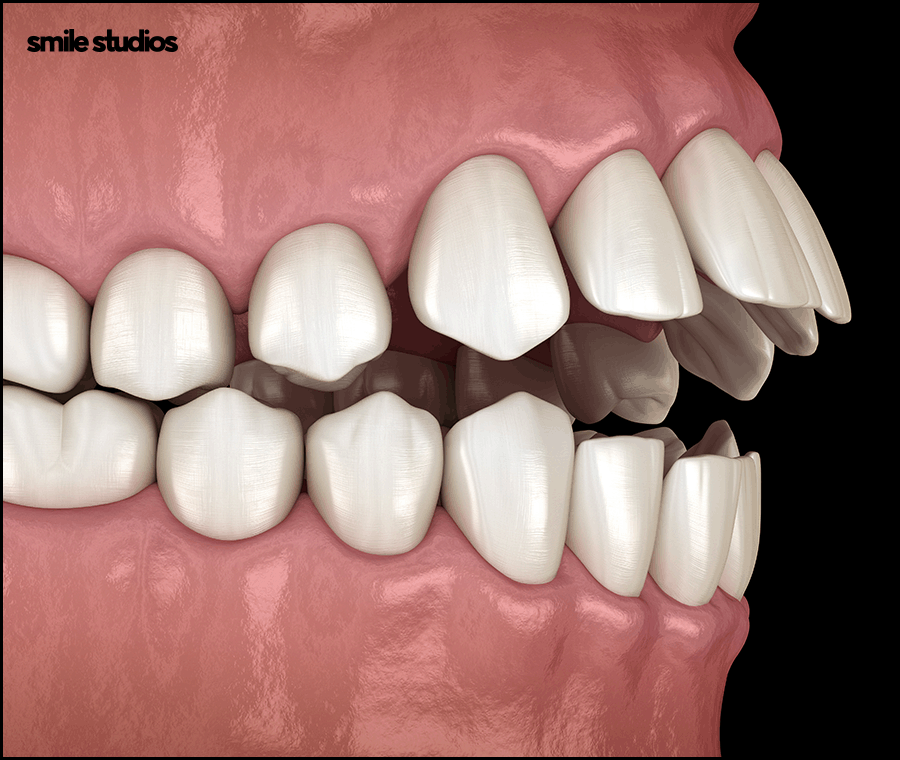
A common phenomenon is gaps forming between the front teeth or the teeth protruding forward.
This happens because the jawbone gradually resorbs and the force supporting the permanent teeth weakens.
In addition, long-term malocclusion can place excessive force on certain permanent teeth, accelerating wear and movement.
In such situations, treatment may be necessary not only for cosmetic improvement but also for maintaining oral health.
Given the current longer average lifespan, it can also be a good choice as an investment in living the rest of your life in good health.
How Long Does Treatment Take?
One of the most common questions is how long it takes.
At this age, bone metabolism is slower than in younger people, so tooth movement is relatively slower.
However, in most cases, improvement can still be achieved sufficiently even on a partial basis.
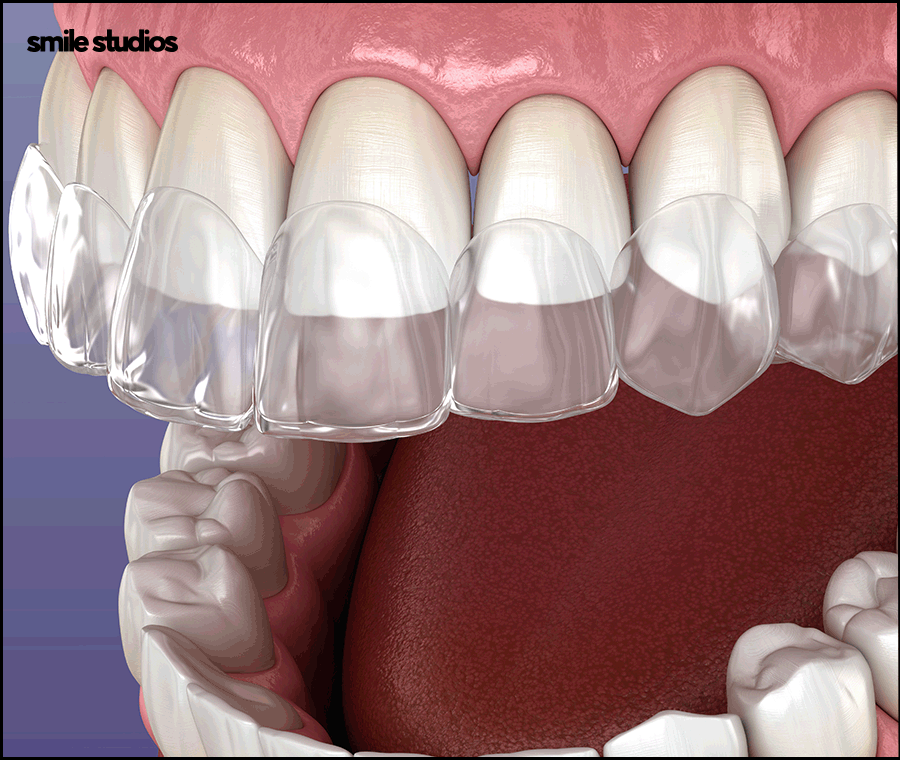
Usually, noticeable changes can be experienced in about 6 months to 1 year.
Even when overall changes are needed, it is generally around 2 years, so the difference from younger ages is not very large.
What is important here is that the plan will vary depending on each person’s dental and gum health.
If there is periodontal disease or a similar condition, an approach suited to that situation is necessary.
Essential Checks Before Starting
If you have decided on midlife orthodontic treatment, there are points worth checking before you begin.
- Health Check
Chronic conditions such as osteoporosis, diabetes, and arthritis can affect the procedure.
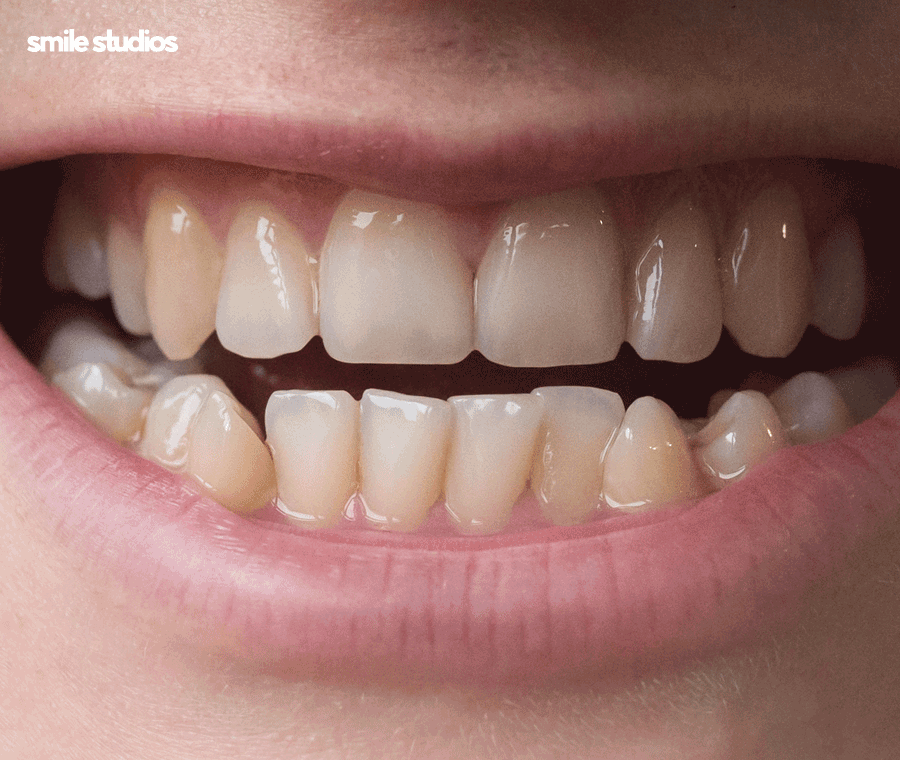
If you are taking medication to treat such conditions, the process may be slower, and in some cases the plan may need to be adjusted.
People with diabetes may also have periodontal disease, so even more careful management is needed.
- Check the Condition Inside the Mouth
If you have cavities, all treatment should be completed before wearing orthodontic appliances.
This is because after the appliance is attached, hygiene management may become more difficult than usual, which can worsen cavities.
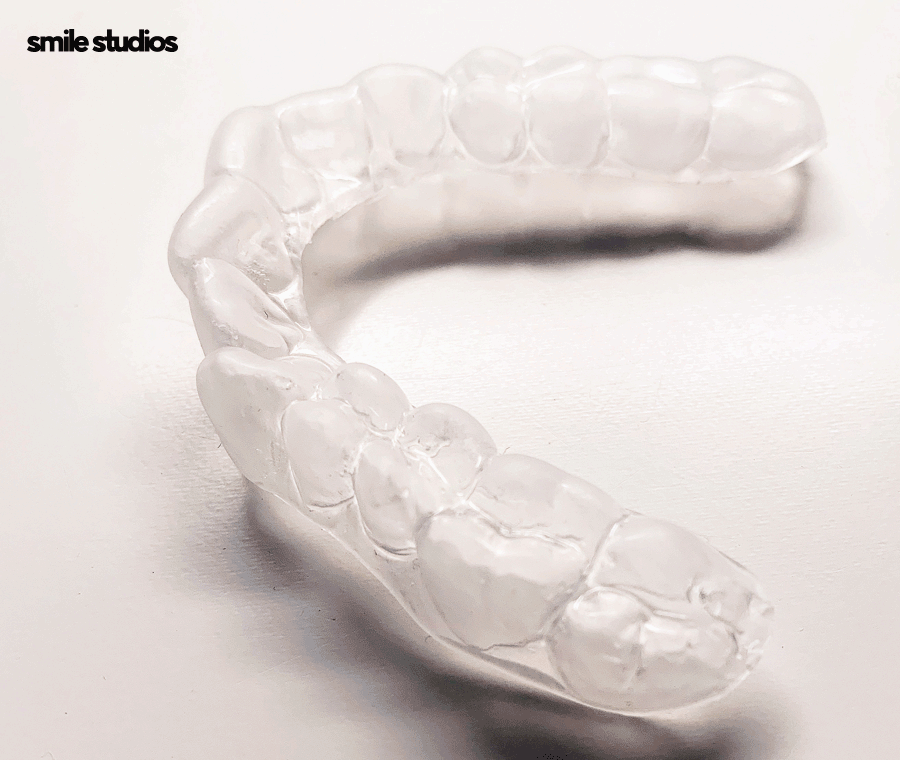
And if there is periodontal disease, the related treatment should also be done first.
If the procedure is carried out while the gums are unhealthy, natural teeth may become loose or gum recession may accelerate.
Important Points When Choosing a Dental Clinic
Midlife orthodontic treatment involves many considerations that differ from those for younger age groups, so choosing the right clinic is especially important.
The first thing to check is the competence of the medical staff.
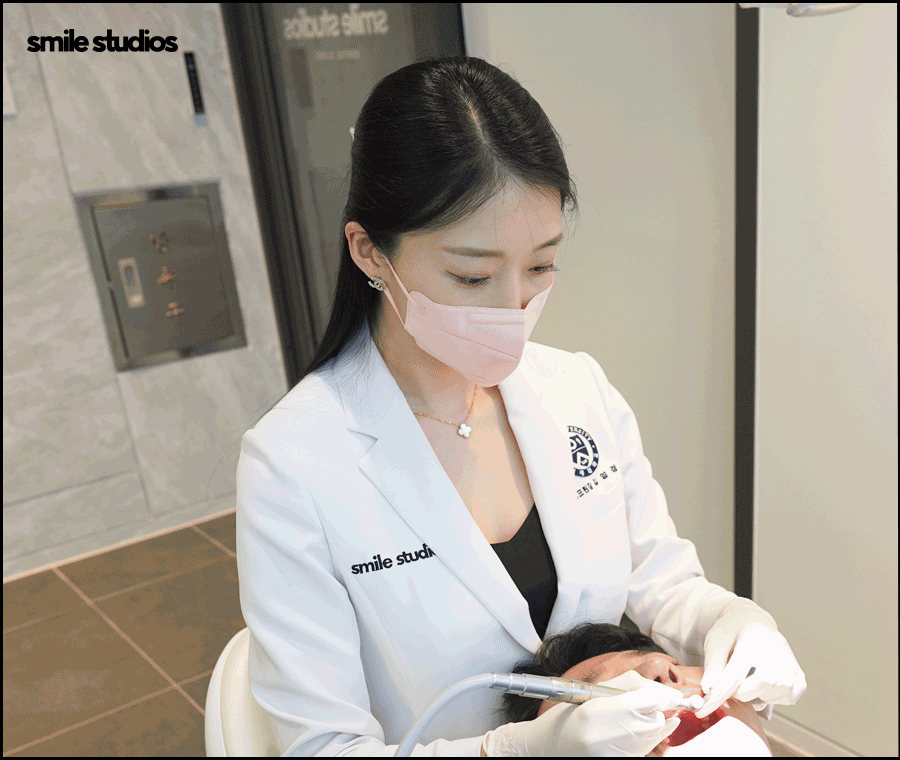
This is because it is important to receive help from professionals who have experience and specialized knowledge in complex and difficult cases.
It is also good to check whether the clinic has precise diagnostic equipment.
The condition of the tooth roots, the density of the alveolar bone, and the state of the temporomandibular joint must all be analyzed in detail.
It is essential to confirm whether various diagnostic tools such as 3D CT, an intraoral scanner, and X-rays are available.
Next, because a different approach is needed from that used for younger age groups, you should determine whether the clinic understands these characteristics well.
Lastly, it is also advisable to look into whether there is a post-treatment maintenance system.
If maintenance is not provided after wearing appliances for a long time, the teeth may return to their previous position.
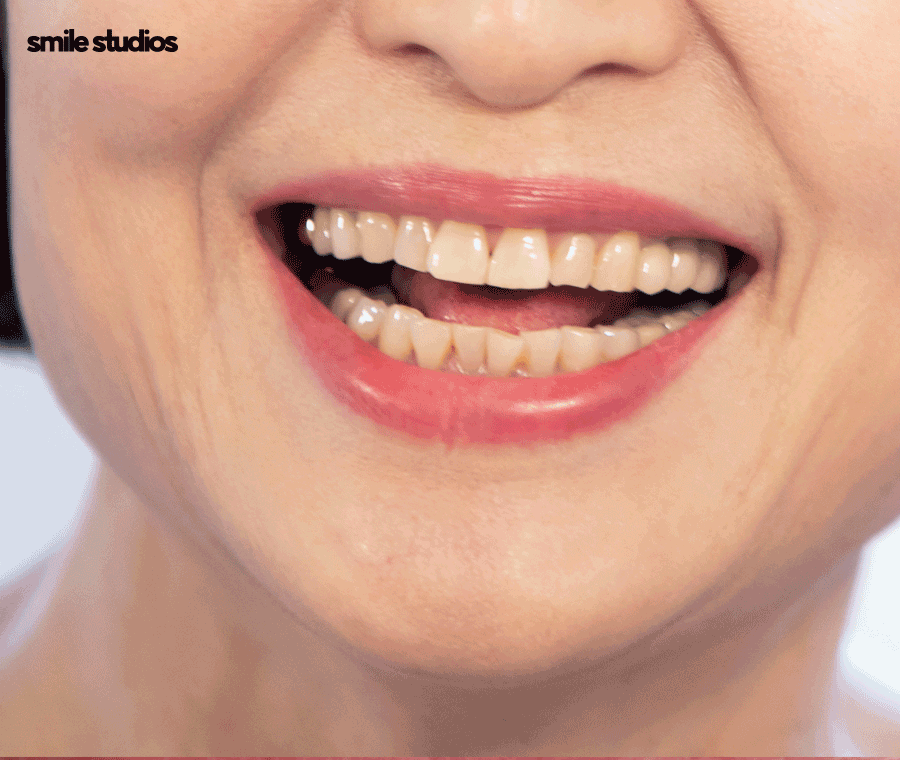
So it is wise to check whether the clinic has a follow-up care system in place.
You may wonder whether it is too late to undergo midlife orthodontic treatment.
It is not too late yet, and it can be a fresh start.
With sufficient preparation and the right choice, I hope you achieve a healthy and beautiful smile.