If you have gaps between your teeth, you may feel self-conscious every time you smile.
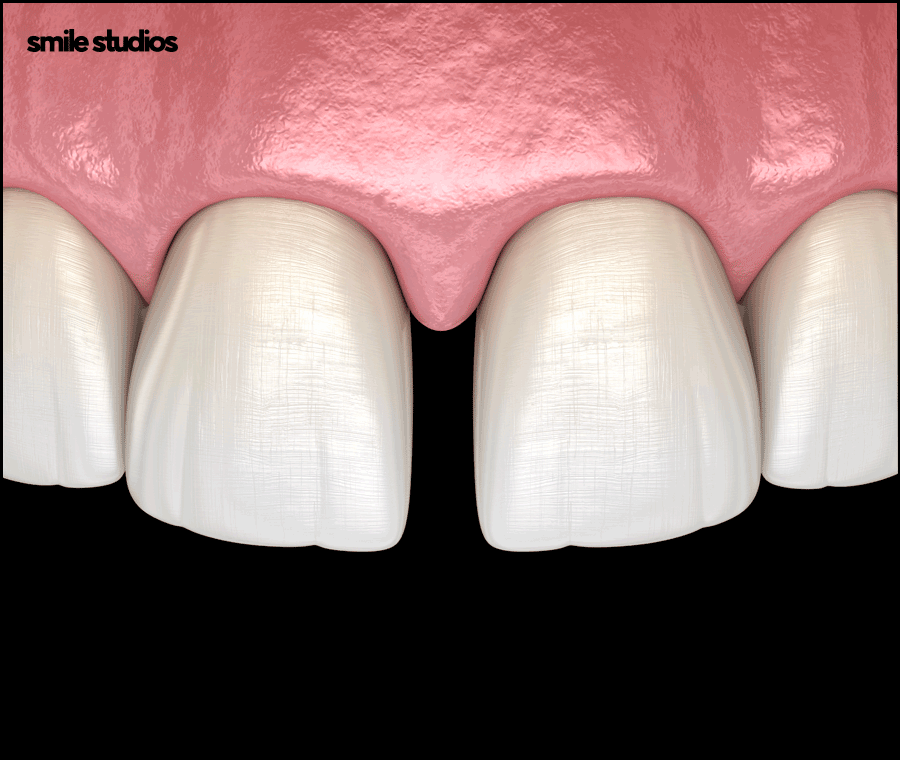
In particular, gaps between the front teeth are one of the main reasons people may lose confidence in their appearance.
Many people are considering various treatment options to address this issue.
Among them, partial orthodontic correction and laminates are considered representative choices.
However, it is not easy to decide which method is more suitable for you.
Each method has its own advantages and disadvantages, and the choice can vary depending on the condition of the teeth and lifestyle.
What Causes Gaps Between Teeth?
Before deciding on a method, it is important to first understand why it occurs and identify the exact cause.
If the teeth are naturally small or the jawbone is large, spaces can naturally form between teeth.
This condition is usually called interdental spacing, and genetic factors are the main cause.
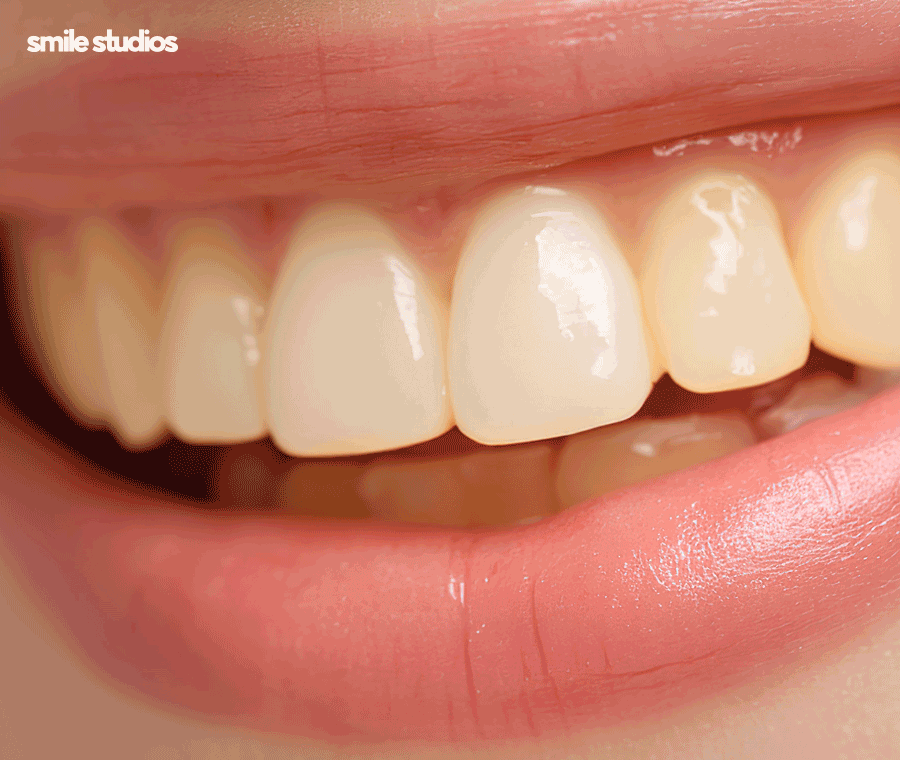
Acquired causes include permanent tooth movement due to periodontal disease, habits, and cosmetic procedures.
Also, as people age, natural teeth can shift and become spaced apart.
Because there are so many possible causes, and the appropriate treatment also differs accordingly, finding the cause through an accurate diagnosis comes first.
In particular, if periodontal disease is the problem, treatment should be performed first.
Advantages and Application Criteria of Partial Orthodontics
One way to improve gaps between teeth is partial orthodontic correction.
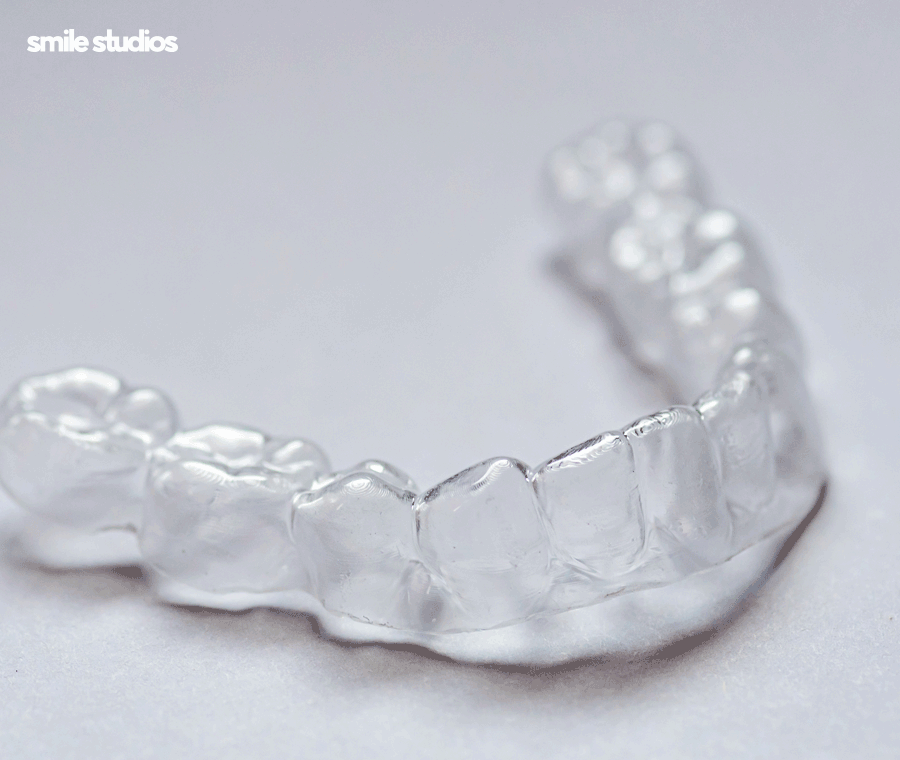
It is effective when the size of the spaced area is within 2 to 3 mm and the overall alignment is in good condition.
The advantage of this process is that it allows for fundamental improvement while preserving the natural teeth.
It can achieve alignment without shaving down or damaging the permanent teeth, making it a safe choice in the long term.
The treatment period is usually about 3 to 6 months, which is shorter than full orthodontic treatment.
It is also relatively less burdensome in terms of cost and can minimize the impact on daily life.
However, there are factors to consider before choosing partial orthodontics.
The roots of the teeth should be healthy, and the gum condition should also be good.
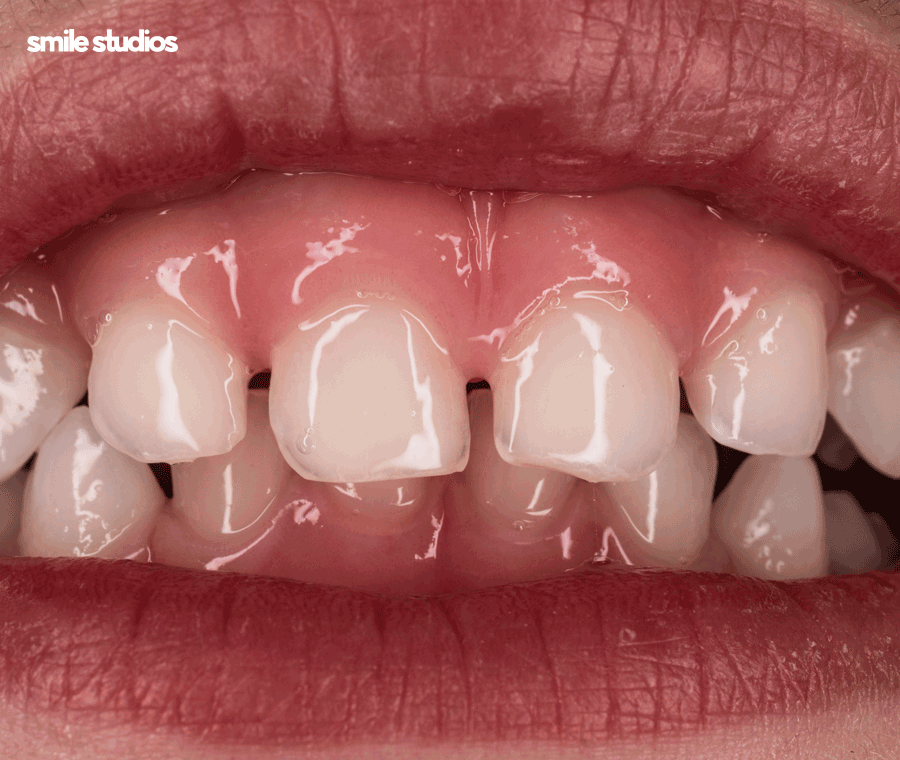
If the gap is too large or there are problems with angle or position, it may be difficult to achieve satisfactory results with this method.
Features and Considerations of Laminates
Another improvement option is laminates, which is one of the methods that can provide an immediate solution.
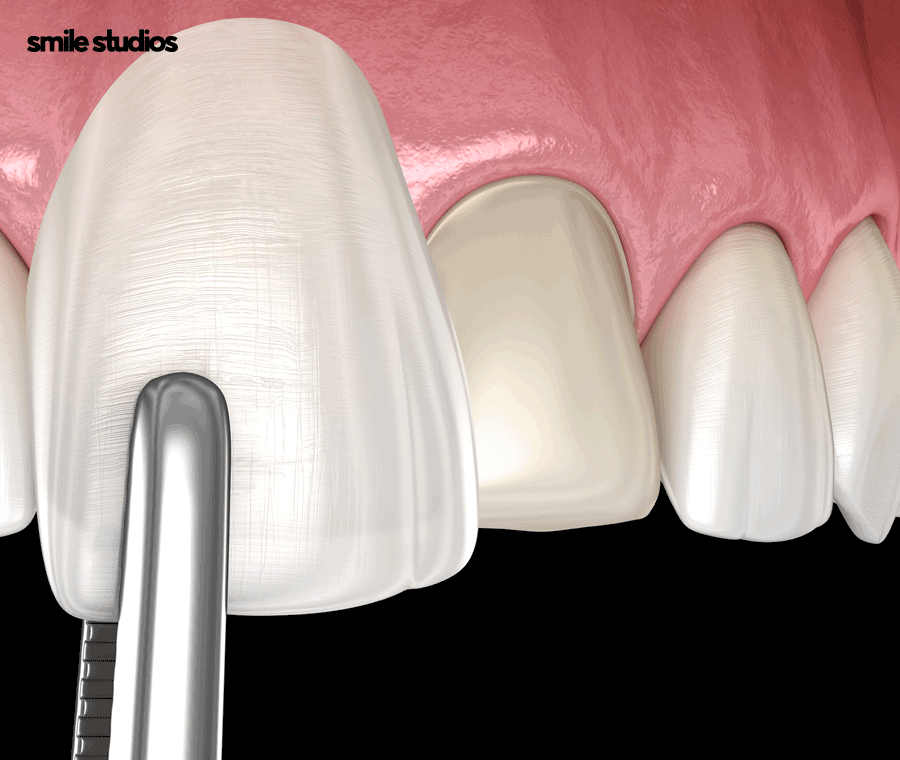
It involves lightly removing the tooth surface and then attaching a thin shell made of ceramic or similar material.
You can experience dramatic changes in a short period of time.
The advantage of this procedure is its short treatment period, and it is usually completed in 2 to 3 visits.
It is also effective in improving both color and shape at the same time, enhancing overall aesthetics.
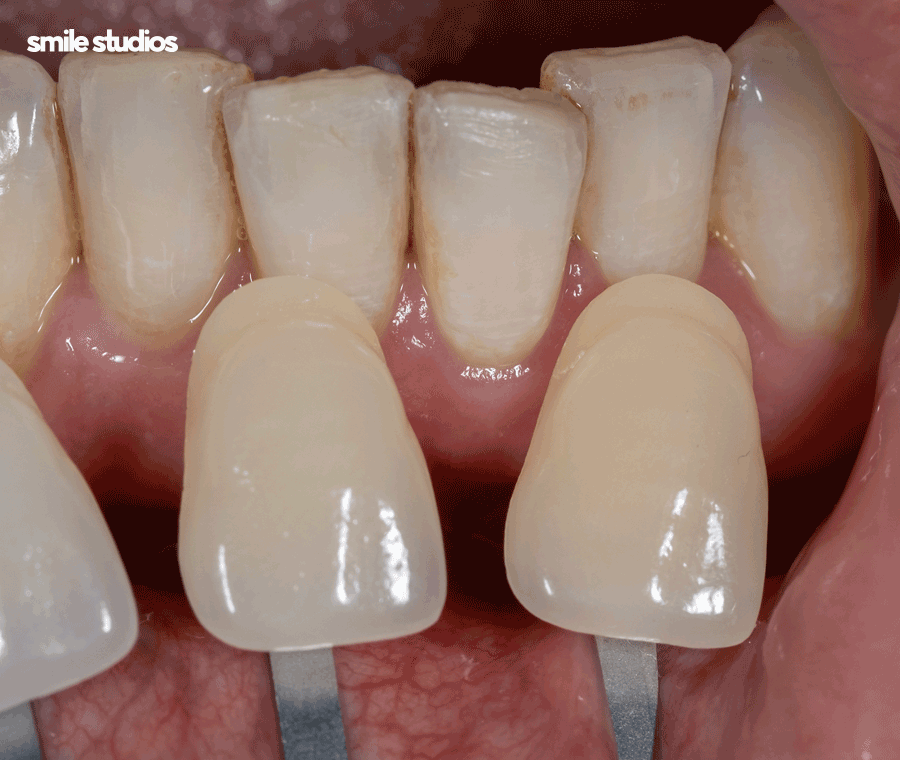
It is also highly durable and can last for more than 10 years with proper care.
However, part of the natural tooth may need to be removed, and once done, it cannot be reversed.
The results can also vary greatly depending on the experience and skill of the medical staff.
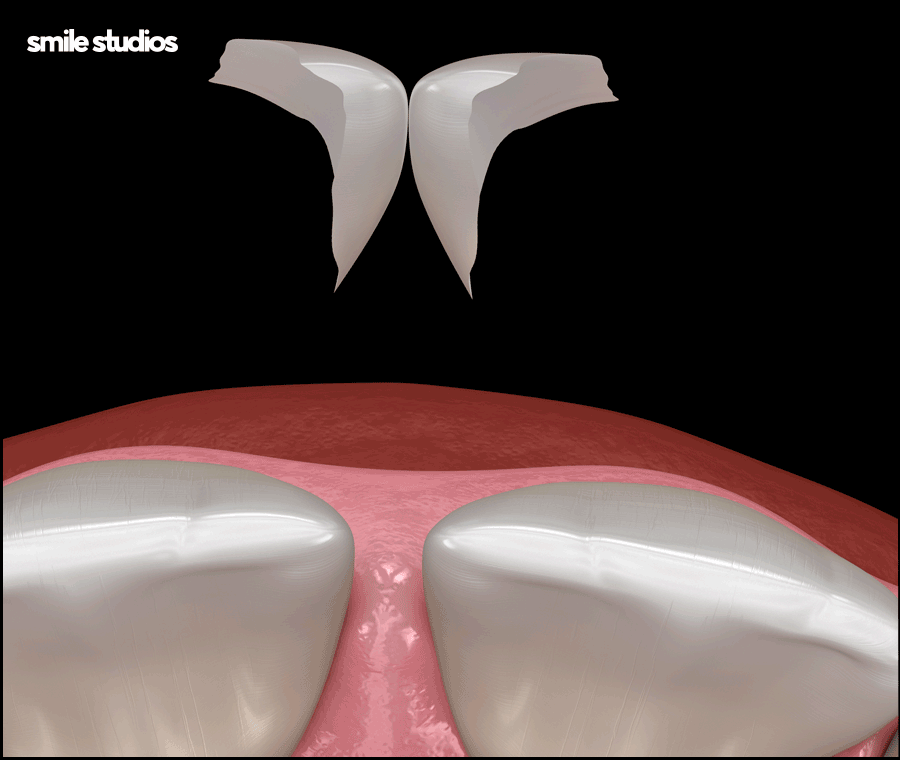
In particular, the amount of tooth reduction and the bonding strength are important factors in determining success, so it is important to receive treatment from a place with sufficient experience.
Personalized Selection Guidelines
There are several criteria for choosing how to improve gaps between teeth.
First is age: for younger people in their 20s or younger, partial orthodontics may be a good option.
This is because permanent teeth and gums are healthy, and recovery ability is also good, providing favorable conditions for orthodontic treatment.
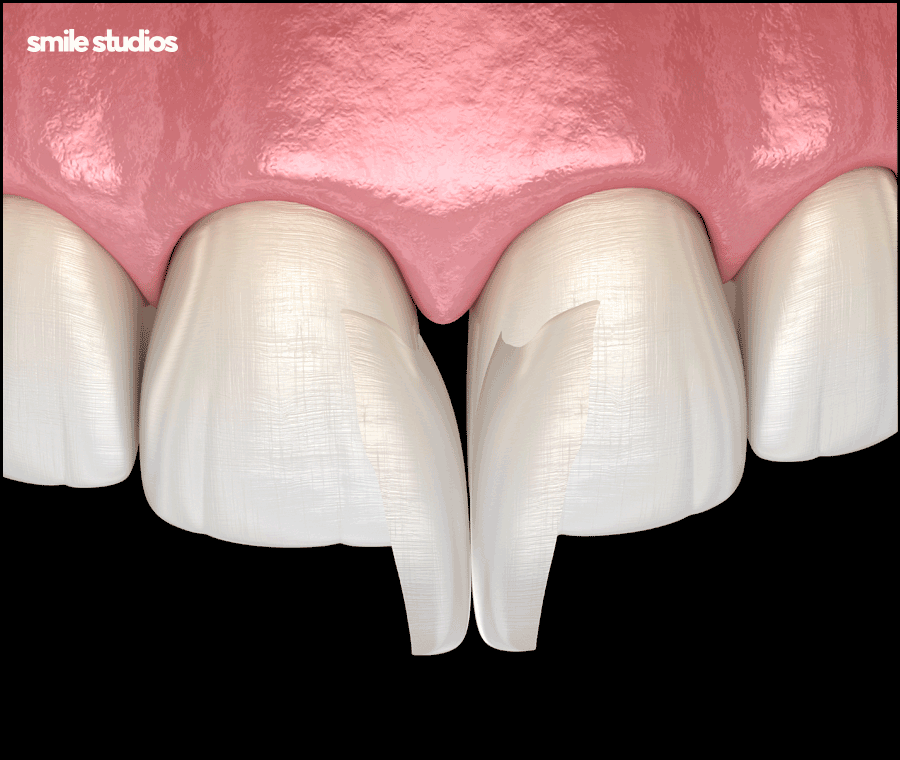
The size of the gap is also important: if it is a small gap of 1 to 2 mm, resin or laminates may be enough to improve it.
However, if the space is large, 3 mm or more, orthodontic treatment may provide a more natural result.
The overall condition of the teeth should also be considered.
If you are dissatisfied with the color or shape of your natural teeth, it may be better to improve them all at once with laminates.
However, if the teeth themselves are healthy and their shape is fine, choosing orthodontic treatment is preferable.
Post-Treatment Care and Preventing Recurrence
No matter which method you choose, aftercare is very important.
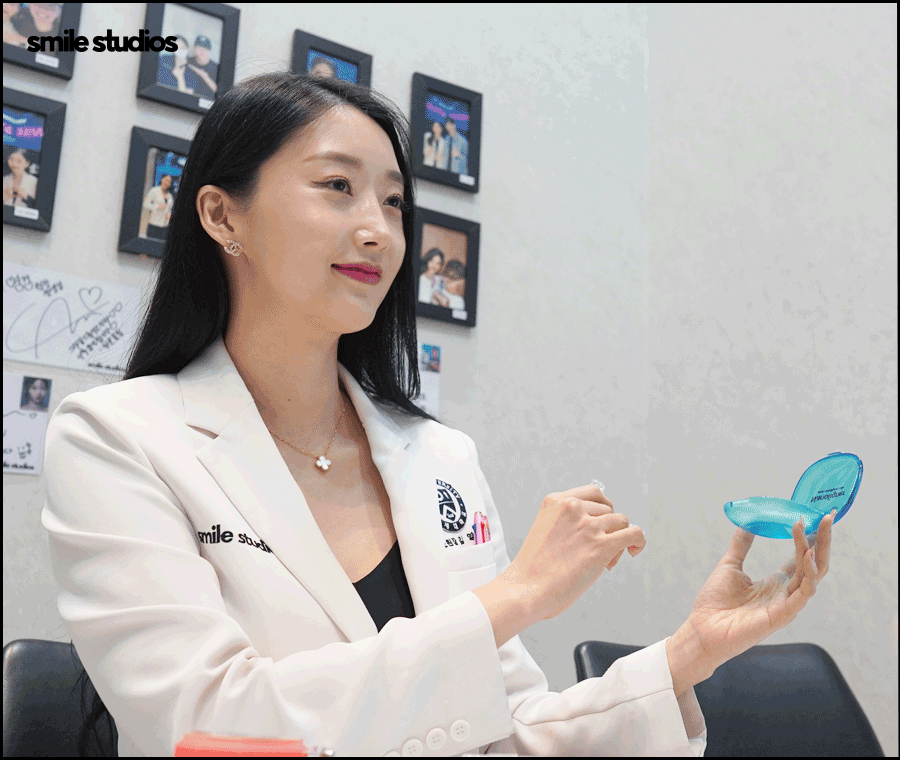
In the case of orthodontic treatment, you must wear a retainer and monitor tooth movement through regular checkups.
For laminates, it is good to avoid hard or chewy foods, and if you have habits such as teeth grinding, it is also advisable to address them.
Above all, removing the underlying cause is the key to preventing recurrence.
Only by identifying the cause and providing the appropriate improvement can a healthy oral condition be maintained.