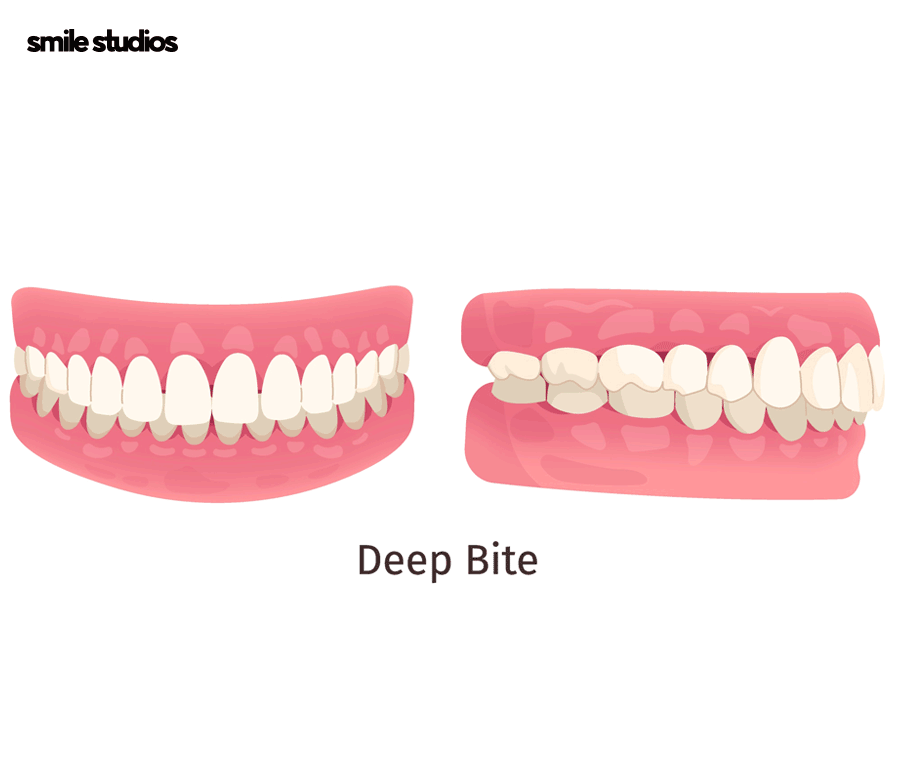
A problem in which the upper teeth excessively cover the lower teeth is called an overbite.
Normally, the upper teeth cover the lower teeth by about 2–3 mm.
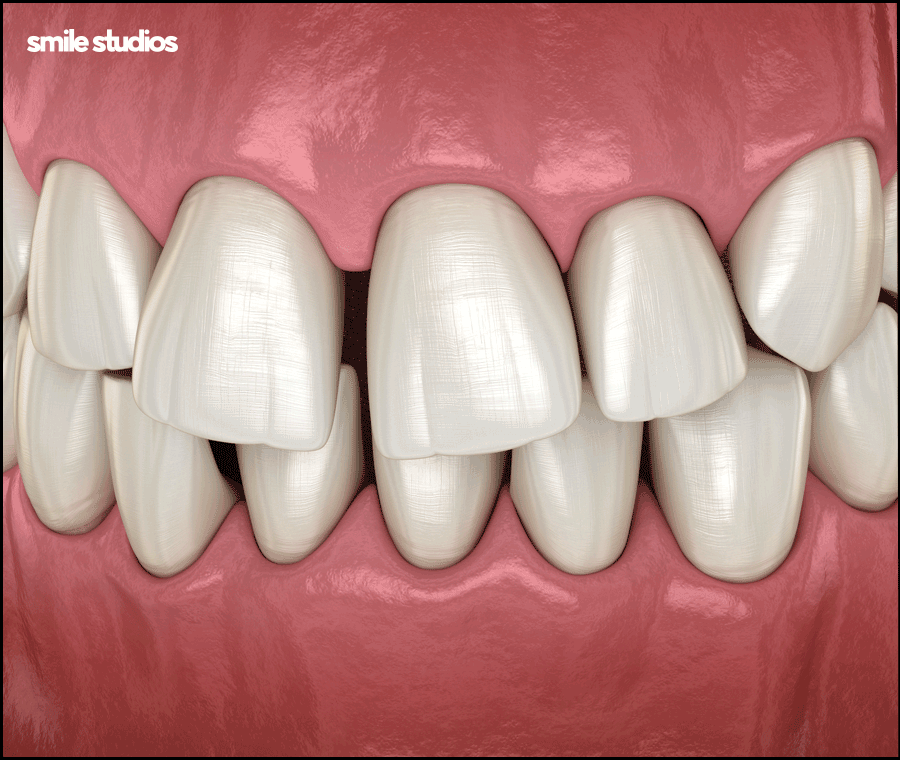
However, in this case, the overlap is much greater, to the point that the lower teeth are barely visible or completely covered.
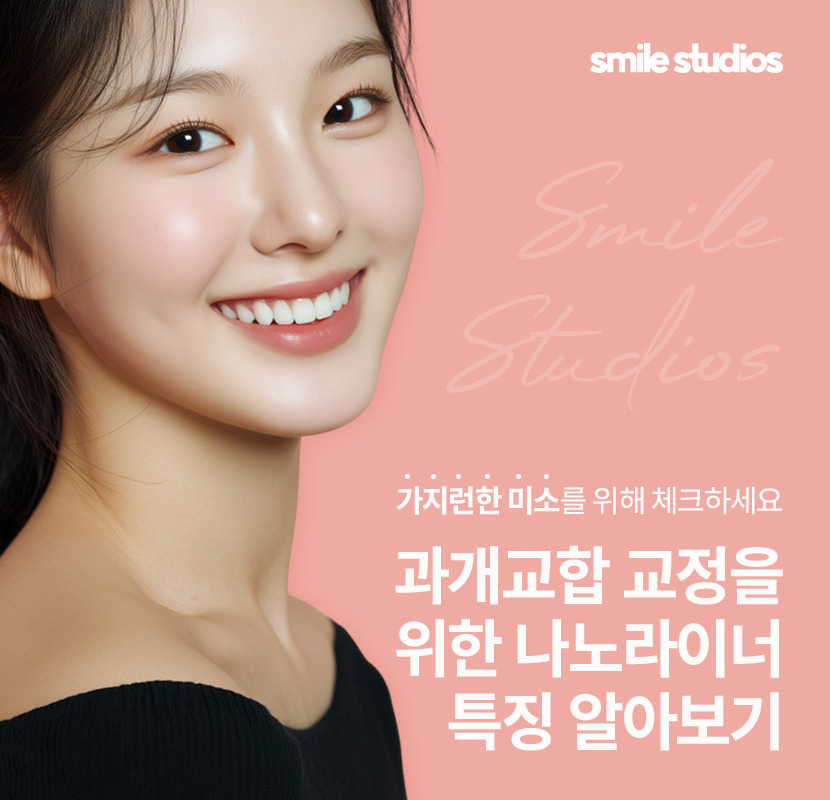
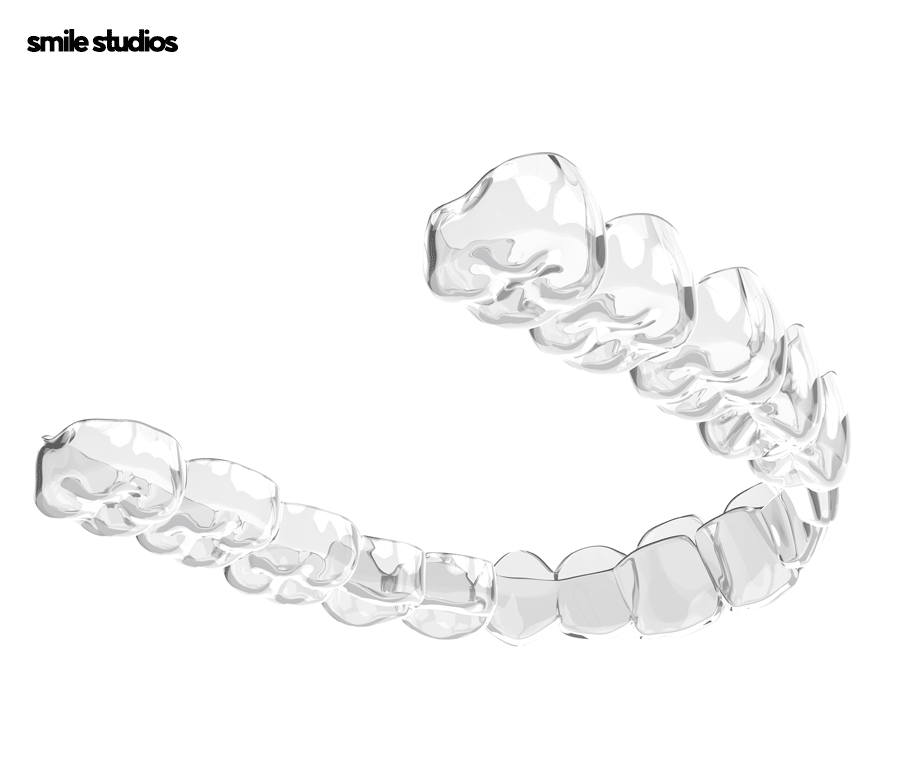
Among the methods used to correct this problem, NanoLiner is drawing attention.
It is also a type of clear aligner device that complements the limitations of conventional bracket orthodontics while delivering excellent results.
Problems Caused by Overbite and the Need for Correction
The reason overbite correction is needed is not only for aesthetic purposes.
If this problem continues, several functional abnormalities can occur.
First, as the upper teeth excessively cover the lower teeth, jaw movement may be restricted and excessive strain may be placed on the temporomandibular joint and surrounding muscles.
This can also lead to temporomandibular joint disorders.
In addition, the lower teeth may touch the roof of the mouth, causing injuries to the gums or triggering inflammation.
This can cause ongoing pain and discomfort, and in severe cases, there is also the possibility of periodontal disease.
Also, in this condition, concentrated bite force is applied to the upper teeth, which can cause excessive wear.
As a result, tooth sensitivity and the risk of cavities may increase.
In addition, normal tooth contact does not occur, making it difficult to chew food properly, and certain pronunciations may become inaccurate.
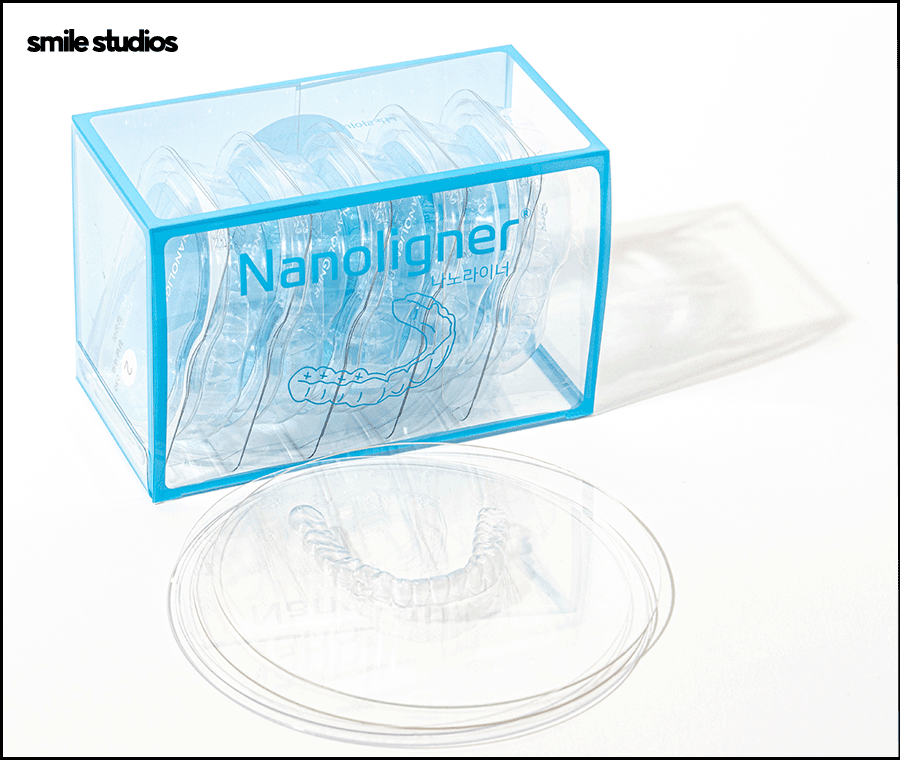
Features of the NanoLiner System
As mentioned earlier, NanoLiner is attracting attention as a treatment method.
It was developed as a clear aligner system for orthodontic specialists and has features that differentiate it from existing devices.
First, the entire process, from diagnosis to setup, is carried out in collaboration with a specialist.
This can be said to be a process that enables precise and predictable results.
The material is also noteworthy, as specially reinforced plastic is used.
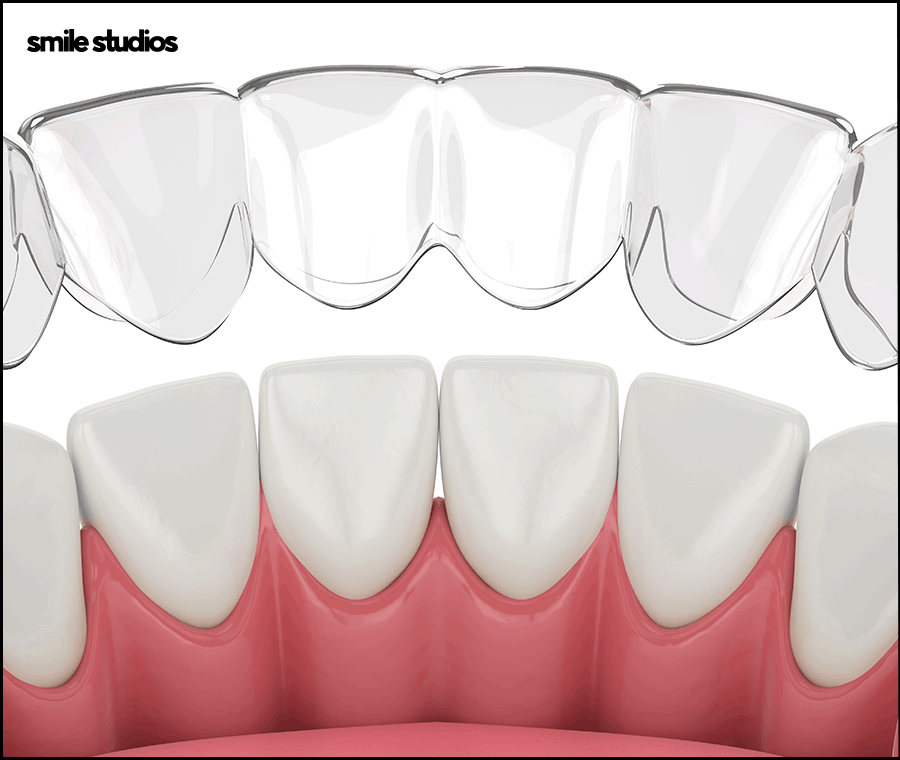
As a result, durability and orthodontic force are improved compared with existing devices, and stable results can be expected even in complex cases.
When wearing this device, it is nearly invisible and has strong resistance to discoloration and deformation.
Therefore, aesthetic appearance can be maintained even with long-term use.
It also has a removable structure, so it can be freely taken out for meals, brushing, and important situations.
Advantages of NanoLiner for Overbite
A major advantage of NanoLiner in overbite correction is its ability to perform precise vertical tooth movement.
To improve this problem, complex movements are needed, such as intruding the upper teeth upward or extruding the lower teeth downward.
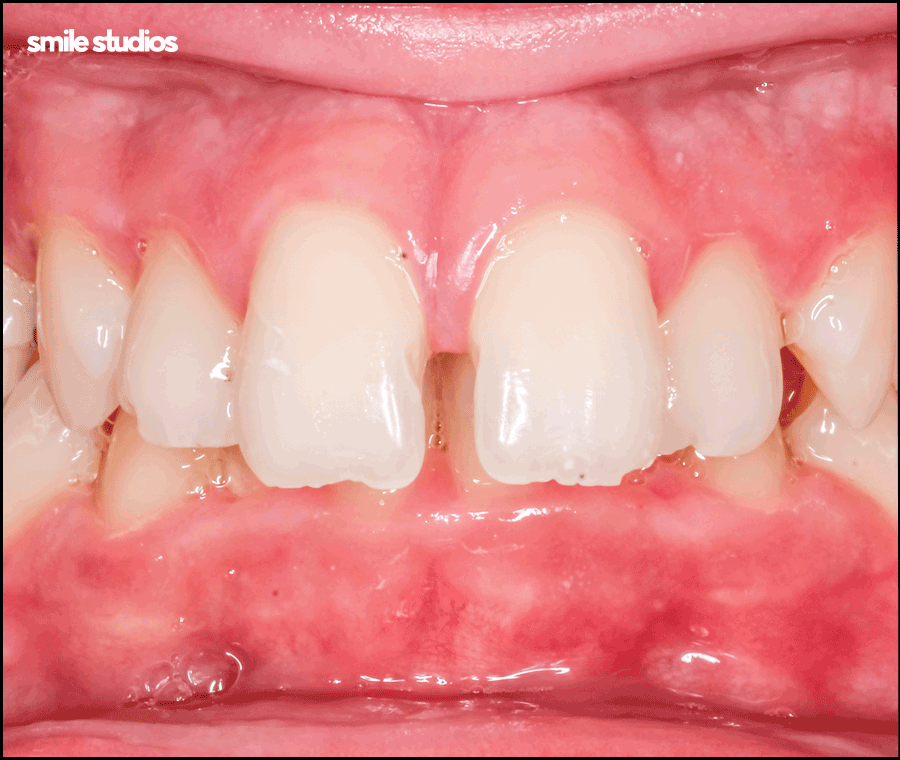
This device can effectively perform such three-dimensional tooth movements.
In addition, it causes much less discomfort for patients compared with brackets.
Many patients already have injuries on the roof of the mouth, and conventional devices can cause additional irritation to those wounds.
By contrast, NanoLiner has a smooth surface, which can reduce irritation inside the mouth.
It also offers more accurate treatment-time predictions.
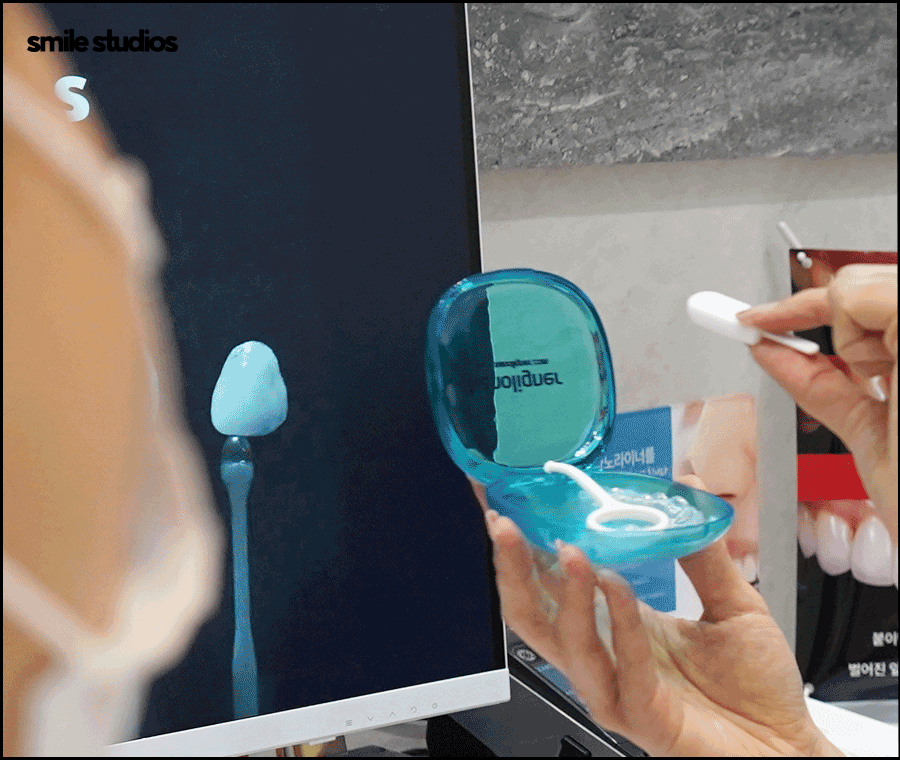
Using digital equipment for simulation allows the results to be previewed before treatment and lets each stage be monitored.
This process helps improve the patient’s understanding of treatment and overall satisfaction.
What Makes the Treatment Process Special
The improvement process is carried out based on a thorough digital system.
First, a precise dental model is created using a 3D oral scanner, and based on this, the specialist directly establishes the treatment plan.
In this case, analysis is very important, as it provides a comprehensive evaluation that considers both static and dynamic occlusion.
This helps maintain stable occlusion even after the procedure.
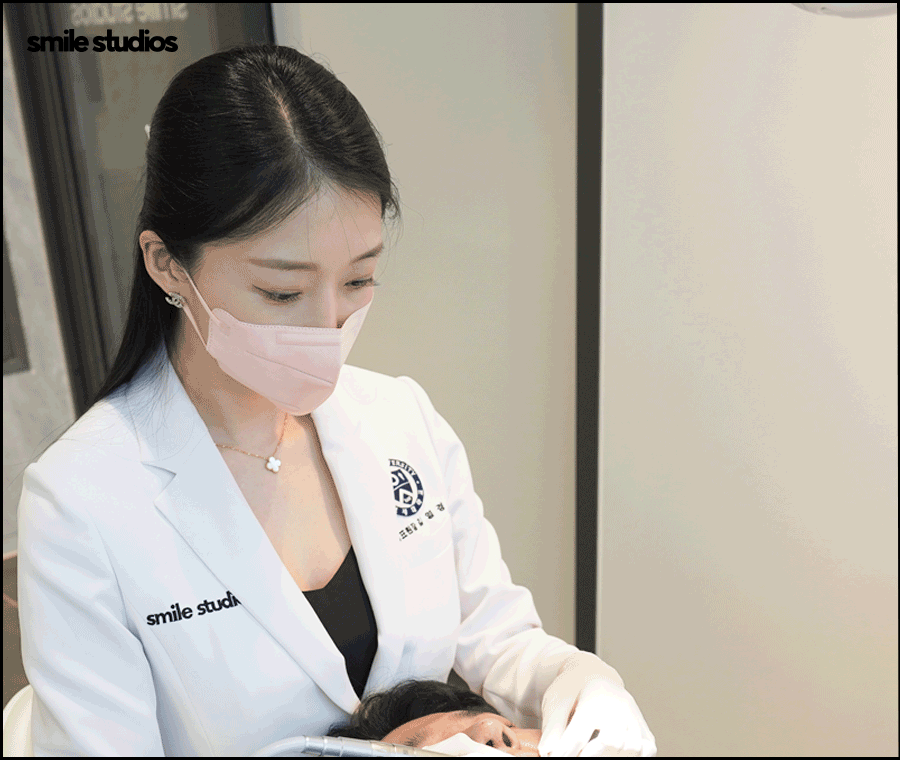
In addition, devices individually designed to match the tooth movement pattern are manufactured step by step.
During treatment, regular checkups are used to confirm whether the plan is on track, and interim adjustments can be made if necessary.
Considerations When Choosing This Option
For mild to moderate cases of this problem, it can be effectively improved.
However, if it is caused by a severe skeletal issue, additional methods may be required.
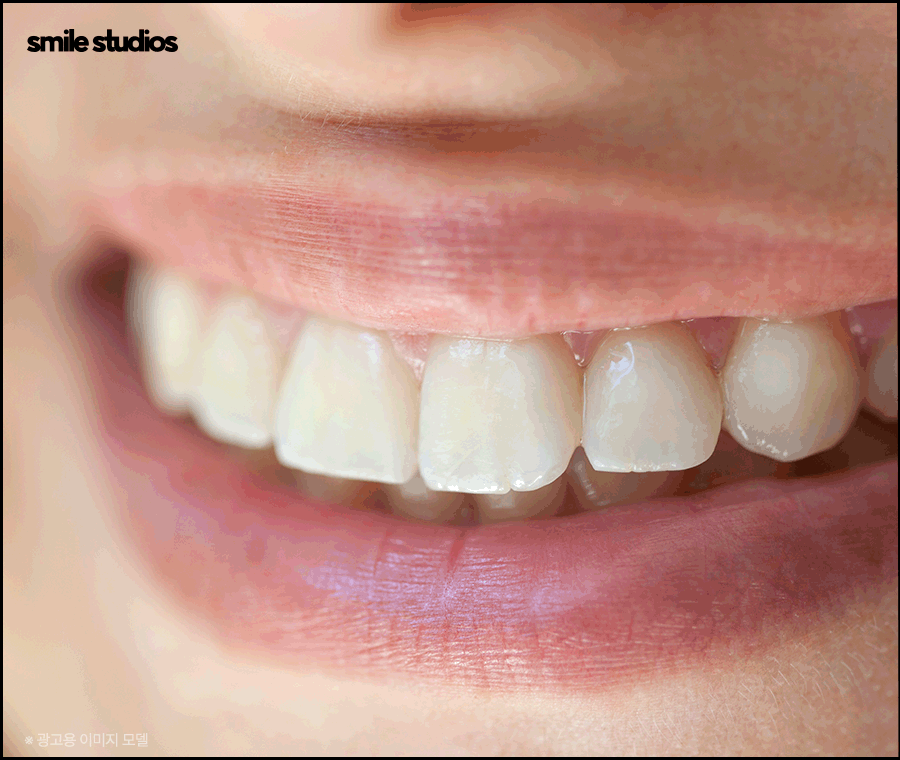
Also, since it must be worn for more than 20 hours, patient compliance is an important factor.
Lastly, to prevent the possibility of recurrence after overbite correction, a retainer must be used.
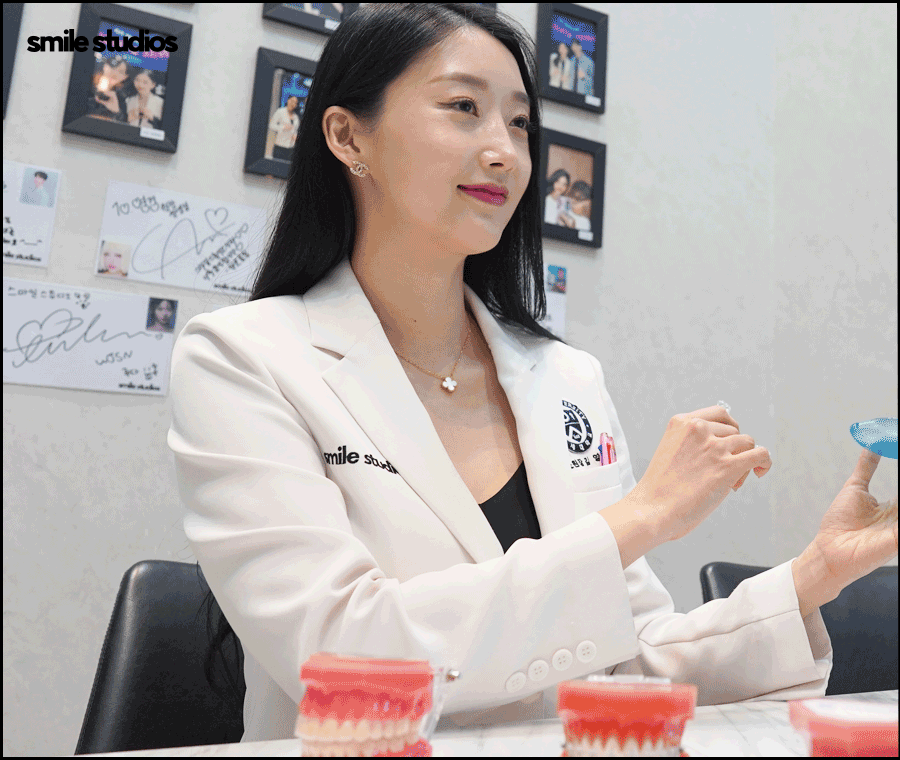
A good prognosis can be expected only when a plan for this kind of management is established and ongoing care is provided.