Front teeth can chip while chewing food in daily life, during exercise, or due to small accidents.
Even if the damage is not severe, it is natural to worry.
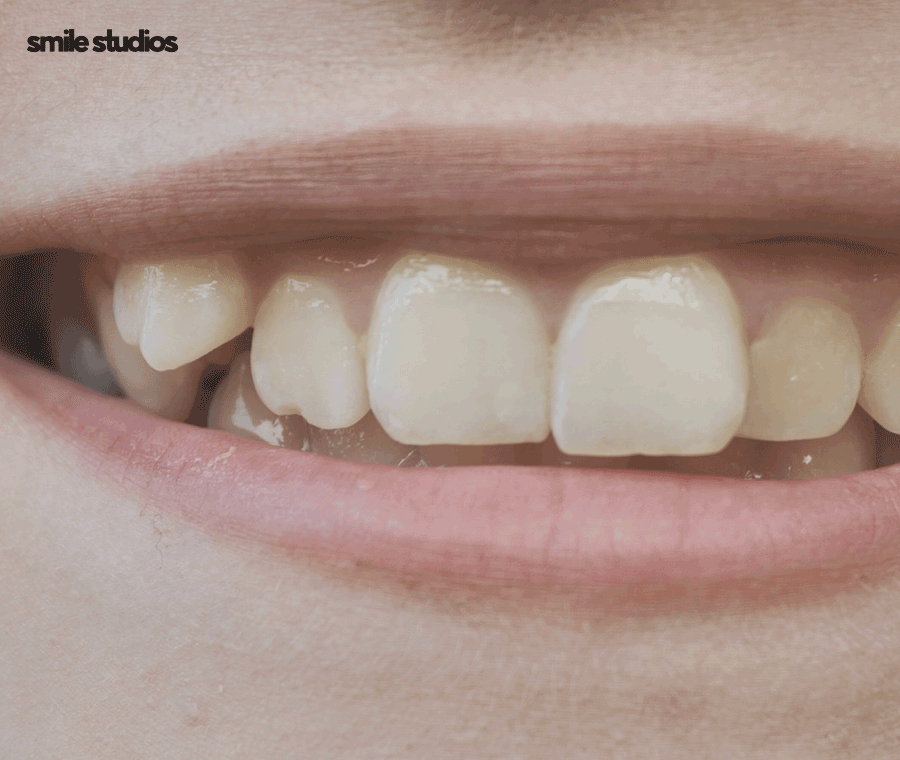
Since these are highly visible when talking or smiling, a quick solution is needed from an aesthetic standpoint.
In situations like this, many people consider laminate veneers, but how much can they actually address?
Classification and characteristics by degree of chipping
Although this is described as minor front-tooth chipping, the treatment method varies greatly depending on the extent and range of the chip.
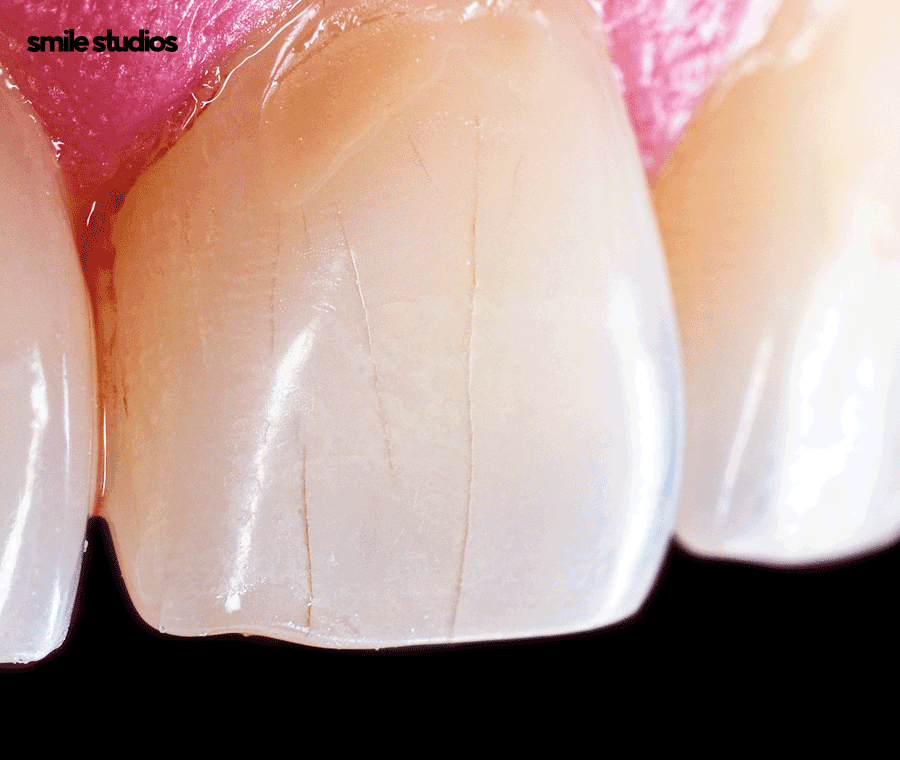
In mild cases, only a small corner of the tooth has broken off.
In this case, only the enamel is damaged, so there is usually little to no pain.
Moderate damage means the dentin is exposed to the outside.
At this point, sensitivity to cold water or hot food may occur, and there is also a risk of bacterial infection.
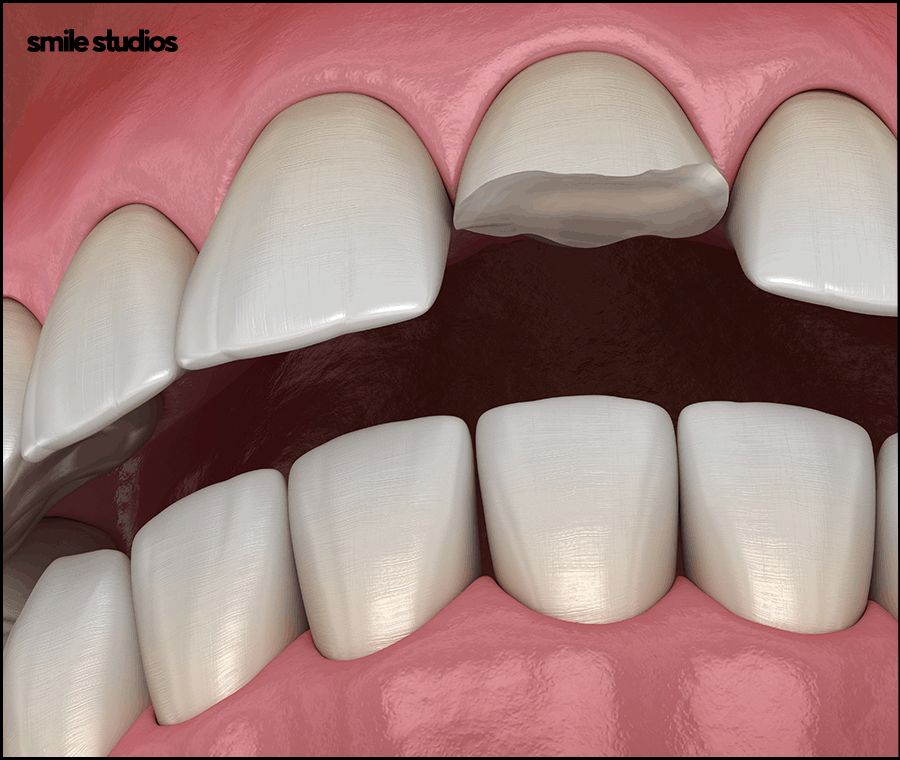
If the chipped area is less than 1/4 of the tooth, conservative treatment may be possible, but if it is more than that, a more active approach should be considered.
The most severe case is when the pulp is exposed as a result of the damage.
This is accompanied by severe pain, requires root canal treatment, and in many cases a crown is needed afterward.
The location of the chip is also important, as the approach differs depending on whether it is at the incisal edge or near the cervical area.
Range and conditions for laminate veneer application
The range in which minor front-tooth chipping can be treated is more limited than many people think.
First, the chipped area should not exceed 1/3 of the total length.
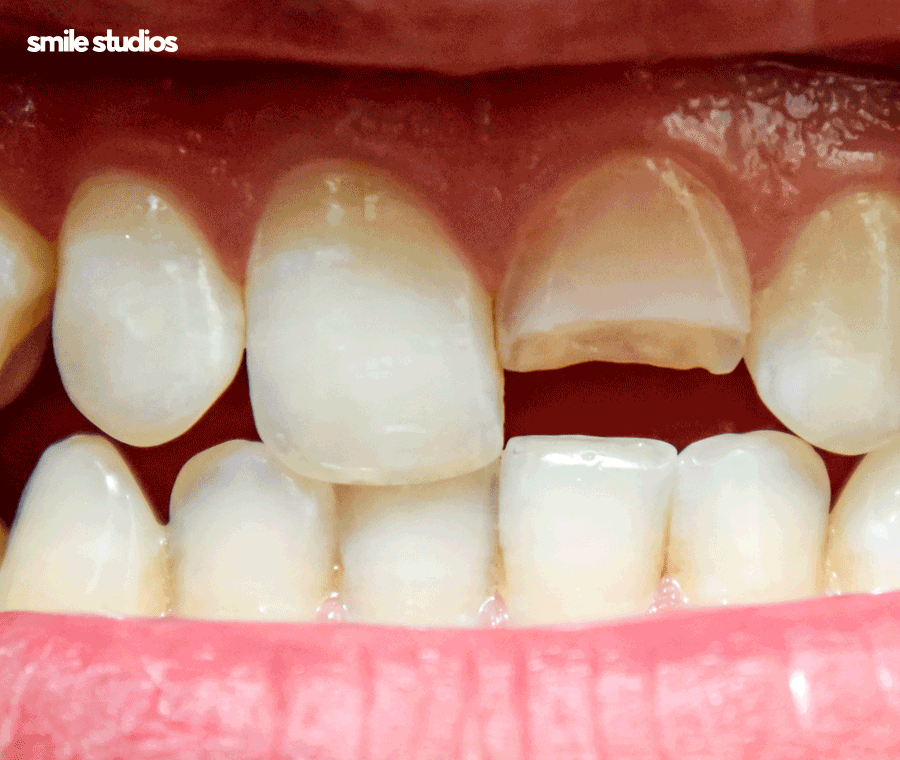
If the damage goes beyond that, it becomes difficult to secure enough strength with this prosthetic alone.
It may also be hard to achieve a natural-looking shape.
The location of the chip is also an important factor; if only the corner of the incisal edge is affected, it can usually be restored sufficiently.
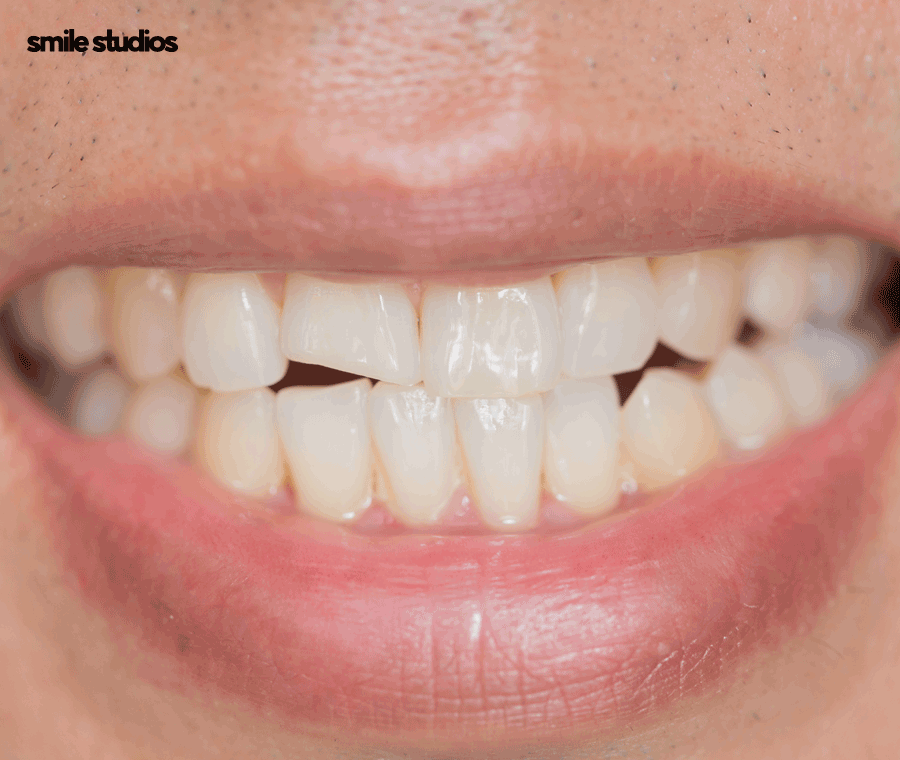
However, if the damage extends near the cervical area or to the lingual surface, there may be limitations in bonding strength and durability.
Also, when attaching laminate veneers, a no-prep approach is sometimes used.
However, depending on the situation, it may be difficult to apply, so this point should also be considered.
In addition, if excessive bite force is applied to the front teeth or if there are habits such as teeth grinding, they can chip easily.
So if these issues are present, it may be better to consider another method.
Advantages of laminate veneers and the treatment process
If this procedure is applied in the right case, there are several advantages.
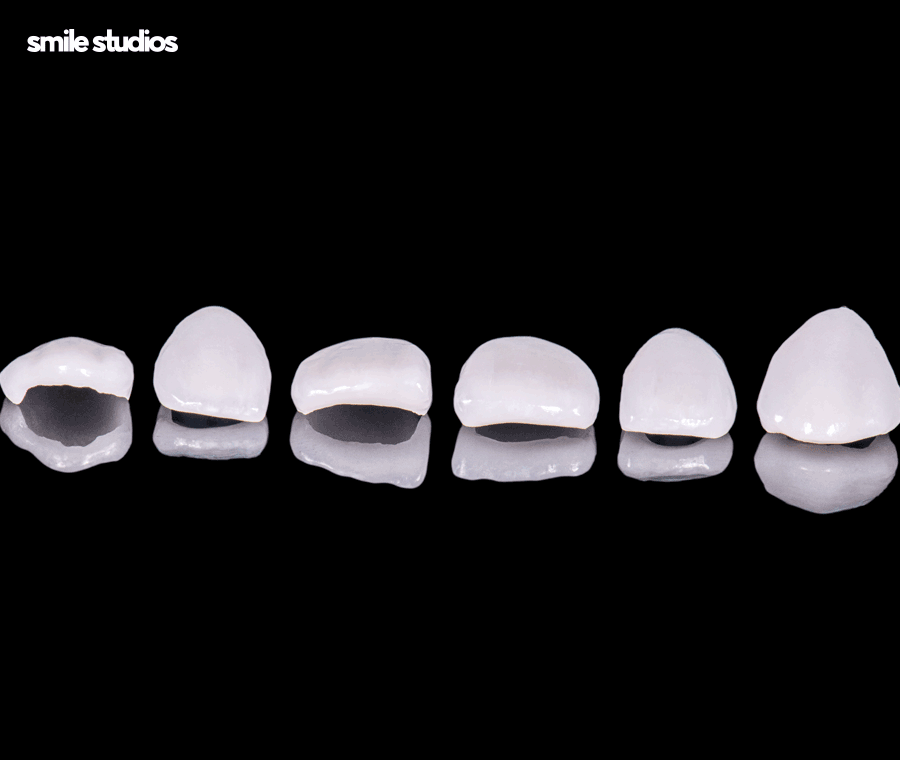
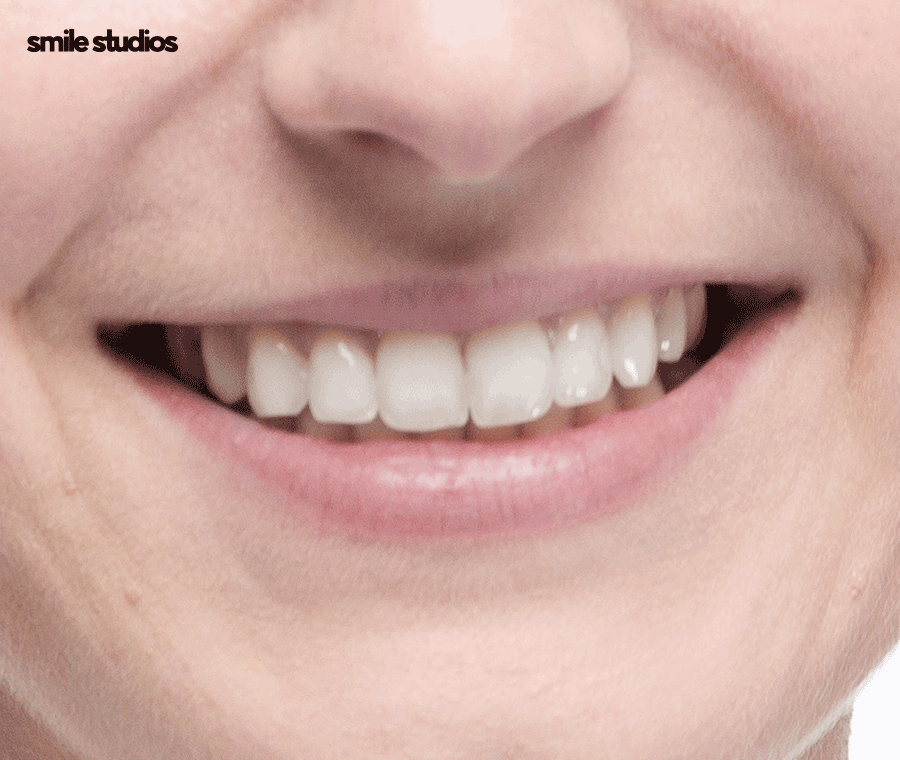
One advantage is outstanding aesthetics, as it is almost indistinguishable from natural teeth.
Because of the properties of ceramic materials, their light transmittance is similar to that of teeth, allowing for natural-looking results.
The treatment is also completed in about 2 to 3 visits, so it can be a quick solution for those worried about minor front-tooth chipping.
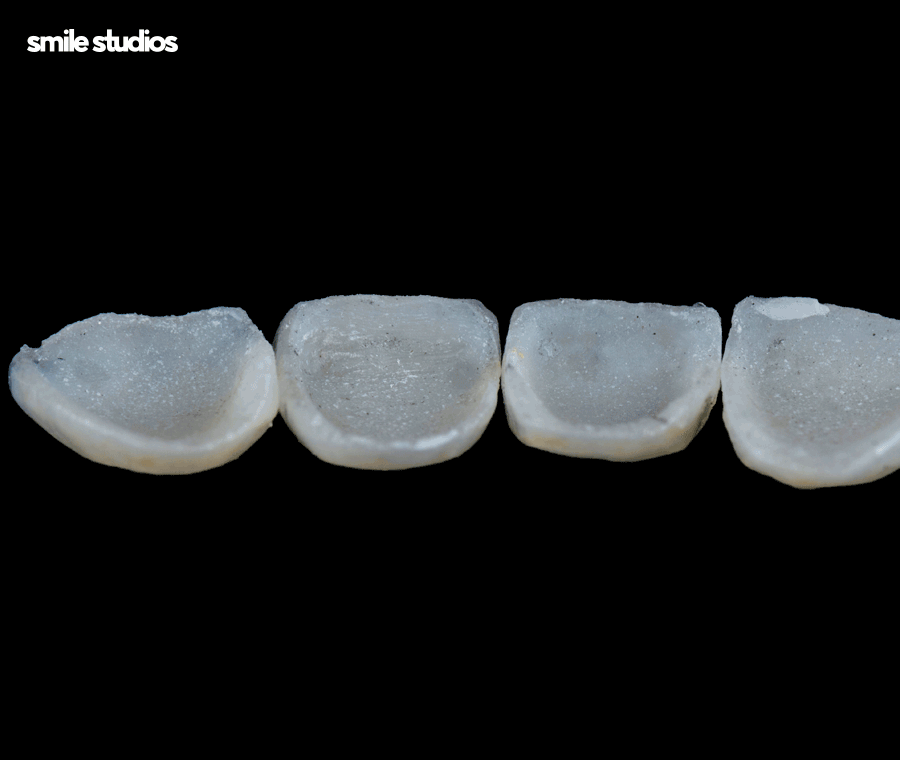
It can also improve color and shape at the same time, correcting the overall appearance of the permanent teeth.
The procedure itself is relatively simple.
At the first visit, an impression of the teeth is taken, and to preserve as much of the natural tooth as possible, it is performed with no-prep when feasible.
Then, about 1 to 2 weeks later, the finished prosthesis is attached, and if needed, fine adjustments are made to optimize the bite and aesthetics.
Cases in which it is not suitable and alternatives
Not all damage can be resolved with laminate veneers.
If the extent is too large or the pulp is damaged, a treatment appropriate to that condition is more suitable.
In addition, resin treatment can also be a good option.
For this, it is important to visit a relevant medical institution and decide through consultation with the medical staff.
Considerations for successful treatment
If you want to receive laminate veneers after minor front-tooth chipping occurs, there are several things to consider.
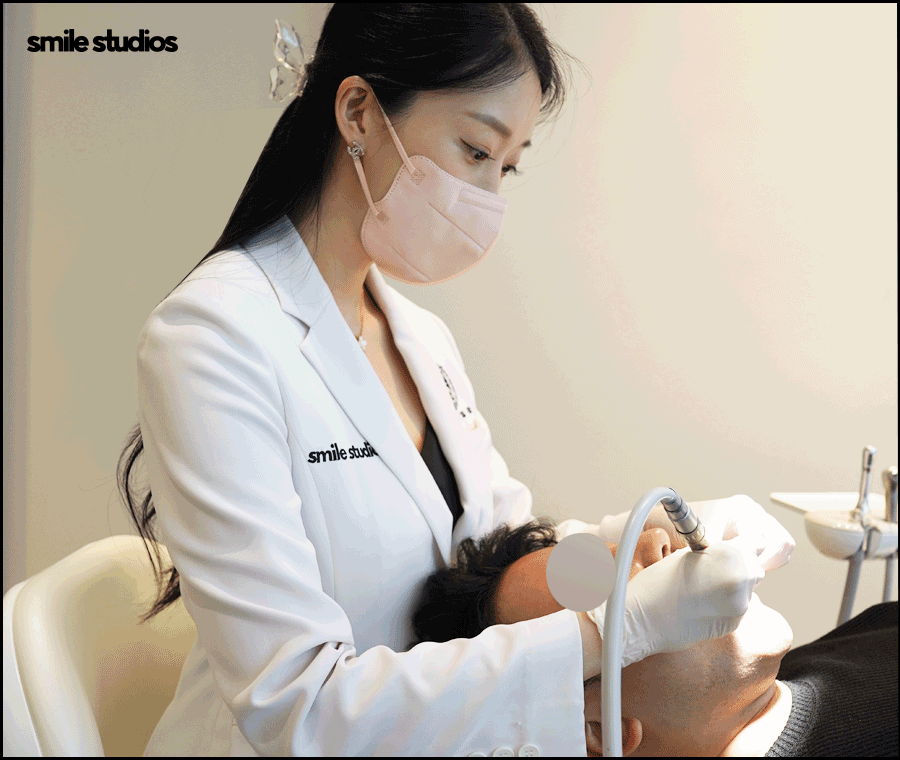
First, an accurate diagnosis is essential, and the current condition of the natural tooth must be evaluated comprehensively to determine whether treatment is possible.
Then, oral habits and lifestyle should also be considered.
If you often eat hard foods, grind your teeth, or do vigorous exercise, another method may be chosen.
It is also a good idea to establish a maintenance plan from a long-term perspective.
Although it can be used for a long time, it is not for life, so regular checkups and proper care are important to extend its lifespan.
I hope you choose the method that suits you best through these factors and achieve satisfying results.