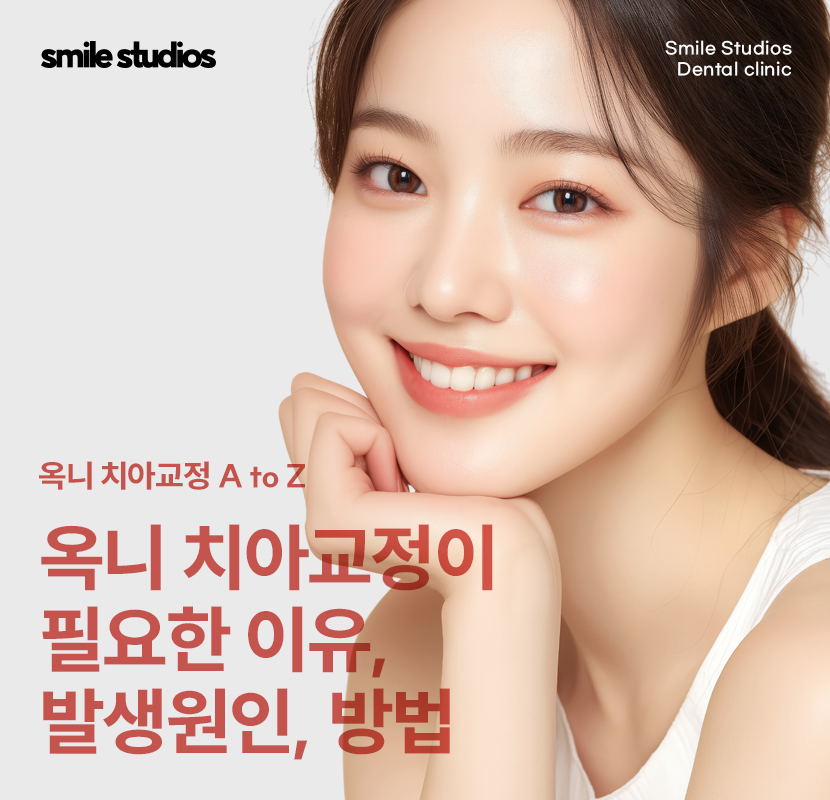
Have you ever looked at a photo of yourself smiling and felt a subtle sense of awkwardness?
�
�
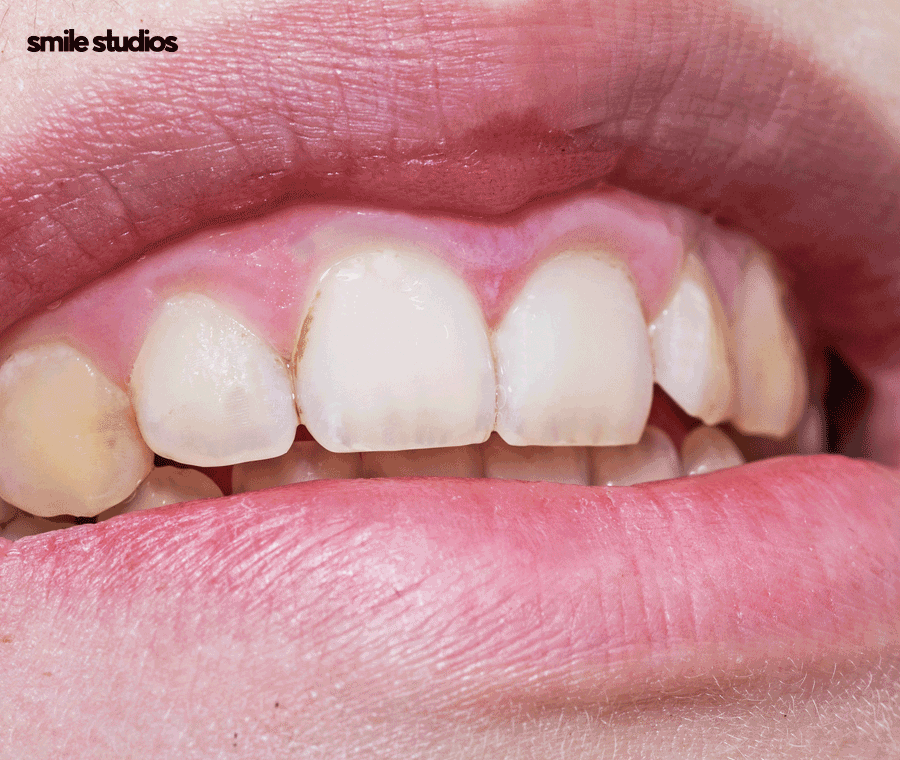
Even if your front teeth are not protruding, your smile may somehow feel unnatural.
�
This is likely due to an open bite, which refers to teeth that are inclined inward.
�
Although it may not seem like a major issue on the surface, it can actually cause various health problems in addition to aesthetic concerns.
�
What exactly is an open bite?
�
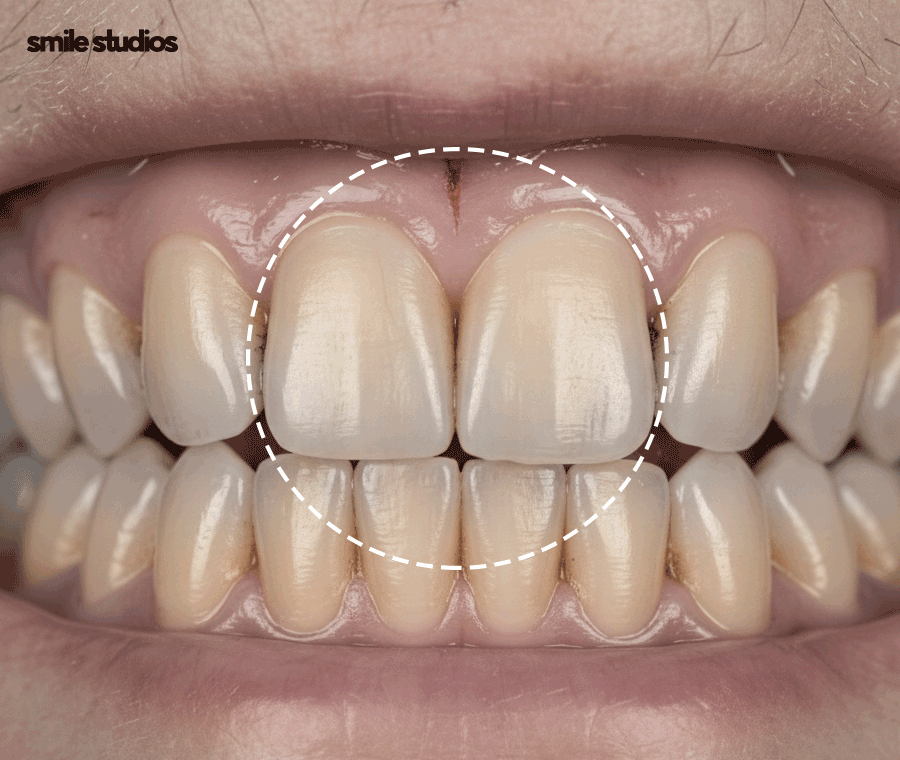
It means the teeth are tilted inward toward the inside of the mouth more than at the normal angle.
�

�
It is also called a hooked-tooth condition, and while it mainly occurs in the front teeth, it can also appear in molars and other teeth.
�
In the case of normal teeth, they should maintain the proper angle and the upper and lower teeth should fit together harmoniously.
�
�
However, this problem disrupts that balance and affects the overall bite.
�
In particular, if it occurs in the large front teeth known as the incisors, it can also have a major impact on appearance, so extra attention is needed.
�
Various causes
�
The reasons this problem appears can be divided into congenital and acquired factors.
�
- Congenital
�
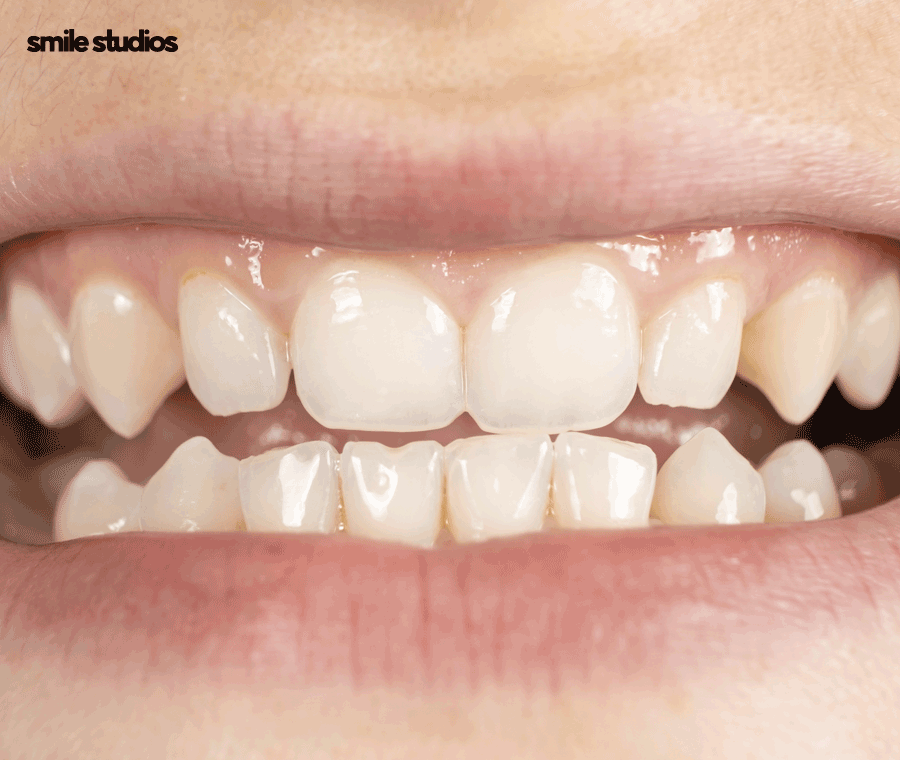
For example, the jawbone may be too small, or the teeth may be relatively large.
�
�
If there is not enough space for the teeth to align, they naturally form by tilting inward.
�
- Acquired
�
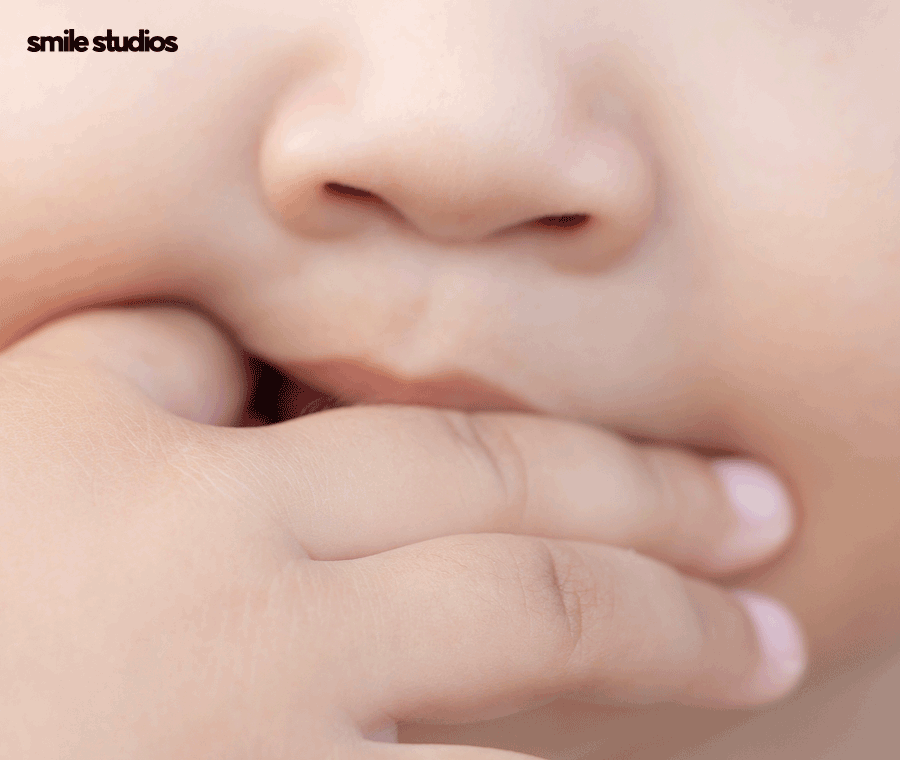
Habits in childhood such as thumb sucking, tongue thrusting, and biting the lips can place continuous pressure on the teeth.
�
�
It can also be caused by these problems, and it may form when baby teeth are lost early or when conditions such as cavities affect the alignment of the teeth.
�
In addition, wisdom teeth growing in an abnormal direction can push the front teeth forward.
�
As people age, weakened gum bone and worn teeth can also make it worse.
�
Why open bite correction is necessary
�
Because if treatment is delayed, various problems can arise.
�
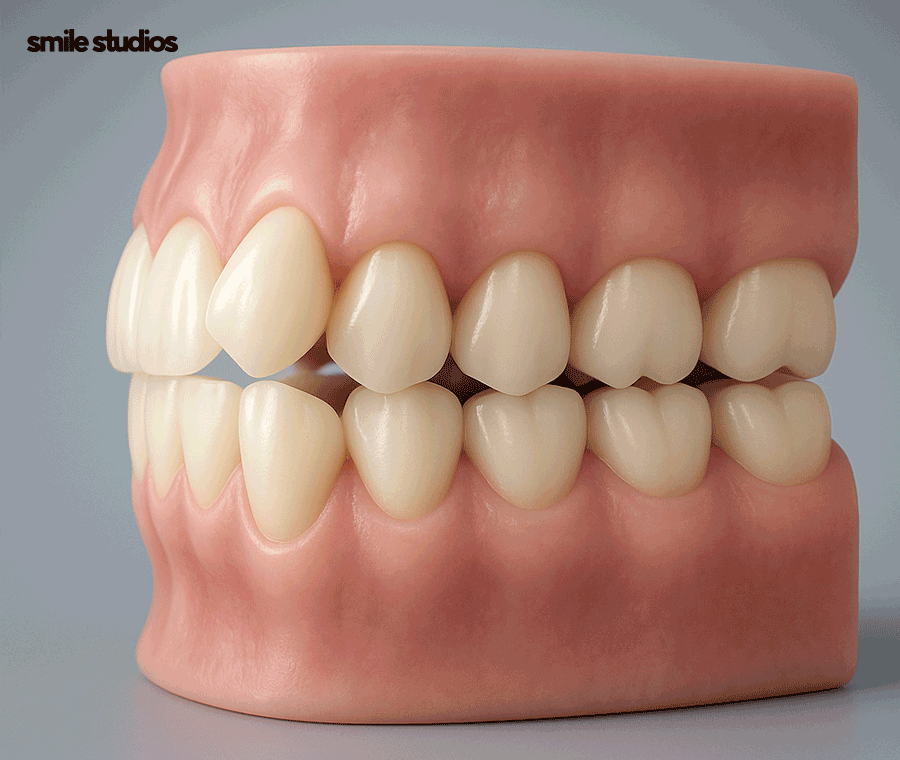
First, from an aesthetic standpoint, the gums may show excessively when smiling, or the mouth may give the impression of being sunken in.
�
�
This can lead to reduced confidence and may negatively affect social life.
�
In addition, there are functional problems as well, such as difficulty chewing and unclear pronunciation.
�
There is also a risk that abnormal force will be applied to the jaw, which may lead to temporomandibular joint disorders.
�
Also, as the spaces between teeth become narrower, brushing becomes more difficult, increasing the likelihood of cavities and gum disease.
�
Modern open bite correction methods
�
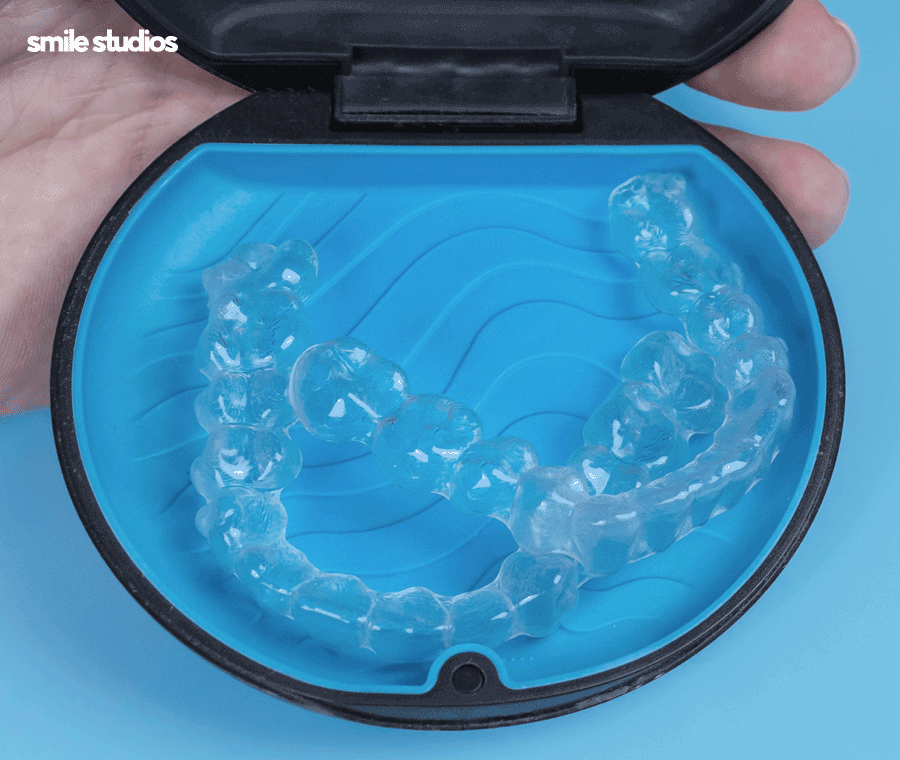
There are several treatment methods, but clear aligners are now getting attention.
�
�
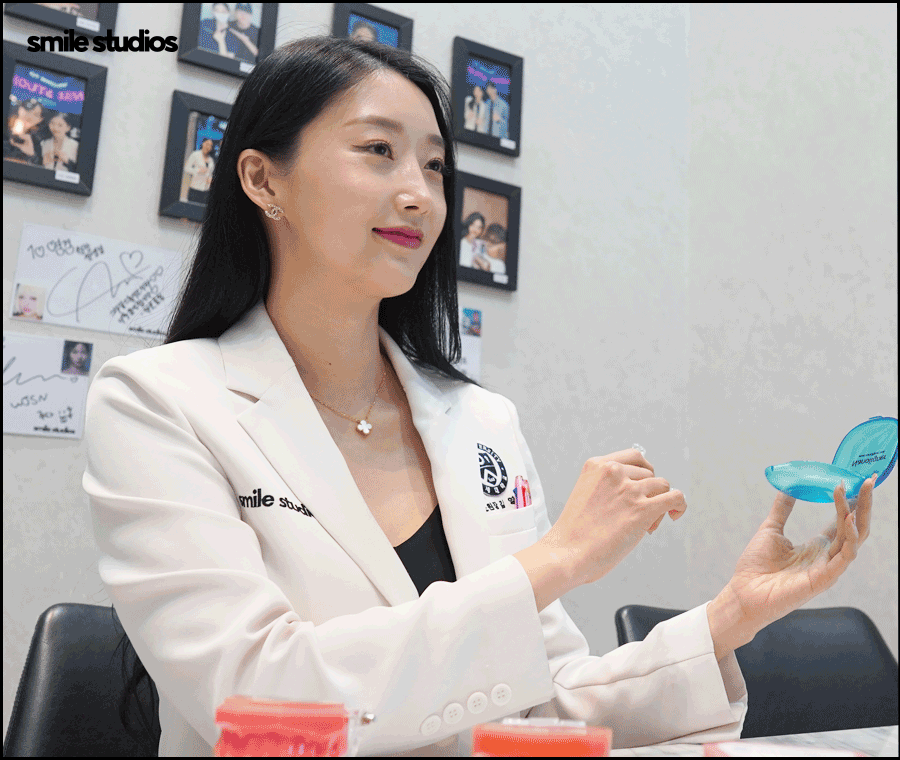
A representative example is Invisalign, a custom-made appliance made of transparent plastic.
�
You can preview the entire process through 3D simulation, and the thin yet durable appliance offers a comfortable fit.
�
Because it is removable, it can be taken out during meals and brushing, so it causes less inconvenience in daily life.
�
�
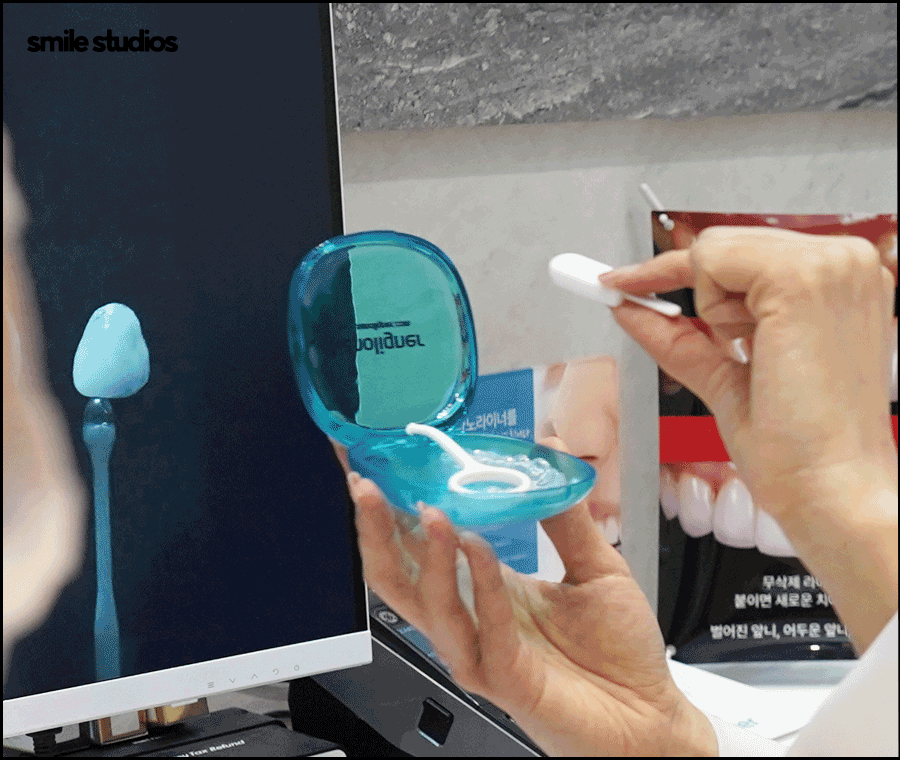
Nanoliner is also a method many people choose.
�
It is a clear aligner system made in Korea that allows for more precise production.
�
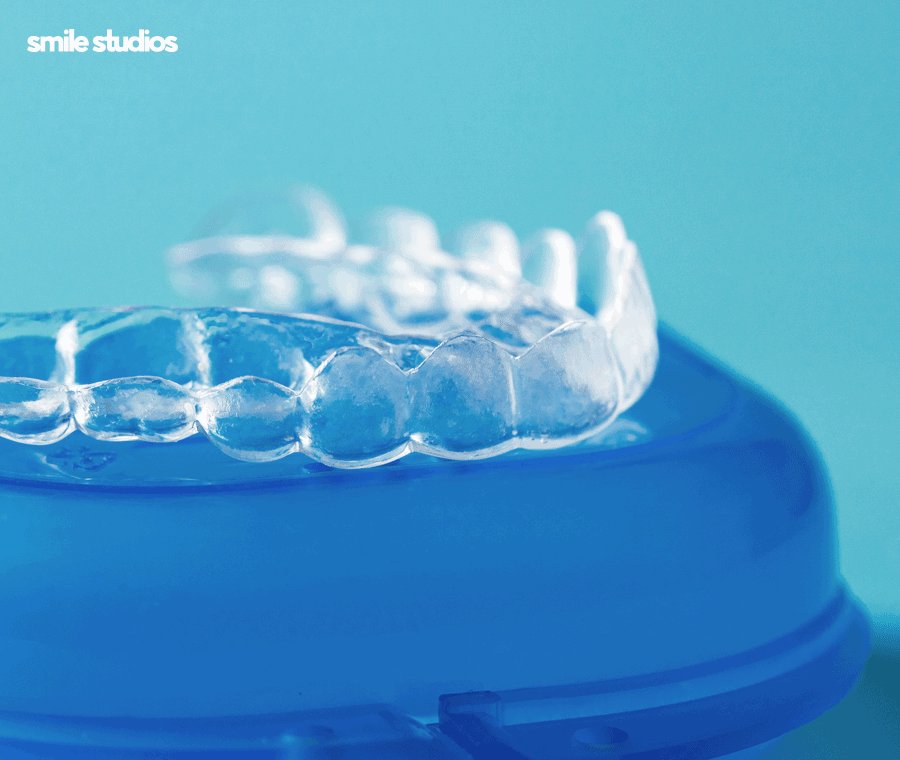
The strength of the appliance can be adjusted differently according to each stage of tooth movement, and its defining feature is step-by-step custom manufacturing that also considers gum condition.
�
�
Because it is produced in Korea, the time required to receive the appliance is usually as short as one week, which can also reduce the overall treatment period.
�
Both methods offer better aesthetics than traditional approaches, less pain, and easier hygiene management.
�
The importance of appropriate treatment
�
Open bite can become more severe the longer it is left untreated.
�
In particular, if it is discovered during the growth period, more effective open bite correction is possible, so early detection and improvement are especially important.
�
�
However, being an adult does not mean treatment is impossible.
�
Current technology can produce excellent results regardless of age, so treatment can be started at any time.
�
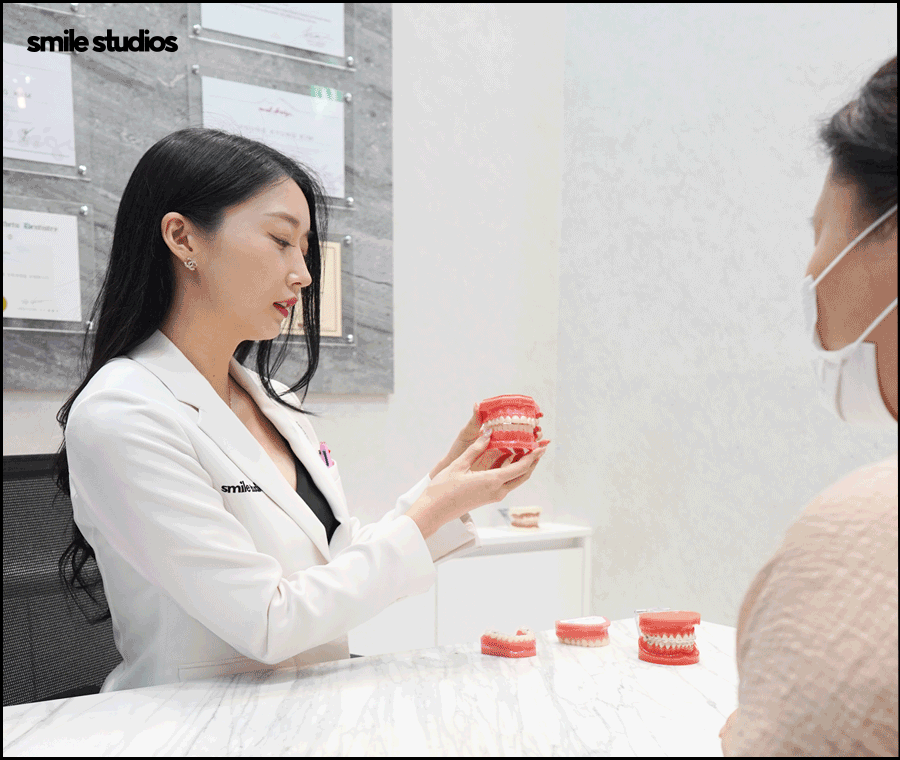
What matters is an accurate diagnosis and an individualized treatment plan.
�
�
Setting the right direction by considering the severity of the problem, its cause, and habits can be the key to success.
�