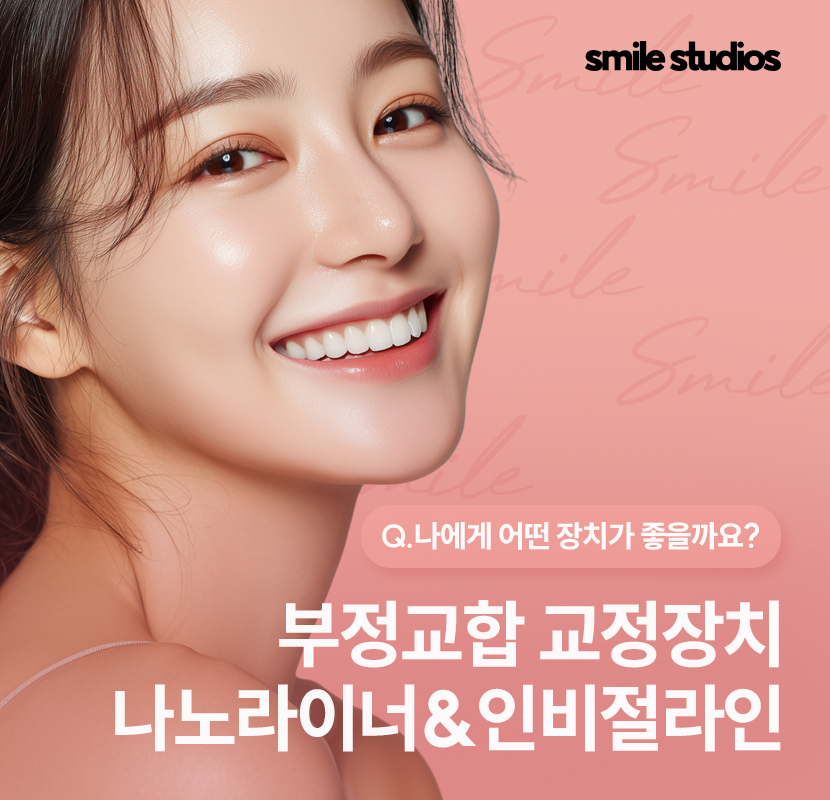
When people think of orthodontic treatment, they often imagine metal brackets.
As time has passed and technology has advanced, dental treatments have also undergone many changes.
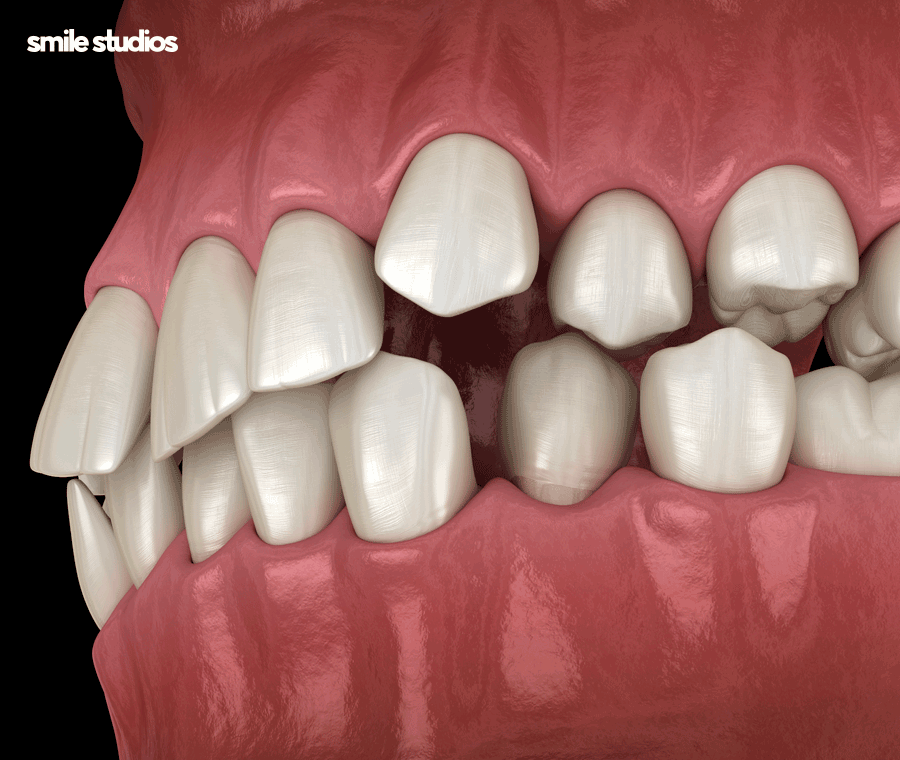
In addition, devices for improving malocclusion have also been made with clear materials, drawing a lot of attention.
Today, let’s take a look at what kinds of these devices exist and what their respective features are.
The Basic Principles and Innovation of Clear Devices
Among malocclusion correctors, devices made of clear materials share similar basic principles.
They have a removable structure that is free to take on and off, with thin, transparent plastic that fully covers the teeth.
The manufacturing process for these devices incorporates advanced technology.
Using technologies such as 3D CAD/CAM, a custom-fit mold is precisely created for each individual.
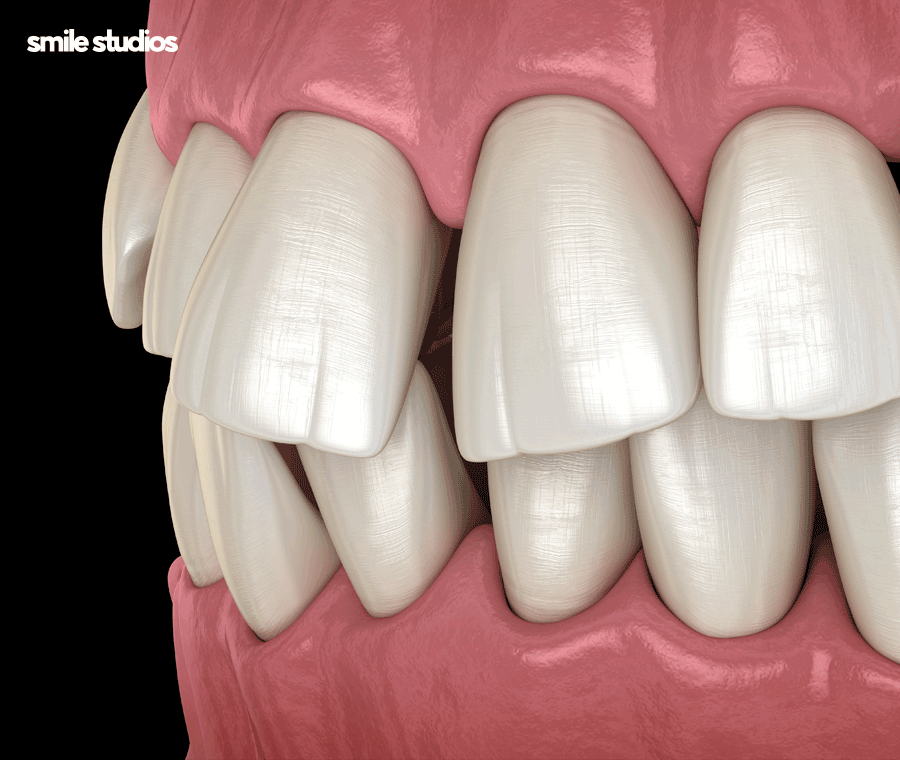
During this process, even the movement path of the natural teeth is calculated in detail.
Even while wearing the appliance, it is so discreet that it is hard to tell you are undergoing orthodontic treatment unless you look closely.
Its excellent transparency is a particularly appealing factor for working adults.
Features and Technology of Invisalign
This is a clear aligner brand developed in the United States, and it is a widely known system in the field of malocclusion correctors.
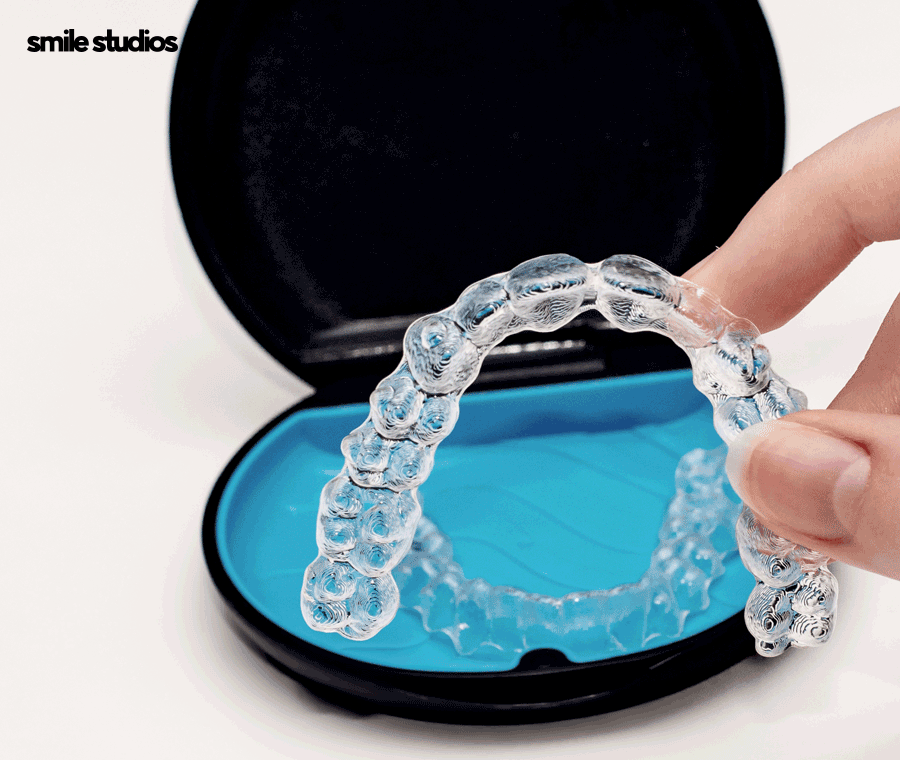
In addition to being transparent, it shows distinctive features based on advanced technology.
One noteworthy feature is the treatment prediction system.
After scanning the mouth in 3D, you can check what the finished result will look like before treatment begins.
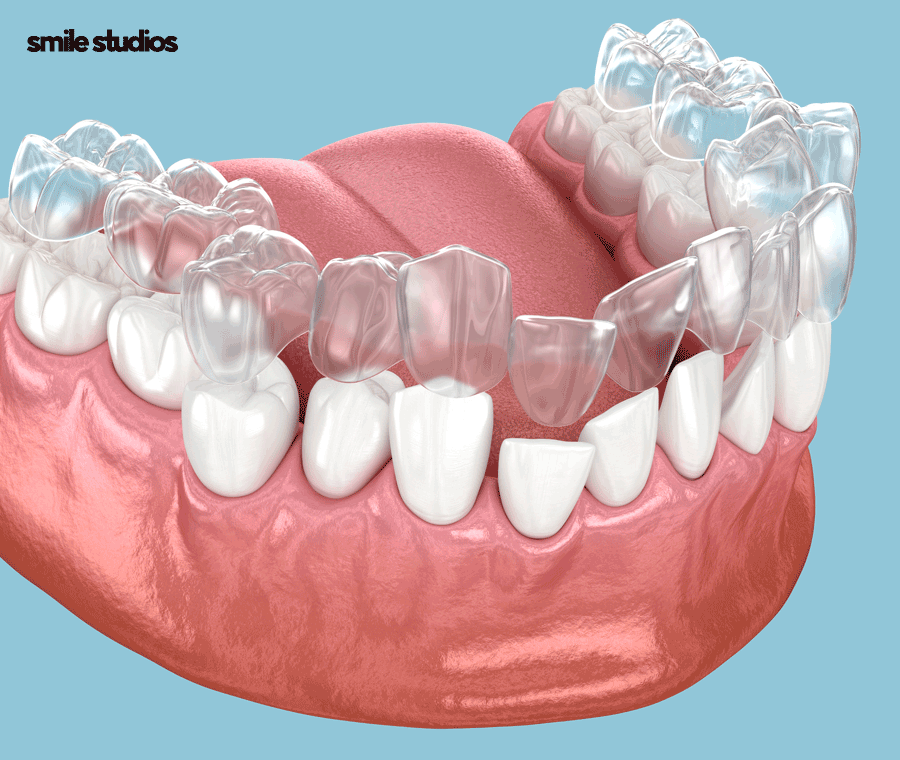
This is also an innovative function that helps patients form clear expectations about the outcome.
It is also known to be applicable to most malocclusion cases, from mild to severe.
Even complex tooth movements can be planned and carried out in detail step by step, which is an advantage that sets it apart from other systems.
Nanoliner’s Customized Approach and Flexibility
This device is a system developed in Korea and shows a different approach from the Invisalign mentioned earlier.
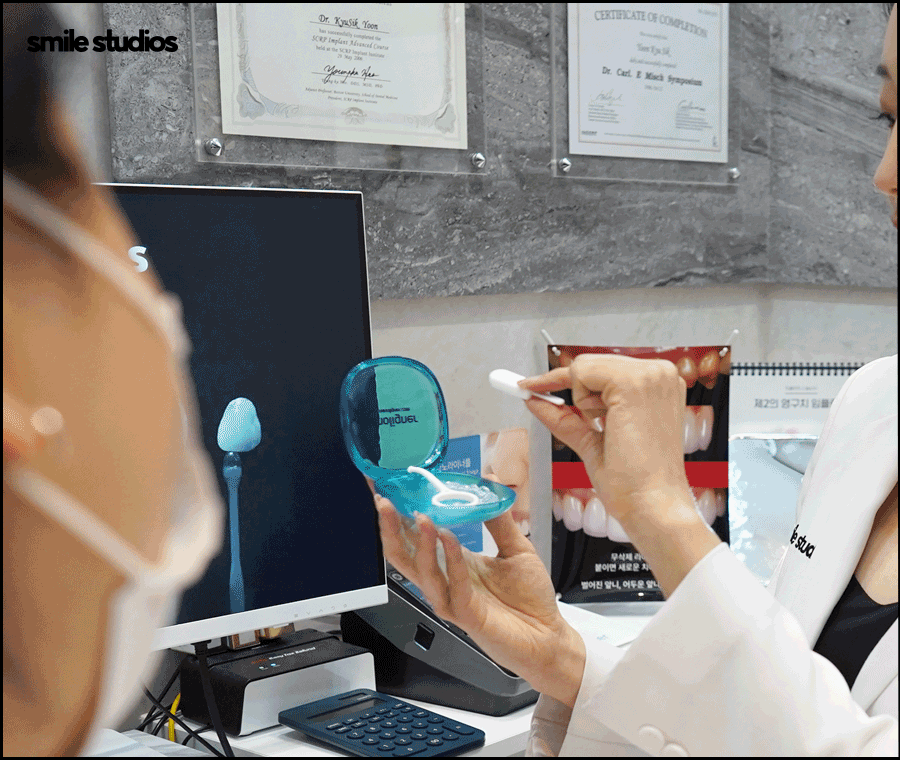
It uses various types of clear sheets to move the natural teeth step by step.
A key feature of this approach is its high flexibility.
Because the appliance can be removed during important moments or special situations, it allows customized treatment that fits your lifestyle.
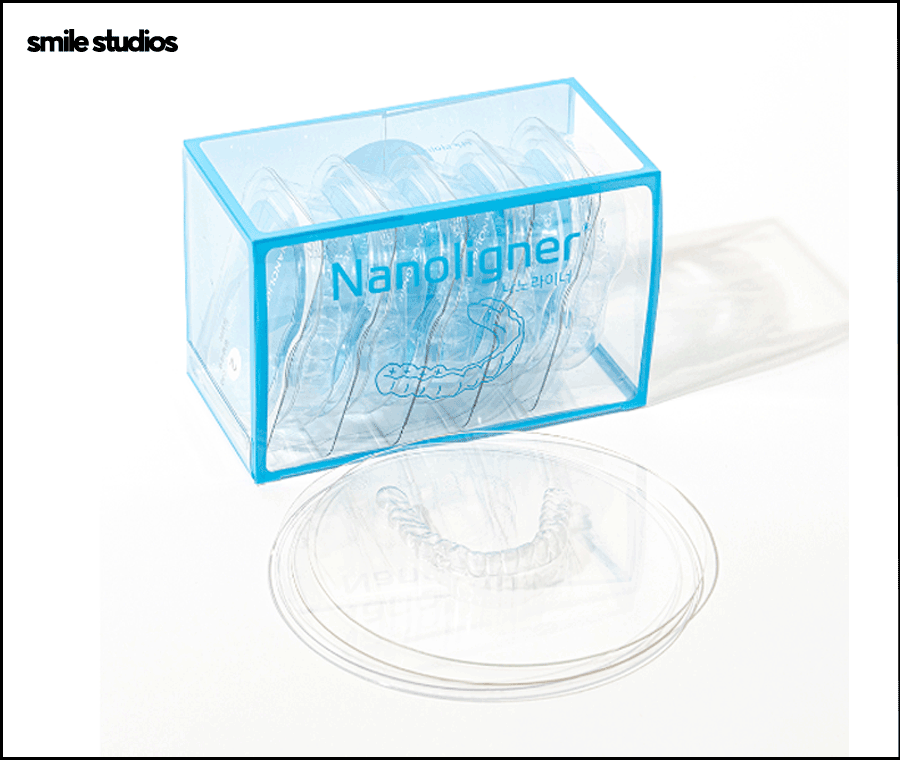
In addition, treatment plans can be established to reflect the structural characteristics of the Korean oral cavity during fabrication.
Other Options
In addition to Invisalign and Nanoliner, there are many other clear appliance brands.
Each brand differs in material characteristics, manufacturing methods, and the diagnostic and planning process.
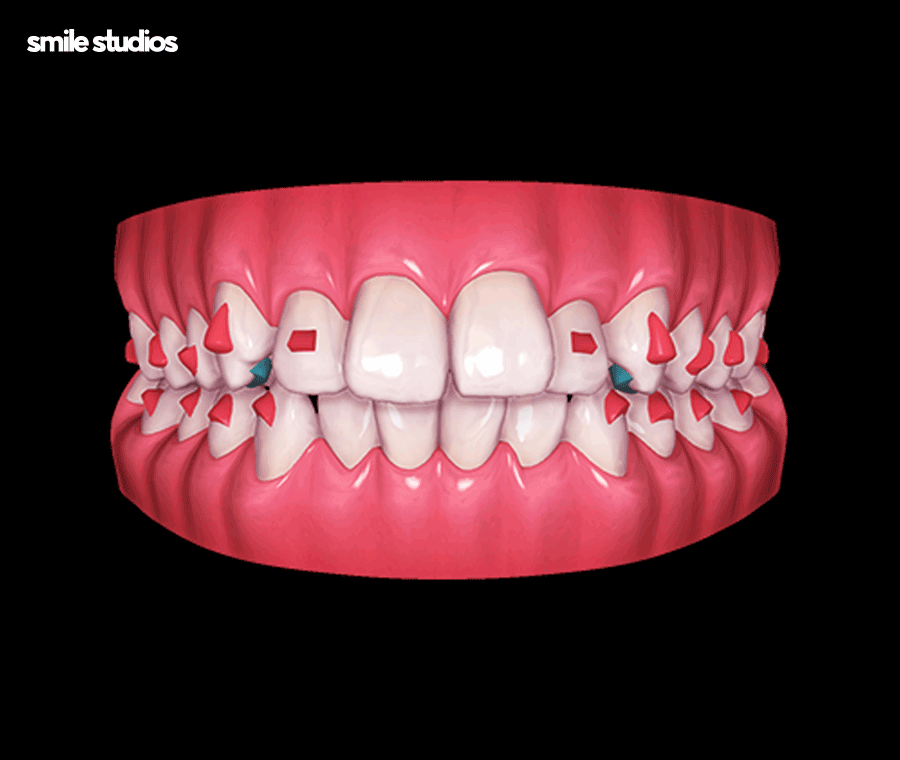
The range of cases that can be treated also differs by brand, so choosing according to your individual condition is important.
Since the methods available also vary by clinic, it is a good idea to research carefully before visiting.
Understanding the Scope of Application and Limitations
The devices mentioned for malocclusion correction cannot be applied universally to every case.
When severe malocclusion or complex tooth movement is required, other methods may be more effective.
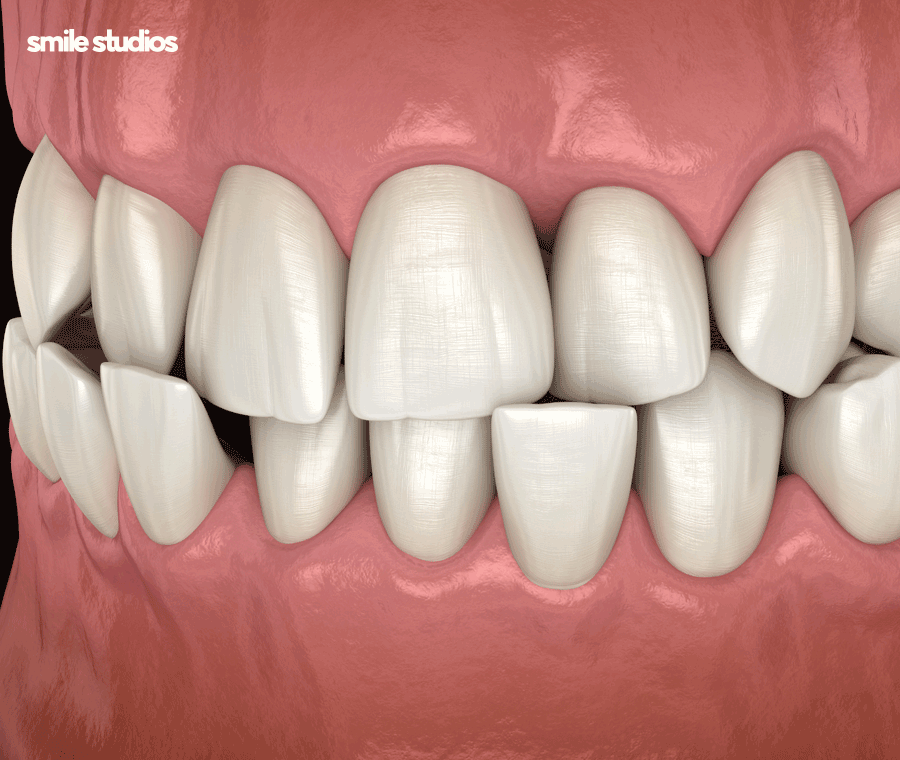
This method is effective in cases where the overall teeth do not require major changes.
Patient cooperation is also very important, and the appliance must be worn for at least 20 to 22 hours a day.
Only when this condition can be met can effective results be expected.
During the procedure, diagnosis and adjustment are needed at each visit.
It may be necessary to monitor the movement of the natural teeth and revise the existing plan depending on the situation.
The choice of a malocclusion corrector should not be made based only on brand recognition or price.
It is better to select an appropriate system by considering the degree of the individual’s symptoms, lifestyle habits, and treatment goals.
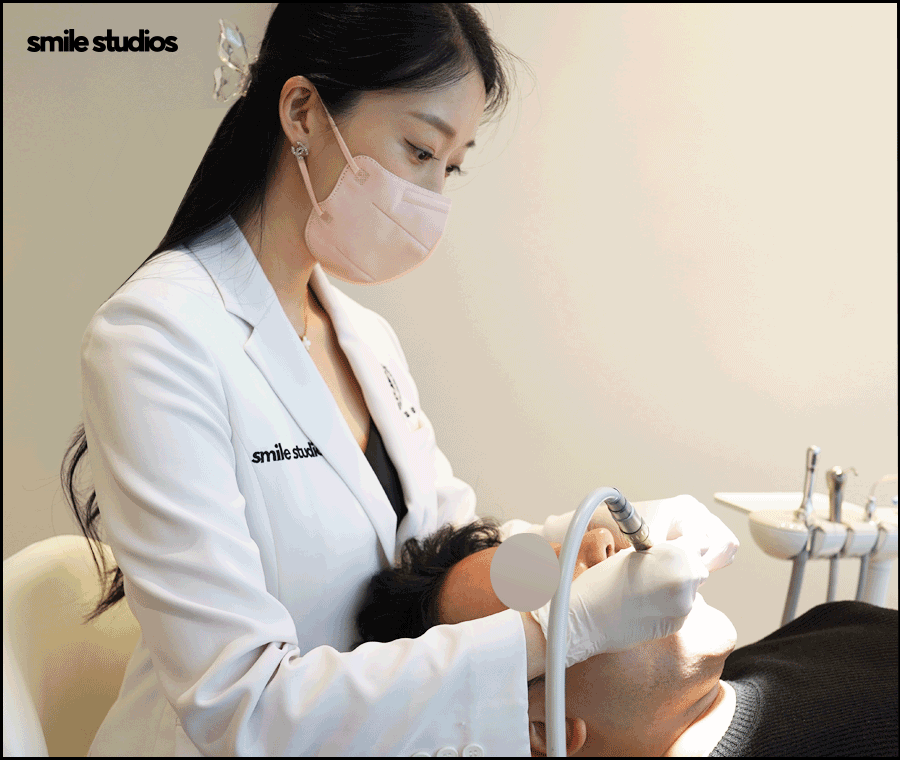
Such a choice can be the first step toward successful treatment.