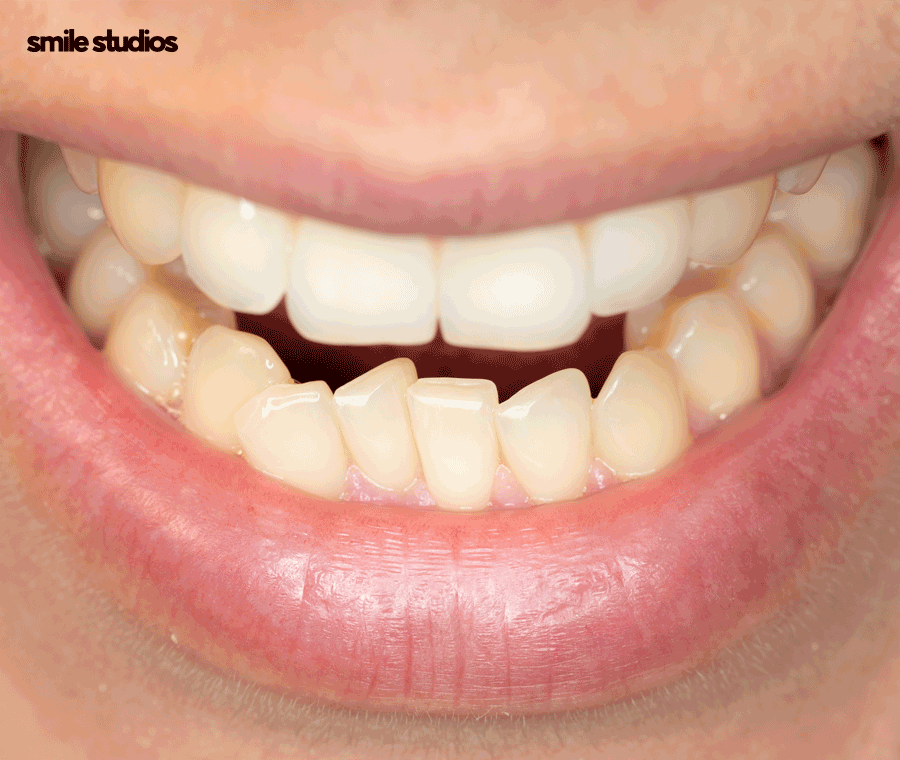
Because of an unattractive bite, people may develop habits such as keeping their mouth closed all the time or covering it with their hand.
As time passes and you enter middle age, you may start looking into whether treatment is possible now.
However, once you are already in middle age, it is natural to worry that it may be too late.
But many people are now seeing satisfying results through approaches that break this stereotype.
The fundamental reason orthodontics is possible even in your 50s
Even as you age, permanent teeth do not stop moving.
The periodontal ligament and alveolar bone, which are the key mechanisms behind movement, maintain their regenerative ability regardless of age.
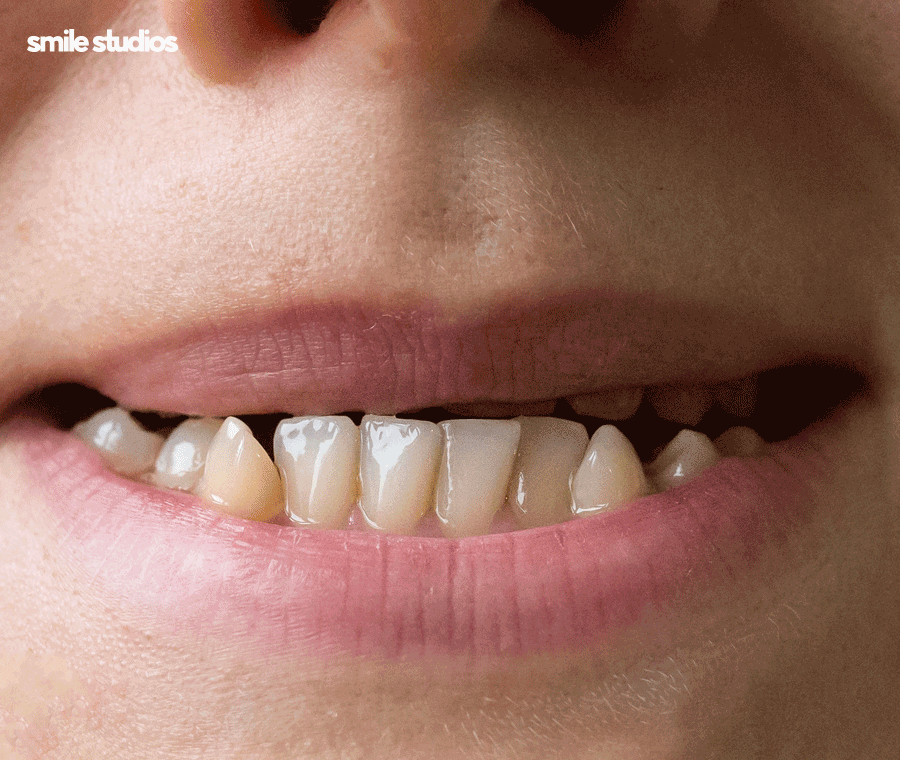
Only the metabolic rate of the bones is somewhat slower compared with youth.
Orthodontic treatment in your 50s can even have advantages.
For adults whose growth period has ended, the likelihood of relapse after movement is relatively low, and treatment planning can be more precise.
In addition, middle-aged patients often have a higher level of commitment to treatment and self-care, which can lead to better results.
Suitable modern orthodontic methods
- Invisalign
Invisalign, made from clear plastic, is especially popular among middle-aged patients.
This is because people in this age group are often active in working life and social activities, so aesthetics are a very important consideration.
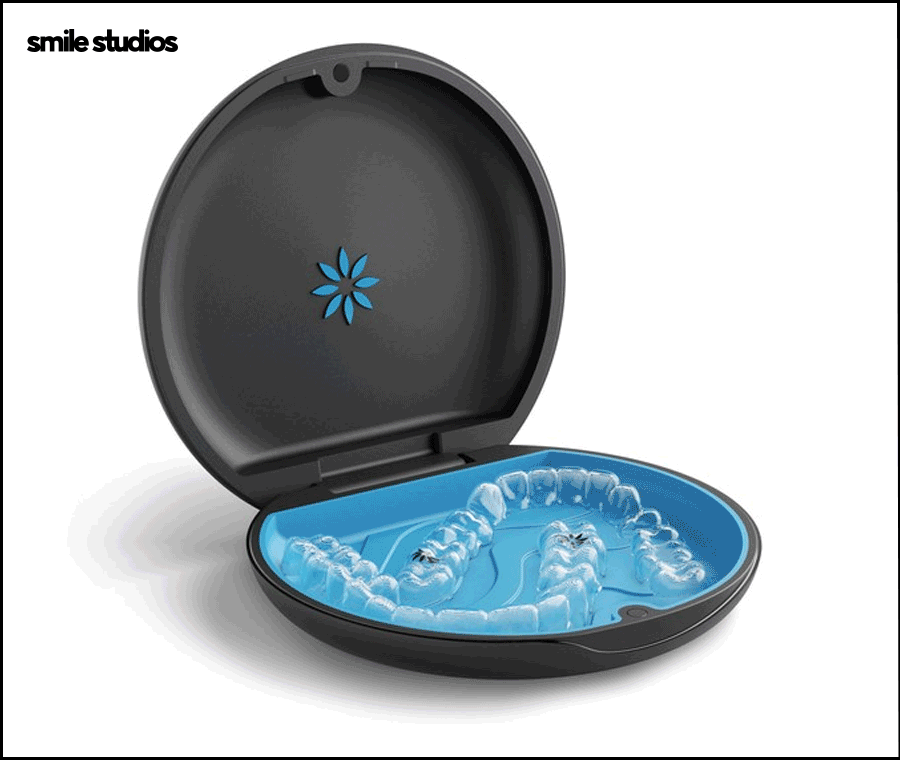
It must be worn for at least 20 to 22 hours a day, but it can be removed when eating and brushing, which is beneficial for oral care.
Because you can preview the results in advance through computer simulation, you can proceed with greater peace of mind.
- Nanoliner
This method gradually replaces several stages of transparent sheets to move the teeth.
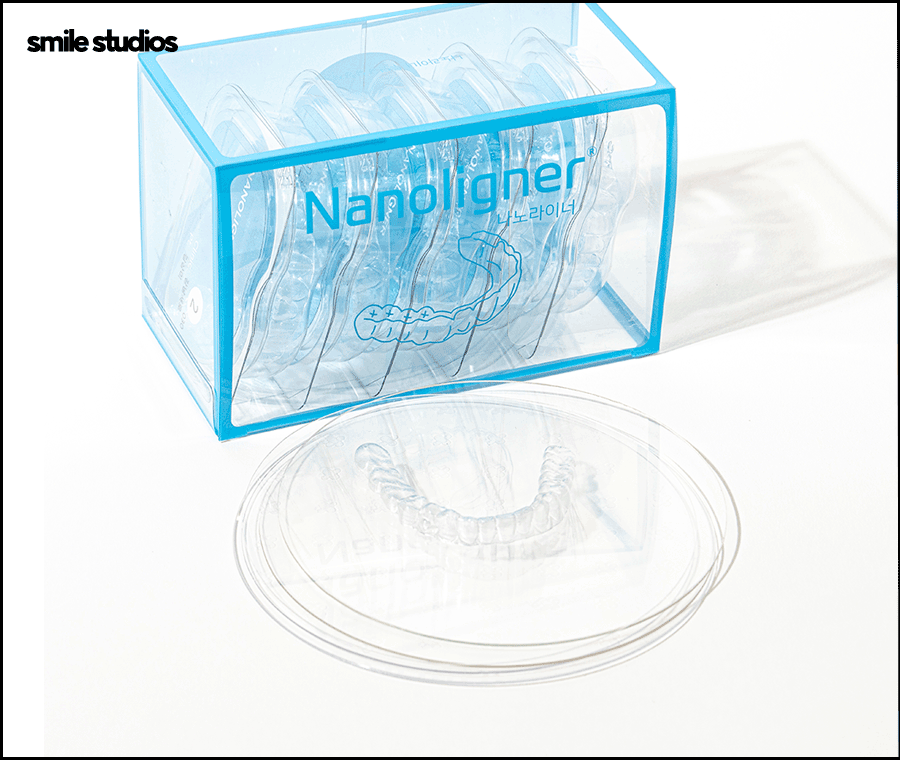
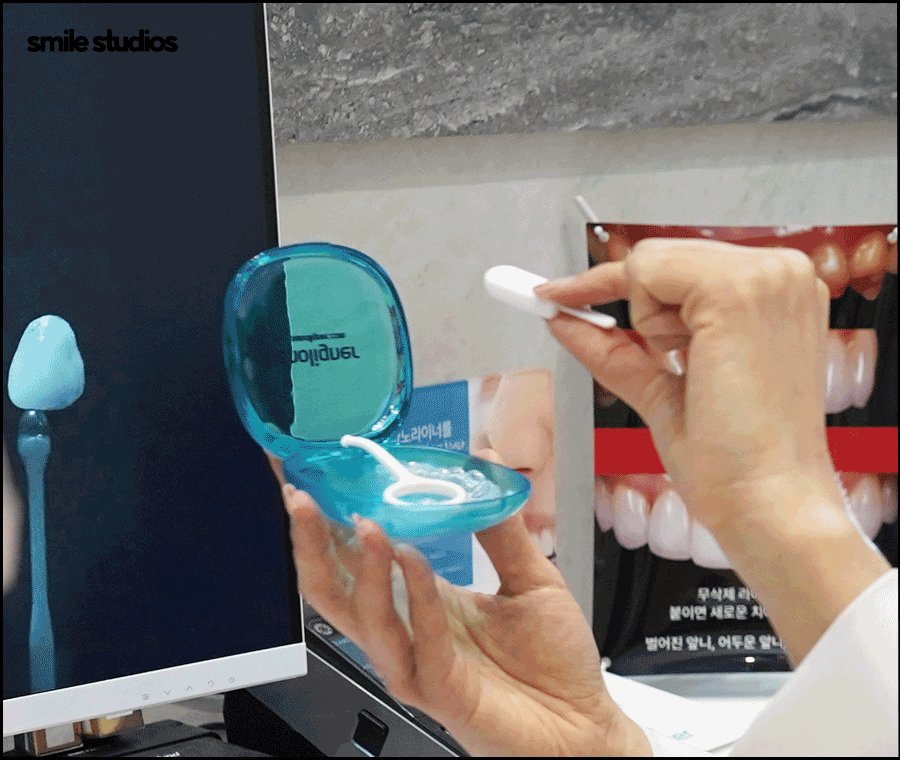
It also requires wearing for at least 20 to 22 hours a day, and it offers the advantage of being able to check the expected results in advance through simulation.
Because you can feel the changes in your natural teeth step by step, you can experience a sense of accomplishment during the process.
Benefits of orthodontic treatment in your 50s
If your teeth are misaligned, brushing, flossing, and using interdental brushes can be difficult, making it easier for plaque and tartar to build up.
If alignment is improved through this treatment, hygiene management may become easier and it may help prevent disease.
In particular, it may also contribute to slowing the progression of periodontal disease, which is common in this age group.
Of course, results can vary depending on an individual's oral condition and care habits.
And proper occlusion plays an important role in effectively chewing food.
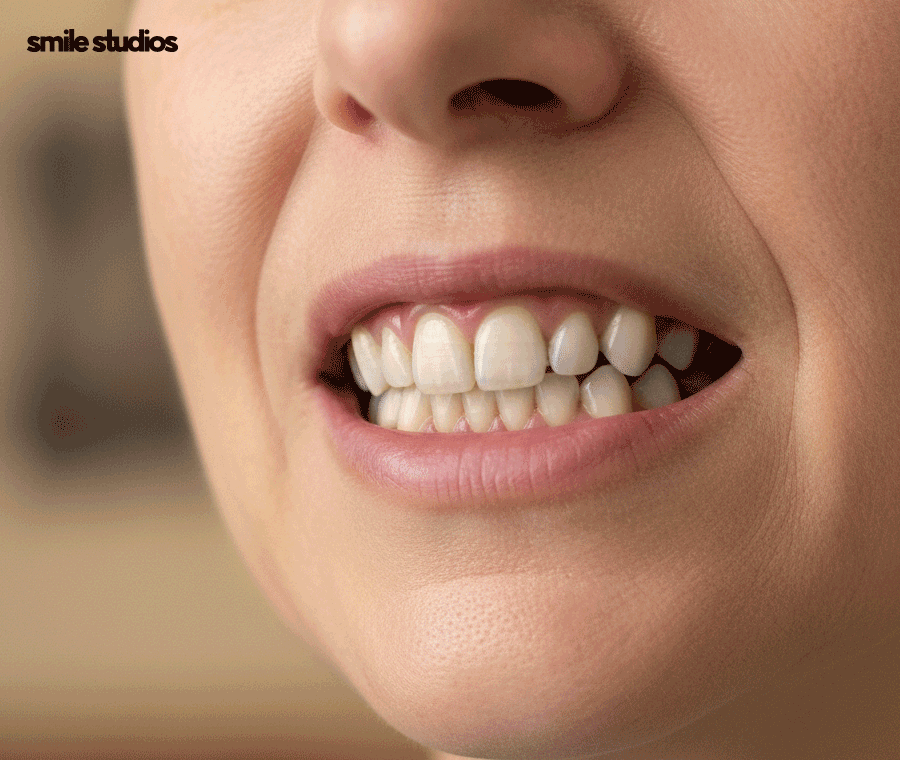
If you have had the habit of chewing on only one side because of malocclusion, treatment can help you use both sides evenly.
This may have a positive effect on breaking down food in the mouth, the first stage of digestion.
Considerations during treatment
- Treatment period and process
In the case of orthodontic treatment in your 50s, the treatment period may be somewhat longer than when receiving it at a younger age.
It is usually estimated at around 1 to 2 years, but it can vary depending on the individual's condition and goals.
Therefore, active cooperation such as regular checkups, appliance replacement, and oral care is a key factor for success.
- Relationship with overall health
In middle age, it is not uncommon to have systemic conditions such as diabetes, high blood pressure, or osteoporosis.
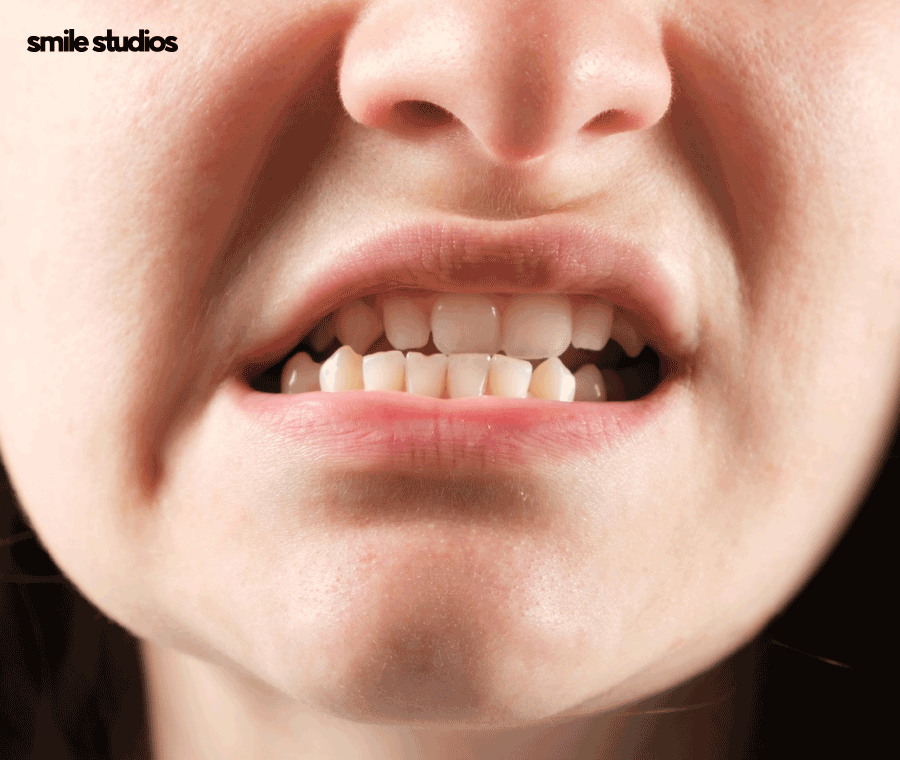
In such situations, it is important to understand your health status through appropriate consultation in advance.
If you are taking certain medications or have a weakened immune system, it is necessary to make a careful decision about proceeding.
- Expectations for psychological and social effects
Improving appearance through orthodontic treatment can also lead to greater confidence.
You may be able to naturally show your teeth when smiling, and your pronunciation may become clearer.
Through this, you may experience positive changes in interpersonal relationships and work life.
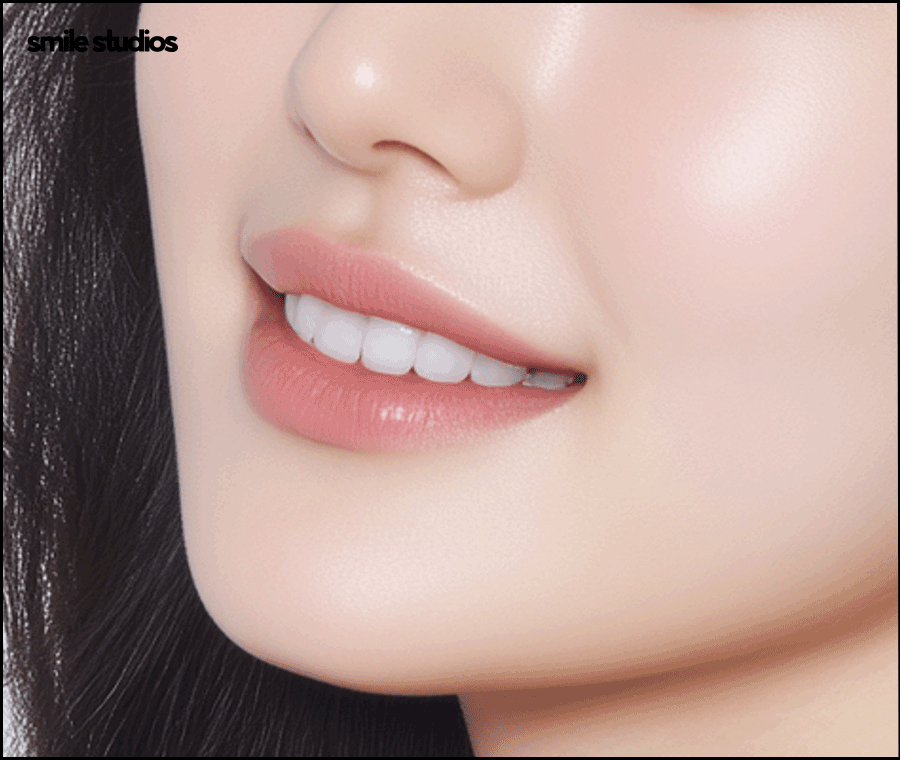
However, these changes vary from person to person, and it is important to set realistic goals.
With advances in modern medical technology and the emergence of various options, middle-aged patients can also achieve satisfying results.
A careful approach based on each person's condition and health is necessary, and consultation with medical professionals should take place.
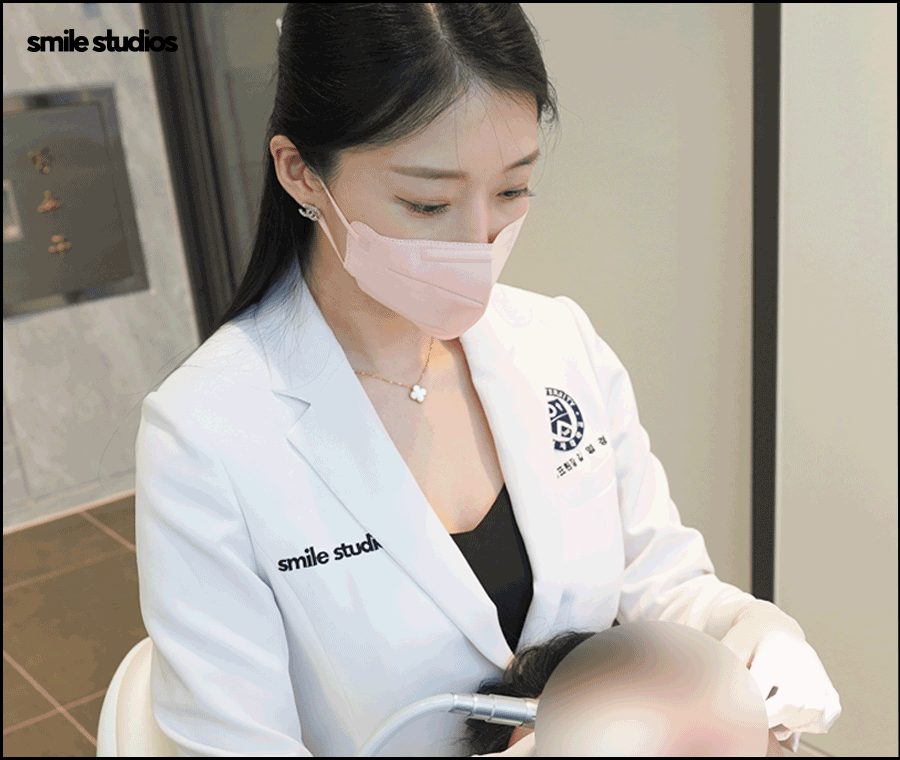
You may think it is too late, but orthodontic treatment in your 50s is still not too late.