목동울쎄라 when should you get it?
If you still don’t know?
목동울쎄라

Hello.
I’m Kim Jin-hyeon, Chief Director of the Mokdong branch of You&I Clinic.
As you watch your skin gradually sag, you may think, “Well, this is just what happens as you get older.”
But these days, various nonsurgical lifting procedures have developed quite a lot, so it is possible to improve skin firmness relatively easily.
Among them, Ulthera is known to deliver energy deep into the skin, all the way to the SMAS layer, using high-intensity focused ultrasound, helping to improve firmness.
But once you actually try to decide on a treatment,

“Will it really work?”
“What's the difference from other lifting treatments?”
“Will the results last as long as the price suggests?”
Questions like these are bound to come up.
So today, I’ve prepared this post to answer your questions myself.
If you’re wondering whether to get Ulthera or not, please focus for just 3 minutes and read on^^
Table of Contents
목동울쎄라
Why Ulthera’s effects differ from person to person
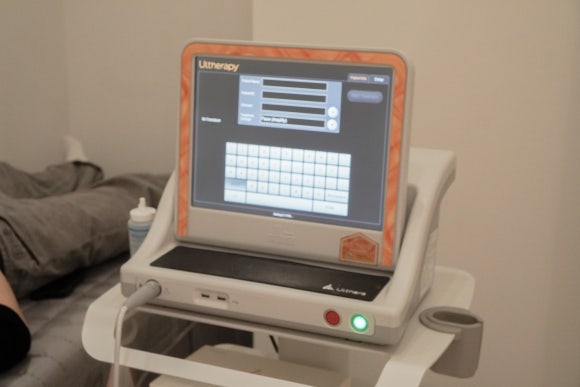 Ulthera
What matters when getting Ulthera is the degree of loss of elasticity and the condition of each person’s skin layers.
Let’s take a typical case as an example.
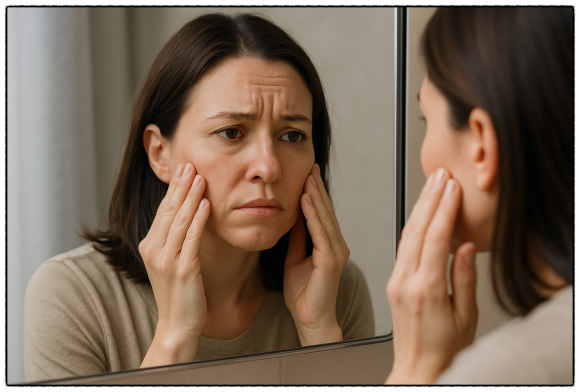
In your 30s to 40s, elasticity may decline a little, and mild sagging often appears, such as slightly softened cheeks or jawline.
At this stage, Ulthera alone can still be helpful enough.
If you undergo the procedure preventively before the sagging becomes more severe, it can slow the pace of aging and help maintain a natural lifting effect.
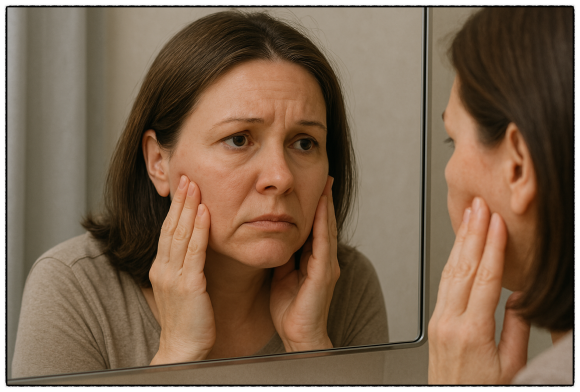
But what if you are entering your 40s to 50s and the cheek and jawline area has become noticeably collapsed,
and even nasolabial folds have deepened to the point that you are facing a moderate or greater degree of sagging?
At first, Ulthera may still be somewhat helpful.
However, if elasticity continues to decline significantly, Ulthera alone may not bring the level of improvement you want, and surgical lifting may be necessary.
The reason is as follows.
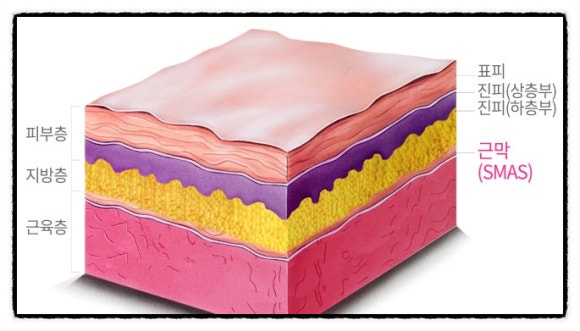
Ulthera is a procedure that works by delivering ultrasound energy to the SMAS layer, a fascial layer, to induce collagen regeneration and tissue contraction.
Because it works by more actively encouraging the skin’s self-repair ability and improving elasticity, if the situation is already extremely poor, it may not create a major change.
Therefore, if the skin is thin and the SMAS layer is located closer to the surface than in others, or if there is not much fat in the layer, the energy can be delivered appropriately and you may expect a better result.

However, as mentioned above, if the skin is already excessively stretched, or if the fat layer is too thick for the energy to be delivered properly, the changes from simply stimulating the SMAS layer will inevitably be limited.
Based on these points, it is best to carefully consider whether Ulthera is right for you or whether another procedure should be considered.
목동울쎄라
Differences from Shurink
One of the lifting procedures often mentioned alongside Ulthera is Shurink.
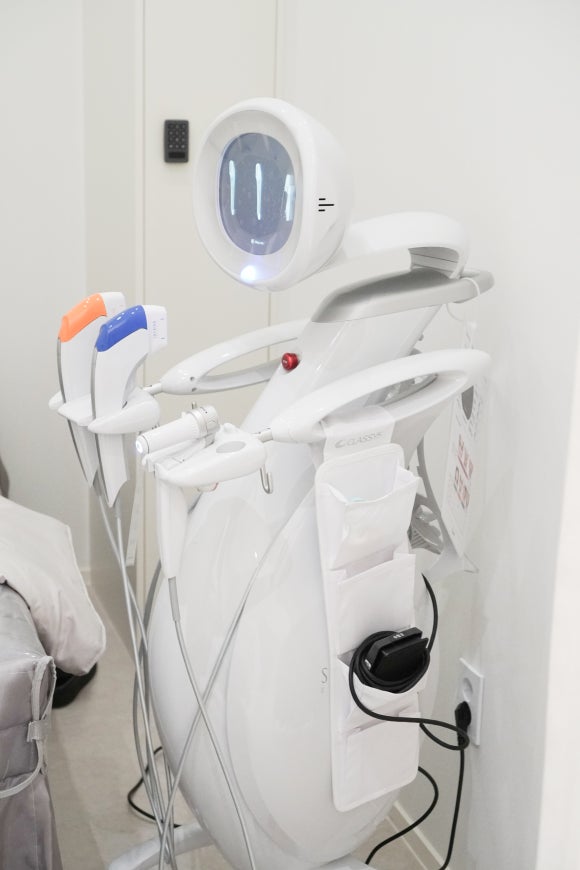
Shurink Universe
Shurink is also a lifting device in the same high-intensity focused ultrasound category as Ulthera.
You might think that if the same energy is applied, the effect should be the same as well.
But that is not entirely true.
Here I’ll explain the differences between Ulthera and Shurink.
- Real-time image guidance
Ulthera can deliver energy while viewing real-time ultrasound images during the procedure.
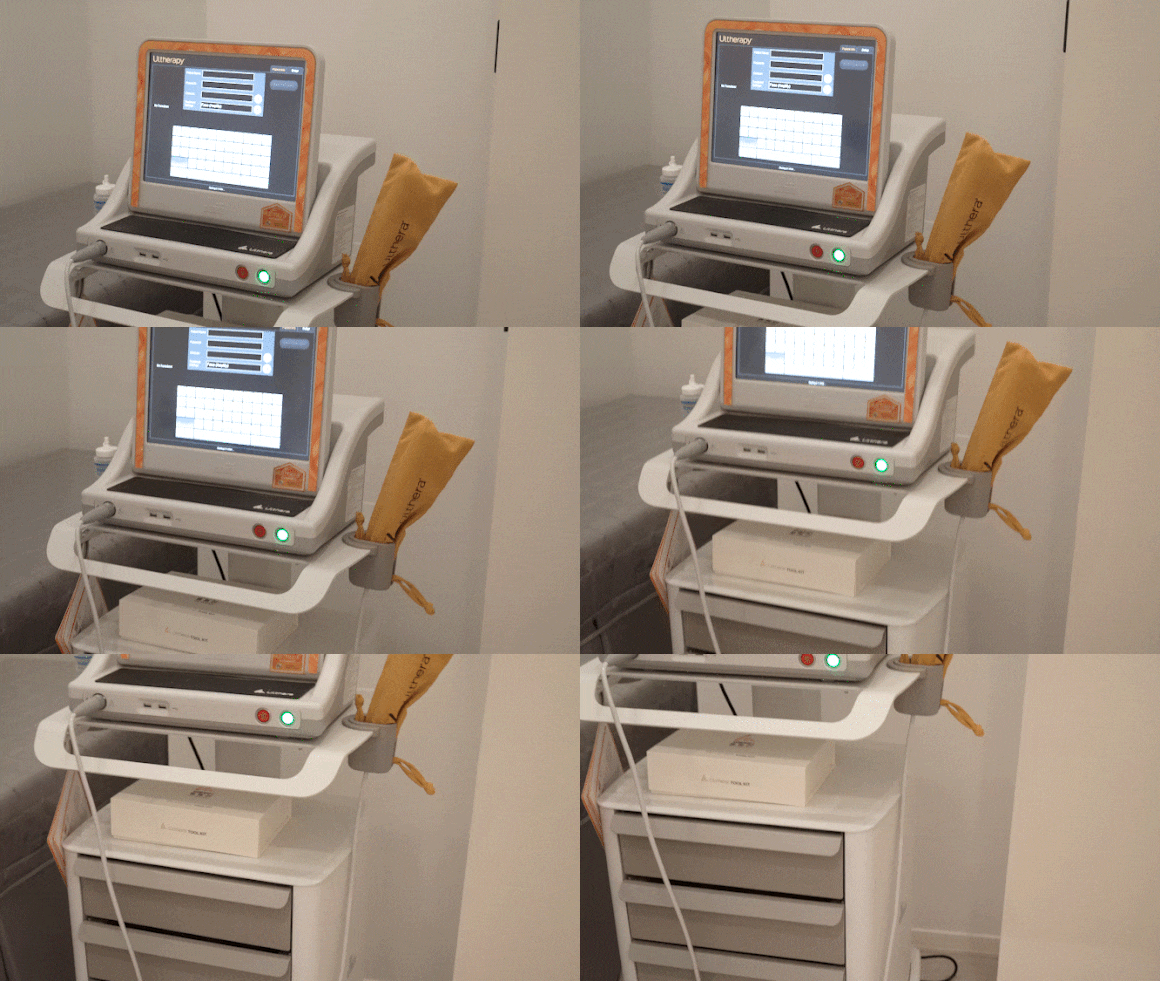
This makes it possible to identify the SMAS layer more clearly and deliver energy while avoiding nearby nerves and blood vessels.
However, Shurink generally does not have real-time image guidance, so even for experienced medical staff, it is said to be difficult to judge the depth as clearly as with Ulthera.
- Differences in the device and tip structure
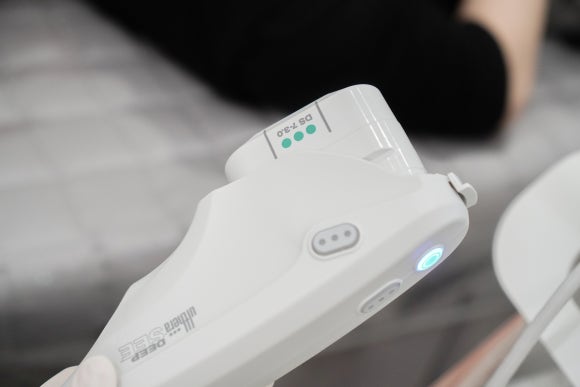
Ulthera tip
Ulthera delivers energy in a linear pattern, creating thermal coagulation points at regular intervals along a set line.
Shurink, on the other hand, uses a spot-delivery method, creating multiple coagulation points at once.
Because the energy concentration method differs, Shurink tends to have a shorter delivery time than Ulthera and may involve less pain relatively.
However, Ulthera, which forms coagulation points at regular intervals along a fixed line, is considered to offer greater precision.
- Energy settings and duration of effect

Although there are individual differences, Ulthera can produce quite noticeable changes with just one session.
In addition, the results tend to last for about 6 months to more than 1 year.
Shurink, on the other hand, may be more appealing in terms of cost-effectiveness and may feel less burdensome in terms of pain, but it does have the characteristic of needing to be performed relatively often.
So while Ulthera is generally more expensive, efficiency can vary depending on the individual when you consider treatment intervals, number of sessions, and how long the results last.
It cannot be said that one is absolutely better than the other, and it is important to choose carefully by considering your budget, your tolerance for pain, your treatment goals, and the expected duration.

The reason Ulthera remains popular despite being a relatively expensive procedure is its relatively short treatment time, minimal downtime, and the degree of improvement that can be expected.
However, as with all procedures, individual differences exist, and it is important not to expect too much too soon.
I would like to emphasize that before the procedure, it is best to receive a clear diagnosis first so you can understand whether Ulthera is a suitable treatment for you and what factors should be considered.^^
This was Kim Jin-hyeon, Chief Director of You&I Clinic Mokdong.
Thank you.
< Other helpful posts >
< Directions >