Precautions When Getting Filler for the Corners of the Mouth in Mok-dong
<Written by a Doctor>
Mok-dong Filler

Hello.
I am Kim Jin-hyeon, Chief Director of the Mok-dong branch of You&I Clinic.
“ I want to lift the corners of my mouth
so I can look brighter! “
“ I want to change from looking gloomy to looking like I’m smiling! “
“ With corner-of-the-mouth filler, how naturally
can it be lifted? Are there any side effects? “
In fact, more and more people these days want to soften their impression or create a slightly uplifted smile line by injecting filler around the corners of the mouth.
However, the lips and the area around the mouth have a dense network of blood vessels and nerves, making this one of the areas that requires especially careful attention among treatment sites.
This is what you must pay attention to when getting filler for the corners of the mouth!
From now on, I will explain it myself.
Table of contents
Mok-dong Filler
The mechanism of filler
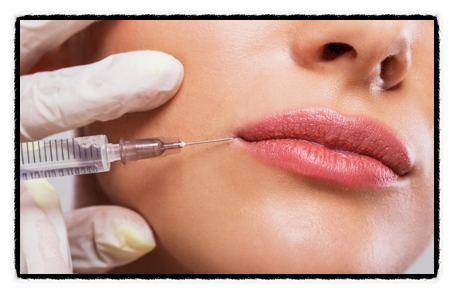
Filler is a procedure that mainly uses hyaluronic acid-based substances and can help replenish volume or correct shape by targeting the area under the skin with a syringe.
Hyaluronic acid is a polysaccharide that naturally exists in the human body, and because it has a high ability to bind water molecules, it helps maintain a sense of volume.
It also has the property of being gradually broken down and absorbed by enzymes in the body, so it naturally disappears over time.
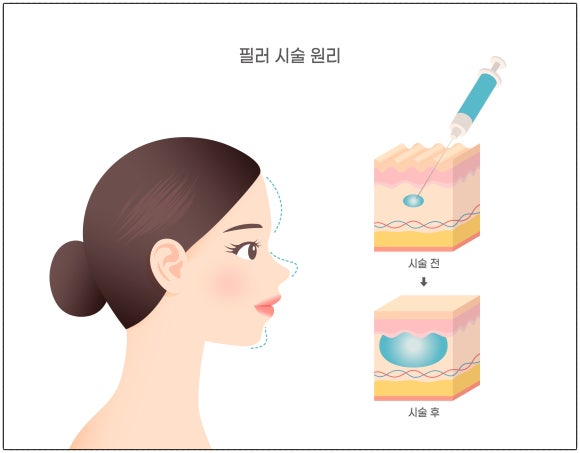
The area where filler is injected fills the space or creates a lifting effect in the soft tissue, which smooths wrinkles or changes contours.
That is why it is used in many ways to improve facial contours such as the nose, forehead, and cheekbones, or to add volume to the nasolabial folds, around the mouth, and the lips.
Hyaluronic acid filler has relatively low allergy risk, and even if a problem occurs, it has the advantage of being dissolvable with an enzyme called hyaluronidase.
However, because this is a procedure that uses injections, whether it is performed directly by an experienced medical professional is extremely important in order to prevent vascular accidents or inflammation.
Mok-dong Filler
The principle of corner-of-the-mouth filler
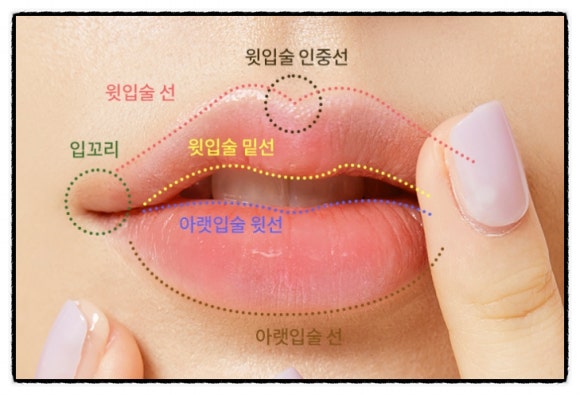
Corner-of-the-mouth filler works by slightly lifting the supporting structure around the corners of the mouth through volume replenishment.
If filler is injected beside or below the corners of the mouth and gently adds volume, the skin and soft tissue are supported upward, making the corners of the mouth appear slightly lifted.
Just as filling wrinkles or sunken cheeks with filler creates volume, supporting the tissue around the corners of the mouth can partially offset the action of the depressor anguli oris muscle, which pulls the corners of the mouth downward.
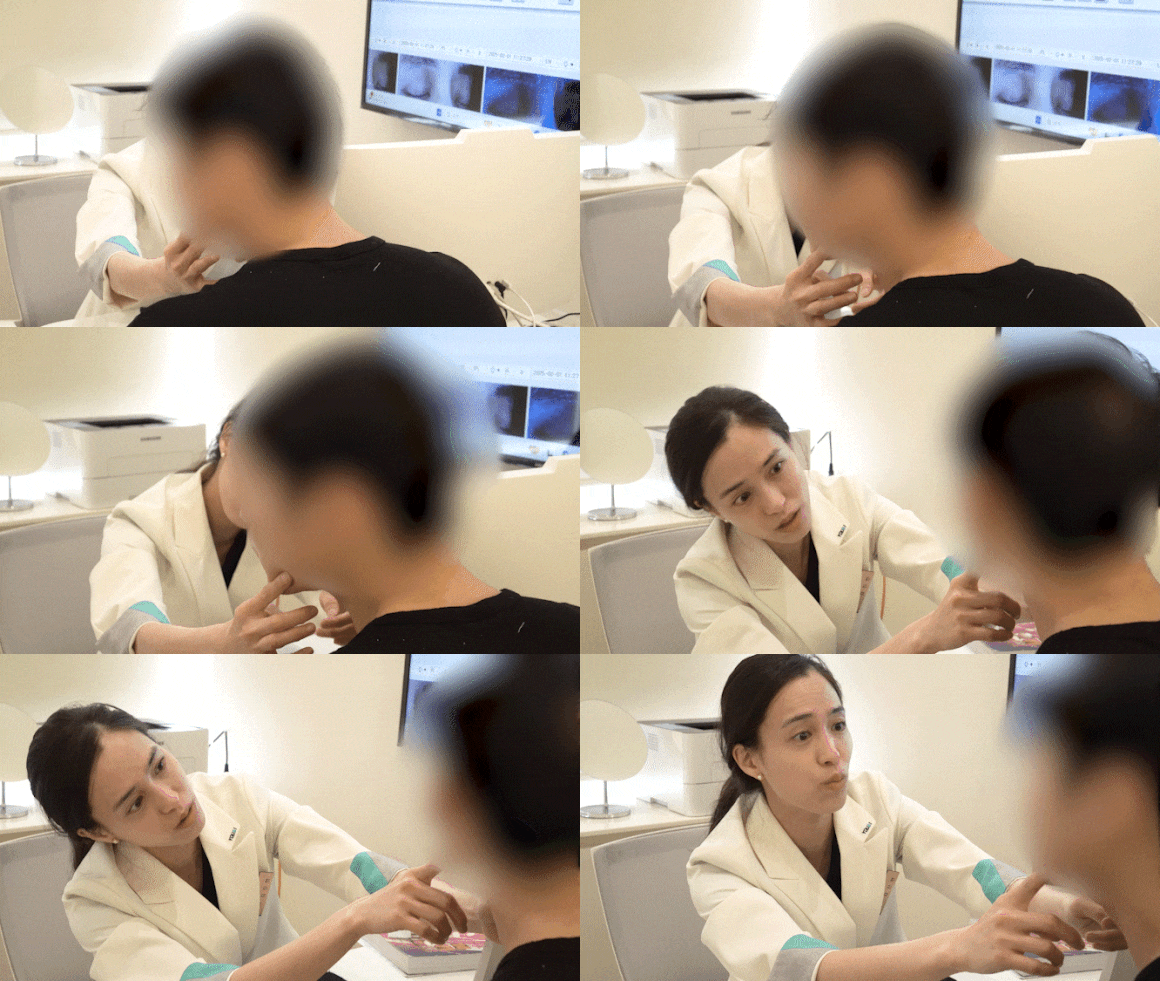
However, the skin around the lips is thin and rich in blood vessels, and because it is an area sensitive to infection and vascular accidents, the approach during the procedure must be very precise.
A key feature is that changes in the shape of the corners of the mouth can be observed immediately after the procedure, and although some swelling or bruising may occur, it generally subsides naturally.
Depending on individual constitution, product type, and injection amount, corner-of-the-mouth filler can last about 6 to 12 months, and if you want to maintain it consistently, repeated treatments may be necessary.
Mok-dong Filler
Side effects of corner-of-the-mouth filler

The area around the mouth is densely packed with facial blood vessels and nerves, making it one of the more technically difficult areas for filler procedures.
Even a small mistake can cause vascular complications or asymmetry, so caution is essential.
If filler is mistakenly injected into a blood vessel, blood flow can be blocked, creating a risk of tissue necrosis or vision loss.
Because the area around the mouth is where the labial artery and branches of the facial artery pass, care must be taken so that the injection can be made carefully at the correct layer.
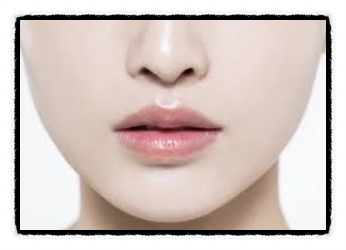
Also, because the area around the mouth has abundant capillaries, bruising and swelling can occur relatively easily.
However, most cases improve naturally within 1 to 2 weeks, so there is no need to worry too much.
What many people are actually concerned about is asymmetry.
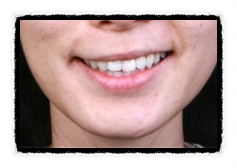
The heights of the corners of the mouth on both sides may differ.
To prevent this situation, precise injection techniques and appropriate dosage settings are very important.
Immediately after the procedure, slight left-right differences may occur due to swelling, so after about 1 to 2 weeks, it can be checked again and corrected with additional injection if necessary.

If performed with the proper method, corner-of-the-mouth filler can be a good option for making the area around the mouth look softer and brighter.
However, because of the characteristics of the area around the mouth, the procedure is more difficult than in other areas and the risk of side effects may be relatively higher, so it is important to receive treatment from an experienced and skilled medical professional with an appropriate dosage and a customized plan.
This has been Kim Jin-hyeon, Chief Director of You&I Clinic Mok-dong.
Thank you.
< Related posts you may find useful >
< Directions >