서울잡티제거
You Shouldn’t Focus Only on Pigment
서울잡티제거

Hello.
I am Kim Jin-hyun, Chief Director at Yu & I Clinic Mokdong Branch.
“ Aren’t melasma, freckles, and lentigines all just blemishes? ”
Many people have concerns about the red and blotchy “blemishes” they see on their faces.
But what may look like pigment at first glance could actually be different skin lesions.
So when making a treatment plan, rather than simply approaching it with the idea of “Can’t I just use a pigmentation laser?”, it’s important to look into things more carefully.
That’s because it may be a skin condition caused by a combination of pigment, blood vessels, inflammation, and barrier dysfunction.
So the very first step in blemish removal treatment is a detailed diagnosis.
From now on, I’ll explain in detail why blemish removal should not target pigment alone, and how the direction of treatment should be determined.
Table of Contents
서울잡티제거
What are blemishes?
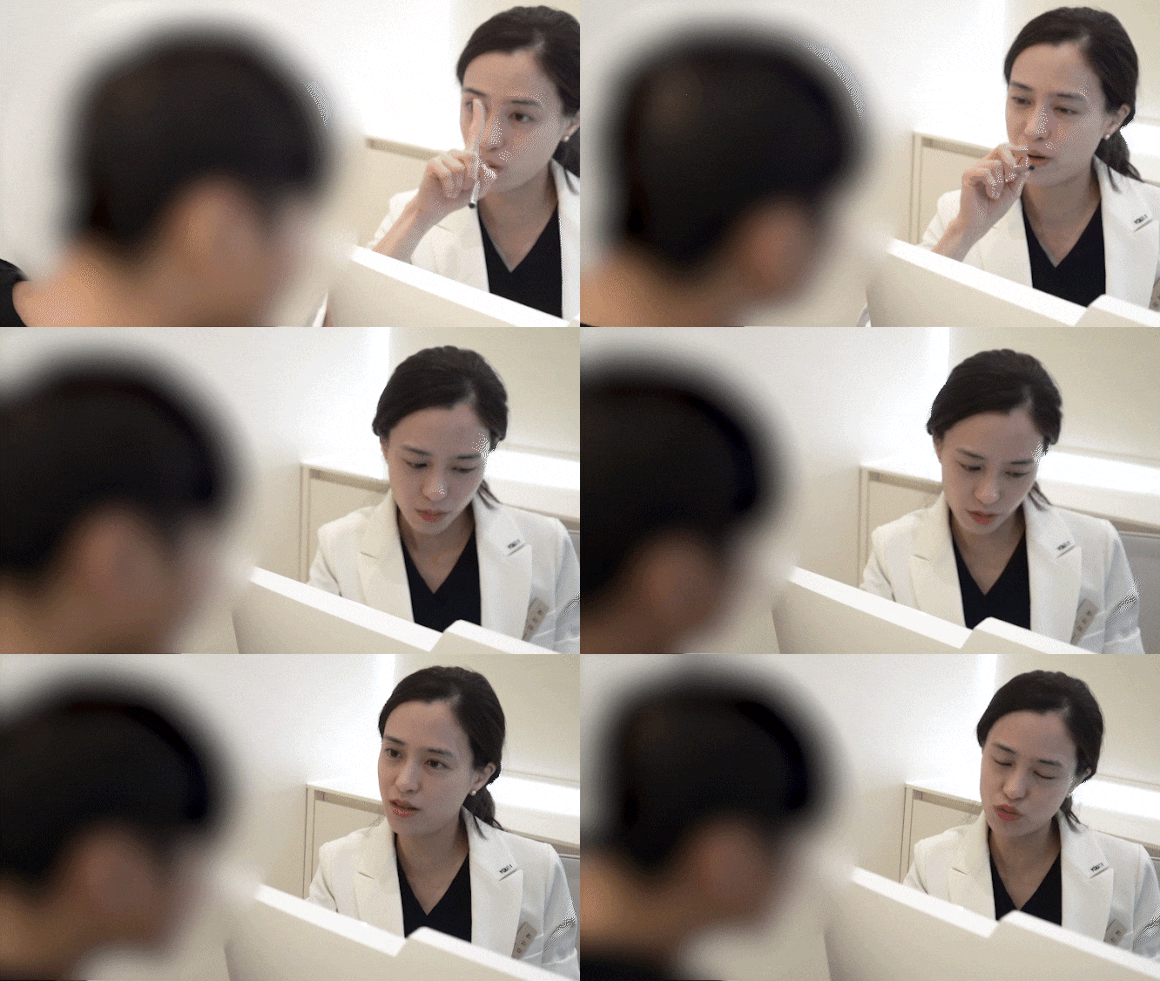
First, let’s define the term.
In fact, “blemish” is not a formal medical term.
It is more accurate to see it as an everyday term used to group together pigment disorders with different causes and appearances, such as melasma, freckles, and lentigines.
So in today’s post, I’ll use the word “blemishes” for convenience to help with your understanding, and I ask for your understanding.
Then shall we begin in earnest? Why do blemishes occur?
The background behind blemishes is more complex than you might think.

Sunlight and ultraviolet rays stimulate melanin, and hormonal changes can activate melanocytes.
In addition, oxidative stress and chronic inflammation are also involved in a complex way.
That’s why blemishes should not be approached as a simple pigment treatment.
It is more important to first identify the clear reason why they appeared, and then create a customized plan accordingly.
서울잡티제거
Why you should not focus only on pigment treatment for blemish removal
Many people mistake skin lesions for simple pigmentation and try to get pigmentation laser treatment without any other consideration.
However, in such cases, the condition may actually worsen, or other side effects may occur.
The results are likely to be poor compared with the time and effort invested.
I’ll explain the reasons in three parts from here.
The first reason is inflammation and oxidative stress.
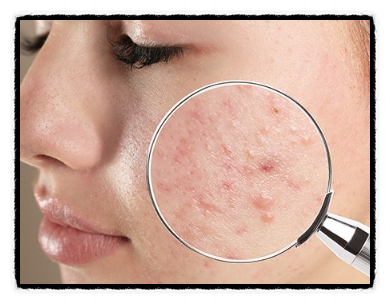
Some of you may have experienced cases where, even after laser treatment removes melanin, dark red or brown marks remain.
This is because microinflammation that occurs during treatment can lead to post-inflammatory hyperpigmentation.
Even if the melanin itself is removed, if inflammation is not properly managed, the skin may become even darker.
Second, the vascular and dermal environment.
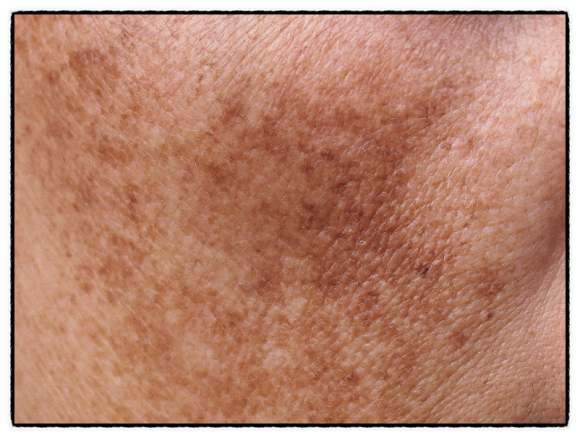
Melasma
For example, in the case of melasma, not only pigment but also the vascular aspect—such as fine blood vessels that have expanded within the skin—is important.
So unless you use a wavelength that addresses the vascular mechanism differently and helps stabilize the blood vessels, the condition often recurs quickly even after treatment.
That is why the treatment method must be changed depending on the type of blemish.
Third, barrier damage.
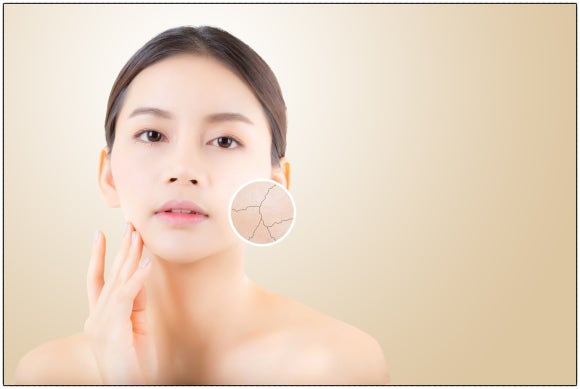
If you repeatedly do lasers or peels just because you want brighter skin while the skin barrier is weakened, the epidermis can become thinner and its protection against ultraviolet rays can decline, which will ultimately lead to a higher recurrence rate.
It is important to manage moisturizing, antioxidants, and sun protection alongside treatment.
서울잡티제거
Blemish removal methods
So it is recommended that you comprehensively consider the various blemish removal methods used in dermatology and choose according to the situation at the time.
Then how do dermatology clinics treat blemishes?
The first is laser treatment.
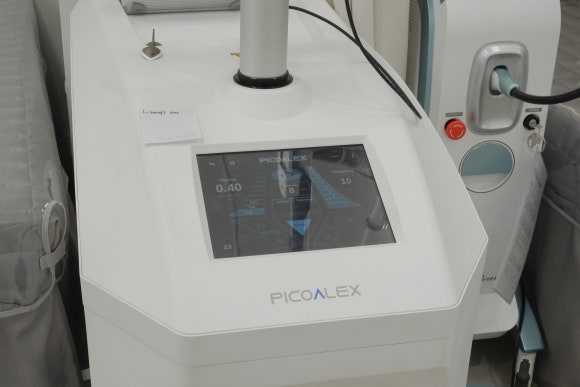
When a high-output laser with a short pulse is applied to break pigment into fine particles, macrophages in our body can more easily clear the remaining debris.
However, if after diagnosis it is judged that applying a high-output laser could instead cause side effects, a treatment approach using a longer wavelength to target both pigment and blood vessels may be devised.
Many people think lasers respond only to pigment, but they can also be made to work on a wider range of targets such as sebum, inflammation, and blood vessels.
That is why a pre-treatment diagnosis is essential even for laser procedures.
Second, reducing inflammation.
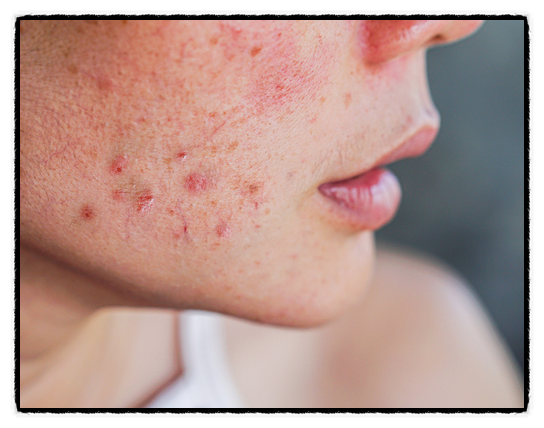
In some cases, blemishes accompanied by inflammation, meaning skin lesions, may occur.
At such times, blocking the inflammation and calming the skin may need to come first.
Treatment can be carried out in a way that lowers the inflammatory response using antioxidants and helps prevent excessive inflammation that may occur after laser treatment.
Third is skin barrier care.
You can think of skin barrier care as the process of restoring the condition of the skin.
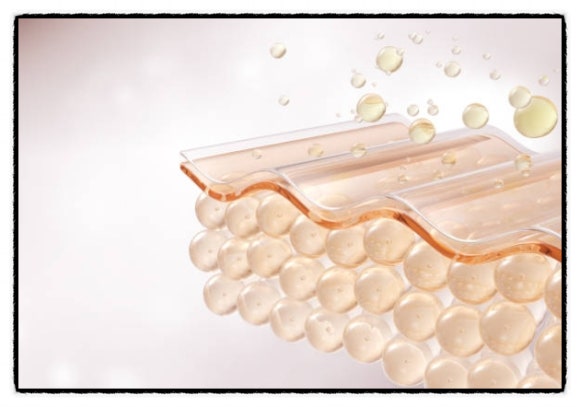
It works by stimulating collagen with micro-energy or ingredients, encouraging the dermal structure to be reorganized.
If laser treatments are repeated too often or strong peels are performed, the skin barrier can become weakened, and later the skin may actually become more sensitive to irritation.
So during treatment, it is important to carefully pay attention to the health of the skin barrier and continue managing it.
In particular, if treatment is received over the long term, skin barrier health must be managed even more thoroughly.
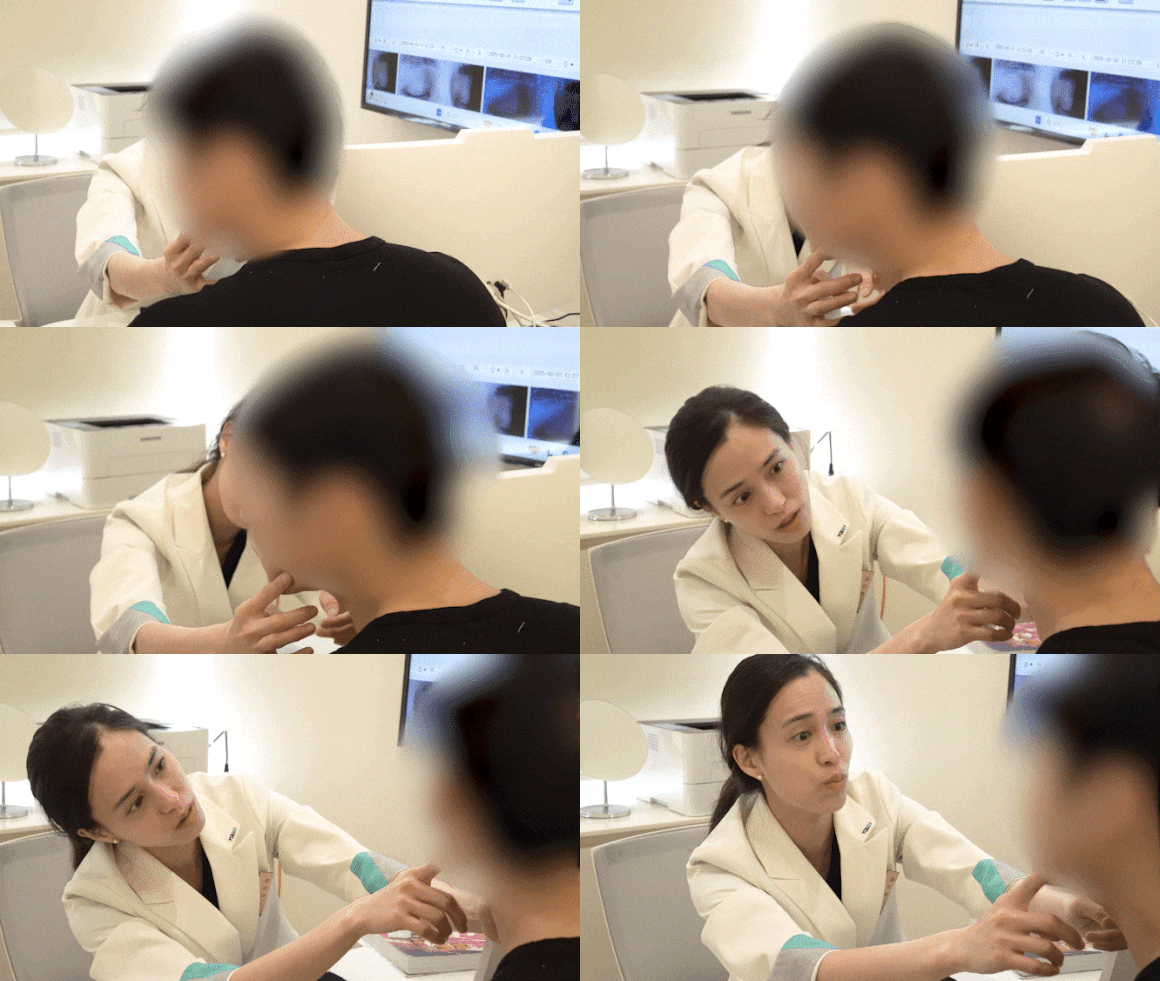
In reality, blemishes have a wide range of causes.
So if you simply remove pigment without a proper pre-diagnosis and end there, the remaining factors—namely inflammation, blood vessels, and the barrier—can again promote melanin production, increasing the recurrence rate.
To lower the recurrence rate, treatment must be designed in a customized way according to each person’s skin condition and skin type.
In other words, if you are considering blemish removal, I recommend first receiving a thorough diagnosis of your skin type and then establishing a customized treatment plan with the medical staff based on the cause.
The real key to blemish removal treatment is to approach it by looking at the entire picture of the skin, rather than focusing only on pigment.
That has been Kim Jin-hyun, Chief Director at Yu & I Clinic Mokdong Branch.
Thank you.
< Other helpful posts >
< Directions >