The Differences Between the Two Versions of InMode in Mok-dong
A Complete Analysis <Written by a Doctor>
Mok-dong InMode

Hello.
I am Kim Jin-hyeon, Chief Director of the Mok-dong branch of You&I Clinic.
“I had an InMode procedure,
but the results were not very good.”
If you talk a little more, however, in many cases the person does not even know which mode was used and simply went ahead based on the name InMode alone.
In fact, InMode is not the name of a single procedure.
InMode is simply the name of a device platform, and using this device, two or more modules can be used to perform procedures for different purposes.
If you undergo treatment without properly understanding this difference, you may end up with results different from what you wanted.
So today, for those of you trying InMode for the first time, I’d like to explain the differences between the two modes in detail.
Table of Contents
Mok-dong InMode
What is InMode?
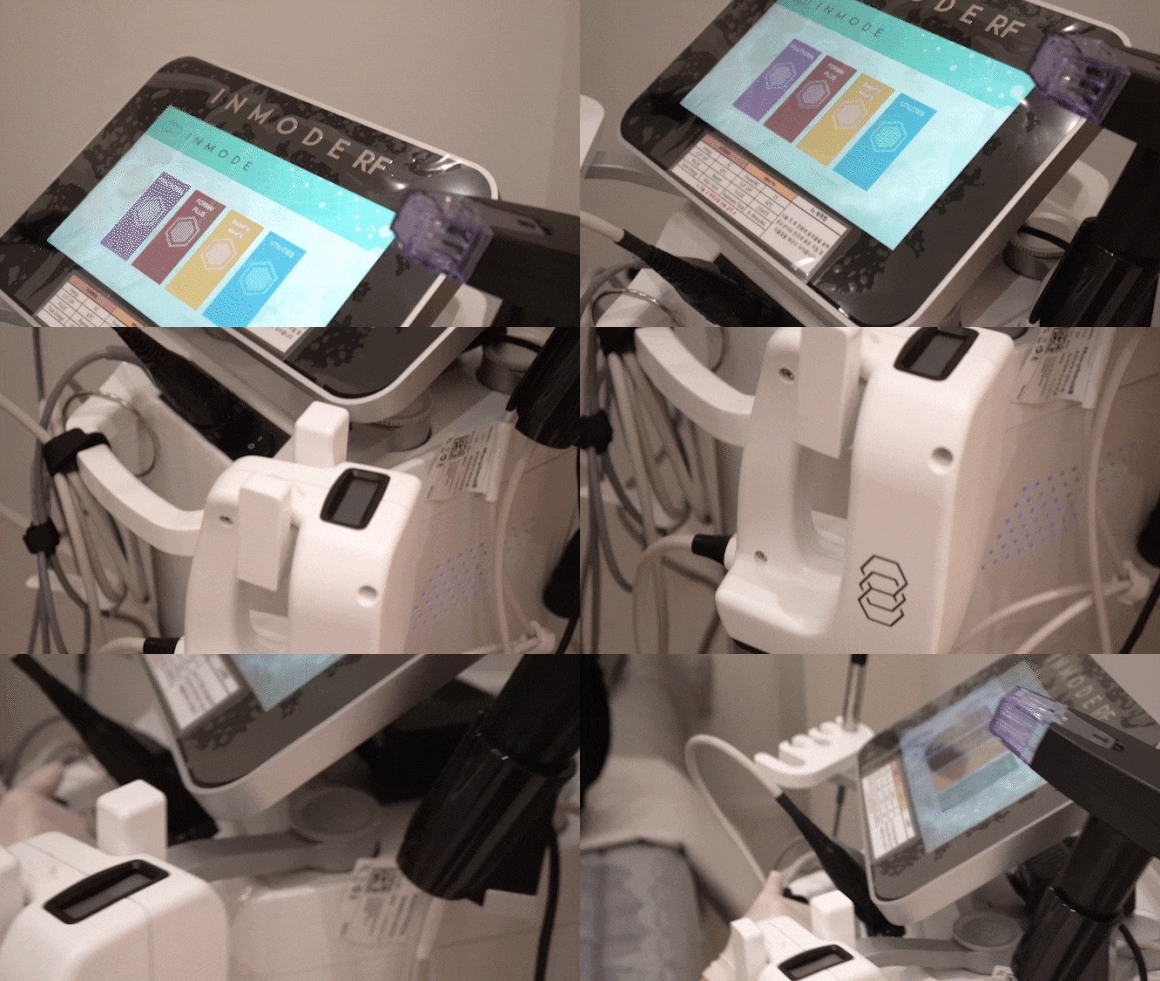
InMode
InMode is a device that uses RF energy to selectively stimulate each layer of the skin.
All InMode modules commonly adopt a bipolar RF method.
This method generates high-frequency current between two electrodes and creates heat inside the tissue through skin resistance.
When the dermis receives heat of 40 to 43 degrees Celsius, it produces heat shock proteins.
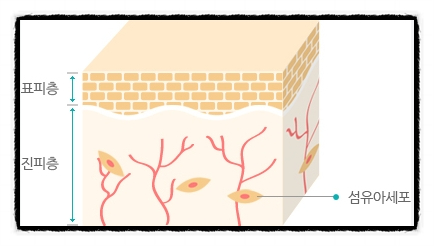
This stimulates fibroblasts and induces collagen synthesis and remodeling.
When energy is delivered to the subcutaneous fat layer, prolonged exposure to heat of 40 to 43 degrees Celsius causes the cell membrane to coagulate, contributing to the destruction of fat cells.
These destroyed fat cells are then naturally eliminated through the lymphatic system.
As you can see, even if the energy comes from the same device, the mechanism of action changes slightly depending on how far it is delivered and for what purpose it is used.
You need to clearly understand this difference in order to make proper use of InMode during treatment.
Mok-dong InMode
FORMA VS FX
InMode can broadly be divided into two modules.
There are two modes, FORMA and FX. While the operating principle is the same in that both are based on RF, they differ in the target layer, response mechanism, and even the results.
You can think of FORMA mode as dermal lifting for improving elasticity.
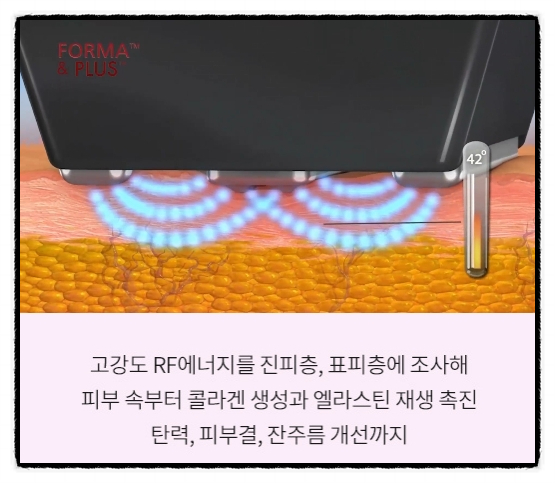
FORMA mode
It targets the dermis with RF energy for the purpose of collagen remodeling and fibroblast stimulation.
By continuously applying gentle heat to maintain a consistent temperature in the dermis, it works to support collagen regeneration through fibroblast activation.
It is a module that can naturally induce lifting without surgery and may help not only with skin elasticity but also with softening fine lines and refining skin texture.
Although it varies from person to person, another feature is that there is generally not much concern about downtime.
On the other hand, FX mode can be thought of as a fat-targeting treatment for contouring.
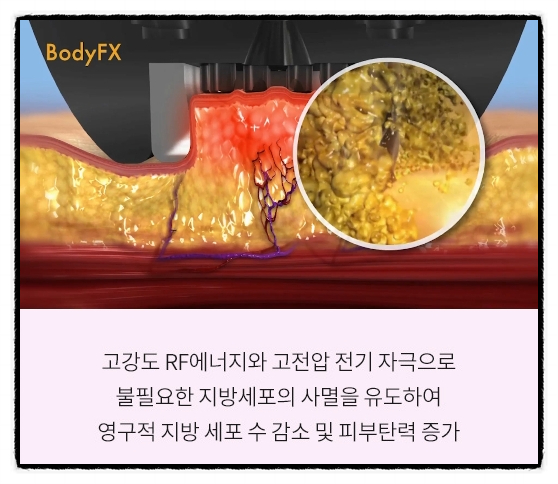
FX mode
In addition to RF thermal energy, suction is used to draw the fat layer closer to the skin surface, where RF is delivered intensively.
In this process, selective destruction of fat cells due to heat may occur, which is the mechanism leading to a more natural contour and reduced bulk.
This module is mainly used to manage overall contours such as a double chin, cheeks, the flanks, or the upper arms.
Again, results may vary from person to person, but FX mode may involve temporary swelling or bruising. However, these usually subside naturally, so there is generally no major reason for concern.
Mok-dong InMode
When should each mode be used?

“I want lifting,
but I also want to slim my jawline a bit.
Which one should I get?”
This question ultimately requires careful consideration of whether the target is the dermis or the fat layer.
When FORMA mode is needed
When the skin appears saggy
When fine wrinkles and pores have both become more noticeable
When loss of elasticity has made the skin texture look uneven

When FX mode is needed
When cheek fat or jawline fat is gathered and creates a heavy impression
When the fat volume is prominent and the contour is not clearly defined
When volume reduction is needed, such as for a double chin, hollow cheeks, or prominent side cheekbones
When there are localized areas that do not respond to dieting
When body line refinement is needed
However, depending on the situation, these two modules can also be used together.
When both loss of elasticity and fat along the jawline are concerns
When you want to perform overall lifting and contour refinement together
In such cases, rather than using only one module, combining the two efficiently may lead to more satisfying results.
However, there is one thing to be careful about.
If there is little fat or the skin is very thin, using FX mode may lead to volume loss or skin atrophy.
Conversely, if the face has thick skin and a lot of fat, FORMA mode alone may not produce enough change.
All of these judgments should be made after clearly analyzing the facial structure and skin condition, and a treatment approach that simply “fires shots” without thought can instead become a cause of side effects.

InMode is an excellent device, but the device itself does not always guarantee results.
FORMA and FX differ from each other in both operating principle and purpose, and only when a treatment plan is designed after properly determining whether the issue is skin elasticity or whether fat should be addressed first can meaningful results be expected.
I hope you can use InMode wisely by referring to today’s post^^
This has been Kim Jin-hyeon, Chief Director of You&I Clinic Mok-dong.
Thank you.
< Related posts you may also find useful >
< Directions >