Yangcheon-gu acne treatment
Yangcheon-gu acne treatment: If you’re tired of repeated breakouts, read this.
Yangcheon-gu acne treatment
Hello.
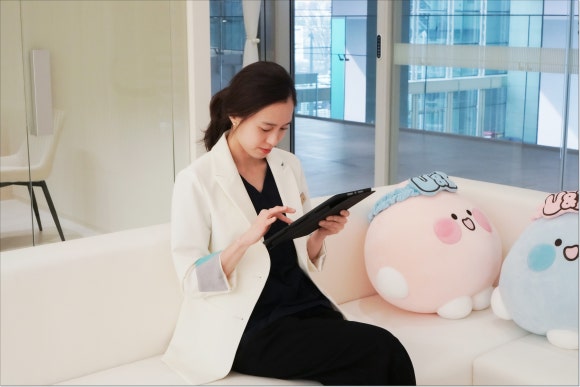
I’m Kim Jin-hyeon, Chief Director of the Mokdong branch of You&I Clinic.
“Acne has come up again…”
It may quiet down for a while, but when you’re tired it comes back again, and just when you think it’s gone and feel relieved, it becomes noticeable once more.
Even after trying various methods, it’s frustrating to see it keep coming back.
If acne leaves scars, it becomes even more bothersome.
Today, I’ll explain a practical guide for getting out of the cycle of recurring acne, from the causes of acne to treatment methods, and even scar prevention and management.
Table of contents
Yangcheon-gu acne treatment
Why on earth does acne happen?
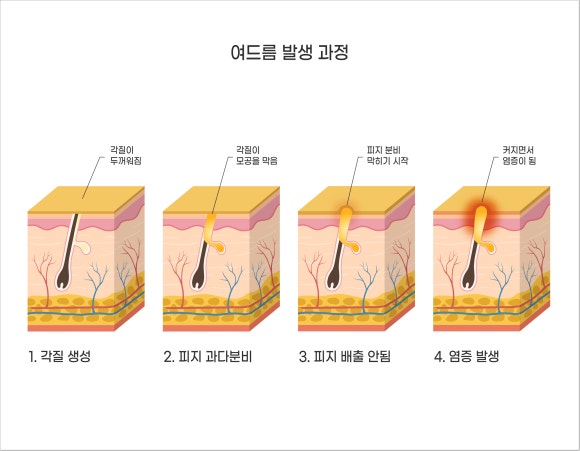
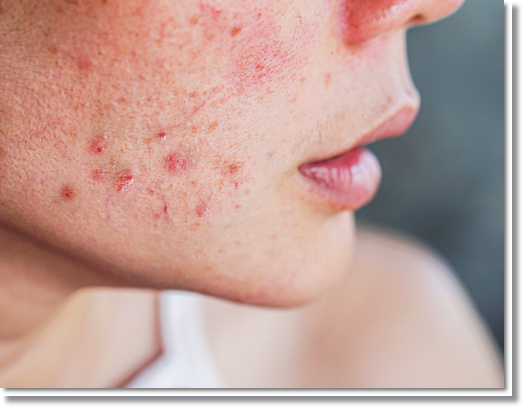
Acne that appears as red bumps on the skin may look like a simple skin problem, but in reality it is an inflammatory condition involving the skin’s sebaceous glands and pores in a complex way.
When sebum production increases, or dead skin cells do not shed properly and block the pores, acne-causing bacteria multiply and an inflammatory reaction occurs.
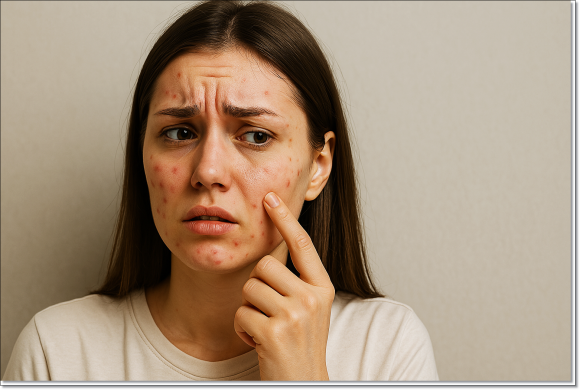
As a result, acne appears on the skin in various forms such as papules, pustules, nodules, and cysts.
It often starts during adolescence, but many people continue to have it even after becoming adults.
That’s because there are many possible causes, including stress, lack of sleep, menstrual cycles, diet, genetics, and hormonal changes.
For that reason, acne can be considered a condition that requires comprehensive management.
Yangcheon-gu acne treatment
How is it treated?
If acne keeps recurring or does not improve easily even after treatment, the cause may have been identified incorrectly.
That’s because the treatment method should vary depending on the cause.
Acne can be broadly divided into two types.
-
Comedonal: A state where sebum and dead skin cells are trapped without inflammation, appearing as whiteheads or blackheads.
-
Inflammatory: A state where the skin becomes red and swollen or filled with pus, classified as papules, pustules, nodules, and cysts, with a higher chance of leaving scars.
Let’s look at what treatment options are available for acne and how they are used for the two types.
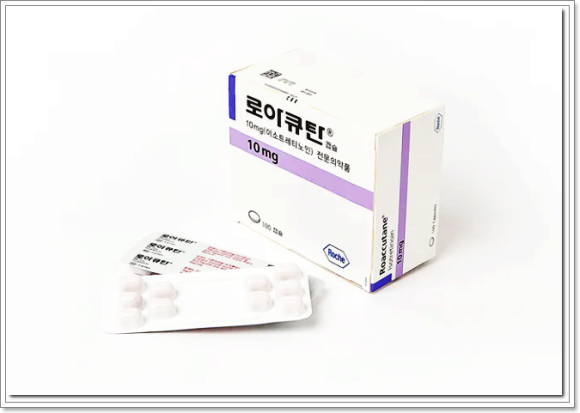
- Medication treatment
For comedonal or mild inflammatory acne, topical ointments or creams can be used to regulate sebum and reduce inflammation.
If the acne is widespread or strongly influenced by hormones, oral medication, antibiotics, or hormonal regulators may also be used together.
- Laser treatment
This method is used to relieve inflammation or help prevent scarring when there is inflammatory acne, papules, pustules, or nodules.
It can also help suppress overactive sebaceous glands when sebum production is excessive.
It also helps inhibit acne-causing bacteria within the skin.
- Peeling treatment
When dead skin cells build up excessively and block the pores, chemical peels remove the dead skin cells and help sebum flow more smoothly.
It is often performed together when improvement of acne marks or skin regeneration is needed.
In addition, depending on the skin condition and treatment progress, various methods may be combined.
Yangcheon-gu acne treatment
How can scars be managed?
Once acne appears, there is often a strong urge to squeeze it.
At this time, if your hands are not clean or if extraction is done incorrectly, scars can form.
The skin surface may become indented or leave pigmentation behind that does not recover for a long time.
It is best to prevent scars whenever possible, but if they have already formed, there are methods such as laser treatment to induce skin regeneration, dermabrasion, and regenerative care.
Also, since ultraviolet rays can make acne marks darker, it is important to apply sunscreen carefully every day.
To prevent recurrence, regular exfoliation care and improvements in lifestyle habits are also helpful.
Today, I covered information that would be helpful for those concerned about Yangcheon-gu acne treatment.
Acne is a condition that can improve sufficiently if it is managed consistently and treated in a way that suits the skin condition.
However, if you approach it with a method that does not match your skin and the cause of your acne, the situation may actually worsen.
Please remember that the most important thing is to carefully diagnose your own skin condition and clearly identify the cause.^^
Thank you.
This was Kim Jin-hyeon, Chief Director of You&I Clinic Mokdong branch.
< Related posts >
< Directions >