Omokgyo Ulthera
Hello.
I am Kim Jin-hyun, Chief Director of the Mokdong branch of You&I Clinic.
Have you heard that Ulthera is effective?
If you are looking into lifting procedures, you may have heard about it at least once.
However, as some reviews say, “I paid a lot, but the results were not very good,” the effects can vary from person to person.
Even with the same Ulthera treatment, the results can differ depending on how it was planned and what the skin condition was like.
Today, rather than simply explaining what Ulthera is,
I will organize why it is effective for lifting and why some people are satisfied while others are disappointed.
Contents
Omokgyo Ulthera
Why is it effective for lifting?
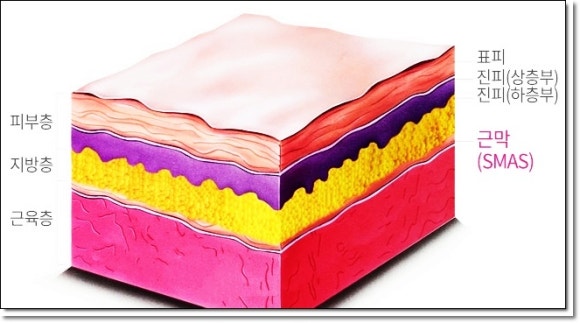
Ulthera induces lifting by focusing high-intensity focused ultrasound (HIFU) on the deep SMAS layer of the skin.
The SMAS layer is a fibrous tissue located between the skin and the muscles, and it is a key structure that maintains facial elasticity and contour.
When this layer becomes loosened, the jawline becomes less defined and the cheeks begin to sag downward.
Ulthera has a major advantage in that it precisely concentrates ultrasound energy on this SMAS layer.
While not affecting the surface of the skin, it creates Thermal Coagulation Points (TCPs) in the target layer.
These thermal points are set at high temperatures of around 60 to 70 degrees Celsius, causing tissue to contract instantly in very small units.
This can produce an effect similar to reorganizing the entire facial structure, not just pulling the surface of the skin.
At the same time, it also stimulates collagen fibers in the dermis and subcutaneous layers, inducing the production of new collagen and elastin.
The lifting effect appears gradually over 2 to 3 months after the procedure.
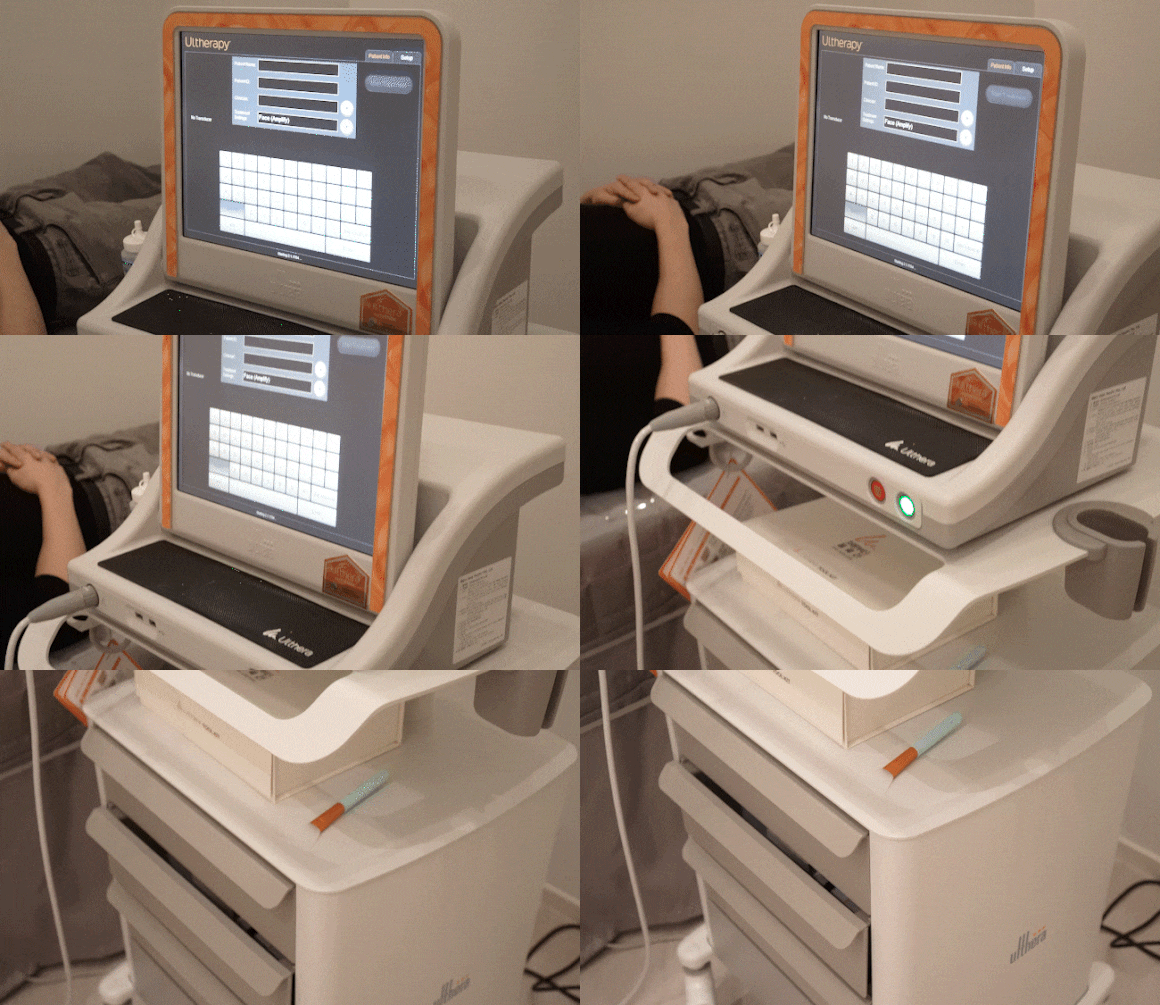
Another advantage of Ulthera is that the treatment depth can be checked using real-time ultrasound imaging.
Because the procedure is performed while observing the skin condition in real time, it is possible to set energy appropriately for the patient and check the response, which can lead to a more stable procedure.
Omokgyo Ulthera
Why do results differ from person to person?
Although Ulthera is well known for lifting, it does not produce satisfying results for everyone.
The key factors that affect lifting results can be broadly divided into three categories.
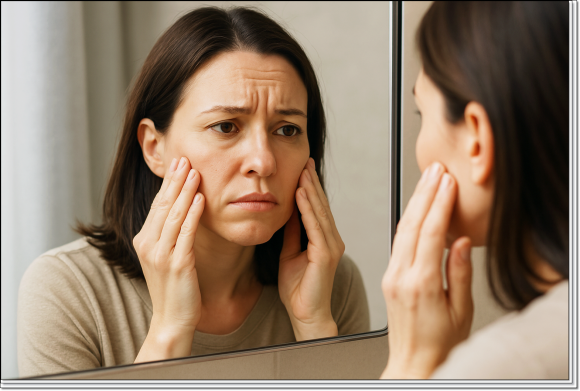
The first is the individual’s skin condition.
If there is a large amount of fat and elasticity has significantly declined, one Ulthera session alone may not produce enough effect.
On the other hand, for people with thin skin or little cheek volume, strong energy may instead cause side effects such as hollowing of the cheeks or a foreign-body sensation.
Depending on the case, combining it with other lifting devices may be more appropriate, so it is important to carefully diagnose the skin condition before the procedure.
The second is the adjustment of energy strength and depth.
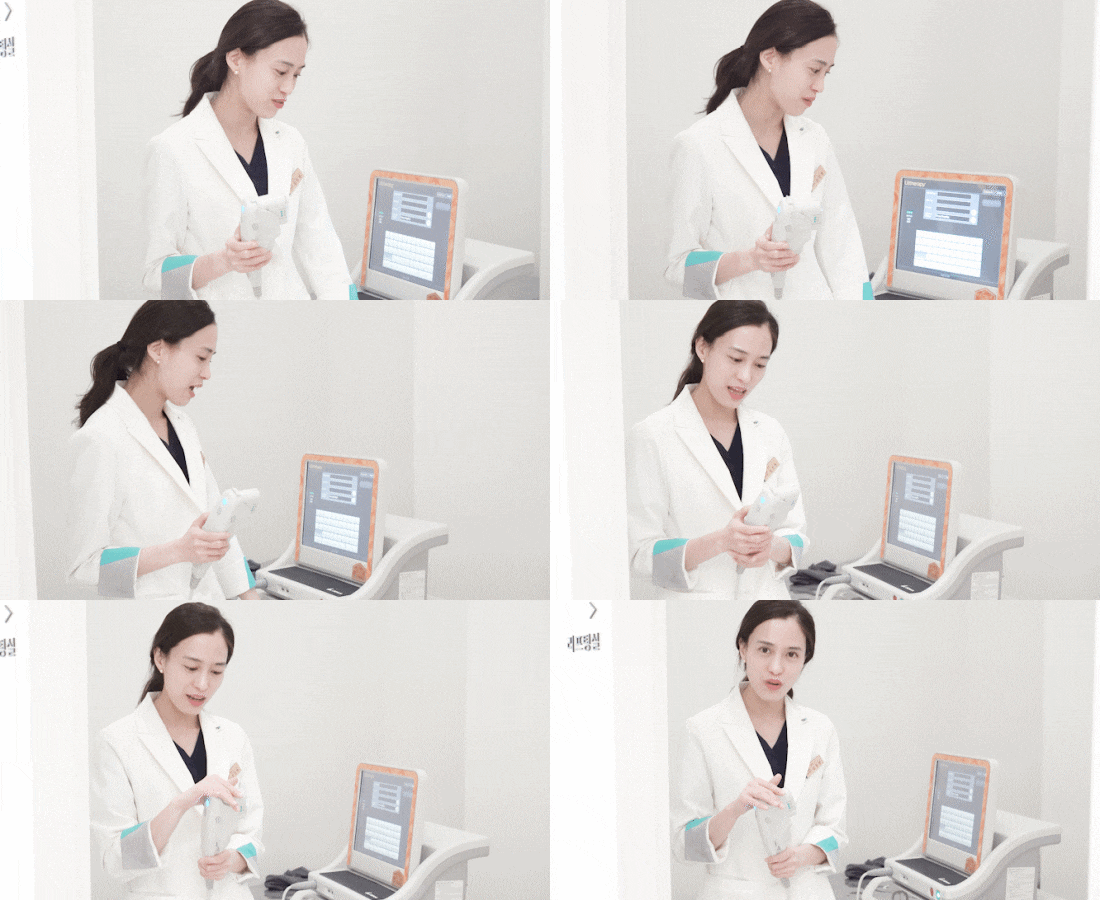
As mentioned earlier, Ulthera can deliver energy while directly checking the skin thickness, fat distribution, and skin structure in real time through ultrasound imaging.
However, no matter how good the device is, if there is no know-how to finely adjust the depth and intensity of the energy delivery, the desired effect may not be achieved or discomfort may increase.
The third is whether the treatment plan is custom-designed.
The number of shots, treatment area, and depth of energy delivery should all be adjusted according to the skin structure.
In particular, when the jawline has collapsed, the area under the jaw should be treated more intensively,
and when the cheek volume below the cheekbones has sagged, the plan should be designed in a three-dimensional way along the cheekbone line to achieve a natural contour.
As such, to achieve the desired results, it is very important to have an anatomical understanding of the facial structure and skin layers, along with strong procedural skill.
Today, I explained the parts that people looking into Omokgyo Ulthera often wonder about.
As I mentioned, what matters in Ulthera is a precise analysis of the skin condition and structure before the procedure, as well as a personalized treatment plan.
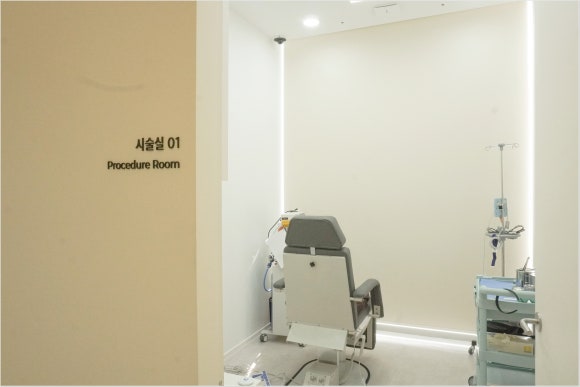
When deciding on a procedure, I recommend carefully checking not only the cost or the device, but also whether there is a pre-treatment diagnostic system, sufficient treatment experience, and post-treatment care.
This has been Kim Jin-hyun, Chief Director of the Mokdong branch of You&I Clinic.
Thank you.
< Related posts >
< Directions >