Omokgyo Station Dermatology, Acne-Prone Skin
Will It Improve Even If Left Untreated?
Omokgyo Station Dermatology
Hello.
I am Kim Jin-hyun, the chief director of YOU&I Clinic Mokdong Branch.
"Doesn’t acne go away on its own
after puberty?"
Many people think this way, but in reality, that is not the case far more often.
In particular, adult acne and recurrent acne are closely related to lifestyle habits and the activity of sebaceous glands within the skin, so simply waiting does not solve the problem.
In this post, I will clearly explain the causes of acne, procedures that are effective for acne treatment, and post-procedure care.
Table of Contents
Omokgyo Station Dermatology
Why does acne occur?
Acne is not just a pimple visible on the surface.
It is a complex skin condition caused by excessive activity of sebaceous glands in the skin and inflammatory reactions within pores.
In particular, various factors such as puberty, stress, lack of sleep, irregular eating habits, or genetic factors combine to trigger acne.
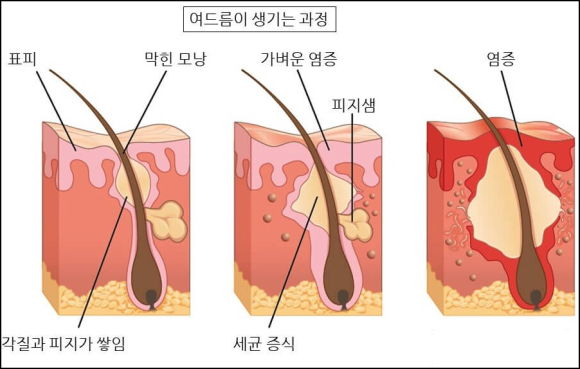
Sebaceous glands in the skin produce oil, and this sebum originally plays a role in protecting the skin.
However, when too much sebum is produced, or dead skin cells build up on the surface and block the exit, sebum accumulates inside the pores.
As a result, acne-causing bacteria (Propionibacterium acnes) multiply, inflammatory substances are produced, and it develops into red, pus-filled acne.
Many people leave acne untreated believing that "the skin heals itself," but in fact acne often does not disappear naturally over time.
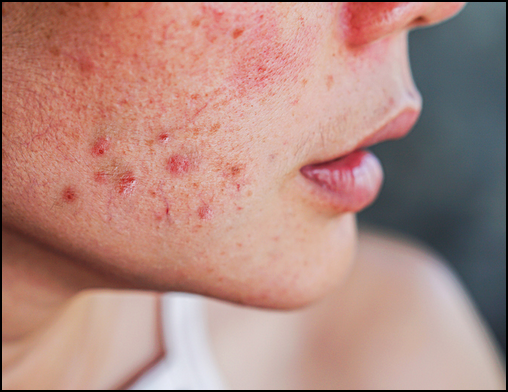
In particular, if inflammation is repeated, it can damage the dermis layer of the skin, slow recovery, and leave scars.
For this reason, it is very important to identify the cause closely from the moment acne first appears and begin systematic treatment.
Along with improving lifestyle habits, a medical approach should be used when necessary.
Omokgyo Station Dermatology
What is the NeoBeam laser?
There are various acne treatments, but among them, there are not as many ways as you might think to control the "overactive function of the sebaceous glands themselves."
The NeoBeam laser is a device that can address exactly this issue, and it is a treatment focused on regulating sebum secretion.
The NeoBeam laser is a 1450nm wavelength laser, which is well absorbed by water and oil, allowing it to act selectively on sebaceous glands.
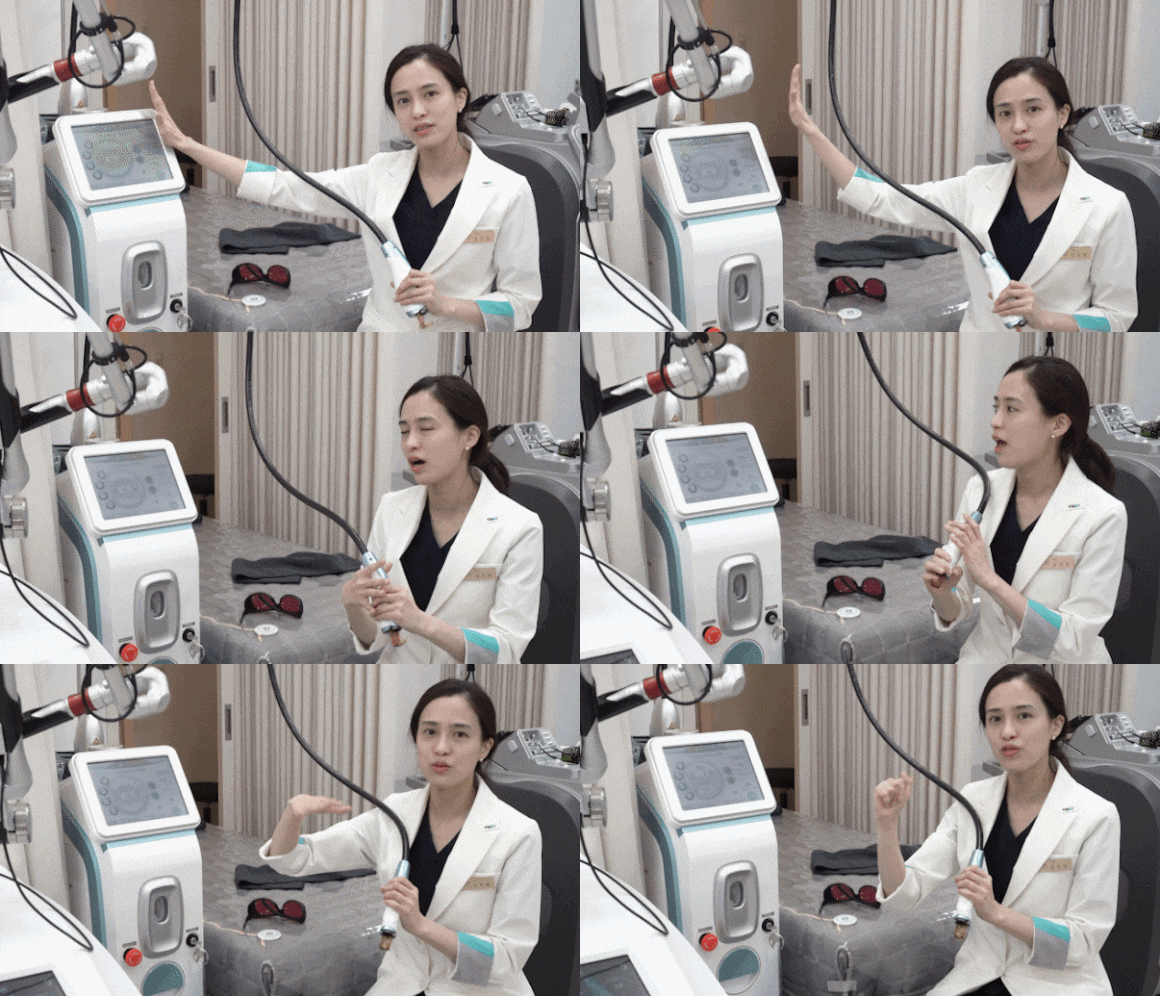
It directly stimulates the sebaceous glands deep within the skin to reduce their activity and, as a result, lower the frequency of acne outbreaks.
When people think of acne treatment, they usually think of topical medications or oral medications, but such drug treatments often act only on the epidermis or merely provide temporary relief from inflammation.
They also have limitations, especially for those who respond poorly to medication or are concerned about side effects.
In contrast, NeoBeam targets the sebaceous glands themselves beyond the skin surface, offering the advantage of a more fundamental approach.
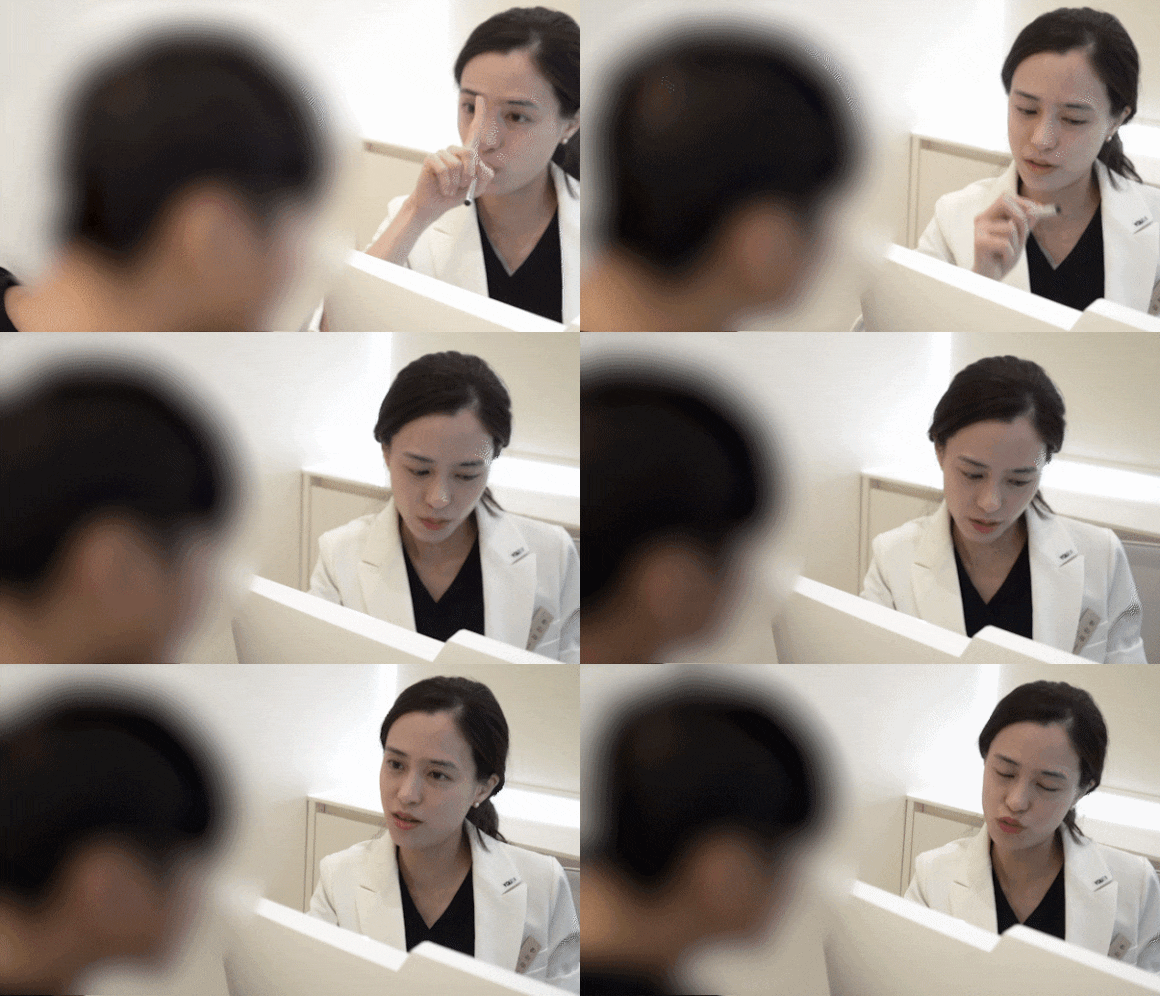
It can be applied to various types of acne, and is especially effective for people with oily skin who experience frequent recurrence or inflammatory acne.
Of course, laser treatment is not the best option for every acne patient.
However, for those who do not see enough improvement with medication, those who find it difficult to take medication long term, or those worried about skin damage from repeated acne, NeoBeam can be a good option.
Omokgyo Station Dermatology
What is post-procedure care?
After laser treatment, the skin becomes sensitive, so aftercare is what greatly affects recovery speed and results.
Immediately after NeoBeam treatment, temporary redness, stinging, or a feeling of heat may occur.
This is a natural reaction to skin irritation, but how you manage this period can affect recovery speed and whether scarring develops.
First, it is best to avoid washing your face on the day of the procedure, and from the next day, gently cleanse with a mild, low-irritation cleanser.
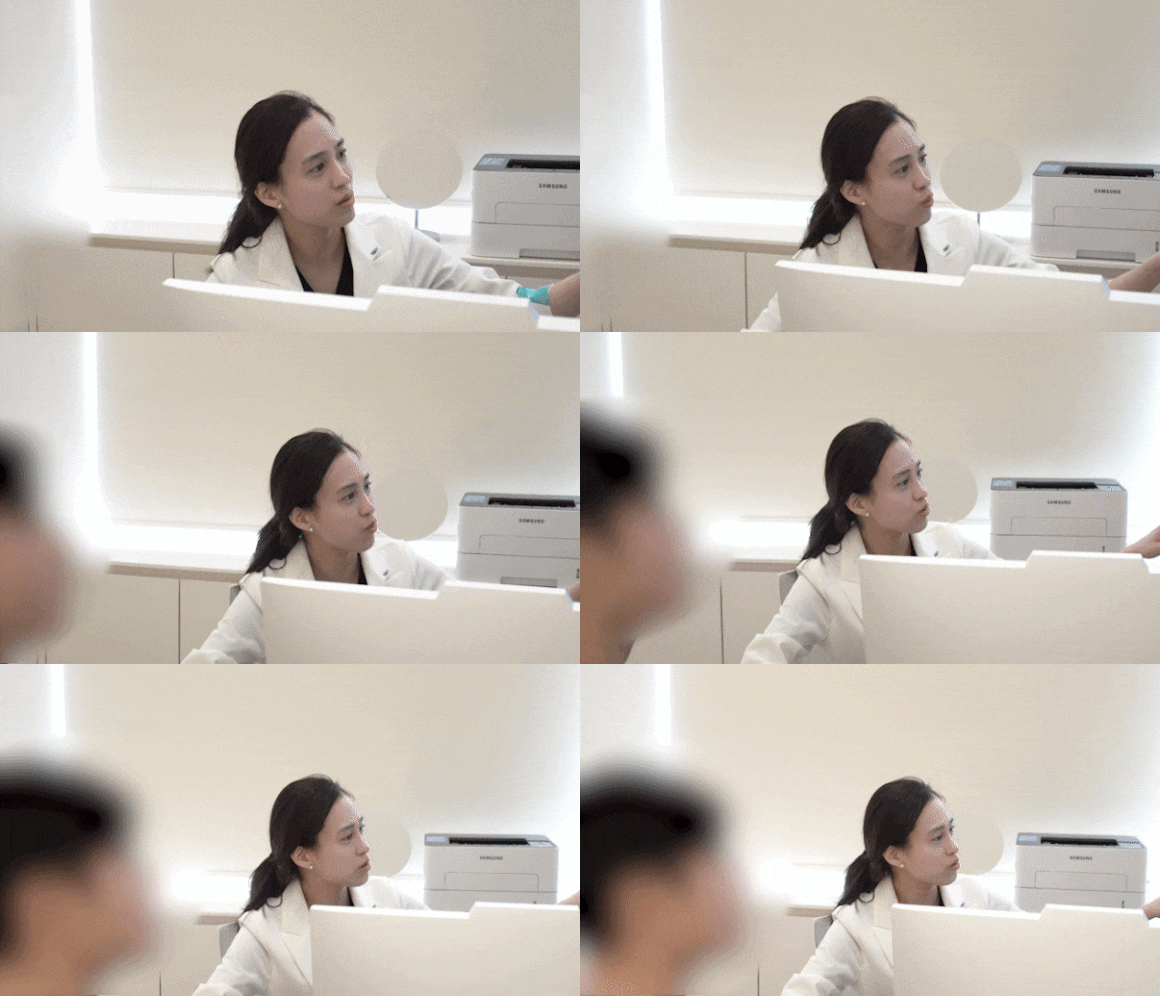
After that, it is necessary to soothe the skin by applying enough moisturizing cream or calming cream.
At this time, if the skin becomes dry or irritated, inflammation may recur, so maintaining moisture is key.
Also, sunscreen is essential because ultraviolet rays can be a major irritant to the skin after the procedure.
Be sure to apply it before going out, and it is best to avoid activities that generate heat, such as saunas or intense exercise, for at least a week.
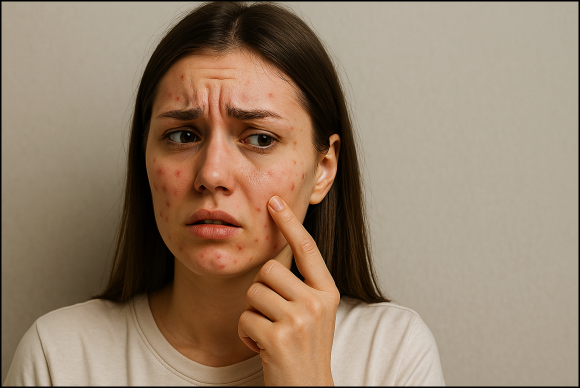
One more thing: within the first 2 to 3 treatment sessions, blemishes may reappear.
At this point, many people squeeze them with their hands, but doing so can instead worsen inflammation or leave scars.
In such cases, it is better and more effective to have them properly removed with the help of medical staff.
Acne is not a condition that ends with the procedure alone; it is a condition that can show greater improvement through a balance of pre- and post-procedure care and lifestyle habits.
Today, I wrote this post for those looking into acne treatment at Omokgyo Station Dermatology.
As mentioned earlier, acne is not simply a problem that appears on the surface of the skin, but a chronic inflammatory disease that steadily progresses within the skin.
If it does not improve even after applying medication and taking medicine, or if it repeatedly appears in the same area, that may be a sign that surface treatment alone is not enough.
In such cases, a more fundamental treatment method such as the NeoBeam laser, which directly regulates the sebaceous glands, may help.
Of course, laser treatment is not necessary for everyone.
Please remember that it is important to carefully diagnose each person’s skin condition and choose the appropriate treatment by comprehensively considering the pattern of acne, skin type, previous treatment history, and more.^^
I was Kim Jin-hyun, the chief director of YOU&I Clinic Mokdong Branch.
Thank you.
< Other posts you may find helpful >
< Directions >