Yangcheon Dermatology Clinic Consultation,
Why Are Ultherapy Results Different in Every Review?
Yangcheon Dermatology Clinic
Hello.
I’m Kim Jin-hyun, the chief director of UNNI Clinic Mokdong branch (Department: Dermatology).

"Some people say the results were amazing,
while others say there was no effect at all..
Why is that?"
When considering a lifting procedure such as Ultherapy, the first thing many people look up is procedure reviews.
But the results are so different from review to review that many people end up feeling confused.
If the procedure was done with the same device, why do some people feel a dramatic effect while others say they barely noticed any difference?
In this post, I’ll summarize the reasons into three points, so I’d appreciate it if you read until the end.^^
Contents
Yangcheon Dermatology Clinic
Customized design
What matters in an Ultherapy procedure is a "personalized treatment design."
Each person has different skin thickness, amount of fat, elasticity, and pattern of aging.
Even if the same 3.0 mm or 4.5 mm cartridge is used, it may work well for one person, while another may feel almost no change.
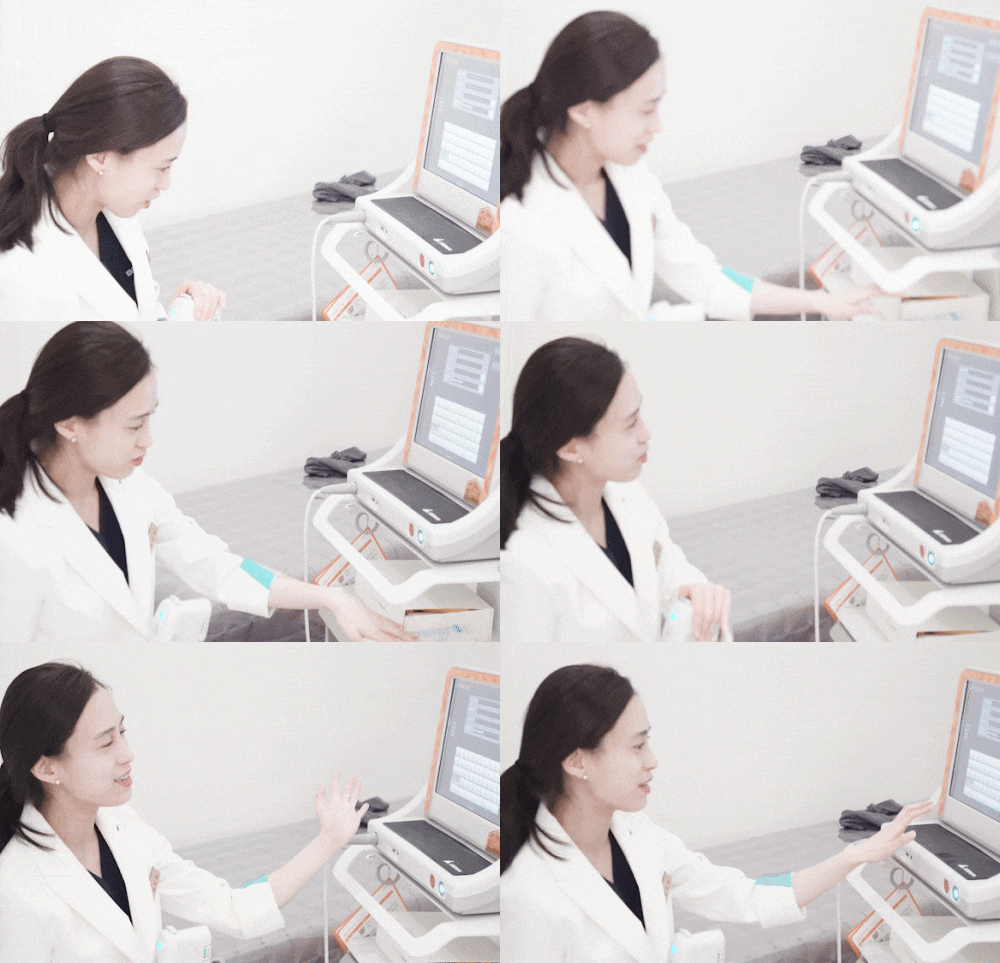
This difference ultimately comes from the fact that the depth and energy intensity were not adjusted to suit the individual’s skin condition.
If the skin is thin or the fat layer is thick, and the ultrasound does not precisely reach the desired layer, the effect will be reduced and side effects may even occur.
That is why it is very important to precisely analyze the skin structure and plan the procedure so that it reaches the necessary layer.
Yangcheon Dermatology Clinic
Energy delivery method
The effect of an Ultherapy procedure depends not simply on "how many shots were delivered," but on how the ultrasound energy was delivered to the treatment area.
Many people ask first during consultation how many total shots will be used.
Of course, the total amount matters, but what is much more important is how, where, and in what way those shots are distributed.
In practice, even with the same number of shots, a procedure designed to be evenly distributed across the face and one concentrated in certain areas or distributed randomly can show a big difference in results.
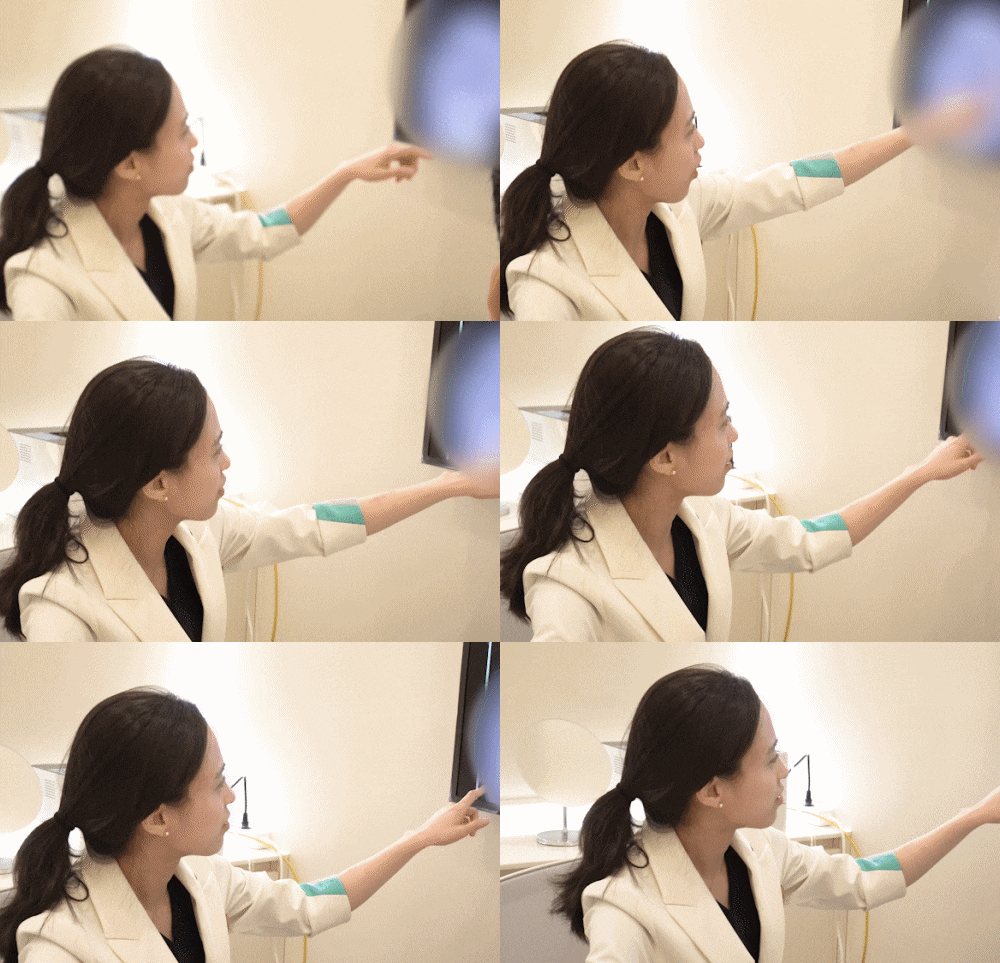
For example, if the energy is concentrated in a specific area, only that area may receive excessive thermal stimulation, leading to noticeable side effects such as hollowness in the cheeks.
On the other hand, if not enough energy is delivered to the areas that need lifting, you may not get the desired effect.
So simply having a larger number of shots is not automatically better.
In reality, it is much more important how evenly the energy is distributed across the skin and whether it is allocated appropriately for the intended purpose.
Yangcheon Dermatology Clinic
Setting the treatment depth
Ultherapy is a procedure that induces firmness by delivering heat to specific layers within the skin, namely structures involved in lifting such as the SMAS layer or the dermis.
If the depth is not set precisely, not only will the desired result be difficult to achieve, but the skin may also be damaged instead.
Because the skin thickness and structure vary across different areas of the face, treating everything at the same depth can mean that some areas receive stimulation that is too shallow, while others receive stimulation that is too deep.
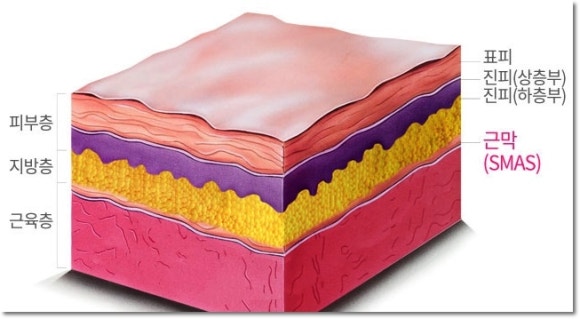
For example, areas with thicker skin and more fat, such as under the chin or the cheekbone area, may show a clear lifting effect only when the deeper SMAS layer is targeted.
On the other hand, if the same depth is used on thinner areas such as around the eyes or the front cheeks, it may cause excessive stimulation, leading to hollowness or pain.
That is why the treatment depth must be set differently by area, and in many cases it is not enough to rely only on the default settings automatically chosen by the device.
You may think, "Doesn’t the machine handle the depth automatically?"
In reality, the depth of stimulation is determined by how the medical staff applies each cartridge, including the angle and pressure, based on anatomical knowledge of the skin and clinical experience.
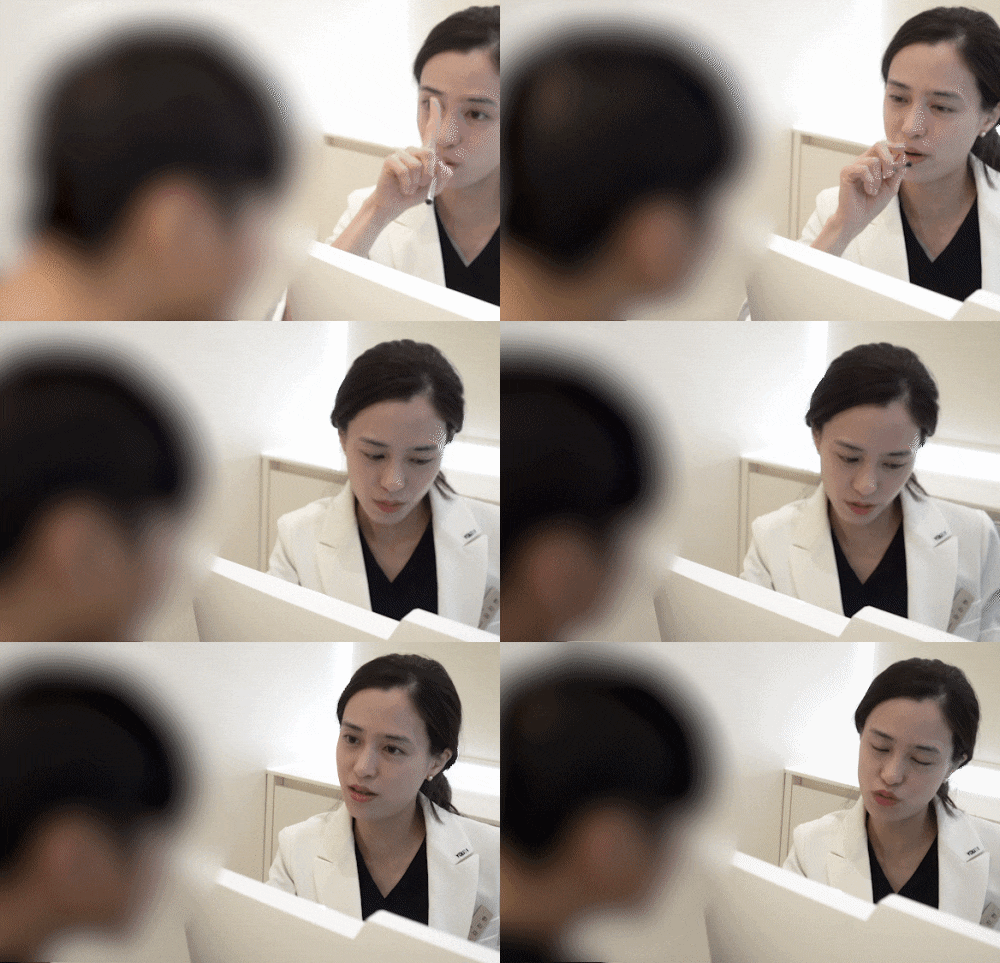
In other words, the same device and the same number of shots do not guarantee the same results.
Therefore, before deciding on the procedure, it is essential to carefully analyze the skin structure of the entire face,
set the appropriate target layer for each area, and then proceed with the treatment. That is the key factor that determines the outcome.
Today, I wrote this post to help those who are looking into procedures at a Yangcheon dermatology clinic.
Do you now understand why the reviews differ even when the same Ultherapy device is used?
Ultimately, the results of Ultherapy are greatly influenced by three factors: customized settings, precise energy distribution, and target layer selection.

A procedure that carefully reflects these factors can produce better results and reduce the risk of side effects.
I recommend checking how the medical team can design the procedure according to your skin condition, as well as their approach and experience.
This was Kim Jin-hyun, chief director of UNNI Clinic Mokdong branch.
Thank you.
< Related article you may find helpful >
< Directions >