Encore 3D Lifting,
What unexpected effects does it have?
A look through research
Hello. I am Kim Jin-hyeon, the chief director of You&I Clinic Mokdong branch.
As we get older, there comes a day when we suddenly
notice that the contours of our face in the mirror
are not quite the same as before. If the skin around the eyes,
or the cheeks,
and the elasticity of the jawline no longer feel like they used to,
it is natural to think of the word "lifting."
But once you start looking into lifting
procedures, there are so many types that it can easily become confusing.
Thread lifting, ultrasound lifting,
radiofrequency lifting, and
you often see the term
"laser lifting" as well. What actually works,
and what about safety?
Today, focusing on the device called Encore
3D Lifting,
we will look at the different types of lifting procedures
a nd what kind of "unexpected" effects were seen in actual clinical reports,
and answer your questions.
| Table of Contents |
|---|
| 1. What are the types of skin "lifting"? 2. What is "real" laser lifting? 3. Precautions for 3D lifting |
- What are the types of skin 'lifting'?
Lifting procedures can broadly be divided into invasive and
non-invasive methods.
A representative invasive example is thread lifting.
This method inserts special threads into the skin
and physically pulls it upward,
which has the advantage of producing a relatively fast effect,
but because it involves penetrating the skin,
some people feel uncomfortable with it.
In addition, because the results depend on
the provider's technique,
careful selection is necessary.
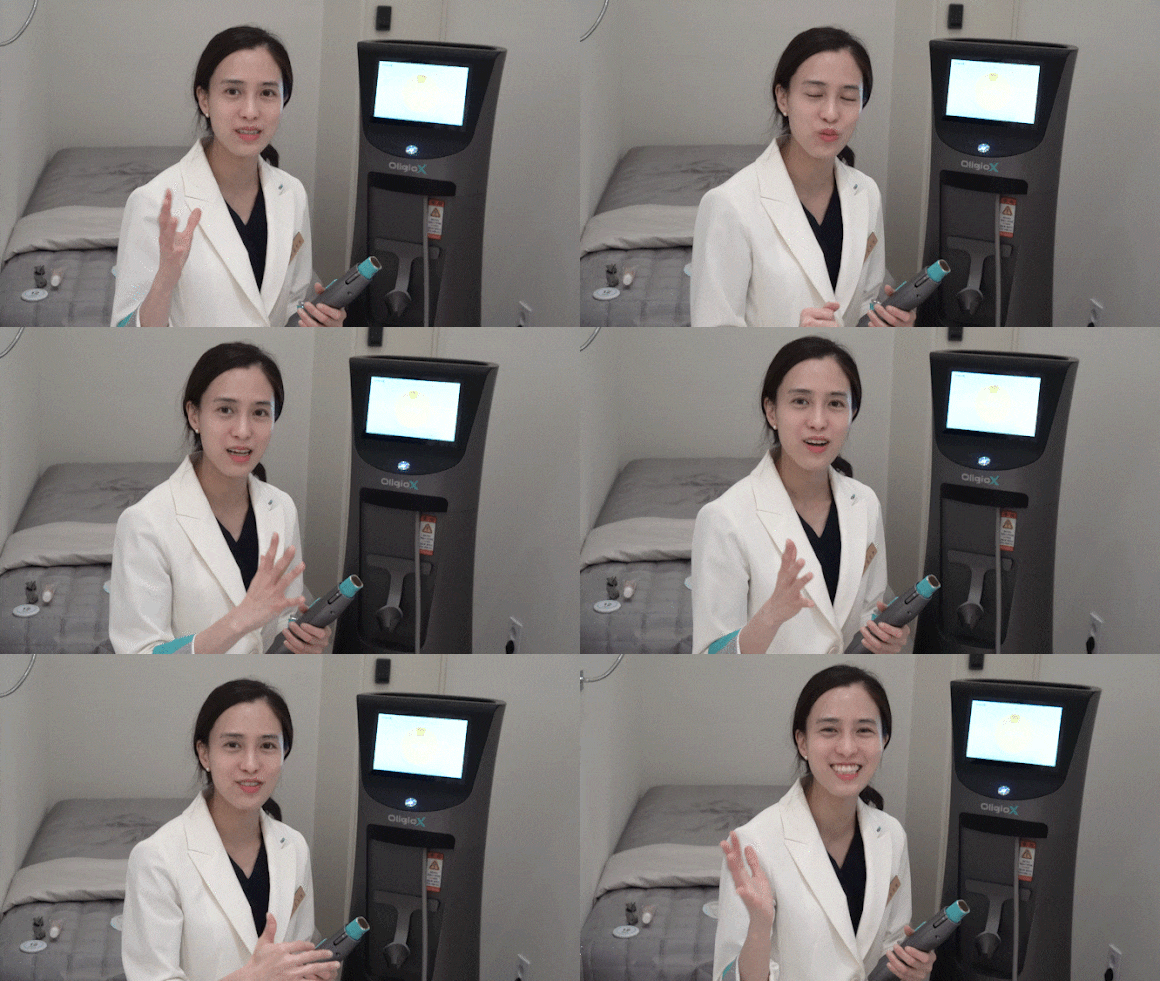 Oligio X
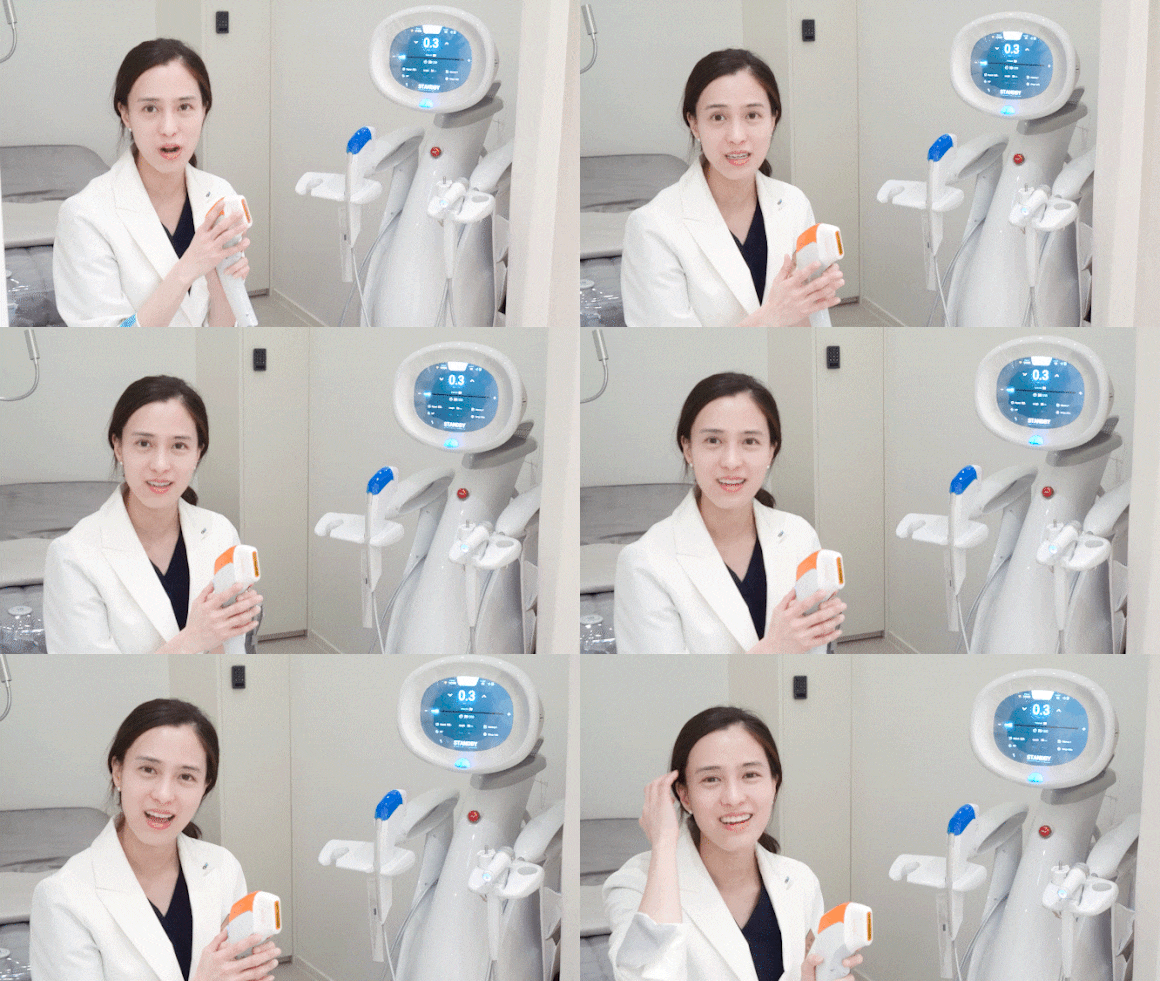 Shrink
On the other hand, non-invasive methods include
de vices that use radiofrequency energy (for example:
Oligio, Thermage), ultrasound energy-
based devices (for example: Ulthera, Shurink), and
lifting devices that use extreme shortwave methods (for example:
Onda lifting).
These do not directly invade the skin but instead
stimulate the dermis through energy,
inducing collagen production.
Because they place less strain on the skin,
they are preferred by many people since they can still
produce steady effects over time.
However, radiofrequency and ultrasound lifting are
often broadly referred to as "laser lifting,"
but in fact they work on completely different principles.
Real "laser lifting" refers to a procedure performed
with a laser device that has wavelengths, and recently
Encore 3D Lifting and similar devices
have become well known representatives.
- What is 'real' laser lifting?
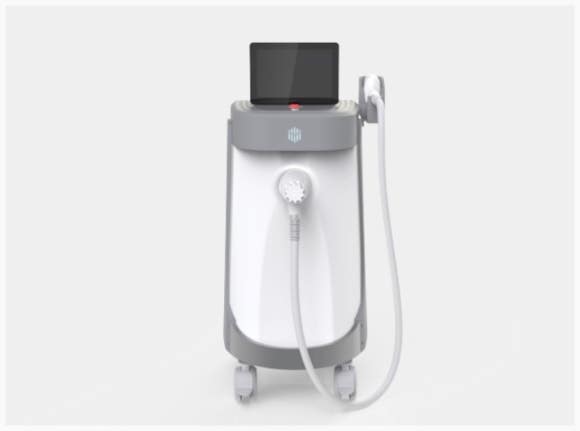 Encore 3D Lifting
When people hear "laser," they usually think of
pigment treatments such as melasma or blemishes,
but in fact it is also used for lifting.
Encore 3D Lifting is a technology that simultaneously
uses multiwavelength lasers at 755, 808,
and 1064 nm,
and it is differentiated from existing devices in that
it can deliver heat not only to the dermis but also to
the periosteum beneath it.
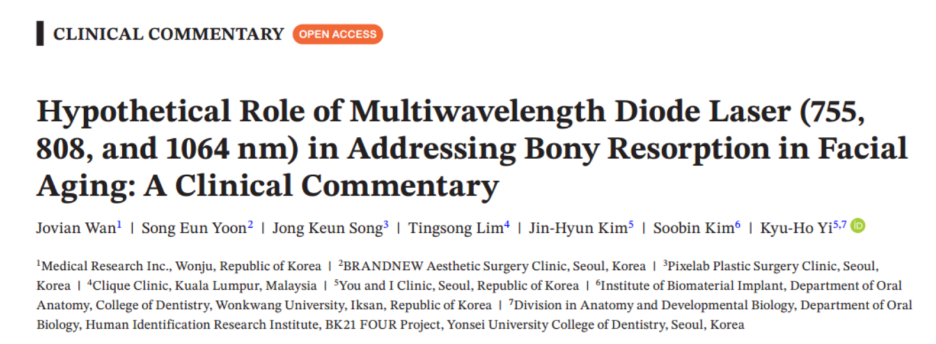 Hypothetical Role of Multiwavelength Diode Laser (755,
808, and 1064 nm) in Addressing Bony Resorption in Facial
Aging: A Clinical Commentary
Hypothetical Role of Multiwavelength Diode Laser (755,
808, and 1064 nm) in Addressing Bony Resorption in Facial
Aging: A Clinical Commentary
This study introduces the device's mechanism of action
and clinical effects. According to the study,
the heat delivered by this device (approximately 43 to
46 degrees Celsius) stimulates the periosteum,
promoting the activity of osteoblasts, the cells that form bone,
and as a result, it was reported that it may induce
regeneration of the facial skeleton.
This is an important part of maintaining the facial contours
that diminish with age.
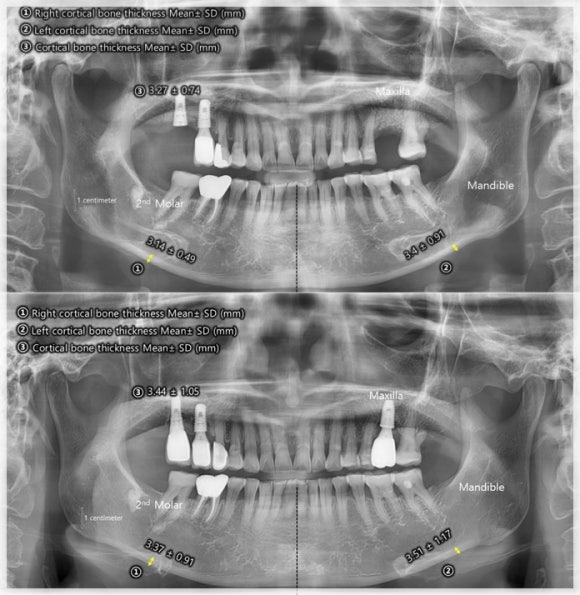 *Before treatment: the thickness of the cortical bone on the left was 3.4 mm
(±0.91 mm), and on the right it was 3.14 mm (±0.49 mm)
*After treatment: after 3 months, the thickness of the cortical bone on the left increased
to 3.51 mm (±1.17 mm),
and on the right increased to 3.37 mm (±0.91 mm)
As an example, in a 70-year-old female patient,
16 treatments were performed over 4 years,
and an increase in the thickness of the cortical bone in the jaw area was observed on radiographs.
Of course, this study was a Clinical Commentary based on a single patient,
so it has limitations such as a lack of sample size and a control group,
but it is interesting in that it suggests Encore 3D Lifting may have positive effects
beyond simply improving the elasticity of the outer skin,
potentially even affecting bone structure.
- Precautions for 3D lifting
Although the procedure is said to be simple, because energy is delivered deep into the skin,
it is important to follow the precautions before and after treatment carefully. Immediately after the procedure,
redness or swelling may occur, but in most cases it will subside naturally. However,
for 3 to 4 days after the procedure, avoid strenuous exercise,
saunas, alcohol, and smoking, and refrain from pressing or rubbing your face too strongly.
When washing your face, gently cleanse with cold water
and minimize friction. When going outside, you should
apply sunscreen thoroughly.
In particular, because bruising or pigmentation may occasionally occur depending on the skin type or the intensity of the procedure,
it is essential to have 충분한 상담 before treatment
to check your skin condition and the appropriate laser settings.
Lifting is not simply a procedure that makes the skin tighter;
it is a treatment that must consider the overall structural balance of the face.
Encore 3D Lifting uses multiwavelength lasers to stimulate
deep layers,
so it can be described as a different approach from existing
radiofrequency or ultrasound lifting.

As confirmed in the study, the fact that it may affect bone structure
beyond simple lifting is something worth looking forward to through
more research in the future. If you are considering a lifting procedure,
please carefully examine everything from the principles to the safety,
and approach it slowly in a way that suits you.
Thank you for reading this long post.
This was Kim Jin-hyeon, chief director of You&I Clinic Mokdong branch. ^^
< Related posts you may find helpful >
< Directions >