Mok-dong Ulthera and Thermage
If You Compare Them? <Complete Summary>
Mok-dong Ulthera
Hello.
I am Kim Jin-hyun, Chief Director of the Mok-dong branch of You&I Clinic.
"I looked into lifting procedures,
and Ulthera and Thermage keep standing out,
but which one is right for me?"
I hear this question a lot these days.
As people get older and start noticing sagging, or look in the mirror and see a loosened jawline, more and more people are considering lifting procedures.
But once they start looking into treatments, many people really don’t know what’s what, because there are so many names—Ulthera, Thermage, Shurink, InMode..
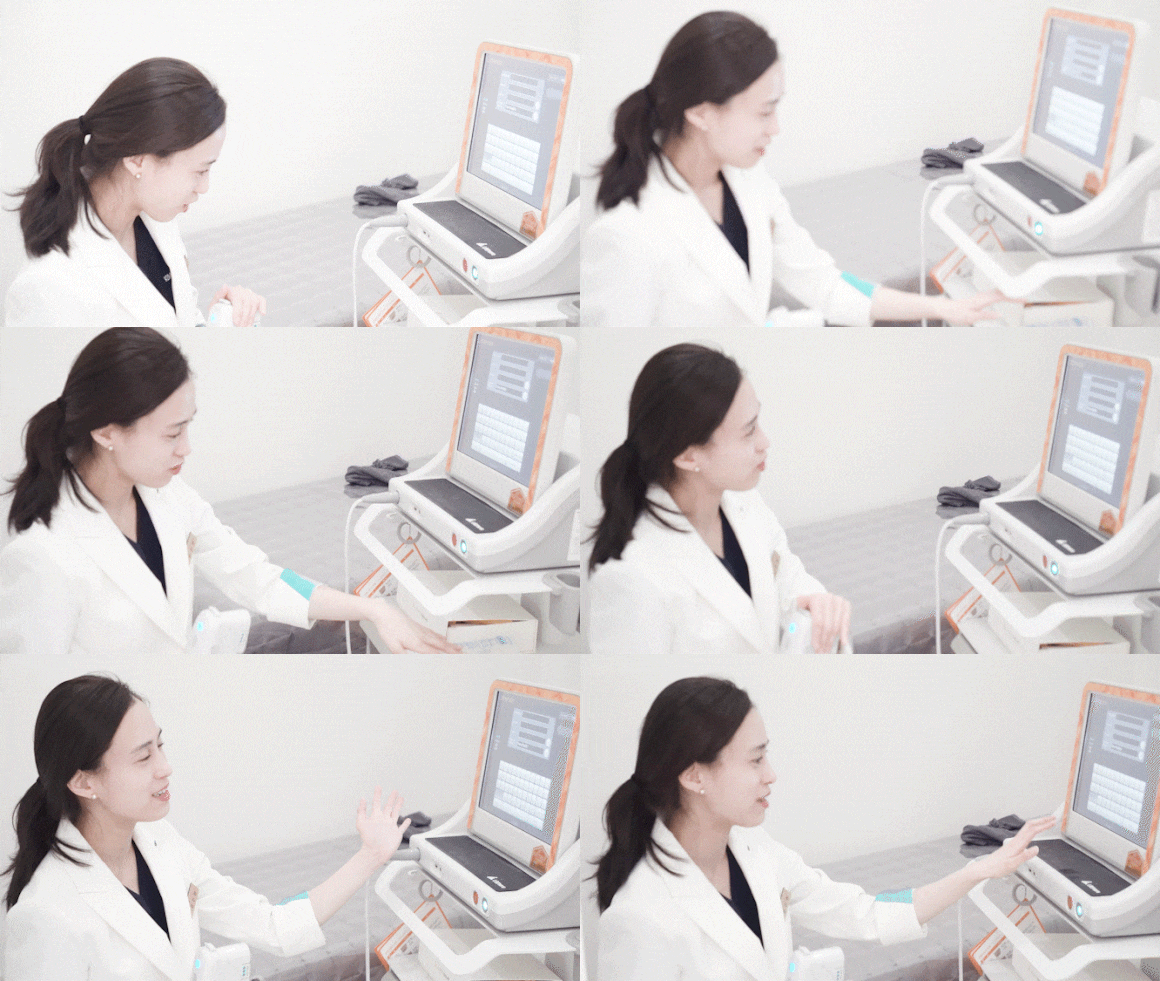
In particular, Ulthera and Thermage are two of the most representative and most frequently compared lifting treatments.
Just searching online often doesn’t organize the differences clearly, so it’s easy to feel even more confused.
So today, based on these two procedures, I’ll go over how they work, which one may suit your face better, and even their duration and pain levels, step by step.
If you’ve been looking for the treatment that fits you best, I hope this article helps you make a decision, even just a little.
Table of Contents
-
Ulthera and Thermage are different from the basic principle
-
The choice depends on your facial volume
-
You should also consider differences in duration and pain
Mok-dong Ulthera
Ulthera and Thermage,
different from the basic principle
Even if a treatment has a lifting effect, not all procedures work in the same way.
Ulthera and Thermage differ from the energy source they use, so the skin layers they target naturally differ as well.
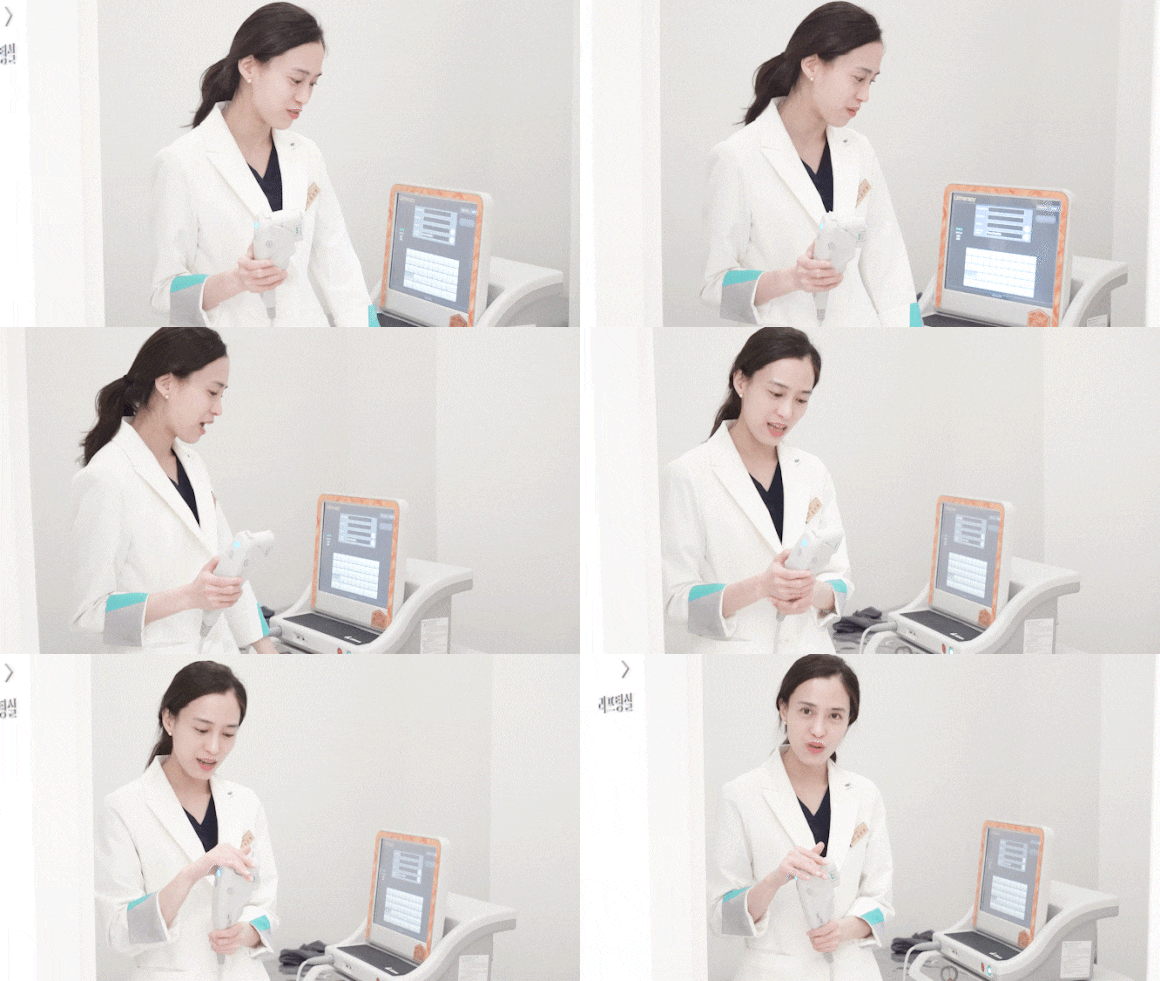
Ulthera induces a lifting effect using ultrasound energy.
More precisely, it uses the HIFU (High Intensity Focused Ultrasound) principle.
This ultrasound reaches the SMAS layer, the deepest layer of the skin.
This layer is an important structure that supports the skin, and when it loosens, it shows up immediately as a sagging appearance from the outside.
Ulthera tightens and contracts this SMAS layer, so you can expect a lifting effect that feels like the face is being pulled in from the inside.
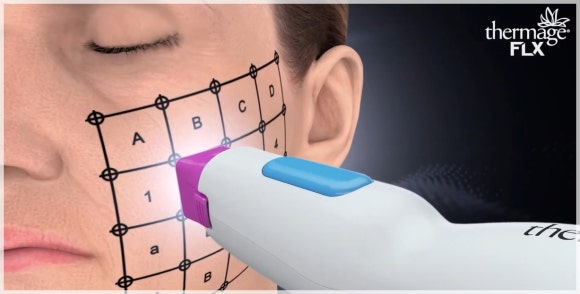
Thermage, on the other hand, uses radio frequency (RF) energy.
This energy applies heat to the dermis, the middle layer of the skin, stimulating collagen production.
In other words, Thermage is a method that makes the skin tighter and firmer from within.
Rather than a noticeably pulling sensation, it feels more like the skin itself becomes plumper and healthier.
Both procedures are intended for lifting, but because their approaches are different, the best choice can vary depending on skin type and concerns.
Mok-dong Ulthera
The choice depends on your facial volume
Because the skin layers targeted by the two procedures are different, the facial types they suit best are also clearly divided.
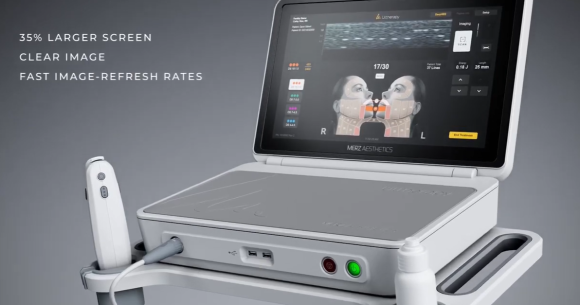 Recently, a new version called Ulthera Prime has been released. ^^
Ulthera reaches the SMAS layer and contracts it, so it is much more effective for faces with enough fat volume.
In particular, many people feel the lifting effect of Ulthera when their buccal fat has sagged or when they are concerned about a double chin.
That is because the feeling of tightening the skin is quite clear.

However, if there is not much fat in the face or the cheeks are on the thinner side, the story is a bit different.
In such cases, the strong contractive force of Ulthera can increase the possibility of side effects such as hollow cheeks or a sunken appearance.
For these people, Thermage may be a more suitable choice.

Since Thermage works on the dermis to stimulate collagen production, it can be performed more safely for people with less facial volume and thinner skin.
Because it adds firmness from within the skin, it often lifts naturally and improves skin texture without an overly tightened feeling.
In the end, if you have more facial volume, Ulthera may be better; if you have less volume and are worried about hollowness, Thermage may be a better fit.
Mok-dong Ulthera
You should also consider differences in duration and pain
Results are important, but duration and pain during the procedure are also factors to consider when choosing a treatment.
Because Ulthera delivers strong energy to deep layers even with relatively few sessions, the effects often last for about a year after just one treatment.
However, you should also know that the procedure tends to be somewhat painful.
Depending on the tip used, the intensity setting, and each person’s pain sensitivity, many patients report discomfort during the procedure.
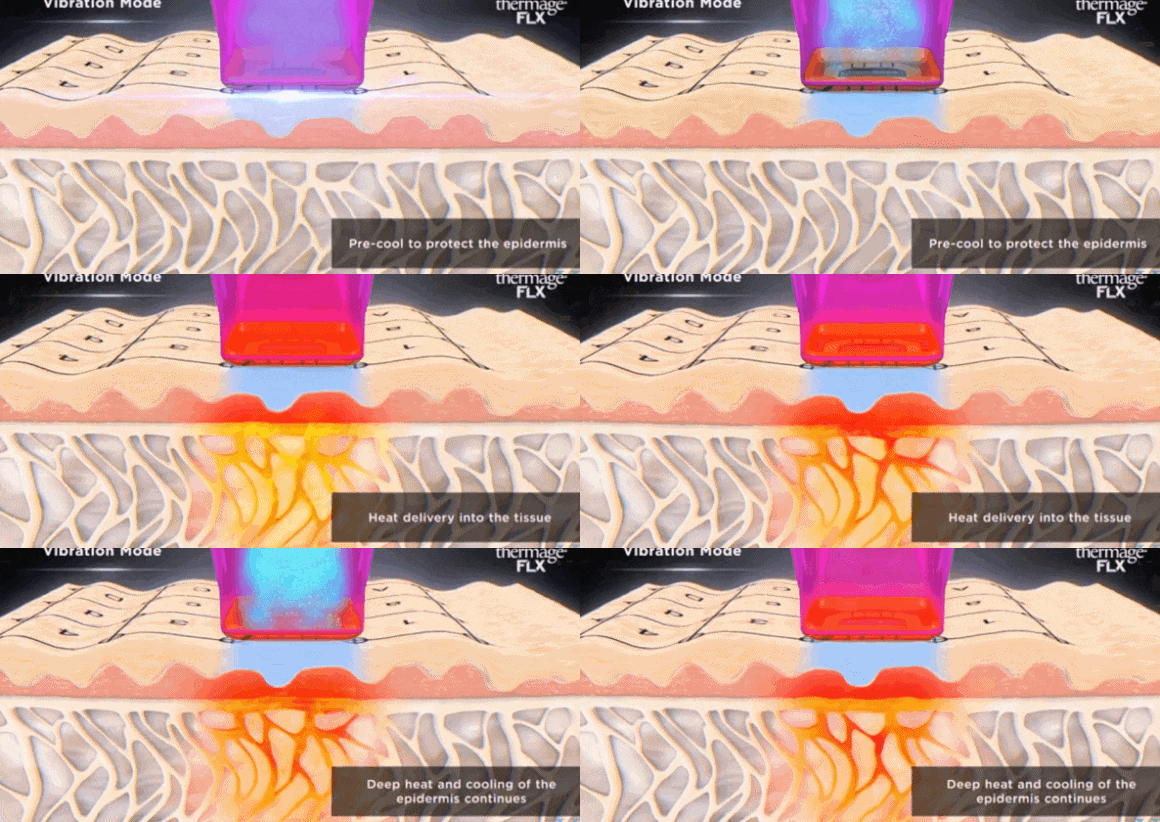 Thermage cooling system
On the other hand, Thermage is relatively less painful. In particular, the Thermage FLX device widely used these days has a well-developed cooling system, so the pain has been reduced quite a bit.
However, the effects appear gradually after the procedure, and the average duration is about 6 to 12 months.
So if you want natural and gradual lifting, Thermage may be the better choice.
In other words, if you want a result that lasts a long time from one treatment and you can tolerate pain well, Ulthera is a good option,
while if you are worried about pain and want natural firmness across the skin, Thermage is more suitable.
So for those looking into Mok-dong Ulthera, I compared it with Thermage, the representative radiofrequency lifting treatment.
If you are considering a lifting procedure, rather than asking whether Ulthera or Thermage is simply better, it is more important to determine which procedure matches your skin condition and goals.
If you need deep lifting and strong tightening, Ulthera may help; if you want to improve the skin overall more naturally, Thermage may be helpful.
However, even though they may seem like similar lifting procedures on the surface, they actually differ in the layer they act on and their principles,
so I do not recommend choosing based only on price or popularity.
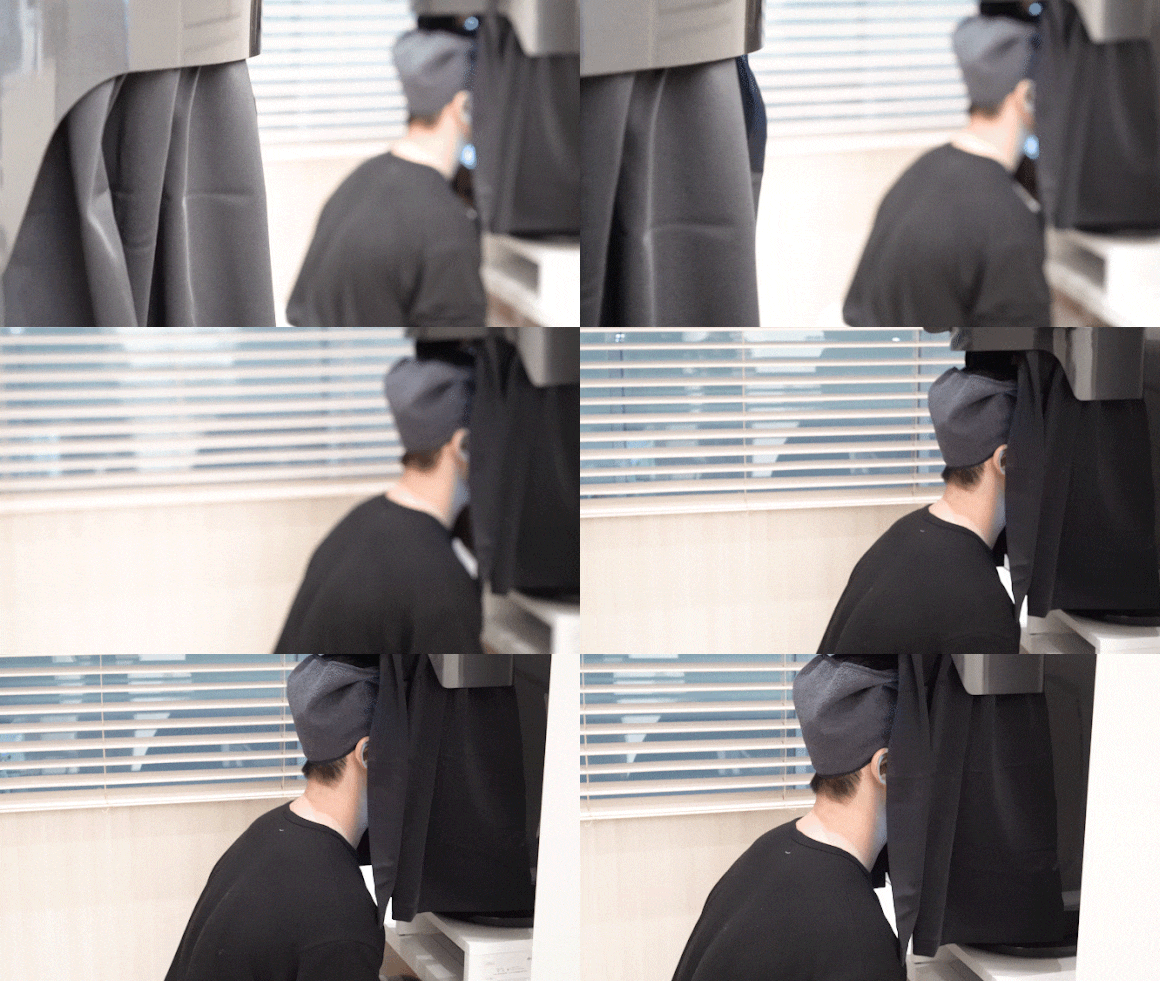 MarkView
Before the procedure, it is best to objectively analyze the facial skin layers, fat distribution, and firmness condition.
These days, diagnostic devices like "MarkView" can check even the unseen layers inside the skin,
so getting a diagnosis once can also be helpful in choosing what is right for your skin.
This has been Kim Jin-hyun, Chief Director of You&I Clinic Mok-dong branch. Thank you. ^^
< Other recommended articles >
<You&I Clinic Mok-dong Branch Hours>
Weekdays :
am 10:00 ~ pm 08:30 [Evening hours]
Weekends (Sat/Sun) · Public holidays :
am 10:00 ~ pm 04:00
*No lunch break
*Open on Saturdays, Sundays, and public holidays
< Directions >