Omokgyo Station Dermatology (Department: Dermatology)
Are you worried because your skin is sagging?
Omokgyo Station Dermatology
Hello.
I’m Kim Jin-hyun, the chief director of You&I Clinic Mokdong Branch.
“My skin feels like it has sagged so much that I think I need lifting,
but I’m not sure what procedure I should get.”
Many people think sagging skin can simply be pulled up with a lifting procedure, but elasticity issues actually start from problems in the skin’s internal structure.
That is why you need to understand the layers of the skin and the causes of changes in the face before approaching treatment to get satisfying results.
Today, I’ll neatly organize the lifting procedures that are often discussed at Omokgyo Station Dermatology.
I’ll focus on the information you should definitely know before treatment.
Table of contents
-
What is a lifting procedure?
-
Differences between radiofrequency and ultrasound
-
Make sure to check this before treatment
Omokgyo Station Dermatology
What is a lifting procedure?
The skin is not a single thin layer, but is made up of multiple layers.
Even if nothing seems wrong on the surface, sagging may already be slowly progressing underneath.
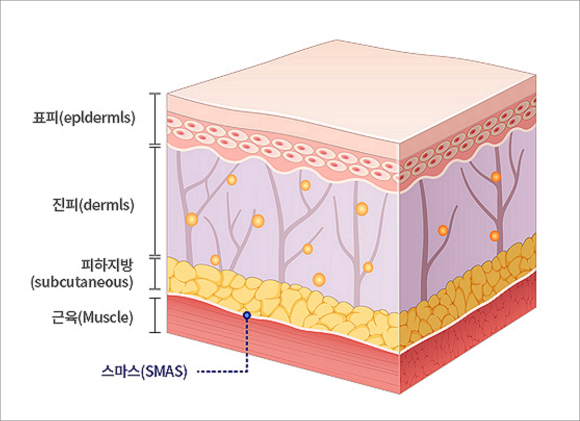
The skin has four main layers. The first is the epidermis, which protects against external irritation and is the layer that everyday skincare products reach.
Below that is the dermis, where collagen and elastin are gathered, and this layer is key to maintaining elasticity.
Below that is the subcutaneous fat layer, which affects facial volume, such as the cheeks and jawline. When fat sags downward, the contours look less defined.
Deeper inside is the SMAS layer, a membrane-like structure that surrounds the facial muscles and supports the face as a whole.
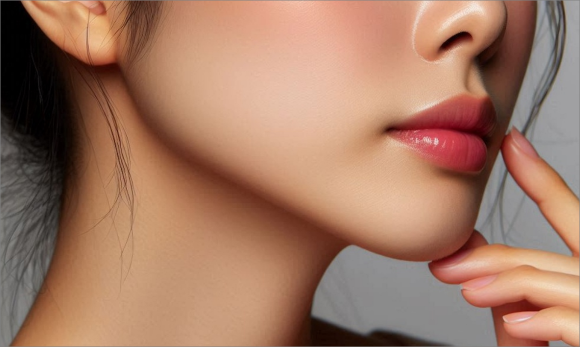
A procedure that directly stimulates this area is a deep-acting lifting treatment, such as Ulthera.
As you can see, you need to know which layer has a problem in order to choose an effective procedure.
If the skin has become thinner, caring only for the epidermis is not enough. If the internal structure has also weakened, a deeper approach is needed.
Omokgyo Station Dermatology
Differences between radiofrequency and ultrasound
Lifting procedures often use heat energy, and they are broadly divided into radiofrequency and ultrasound methods.
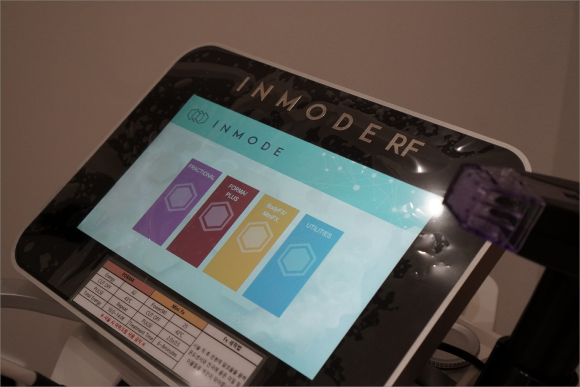 InMode
Radiofrequency lifting stimulates collagen inside the skin. It acts on the dermis and fat layer, causing collagen to contract and helping it regenerate.
Devices such as InMode are representative examples. You can expect smoother skin texture and a feeling of restored elasticity.
It is often chosen in the early stages, when the skin has not yet sagged much.
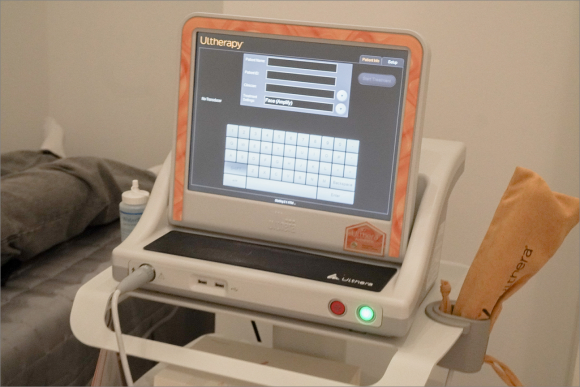 Ulthera
On the other hand, ultrasound lifting reaches deep into the SMAS layer, and devices such as Ulthera and Shurink Universe fall into this category.
It creates tiny thermal points inside the skin, helping tighten loosened tissue. It is suitable when facial contours have become less defined or when the cheeks have dropped.
Because the two methods affect different layers, they should be chosen according to the condition of the face, and in some cases, they are used together.
In particular, when problems exist across multiple layers, a customized combination may be more effective.
Omokgyo Station Dermatology
Make sure to check this before treatment.
When there is a lot of information, it can be confusing to know what to consider first, so I’ll organize the things you should check before treatment.
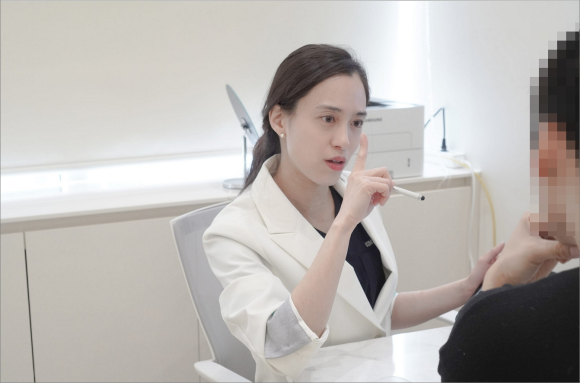
First, if skin thickness, the degree of elasticity, and fat distribution are not analyzed precisely, the treatment effect may be limited.
Your previous treatment history is also an important factor. If you have already had other procedures, the approach will change accordingly.
It is also essential to understand the gap between the changes you expect and the results that are actually possible.
So, through sufficient consultation, please first have your individual facial structure carefully examined and then decide on the procedures you need based on that.
Some procedures may cause symptoms such as swelling, warmth, or redness after treatment, but in most cases they naturally subside within a few days.
However, if they last longer than expected, please consult the medical staff immediately.
Today, I explained information that may be helpful for those visiting Omokgyo Station Dermatology because of concerns about skin elasticity.
Lifting is not simply a procedure to increase elasticity; it is a process of re-aligning the facial structure that has slowly changed over time.

Even with the same device, the results can vary depending on how it is used and which layer it is applied to.
Therefore, before treatment, I recommend having enough conversation with an experienced medical professional and receiving a lifting plan tailored to your face.
This was Kim Jin-hyun, Chief Director of You&I Clinic Mokdong Branch.
Thank you.
< Related articles >
<You&I Clinic Mokdong Branch Hours>
Weekdays:
am 10:00 ~ pm 08:30 [Evening consultation]
Weekends (Sat/Sun) · Public holidays:
am 10:00 ~ pm 04:00
*No lunch break
*Consultations available on Saturdays, Sundays, and public holidays
< Directions >