Mokdong laser toning,
when melasma and blemishes keep coming back
Mokdong laser toning
Hello.
This is You&I Clinic Mokdong Branch.
“My skin looks dull overall
because of blemishes.”
“Even after having laser toning
several times,
my melasma keeps coming back.
Why does this happen?”
Pigmentation that appears on the face, such as melasma, freckles, and lentigines, rarely causes significant health problems.
However, it can make the skin tone look darker and uneven, which can be quite stressful from an aesthetic perspective.
That may be why many people search for Mokdong laser toning to find out which equipment is effective and how many sessions they may need.
However, pigment treatment does not necessarily produce better results simply by applying a strong laser many times.
Even blemishes that look similar on the surface may require different treatment approaches depending on the type and depth of the pigmentation and the sensitivity of the skin.
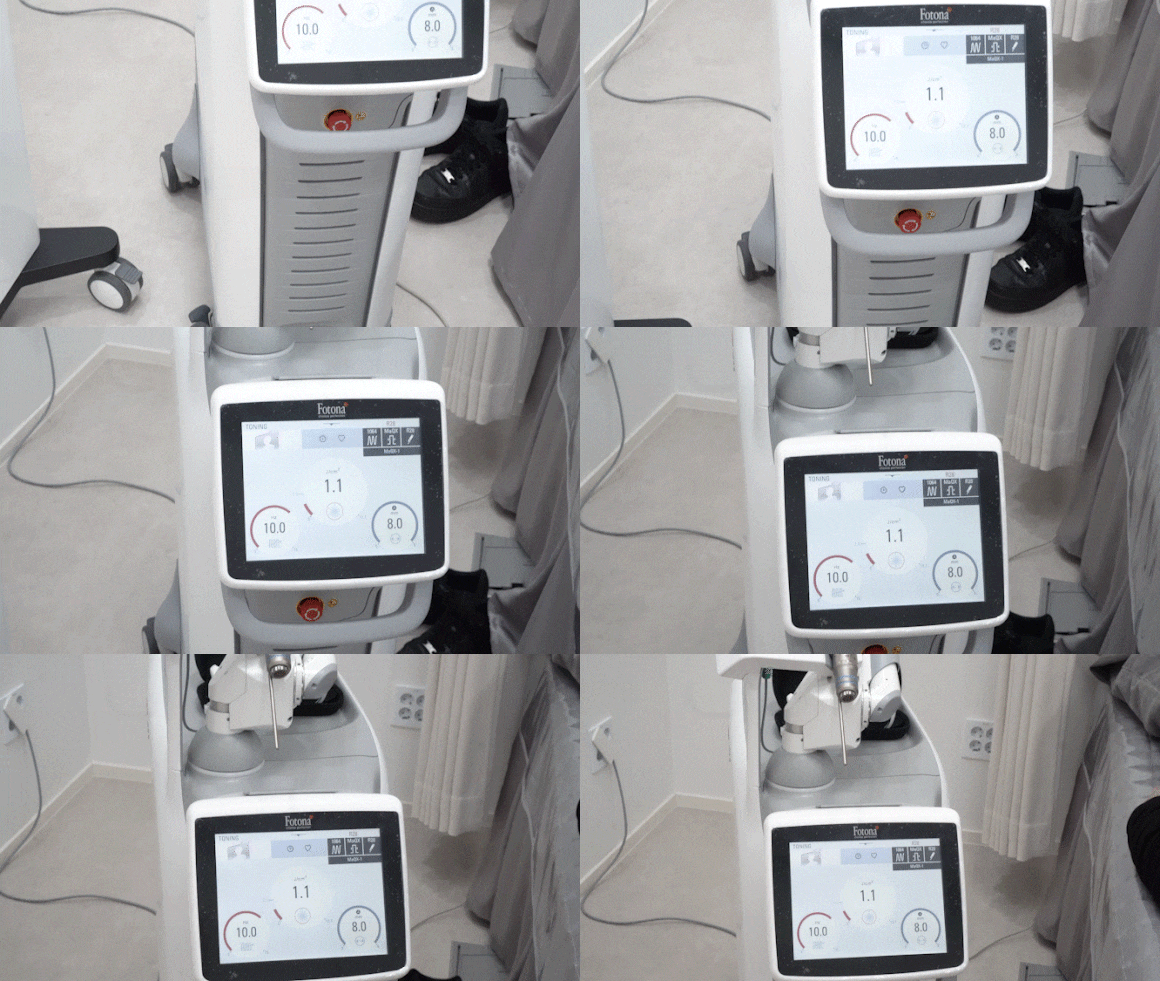
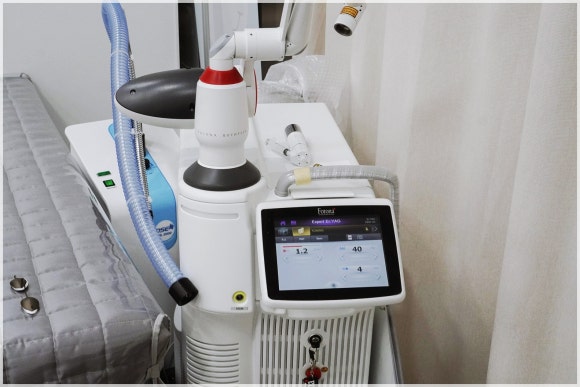
Recently, many clinics have begun using Fotona StarWalker devices to manage these pigmentation concerns.
Today, we will explain the principles and features of Fotona StarWalker toning, the number of sessions that may be needed, and what to check before treatment.
Table of Contents
-
What kind of treatment is Fotona StarWalker toning?
-
Why are melasma and blemishes difficult to remove in one session?
-
How many sessions are needed before results can be seen?
Mokdong laser toning
- What kind of treatment is
Fotona StarWalker toning?
Laser toning delivers laser energy to melanin pigments within the skin, breaks the pigment particles into smaller fragments, and allows the body to gradually eliminate them.
Fotona StarWalker is a pigment laser device designed to deliver energy relatively evenly.
It can be used to manage pigmentation in detail while reducing excessive concentration of energy in specific areas.
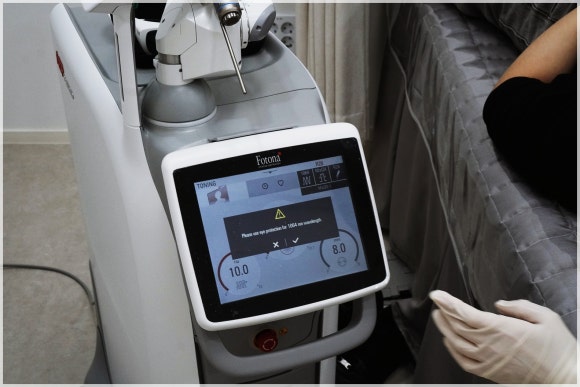
It can be used not only for pigment conditions such as melasma, freckles, lentigines, and blemishes, but also, depending on the depth and characteristics of the pigment, for resistant pigmentation, nevi, and tattoo removal.
In addition, the fractional mode can deliver small amounts of laser energy in a distributed manner across the skin.
This can help manage pigmentation and may also support the improvement of pores, skin texture, and elasticity by promoting collagen remodeling within the skin.
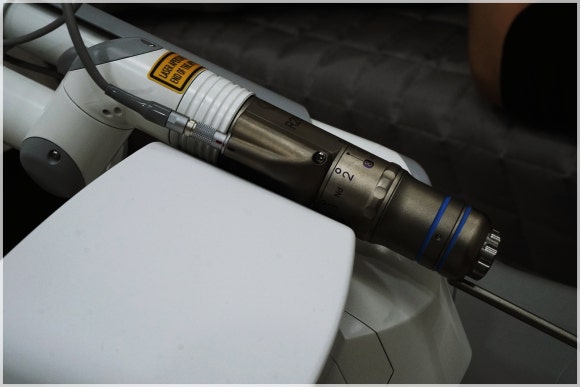
However, the fact that Fotona StarWalker can be used for various treatments does not mean that one mode can address every skin concern.
It is important to first identify which type of pigmentation is currently causing the concern and then select the appropriate mode and energy level.
Mokdong laser toning
- Why are melasma and blemishes
so difficult to remove in one session?
“If the laser removes pigmentation,
wouldn’t it be enough to have one strong treatment?”
Some people ask this question.
However, pigment treatment is closer to gradually breaking down and eliminating melanin within a range that does not overburden the skin than to burning it away with one intense treatment.
Melasma, in particular, is influenced by multiple factors, including ultraviolet exposure, hormones, changes in the skin barrier, and inflammatory responses.
If it is stimulated with excessively strong energy, post-inflammatory hyperpigmentation may occur, causing the pigmentation to become darker instead.
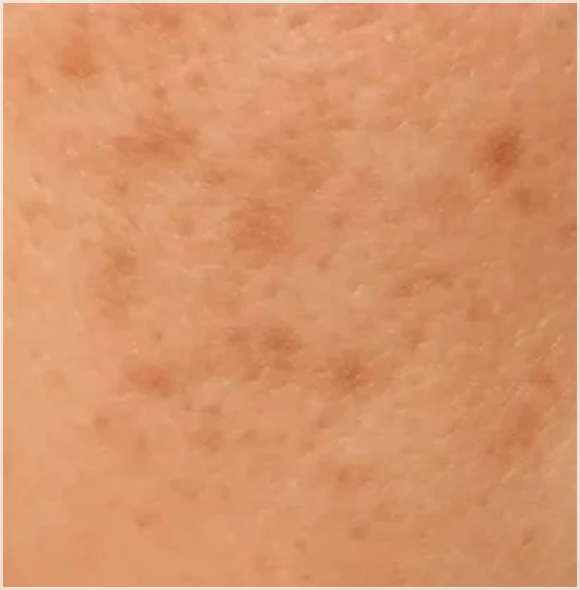
By contrast, freckles or well-defined blemishes may show relatively rapid changes depending on the location of the pigment and the condition of the skin.
Therefore, even with the same Mokdong laser toning treatment, the number and intensity of sessions should not be identical for everyone.
Fotona StarWalker can be used to manage pigmentation gradually with a uniform beam, but the actual treatment intensity and intervals need to be adjusted while observing the skin’s response.
Rather than deciding on the number of sessions from the outset, it is important to assess the skin condition and type of pigmentation and check the response at each stage of treatment.
Mokdong Fotona StarWalker
- How many sessions are needed
before results can be seen?
One of the most common questions during laser toning consultations concerns the number of sessions.
To put it simply, the number needed varies depending on the type and depth of the pigmentation, skin tone, and lifestyle habits.
In general, laser toning is often performed at regular intervals so that gradual changes can be observed, rather than expecting results from a single session.
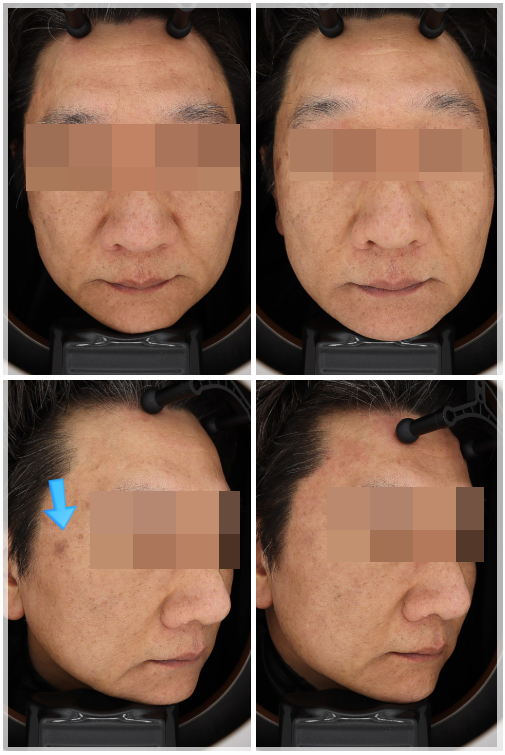
At first, you may feel that your skin tone is gradually becoming clearer, and as treatments are repeated, noticeable blemishes may slowly become lighter.
Melasma or mixed pigmentation involving several types of pigment may require relatively long-term management.
However, it is difficult to say definitively that everyone must receive at least 10 sessions or that pigmentation will completely disappear once a set number of sessions has been completed.
Continuing treatment at the same intensity even when the pigmentation is responding well, or forcing the planned number of sessions despite a sensitive skin response, may place a burden on the skin.
Temporary redness, warmth, and dryness may occur after treatment, and depending on the individual, there is also a possibility of side effects such as hyperpigmentation or hypopigmentation.
Therefore, after treatment, you should apply plenty of moisturizer and use sunscreen thoroughly.
It is also advisable to avoid activities that expose the skin to heat and irritation, such as intense exfoliation, saunas, and alcohol consumption, for several days. :)
Today, we discussed the principles and features of Fotona StarWalker and the number of treatment sessions for those considering Mokdong laser toning.
Fotona StarWalker toning can be used to manage various pigmentation concerns, including melasma, freckles, lentigines, and blemishes, with evenly delivered laser energy.
It also has the advantage of potentially helping improve pores, skin texture, and elasticity when the fractional mode is used.
Even pigmentation that looks similar on the surface can differ in depth and cause, so the appropriate wavelength, energy level, and treatment interval must also vary accordingly.
When choosing laser toning, you should carefully check the type and depth of the pigmentation before treatment and determine whether the plan is adjusted according to the skin’s response.
If you are concerned about recurring melasma and blemishes or a dull skin tone, we hope you will receive a thorough consultation and first find the treatment approach suited to your current skin condition. We will conclude here.
This was You&I Clinic Mokdong Branch.
Thank you.
<You&I Clinic Mokdong Branch Hours>
Weekdays:
am 10:00 ~ pm 08:30 [Evening hours]
Weekends (Sat/Sun) · Public holidays:
am 10:00 ~ pm 04:00
*No lunch break
*Open on Saturdays, Sundays, and public holidays
< Directions >