Hello.
This is Yonsei Dagam Dental Clinic in Garak-dong.
Implants can, in cases of tooth loss,
realistically restore more than 90%
of the function of natural teeth,
while providing a high level of chewing ability
and esthetics.
They also have a high success rate
and are a safe treatment method.
However, as with any treatment,
failures can occur.
When it comes to the causes of implant failure,
people often think that advanced age
or systemic disease
would lead to a higher failure rate.
This is not entirely wrong, but
a recent follow-up study of patients aged 65 and older
that Garak-dong Dental Clinic reviewed
showed that,
in fact, the product-specific characteristics
of the implants used in the procedure
have a greater impact
on the failure rate.
This shows how important it is
to choose the right type of implant.
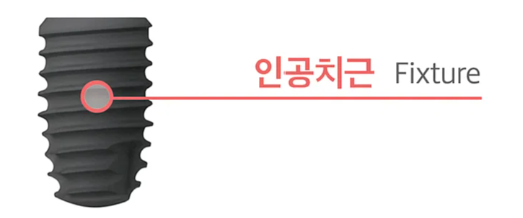
This structure, called the “fixture,”
is the core component
that serves as the root of the tooth.
The outer surface of the fixture
is treated with a special material,
and there are various ingredients
designed to help the bone and the fixture
bond well together (osseointegration),
depending on the type.
Therefore, it is important to select
the appropriate type according to the condition
and characteristics of the bone.
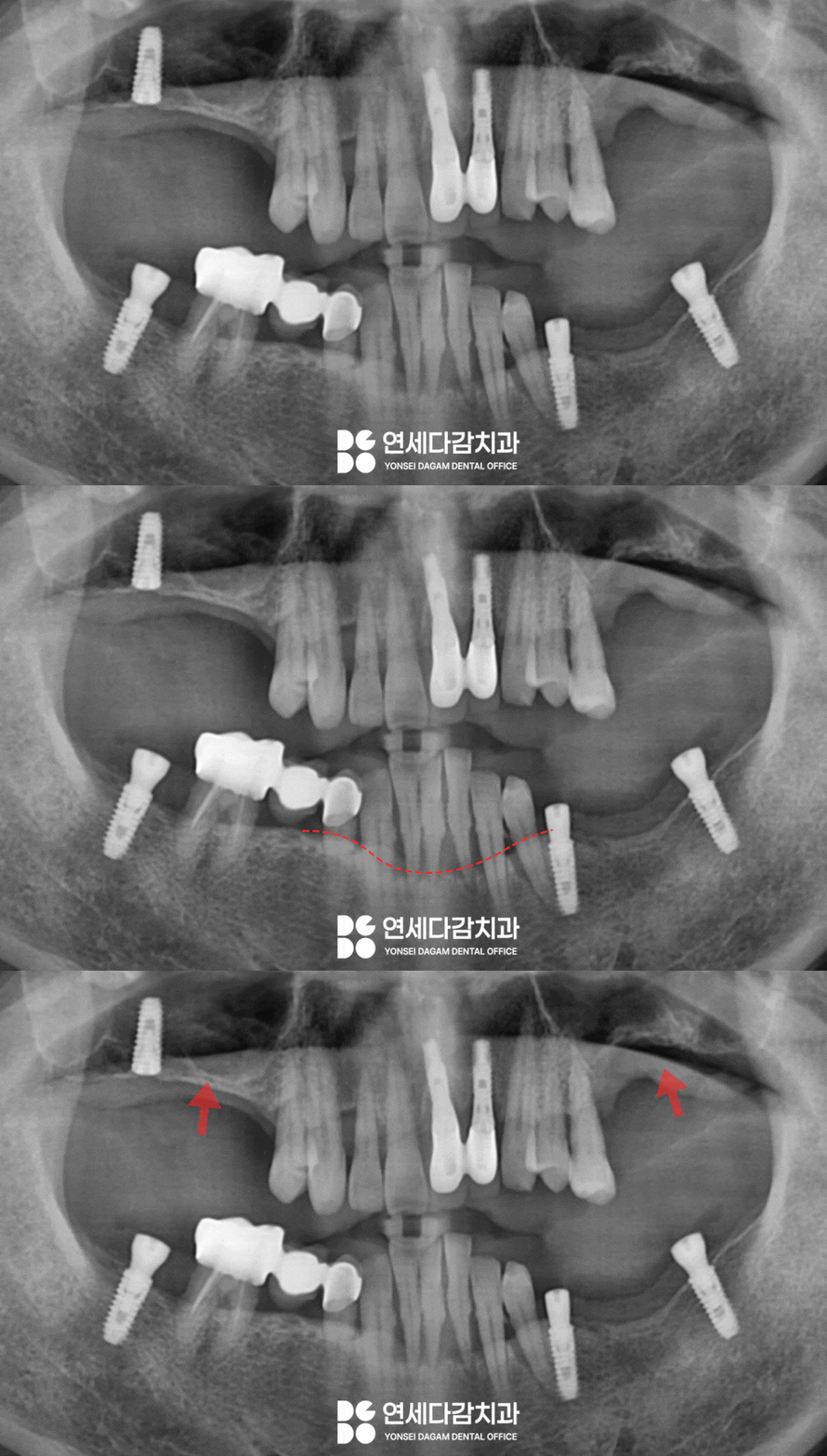
For example, at Garak-dong Dental Clinic,
there are cases where the front teeth are very loose
and the bone condition is poor,
or where the upper jaw bone has become thin,
requiring additional procedures such as bone grafting.
In particular, the upper molar area
has low bone density
and is an area that receives a lot of force
during chewing, so implant failure rates
are relatively high there.
When the bone height is low, the maxillary sinus
membrane may be damaged,
so a step-by-step approach is needed:
lift the membrane upward to secure space,
perform bone grafting,
and then place the fixture.
However, when the bone height is low
or the bone quality is poor,
the osseointegration process may take longer.
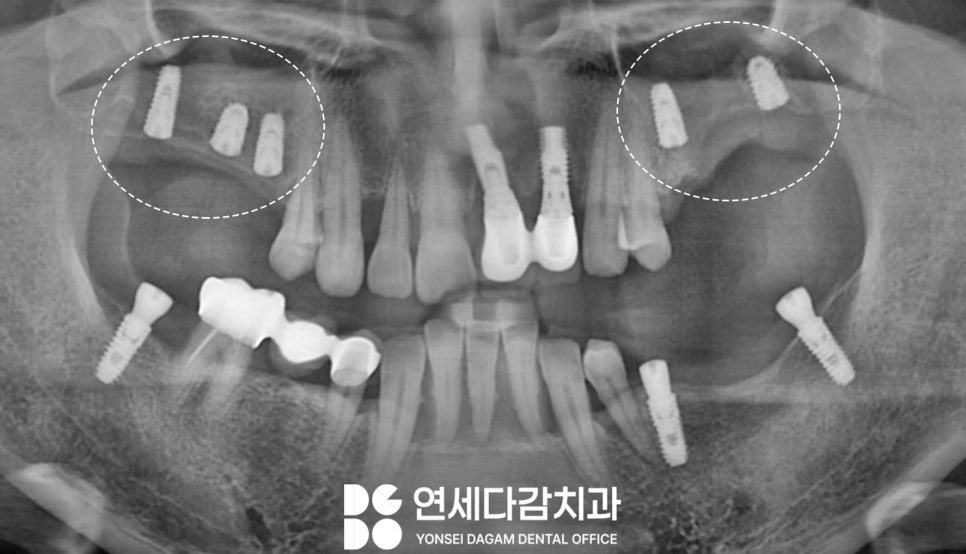
Therefore, it is important to choose
a product treated with ingredients
that can promote bone regeneration.
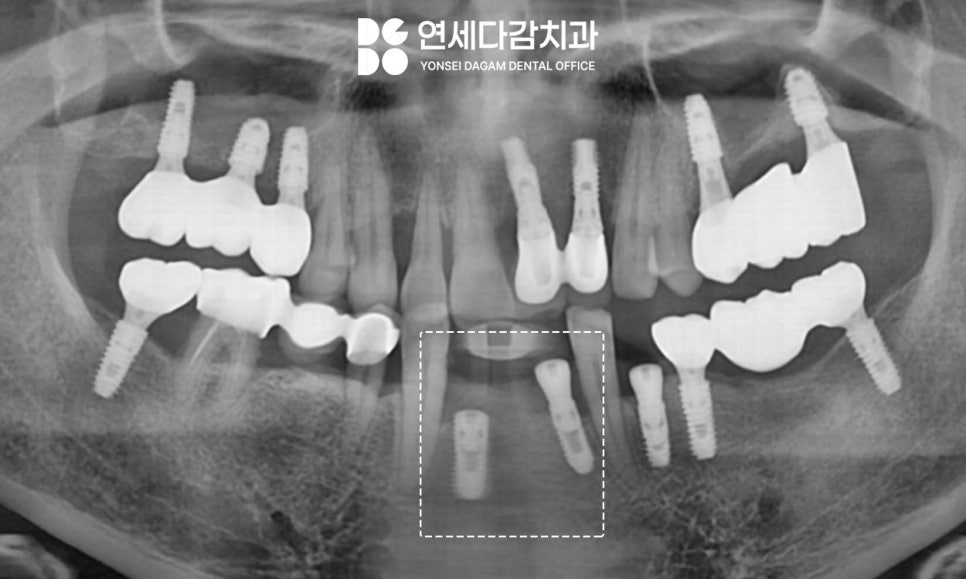
The lower front tooth area also has poor bone condition,
so a type that can bond stably is selected
to secure fixation.
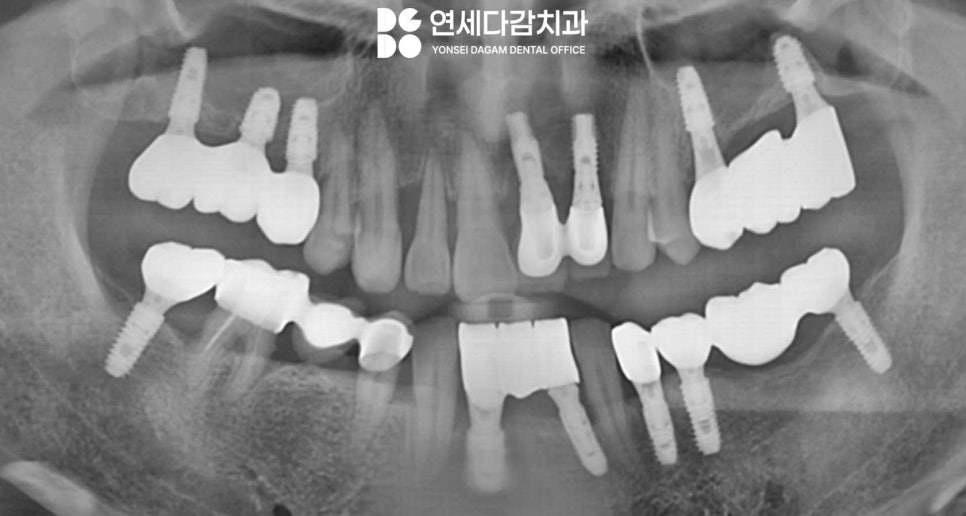
Through this process, osseointegration proceeds smoothly
at all surgical sites,
allowing for a stable result.
With the advancement of implant surface treatment technology,
various types of products have been developed,
broadening the options available.
Among them, Garak-dong Dental Clinic
will take a look at the main surface treatment methods
of Osstem implants, which are widely used in Korea.
There are many different types, but
the representative methods that are most commonly used
are the following four:
SA, CA, BA, and SOI.
- SA
(Sand-blasted, Acid-etched)
This is an older type, and it is the only product
approved as an insurance-covered implant type
by the Health Insurance Review and Assessment Service
under the Ministry of Health and Welfare.
As the most basic surface treatment method,
it roughens the surface through sand blasting
and acid treatment,
enhancing the mechanical bond
with the jawbone.
However, because it is not hydrophilic,
its ability to help blood clot gather and support
faster bone formation is limited.
What adds hydrophilic properties here
is CA.
- CA
(Calcium-modified SA)
This is SA with calcium ions,
a component of bone, added to it,
as explained earlier at Garak-dong Dental Clinic.
It has high hydrophilicity,
increasing blood wettability and promoting osseointegration,
so it is mainly recommended for people
with weaker jawbone conditions.
The next type introduced is BA.
- BA
(Bio-Active)
A thin coating of hydroxyapatite (HA),
a bone component,
is applied to promote early bone formation.
It is suitable for patients with weak bone,
and shows rapid osseointegration and high stability.
At Osstem, BA surface implants
are classified as premium products,
and they can be applied to a variety of bone conditions.
Finally, the most recent system is SOI.
- SOI
(Super Osseo Integration)
This product maximizes hydrophilicity
by applying a thin coating of a material
that can promote blood clot formation.
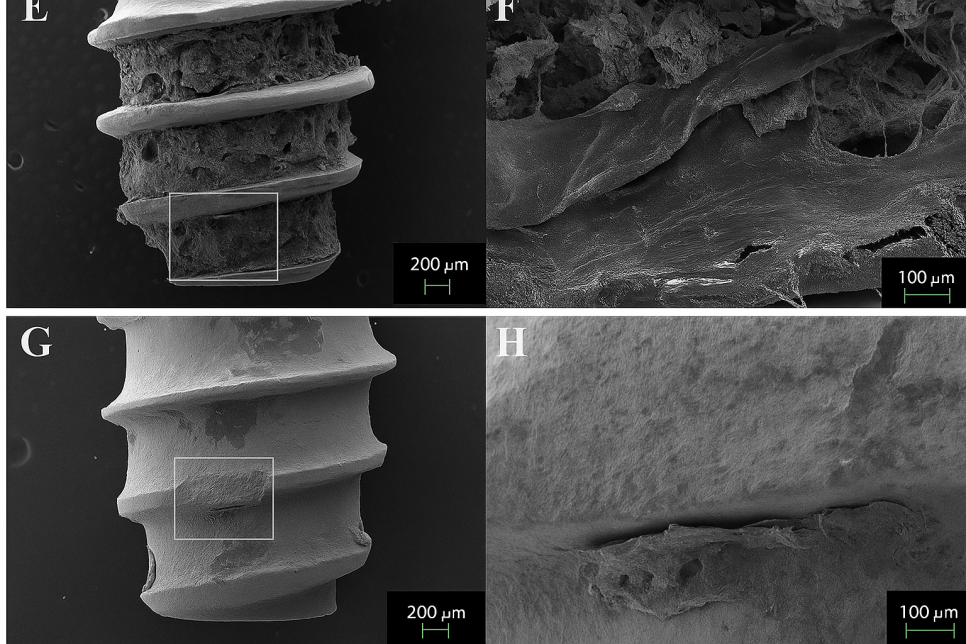
It works by helping the initial blood clot gather,
which promotes bone formation.
It uses the fibrin network,
a protein element that helps bone formation,
and is said to have excellent early bone response performance.
Among Osstem implant surface treatment methods,
this is the newest one,
and it shows rapid recovery and high biocompatibility.
Thanks to the development of these technologies,
as explained by Garak-dong Dental Clinic,
the range of customized implant choices
has become much broader,
with comprehensive consideration of bone quality,
implant site, and systemic condition.
Implant treatment can achieve ideal results
only when each patient’s bone condition,
oral environment,
and the proper product selection
all come together.
Beyond simply choosing a good brand,
choosing the surface treatment method
that is suitable for the individual patient’s situation
is the key factor.
Implants cannot completely replace natural teeth,
but because they can restore function
and provide esthetics,
it is clear that they are an important treatment option
when teeth are lost.
Today, we looked at the types of surface treatment,
and next time we will cover the shape
in more detail.
This was Yonsei Dagam Dental Clinic in Garak-dong.
Thank you.
25.03.15~25.07.03