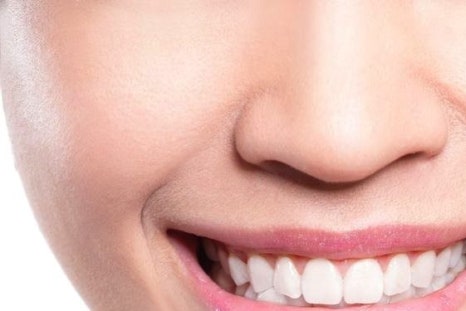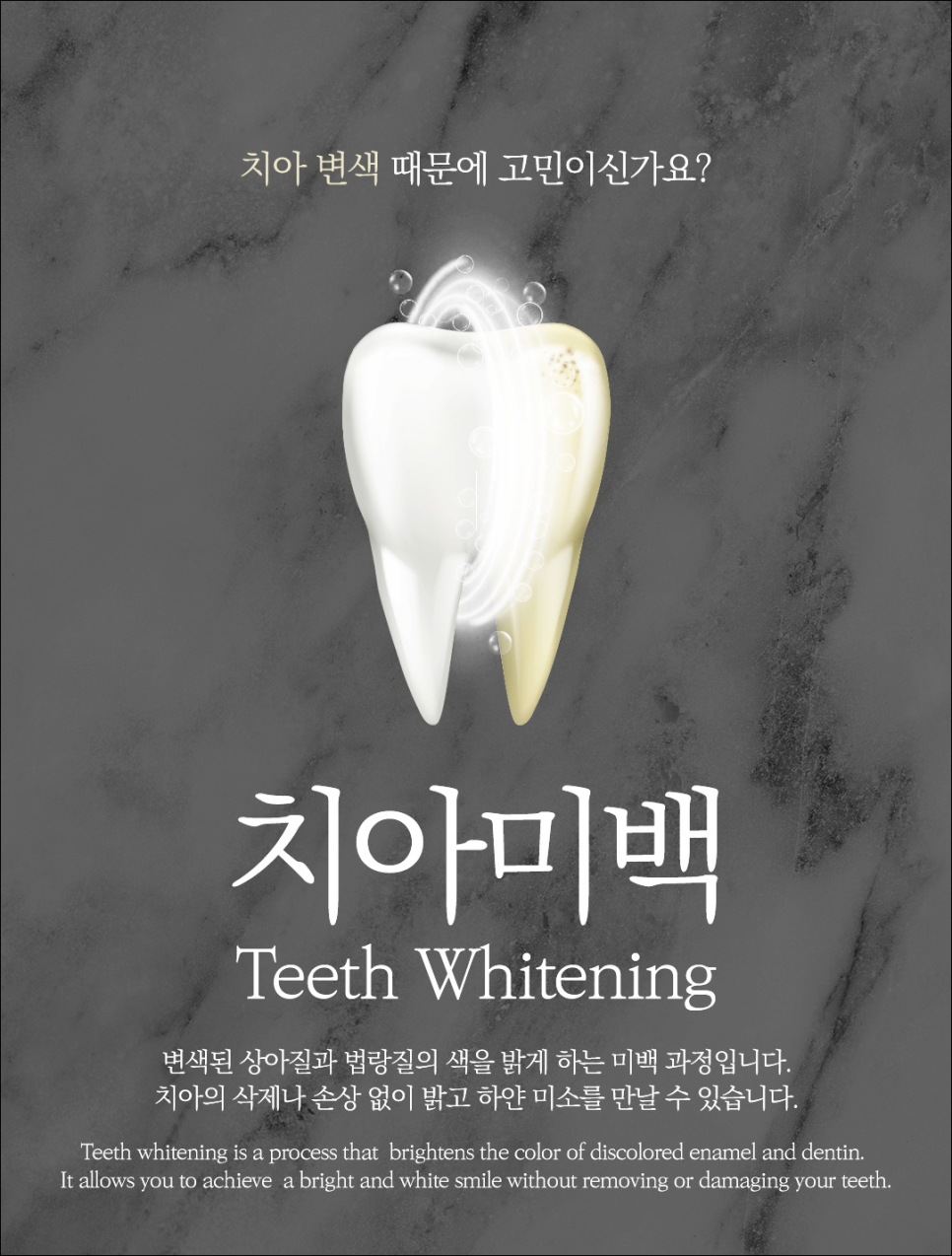
Hello, everyone! Today, we’d like to take a detailed look at “teeth whitening,” a topic that many people are interested in. In particular, we will provide objective information about the advantages and effects of teeth whitening procedures performed at specialized medical institutions such as Myeongdong Dental Clinic. A bright, radiant smile has a major impact on first impressions, and teeth whitening is one of the representative dental procedures that can help you regain that confident smile.

Why is teeth whitening necessary?
Modern people are frequently exposed to foods and products such as coffee, tea, wine, and cigarettes that can cause tooth discoloration. Teeth also naturally become more yellow with age. Shall we also talk about foods that affect tooth discoloration? These include coffee, black tea, and curry, and some people experience tooth discoloration because of smoking. In addition, Myeongdong Dental Clinic would like to point out that there can also be causes such as medication use and excessive fluoride exposure! Such discolored teeth not only reduce confidence in terms of appearance, but may also indirectly affect oral health. This is because awareness of tooth care can decrease, making it more likely that oral hygiene management will be neglected.

Types and methods of teeth whitening
Teeth whitening can be broadly divided into three methods.
- Professional teeth whitening
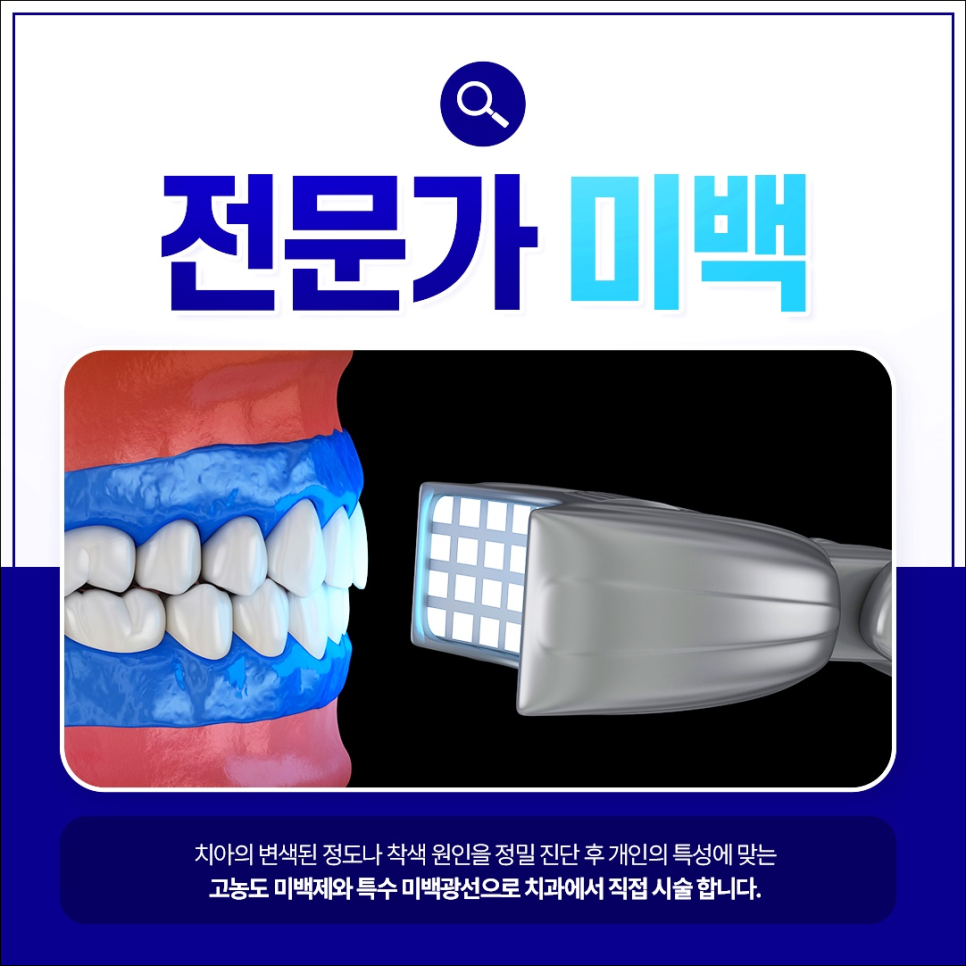
This is teeth whitening performed at a professional dental clinic, and it can produce effective results in a short time by using a high-concentration whitening agent.
Procedure:
-
Oral examination and consultation with a dentist
-
Placement of a barrier to protect the gums
-
Application of a high-concentration whitening agent (mainly 30–35% hydrogen peroxide)
-
Activation using a special LED or laser light source
-
Repeated treatment 2–3 times at 15–20 minute intervals
-
Post-procedure care instructions
-
At-home whitening
This method involves having a custom tray made at the dental clinic to fit the individual’s teeth, then using a prescribed low-concentration whitening agent at home.
Procedure:
-
Custom whitening tray fabrication at the dental clinic
-
Prescription of a low-concentration whitening agent (10–15% hydrogen peroxide or 10–20% carbamide peroxide)
-
Wearing the tray for 2–4 hours a day or overnight
-
Continuing for 2–3 weeks
-
Over-the-counter teeth whitening products
These are general whitening products that can be purchased at pharmacies or online, such as whitening toothpaste, whitening strips, and whitening gels. Because their concentration is lower than products used in medical institutions (usually 3–6% hydrogen peroxide), their effect is limited, but they can help remove mild stains or maintain results after professional whitening.

Professional teeth whitening vs. at-home teeth whitening: what’s the difference?
This is a point many people are curious about. Professional teeth whitening and at-home teeth whitening show clear differences in several aspects.
Difference in effectiveness
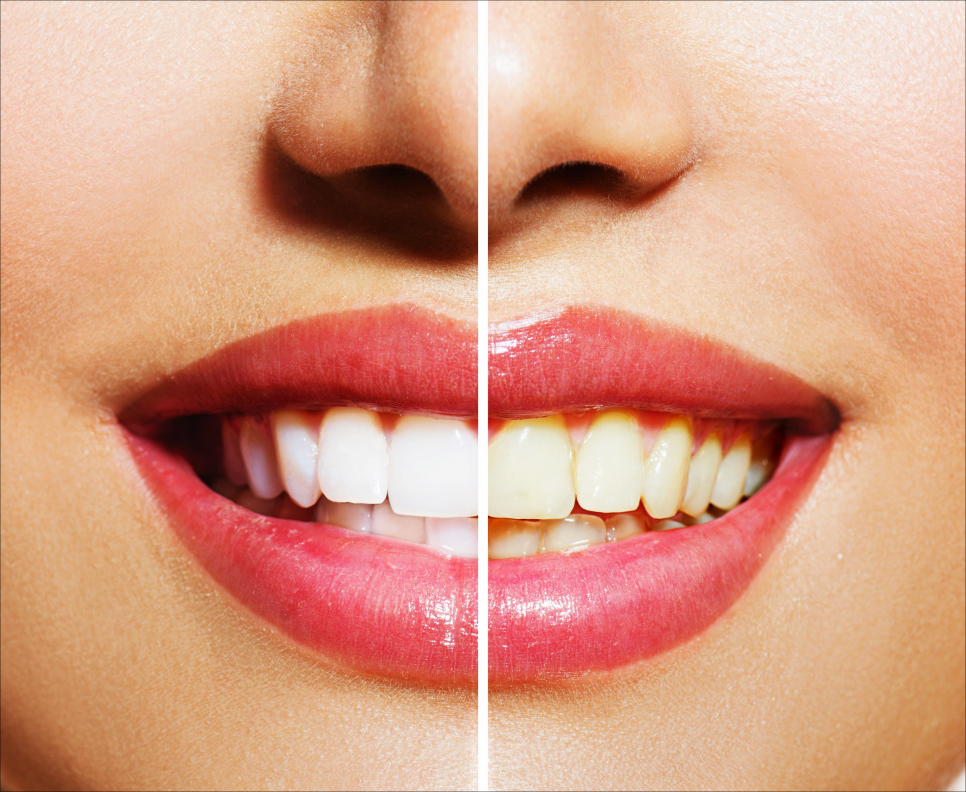
Because professional teeth whitening is performed at a medical institution such as Myeongdong Dental Clinic, you can expect immediate and noticeable results. In general, even a single treatment can improve tooth color by about 4–8 shades. On the other hand, at-home teeth whitening produces results gradually, and even with consistent use, it often results in only about 1–3 shades of improvement.
Time required and convenience
Professional teeth whitening is completed in 1–2 hours at the dental clinic, making it highly time-efficient for busy modern people. In contrast, at-home teeth whitening requires a certain amount of time every day, and it usually needs to be used continuously for about 2–4 weeks to see results. Of course, one advantage is that it can be done comfortably at home.
Duration of results
Teeth whitening performed by a professional tends to last relatively longer. With proper care, the effects can last up to 1–3 years. At-home whitening products generally last about 6 months to 1 year, and the duration may be shorter depending on lifestyle habits.
Safety and risk of side effects
Professional teeth whitening is carried out under the supervision of a dentist, so the risk of side effects is minimized. A pre-procedure oral examination makes it possible to tailor the treatment to the individual’s tooth condition, and if any problem occurs, immediate response is possible. In the case of at-home whitening, if the instructions are not followed exactly, the risk of side effects such as tooth sensitivity and gum irritation may increase.
Suitable situations
Professional teeth whitening is suitable when quick results are needed (weddings, important events, etc.), when discoloration is severe, or when a definite result is desired. At-home whitening is a good choice for removing mild stains, maintaining results after professional whitening, or when gradual improvement is preferred. Dental clinics in the Myeongdong area recommend the most appropriate teeth whitening method by considering the individual’s tooth condition and lifestyle. In some cases, combining office bleaching and home bleaching can produce the most effective long-term results.
How to care for your teeth after whitening
Let’s look at how to maximize the effects of teeth whitening and maintain them for a long time.
Precautions for the first 48 hours after the procedure
-
White diet: Avoid foods and drinks that cause staining (coffee, black tea, wine, curry, tomato sauce, etc.)
-
No smoking: Cigarettes are a major cause of tooth staining
-
Avoid temperature刺激: Avoid foods that are too hot or too cold
-
Limit acidic foods: Limit acidic foods such as fruit juice and carbonated drinks
-
Use whitening toothpaste: Helps maintain whitening effects
Long-term care methods
-
Regular scaling: Professional scaling at a dental clinic every 6 months
-
Proper brushing habits: Brush three times a day within 3 minutes after meals
-
Use of floss and interdental brushes: Effective for removing stains between teeth
-
Regular touch-ups: Light whitening touch-ups every 6 months to 1 year
-
Drink plenty of water: Rinse your mouth with water after eating
The results of teeth whitening can vary greatly depending on how you care for your teeth. In particular, the first 48 hours after the procedure are an important time for the whitening effect to settle, so caution is needed.
Teeth whitening Q&A: Frequently asked questions
Q: Does teeth whitening damage the teeth?
A: Teeth whitening performed properly under the guidance of a professional does not cause permanent damage to the enamel. However, temporary sensitivity may occur, but in most cases it disappears within a few days after the procedure.
Q: Is whitening effective for all types of tooth discoloration?
A: It is effective for extrinsic discoloration (staining caused by food, drinks, and smoking), but its effect may be limited for intrinsic discoloration (caused by antibiotics, fluorosis, or dental trauma).
Q: Can implants or prosthetic restorations also be whitened?
A: Prosthetic restorations such as ceramic and zirconia do not respond to whitening agents. Therefore, if you are planning restorative treatment, it is better to whiten first and then have the restoration made to match the brighter tooth color.
Q: How often can teeth whitening be done?
A: Professional teeth whitening (office bleaching) is appropriate about once every 6 months to 1 year. Using high-concentration whitening agents too frequently may increase tooth sensitivity.
The connection between teeth whitening and oral health
Teeth whitening is not just for cosmetic purposes. It is also closely related to oral health, so it is important to approach it from a comprehensive perspective.
- Improved oral hygiene habits
Many patients who visit for teeth whitening become more attentive to oral hygiene for the sake of maintaining their whitening results. Habits such as brushing, flossing, and regular checkups naturally improve, leading to better overall oral health.
- Easier observation of tooth surfaces
White teeth make it easier to observe changes in the tooth surface. Early cavities and tiny cracks can also be detected more quickly, allowing for early treatment.
- Confidence and mental health
A bright smile boosts confidence and has a positive effect on interpersonal relationships. According to psychological research, people who are satisfied with their smile tend to be more socially active and have higher self-esteem.
- Teeth whitening and dietary improvement
After teeth whitening, people tend to limit foods that cause staining, which naturally improves dietary habits. As excessive intake of coffee, black tea, and carbonated drinks decreases, there can be positive effects not only on oral health but also on overall health.
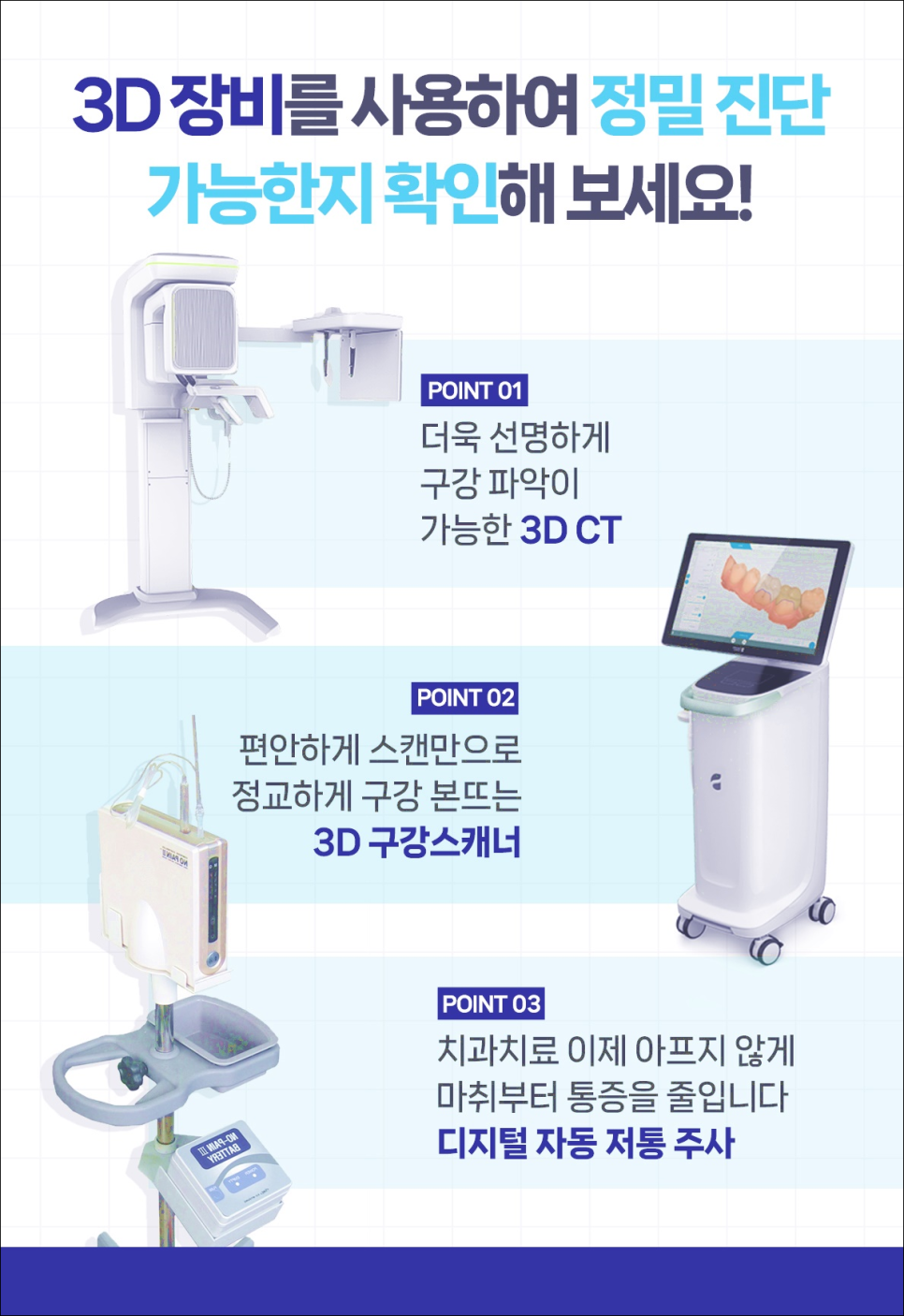
Teeth whitening is more than just a cosmetic procedure; it is an important dental treatment that raises awareness of confidence and oral health. At specialized medical institutions such as Myeongdong Dental Clinic, the goal is not simply to make teeth whiter, but to help each person find the most natural and healthy smile.
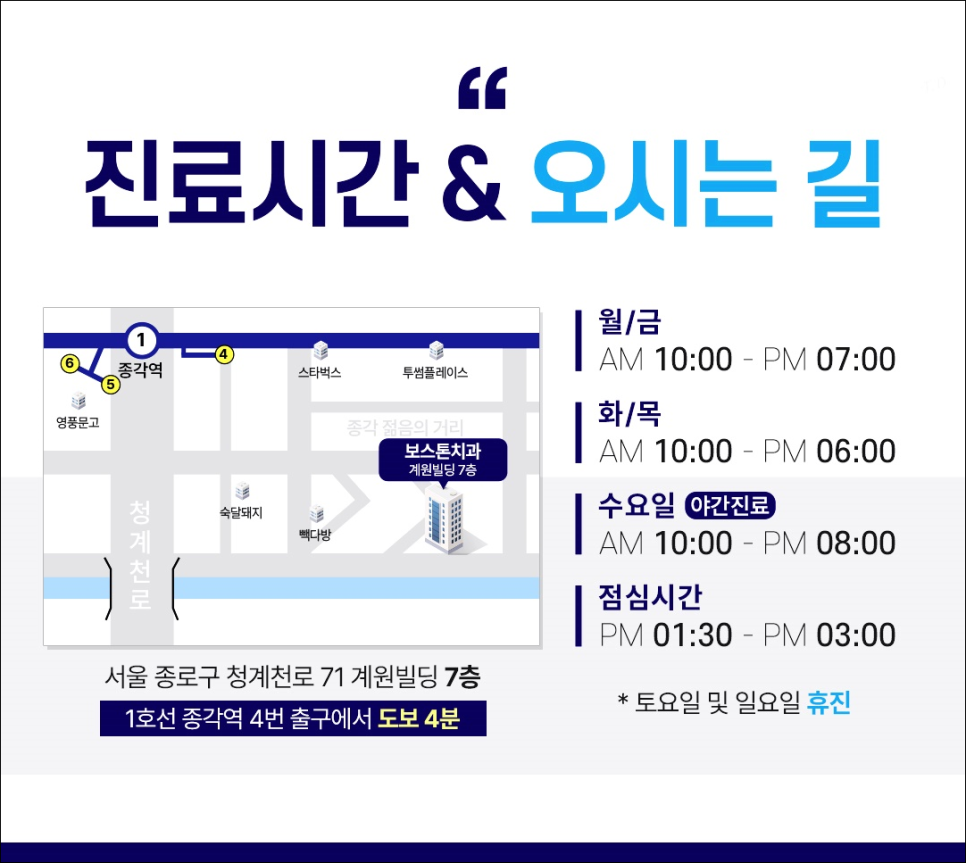
If you are considering teeth whitening, it is important to first consult with a professional to accurately understand your tooth condition and the cause of discoloration. When you choose the right whitening method based on an accurate diagnosis, you can achieve the most satisfying results.
A bright smile can bring small but meaningful changes to your daily life. Start your day with confidence through professional teeth whitening.