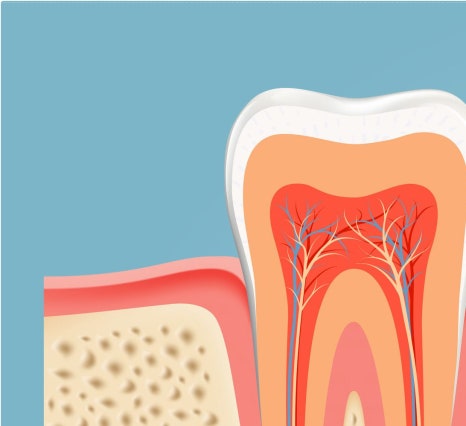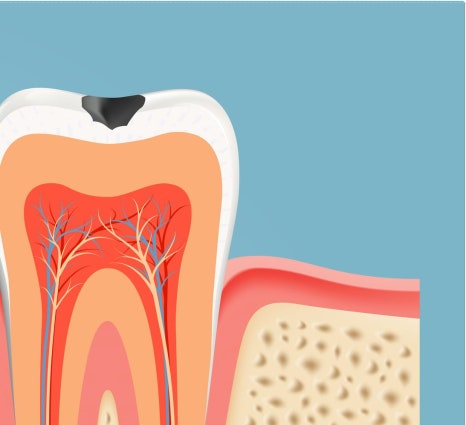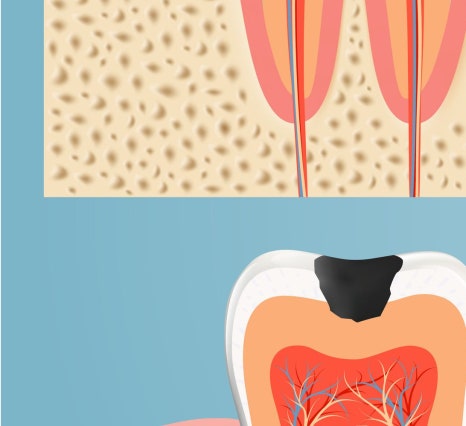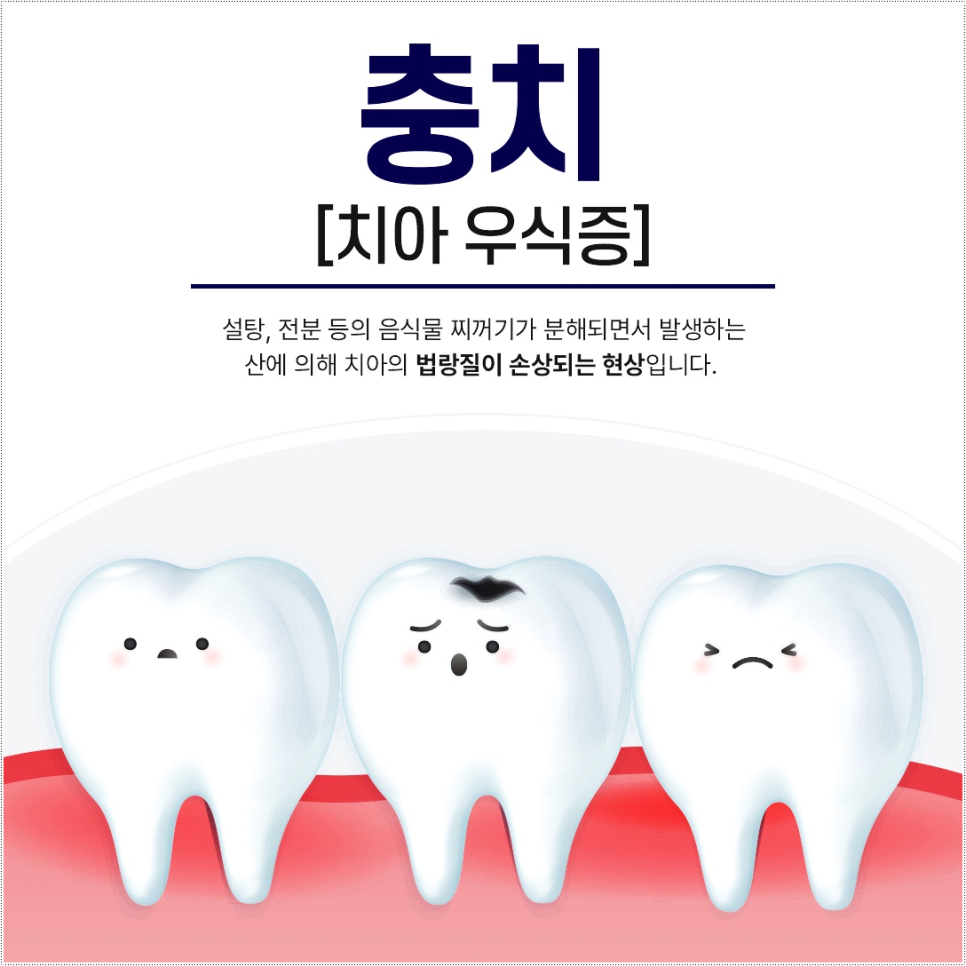
Have you been worried because your teeth suddenly feel sensitive or hurt? Cavities are a common oral disease that can happen to anyone. In the early stages, symptoms are often mild, so they are easy to ignore, but over time they can lead to severe pain. Today, we took a detailed look at how you should be treated when you have a cavity at Jongno Dental Clinic.
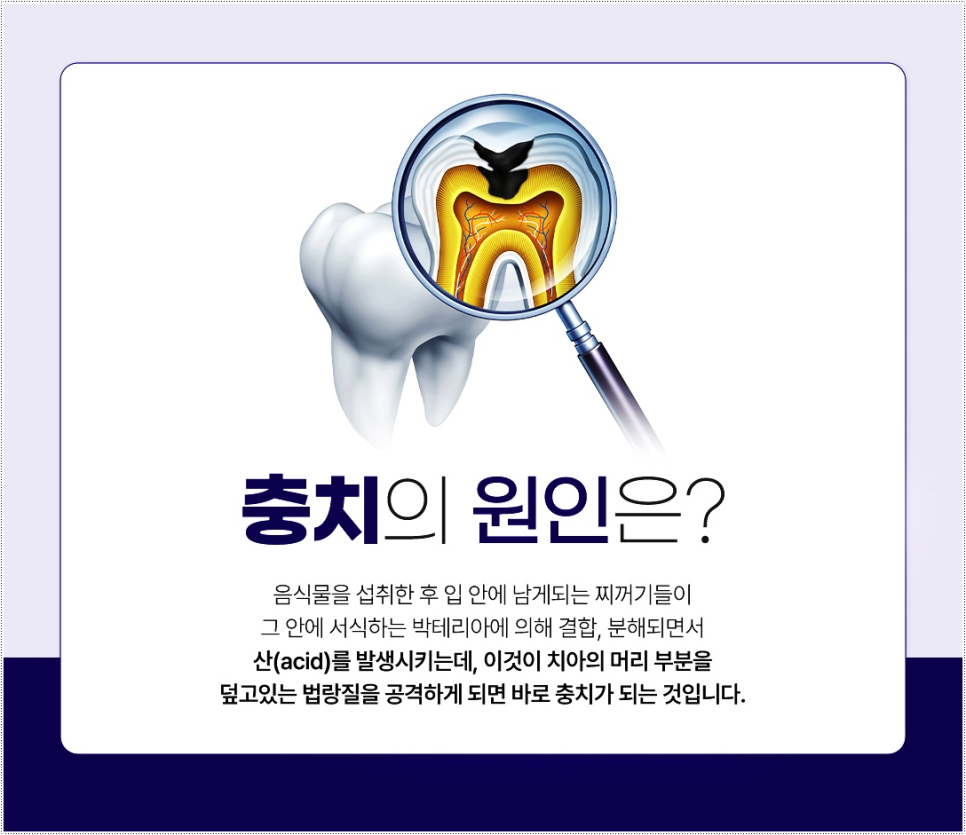
Why cavities develop
Cavities develop through a more complex process than many people think. The main culprit is a mucous substance called dextran. Bacteria attach to this substance, break down the sugars in food, and produce lactic acid, which slowly dissolves the tooth. At night, saliva production drops significantly, so bacteria become even more active. That is why failing to brush properly before bed greatly increases the risk of cavities. Also, if you do not brush right after eating sweets, it is like throwing a party for bacteria.
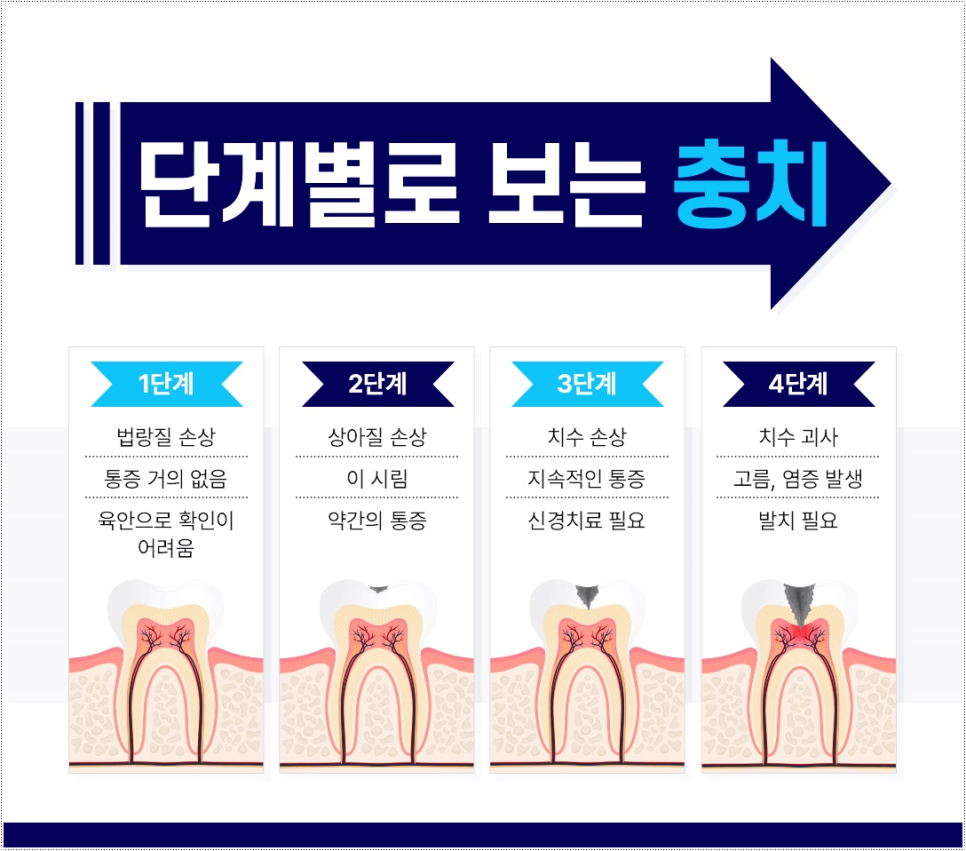
Symptoms by cavity stage
The symptoms of cavities differ depending on how far they have progressed. If you know the symptoms at each stage, you can get treatment at the right time.
| Stage | Main symptoms | Required action |
|---|
| Stage 1 | Slight discoloration on the tooth surface, no pain | Fluoride application, early treatment |
| Stage 2 | Sensitivity to sweets or cold foods | Filling treatment (resin, G.I.) |
| Stage 3 | Persistent pain even when doing nothing | Root canal treatment and crown treatment |
| Stage 4 | Severe pain even at rest, serious structural damage | Extraction or complex treatment |

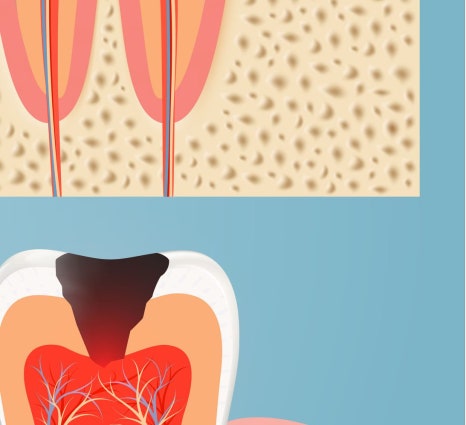
In Stage 1, there are only tiny white spots or slight discoloration on the surface, so most people do not notice it. Starting in Stage 2, you begin to feel a sharp sensation when eating cold drinks or ice cream. By Stage 3, pain is felt even when doing nothing. At this point, the cavity has already progressed close to the nerve, so root canal treatment and crown treatment are needed. Stage 4 is truly painful, with severe pain continuing even at rest and the tooth structure being seriously damaged.
Cavity treatment methods
There were various treatment methods depending on the condition. Here are the representative treatment options available at Jongno Dental Clinic.
-
Glass ionomer (G.I.) treatment: This was covered by health insurance, so it was economical. It adheres directly to the tooth and slowly releases fluoride, so it also helps prevent cavities. It is mainly used for small cavities or cervical abrasion.
-
Resin filling: Composite resin in a color similar to natural teeth was used, making it aesthetically pleasing. It is suitable for small cavities and has excellent adhesion to the tooth. However, it is not covered by insurance, so it is more expensive than G.I.
-
Amalgam filling: This was widely used in the past and has high strength, so it was mainly used for larger cavities or molars. However, due to concerns about mercury content, it has recently been gradually replaced by G.I.
-
Crown treatment: When a tooth is badly damaged, a zirconia or gold crown is placed to restore function. It is also used for single-tooth treatment together with implants.
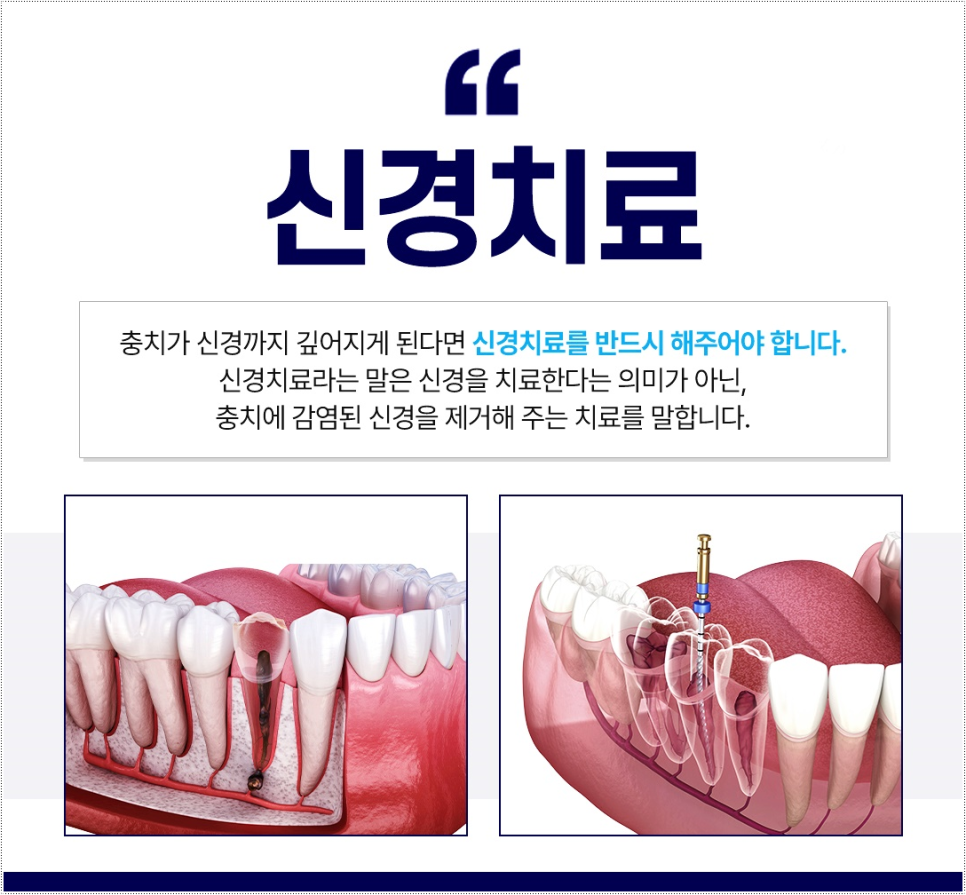
What is root canal treatment?
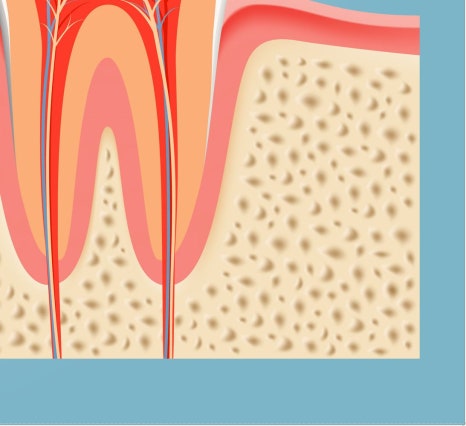
Root canal treatment is necessary when a cavity infects the nerve inside the tooth. In such cases, the dental clinic performs root canal treatment with precision equipment. First, the infected nerve tissue is removed and the inside of the tooth is thoroughly disinfected. Then the empty space is filled with a special material and sealed. This process usually requires 2 to 3 visits. Since a tooth that has undergone root canal treatment loses vitality and can become weak, crown treatment is usually performed together. In the past, root canal treatment was widely believed to be very painful, but these days, with advances in anesthesia, treatment can be received without much discomfort.
How to care after treatment
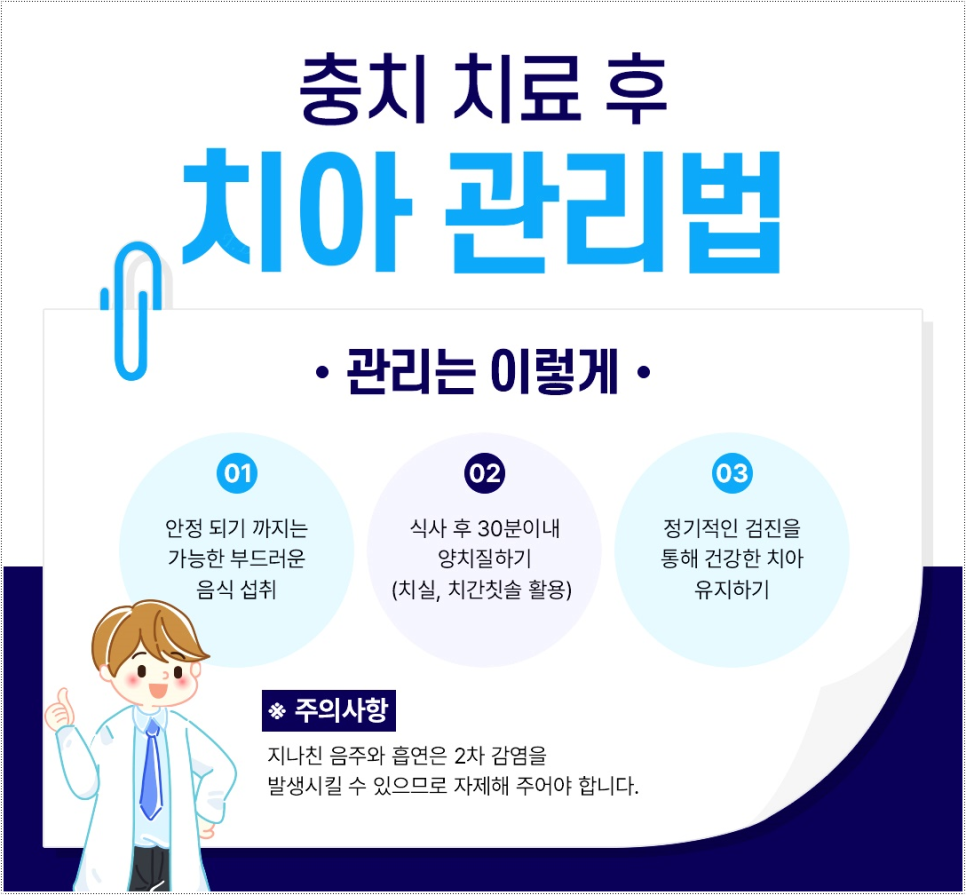
After cavity treatment, care is very important. Jongno Dental Clinic also shared some care tips!
-
The first 24 hours after treatment: Avoid sweets and hot foods and maintain a soft diet. In particular, it is better to avoid foods that may irritate the teeth.
-
Brushing: Do not brush within 2 hours after treatment. After that, gently brush with a soft brush to protect the treated area.
-
Regular checkups: Visit the dentist every 6 months to check for any remaining cavities or the condition of the treated area. This way, if a problem arises, it can be found early.
After treatment, teeth can be especially sensitive to temperature changes, so it is best to avoid foods that are too hot or too cold. Also, when chewing hard foods, it is better to chew on the opposite side from the treated area.
Lifestyle habits for prevention
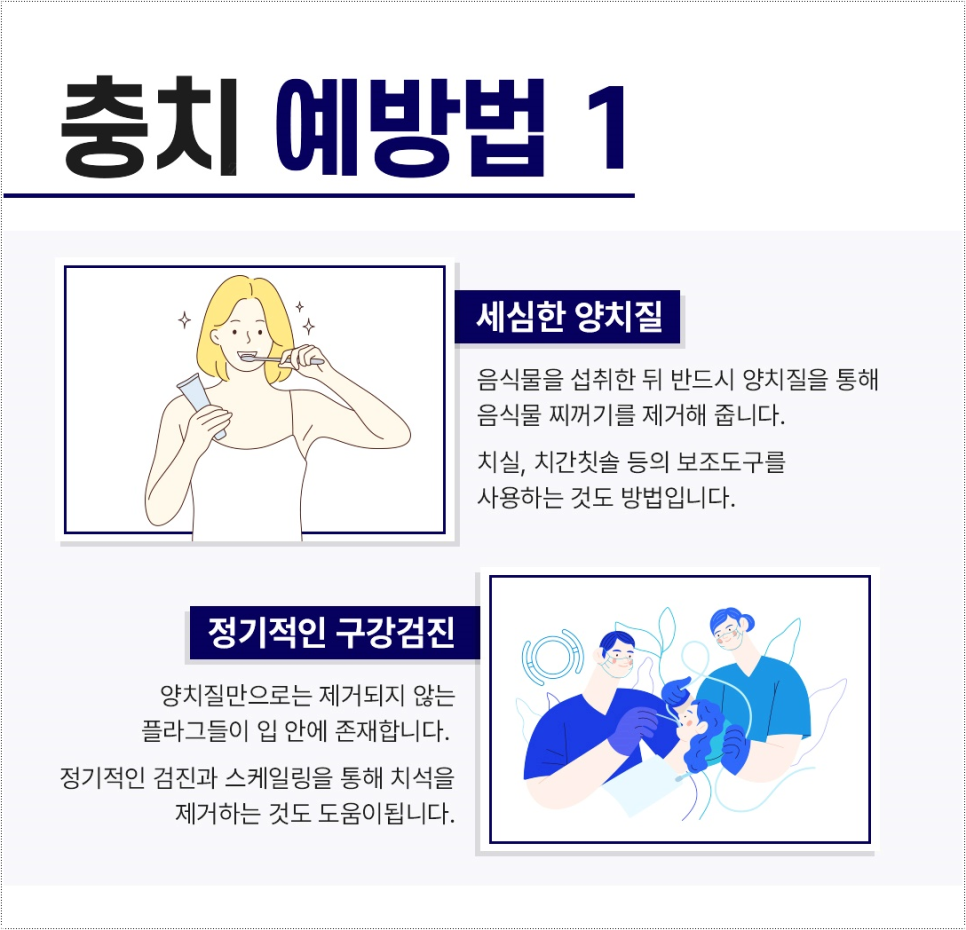
Prevention is much more important than treatment when it comes to cavities. By practicing the preventive habits recommended by Jongno Dental Clinic, the rate of cavities definitely decreased.
-
Brushing: Brushing before bed was the most important. Using toothpaste helped strengthen the tooth enamel. Brushing 3 times a day, within 3 minutes after meals, was a good habit.
-
Snack management: Reduce snacks that contain sugar and choose water or unsweetened drinks. Even if you eat snacks, eating them all at once and then brushing is better for dental health.
-
Dental visits: Get regular checkups every 6 months to detect and treat early cavities. Scaling was also done regularly to remove plaque and tartar.
In addition, using dental floss and mouthwash can prevent cavities more effectively. In particular, the spaces between teeth are difficult to clean with a toothbrush alone, so dental floss is essential.
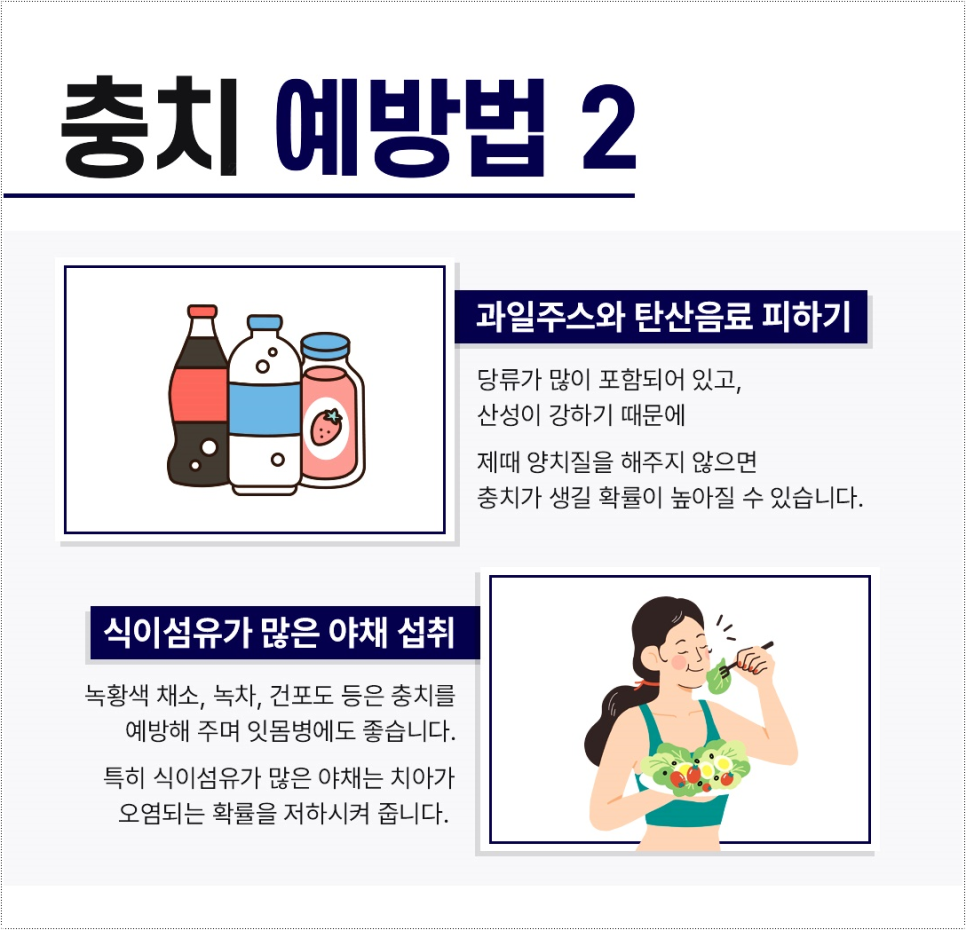
Cavities are a preventable disease. If you have received cavity treatment at a dental clinic, regular care is essential to maintain healthy teeth without cavities in the future. Most cavities can be prevented with regular checkups and proper brushing habits alone. If a problem is found early before pain appears, it can often be resolved with simple treatment, so if you notice even a small change, visit the dentist as soon as possible!