Euljiro Dental Clinic Implant: If You Have Lost a Tooth
What Should You Do?
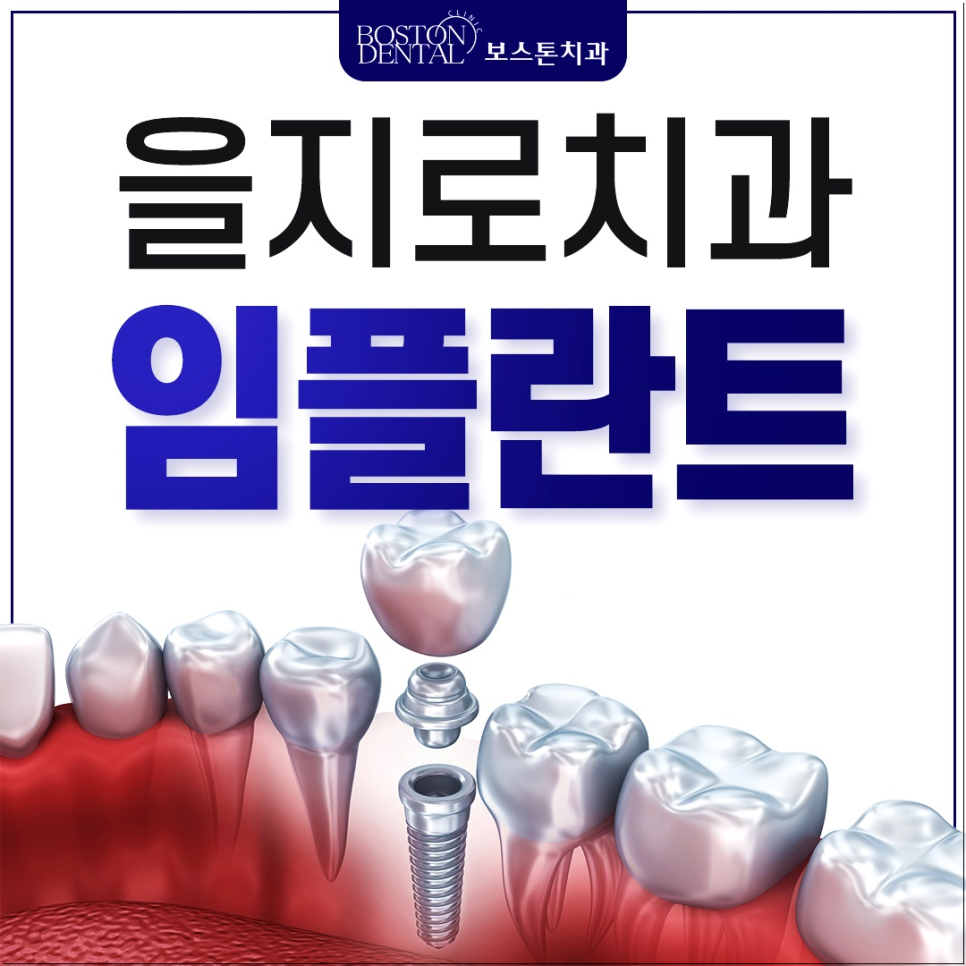
Teeth are important not only for chewing food, but also for speech, maintaining facial shape, and overall health. However, tooth loss due to accidents, cavities, periodontal disease, and other causes is not uncommon. At times like this, one of the most commonly chosen treatment options has been an implant. Many patients who have lost a tooth may have wondered what treatment to choose next. Today, Euljiro Dental Clinic has organized the information you need to know about implants.

🦷 What is an implant?
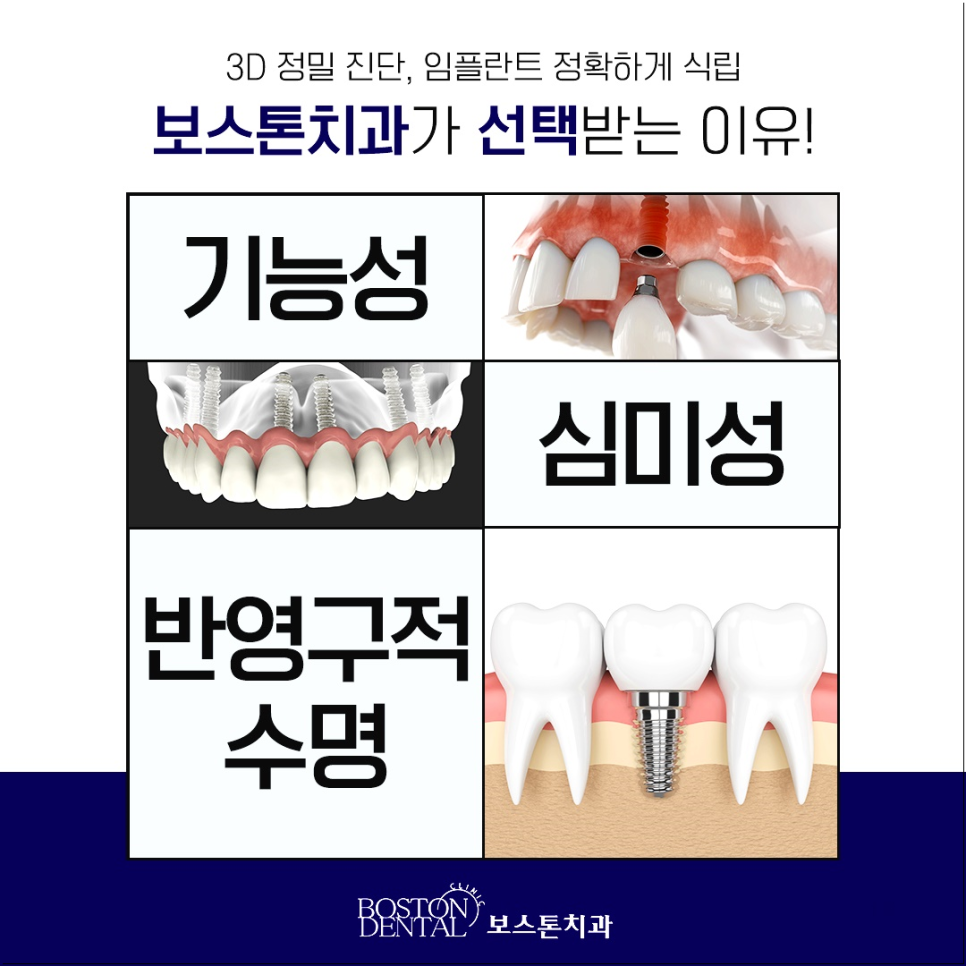
An implant is a treatment method that restores function and aesthetics by placing an artificial root (made of titanium) into the jawbone to replace a missing tooth, then covering it with a tooth-shaped prosthesis.
▶ Implant structure
An implant was broadly made up of three parts.
-
Fixture: The artificial root placed in the jawbone
-
Abutment: The part that connects the artificial root and the prosthesis
-
Crown: The visible artificial tooth portion
▶ Differences from natural teeth
Natural teeth are supported by a tissue called the periodontal ligament, which helps with sensation and shock absorption, but implants are directly fused with the jawbone, so they do not have sensation and their shock absorption ability is somewhat lower. On the other hand, they do not develop cavities and have the advantage of not damaging adjacent teeth.

🦷 In what cases were implants needed?
-
When one or more teeth were missing
-
When a bridge was difficult to place (due to concern about damaging the teeth on both sides)
-
When dentures were uncomfortable
-
When front teeth were lost at a young age, and so on
However, for treatment at a dental clinic, the condition of the jawbone and overall health status had to be comprehensively evaluated before proceeding. Please also keep in mind that during consultation, you should not hide whether you are taking any medication or have any systemic disease.
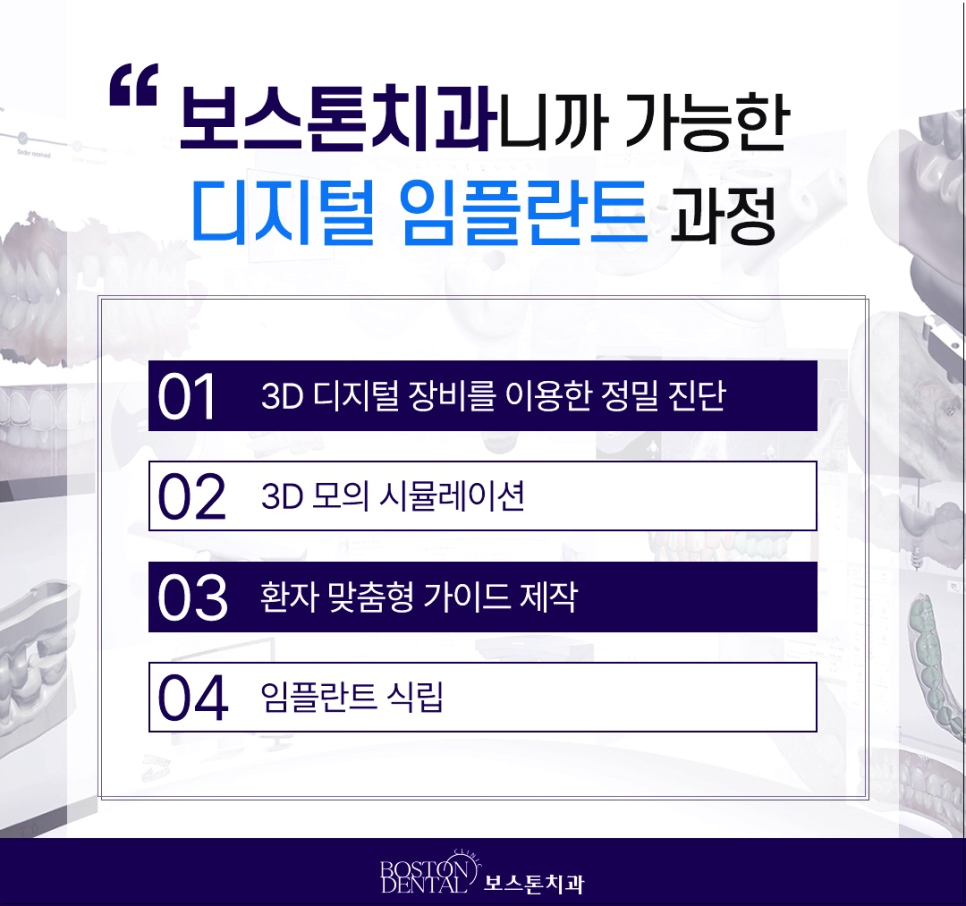
🦷 How was the implant procedure performed?
An implant was not a simple treatment, but a surgery that required careful planning and a detailed process. In general, it proceeded through the following steps.
- Consultation and detailed examination
X-rays, CT scans, and other tests were used to check the condition of the jawbone and the location of nerves.
- First surgery – Fixture placement
After local anesthesia, the gum was incised and the artificial root was placed into the bone. This process usually finished within an hour, and after surgery, the patient waited 2 to 6 months for the bone and implant to integrate properly.
- Second surgery – Abutment connection
Once the fixture was stable, the abutment was connected to prepare for supporting the prosthesis.
- Prosthesis fabrication and placement
A custom-made artificial tooth was fabricated and placed, and at this stage, it was important to precisely match the color and shape. Each stage required recovery time and care, and especially right after surgery, extra attention had to be paid to eating and brushing.
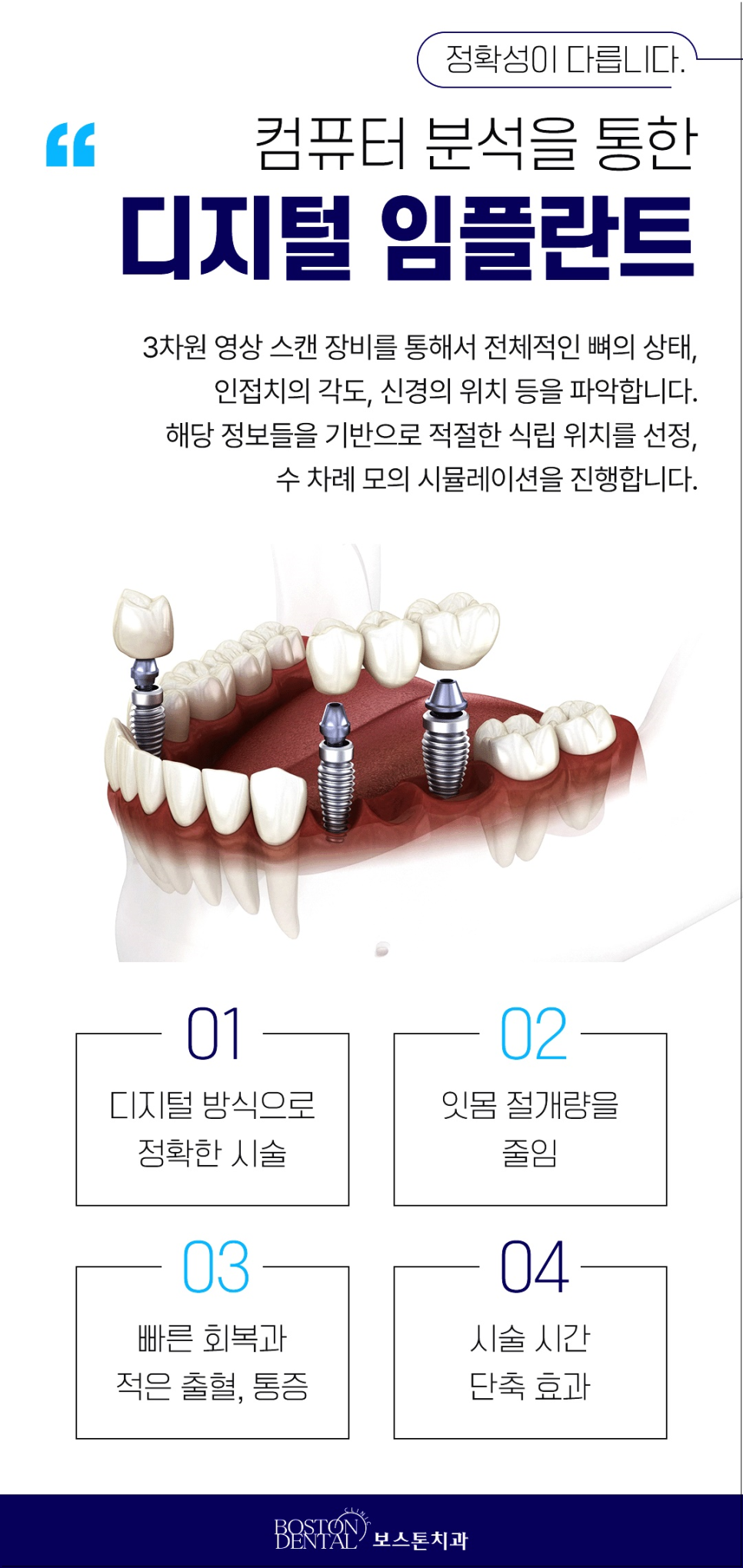
🦷 What were the types of implants and the selection criteria?
▶ Classification by material
-
Titanium implant: The most widely used, with excellent biocompatibility.
-
Zirconia implant: Suitable for patients sensitive to metals, and excellent in aesthetics.
▶ Selection according to patient condition
The selection criteria changed depending on whether there was sufficient jawbone and whether there were systemic diseases such as diabetes or osteoporosis. If the missing tooth area had been left untreated for a long time, damage to the jawbone could occur. In such cases, treatment should not proceed with an implant right away; instead, bone grafting should be performed first to improve the bone condition before treatment continued.
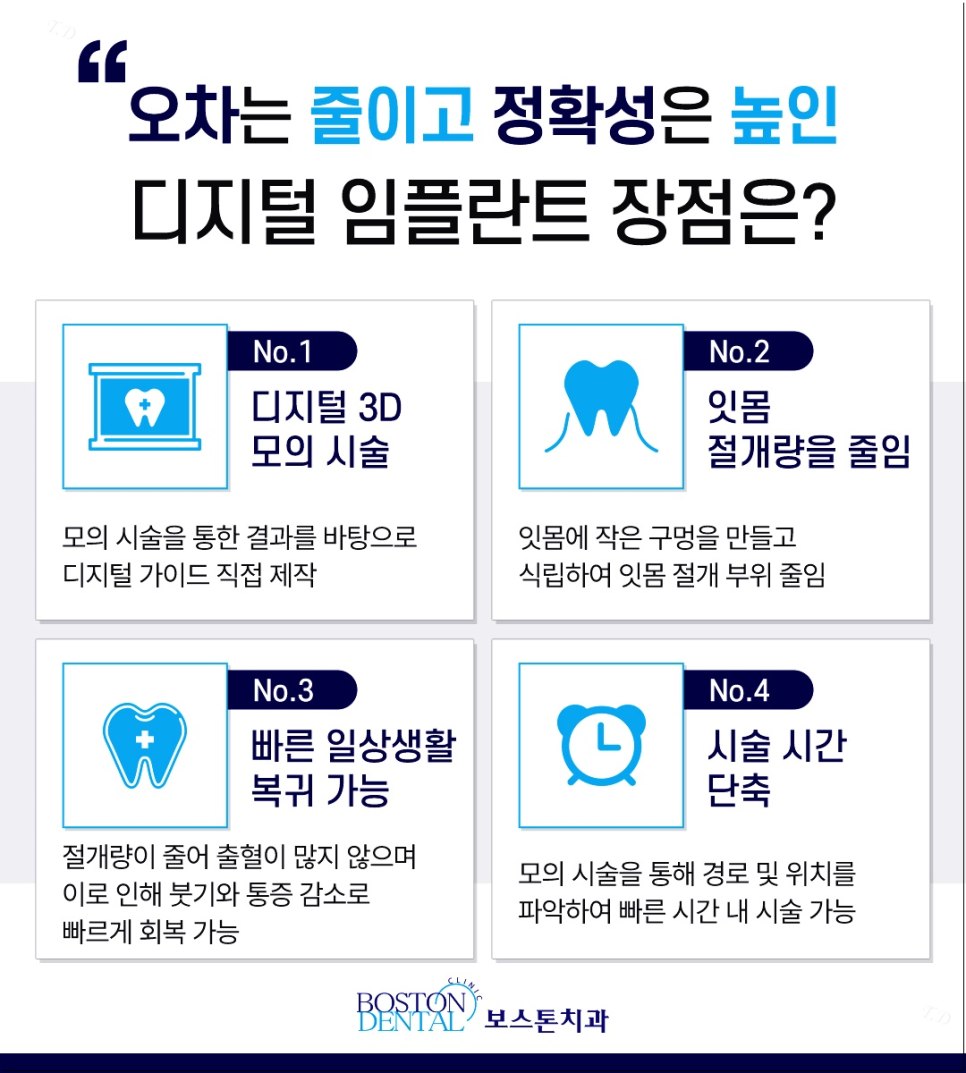
🦷 What should you be careful about after an implant?
Implants, like natural teeth, required consistent care. If care was neglected, problems such as peri-implantitis could arise.
▶ Dietary control
For a few days right after surgery, hot or hard foods should be avoided.
A soft, non-irritating diet was recommended.
▶ Oral hygiene
The area around the prosthesis should be kept clean using a special toothbrush, interdental brush, water flosser, and similar tools.
▶ Regular checkups
It was important to have a regular checkup every 6 months to 1 year to monitor the condition of the implant.

🦷 Implants should be decided on carefully
Because implants were a treatment that required a long time and cost, sufficient consultation and information gathering were necessary before treatment. In particular, because the prognosis could vary depending on the condition of the jawbone and whether there were systemic diseases, it was advisable to proceed after a detailed diagnosis at an experienced dental clinic.
📌 In closing
An implant is not simply an “artificial tooth,” but an important treatment for improving overall oral health and quality of life. To achieve a strong and long-lasting result, every step from pre-procedure consultation to post-treatment care had to be handled carefully. Please take the information Euljiro Dental Clinic shared today as a reference, and continue to take care of your dental health so that everyone can enjoy delicious meals with a healthy mouth. Thank you :)



















