Tooth Decay Treatment: Don’t Put It Off!
Essential Information from Myeongdong Dental Clinic
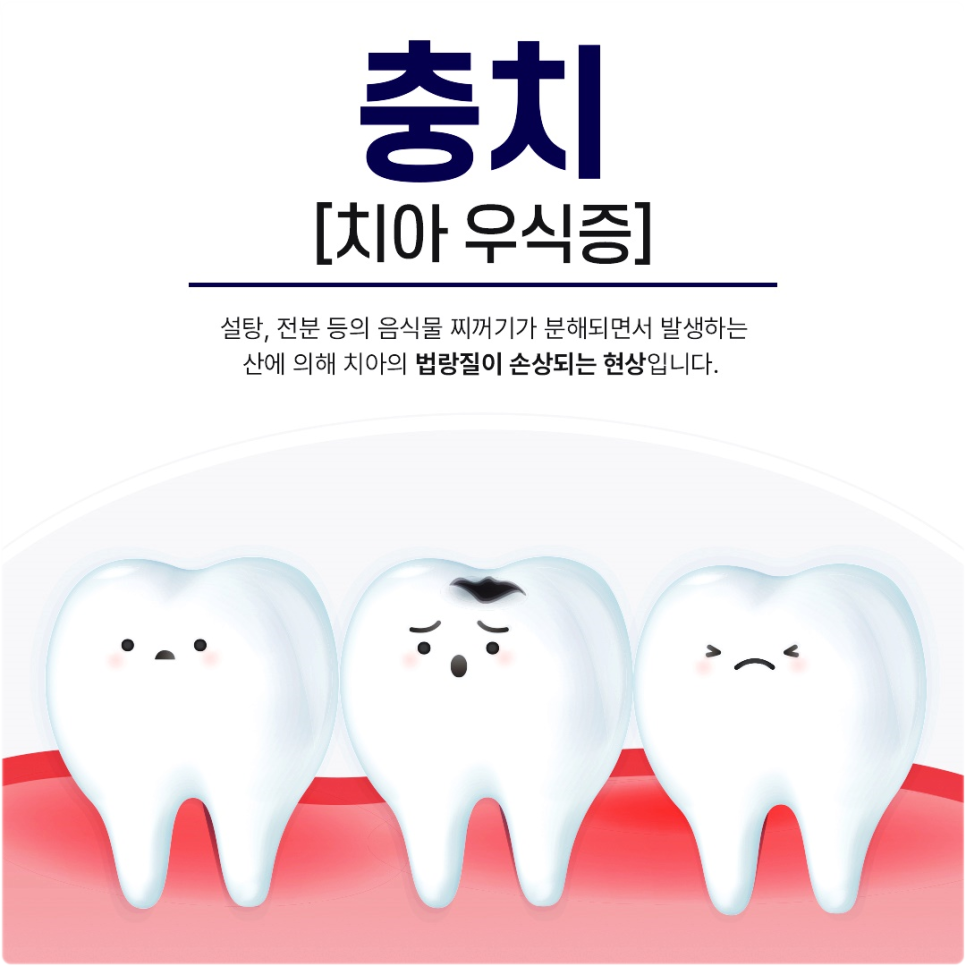
You brush carefully in the morning and evening, and sometimes even use dental floss… so why do cavities keep developing? If you keep brushing off minor tooth symptoms in the middle of a busy routine by thinking, “It’ll be fine,” it often ends up requiring root canal treatment. In this post, we’ll organize everything working adults need to know about cavity treatment, from the causes of cavities and treatment methods to when root canal treatment is necessary and frequently asked questions.
If you work in Myeongdong and are worried about cavities, be sure to read this.
Why do cavities develop?
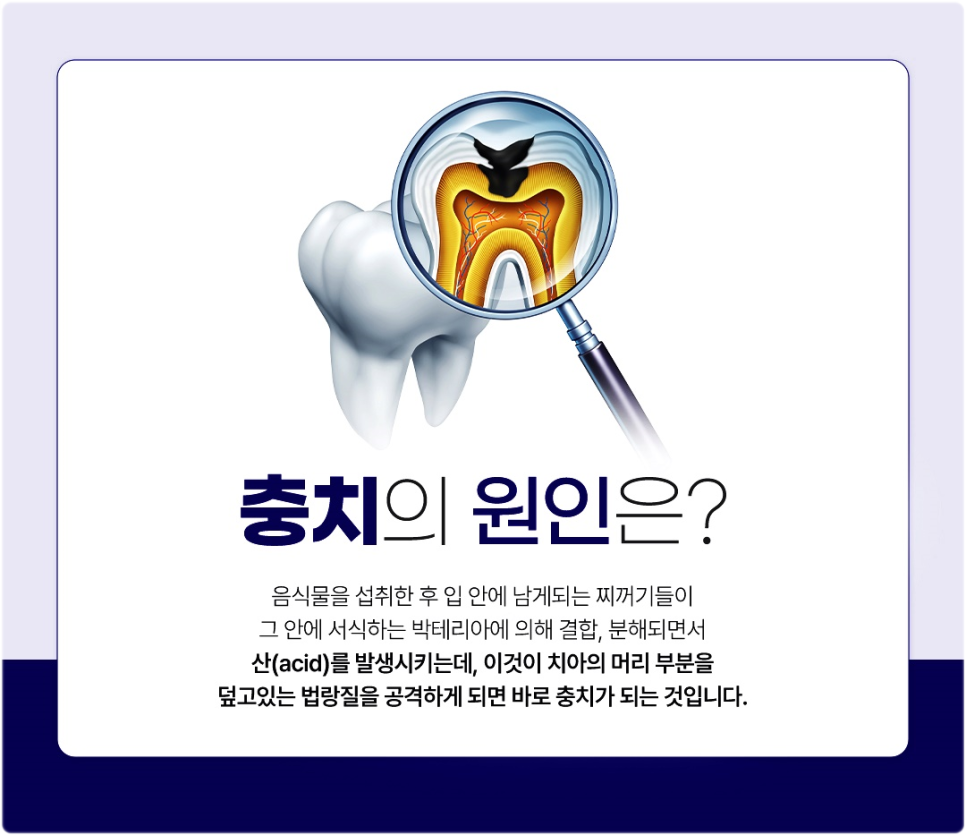
Cavities are caused when bacteria in the mouth break down sugar to produce acid, and that acid erodes the surface of the tooth. It is not simply a matter of eating sweets; multiple factors work together.
🔹 Main causes of cavities
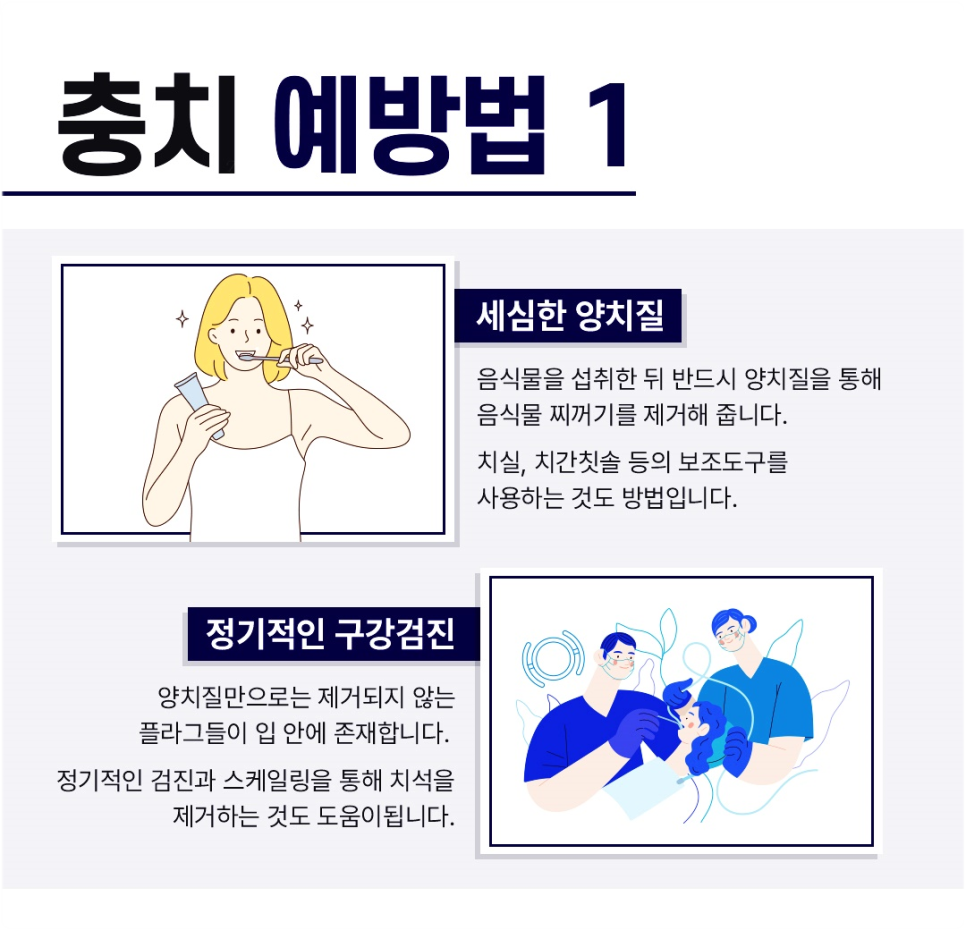
Incomplete brushing habits
Skipping brushing when tired after overtime work
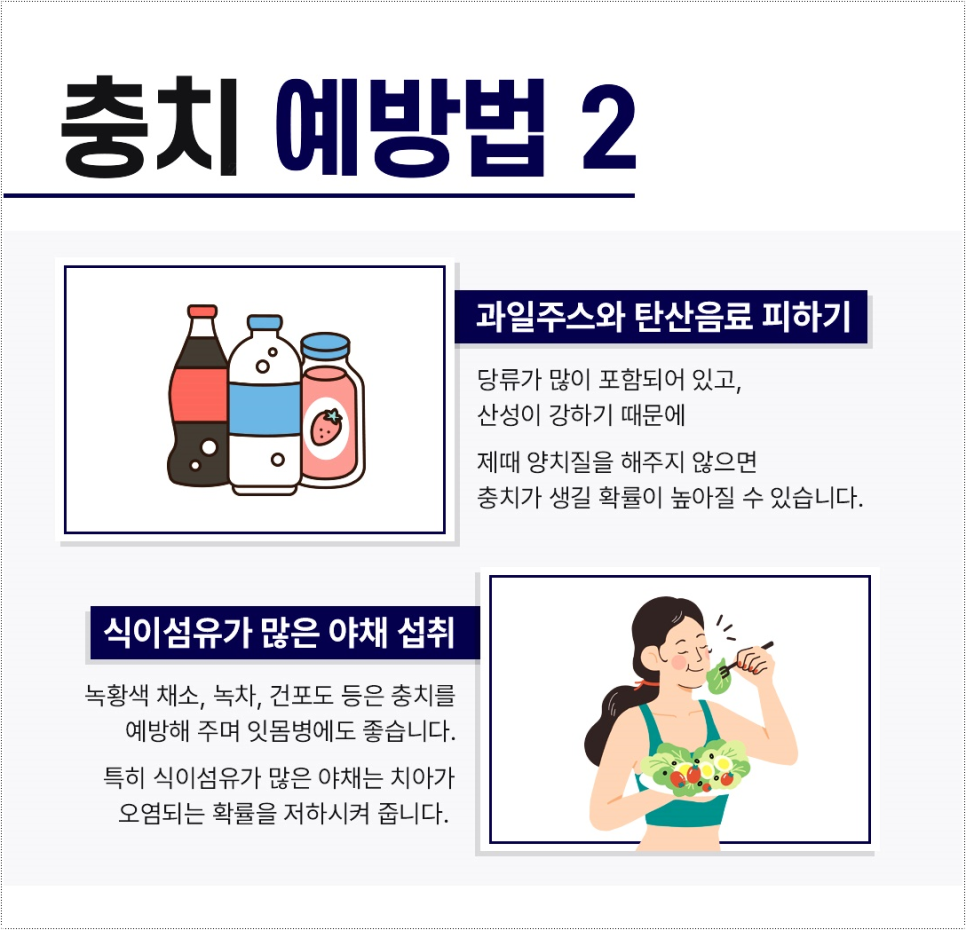
Frequently drinking sweets, carbonated drinks, or coffee
A dry mouth and reduced saliva production
Cavities usually have almost no symptoms at first, then gradually progress. That is why they are easy to miss without regular checkups, and why they can eventually lead to more extensive treatment.
Cavity treatment, step by step
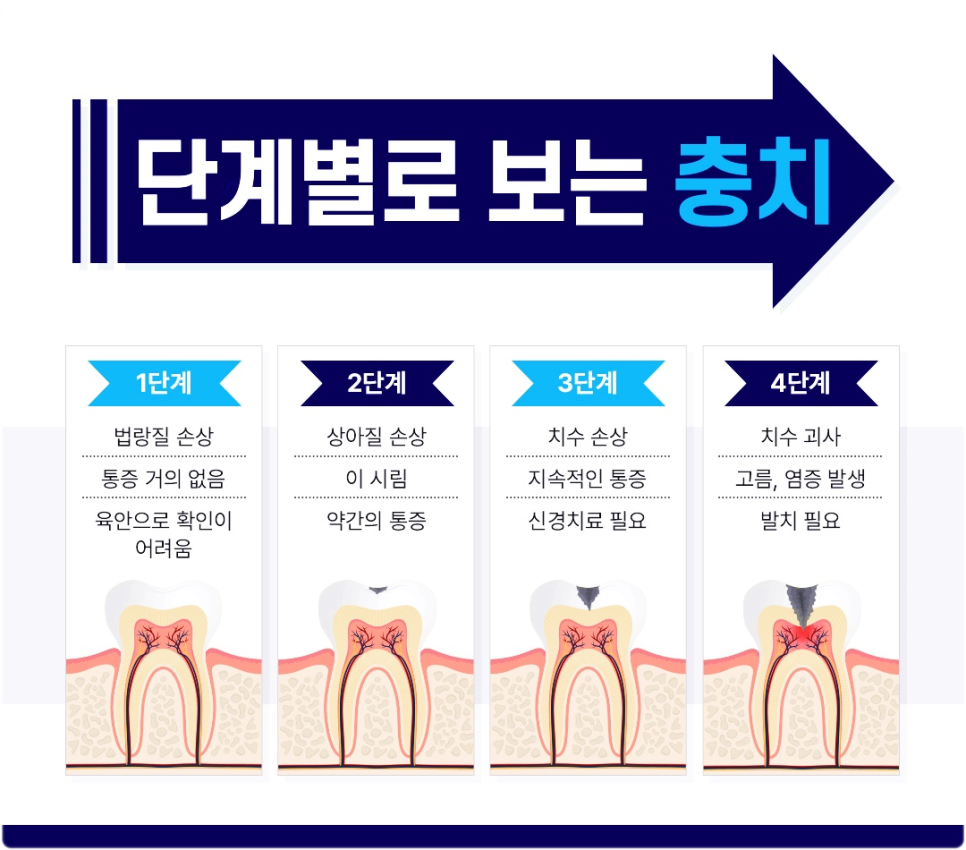
Cavity treatment is performed differently depending on the depth and extent of the decay.
① Early cavity – resin treatment
When the tooth surface had only a slight defect, a simple treatment was performed by filling it with a material called resin. Little or no anesthesia was needed, and the procedure time was short, making it suitable for busy office workers.
② Middle stage – inlay/onlay
If the decayed area was wide or deep, a custom prosthetic treatment called an inlay or onlay was needed. Because it was made precisely by taking an impression of the tooth shape, it could achieve both functionality and aesthetics.
③ Advanced cavity – root canal treatment
If the decay reached the nerve, root canal treatment had to be performed. At that stage, the pain became severe and eating or even sleeping became difficult.
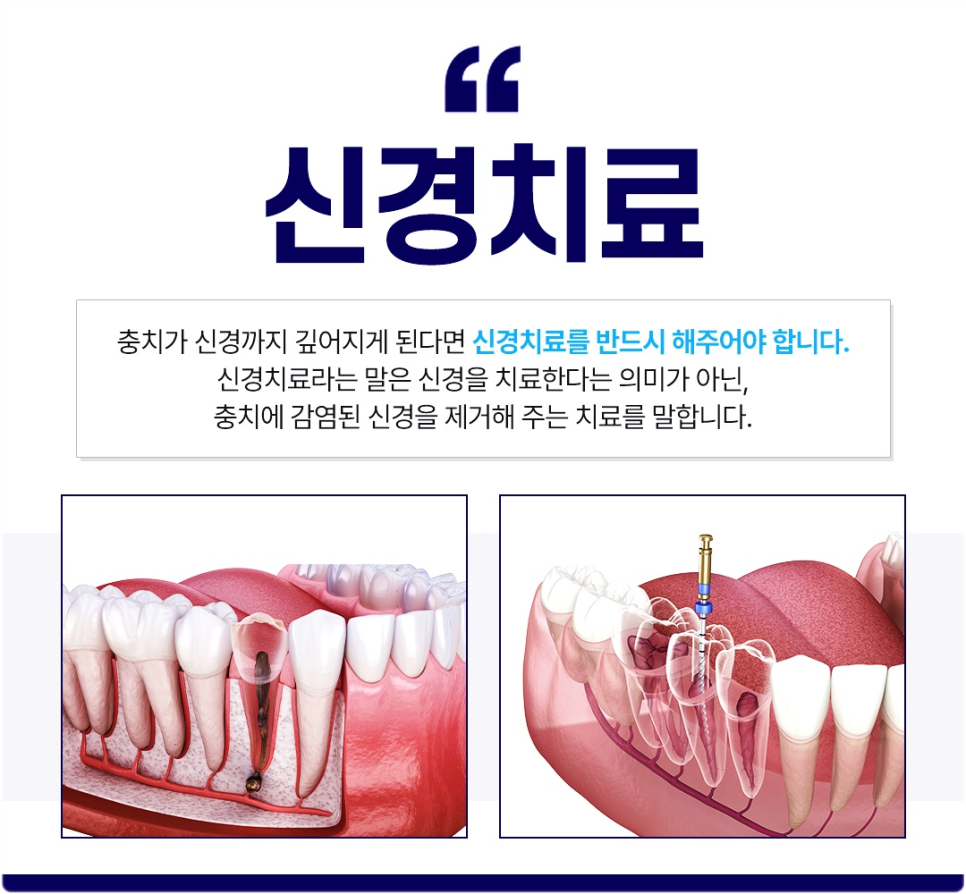
What is root canal treatment?
Root canal treatment is a procedure that removes inflammation and disinfects and seals the inside of the tooth when decay has spread to the tooth nerve. It is commonly also called “tooth root treatment.”
🦷 The root canal treatment process was as follows:
Removal of the inflamed nerve
Disinfection of the inside of the root canal
Root canal filling to seal the canal
Completion with a crown (prosthetic restoration)
Usually, 3 to 4 visits are needed, and treatment is only complete after the crown is placed.

Care after root canal treatment is important, too
After root canal treatment, the tooth no longer has internal nerve sensation, but it also becomes weaker and more likely to break. That is why it is necessary to finish treatment by placing a crown (prosthetic restoration) to cover the tooth. If this is not done, the tooth may crack within a few months or require retreatment.
Why you should not delay cavity treatment
Many people tend to put off cavities by thinking, “I’ll just bear with it for now,” but this can lead to the following results.
Missing the treatment window and ending up needing root canal treatment
The tooth breaking or inflammation spreading to the jawbone
Treatment costs increasing by 2 to 3 times or more
Significant discomfort in daily life due to pain
Please keep in mind that early treatment is the way to protect your cost, time, and health.
Do you have any of these symptoms?
Your teeth are sensitive when drinking cold water or eating hot food
Your gums bleed when brushing, and you often have bad breath
Your molars feel sore or throbbing when pressed
An old restoration feels loose
These symptoms may be signs of cavities or nerve inflammation. Even if the sensation is mild at first, leaving it untreated can make treatment more complicated. Please consider getting a checkup nearby by searching for Myeongdong Dental Clinic.

Cavity Treatment Q&A – Frequently Asked Questions
Q1. Should cavities only be treated when they hurt?
→ No. Cavities progress even without pain. In the early stages, there may be no noticeable sensation, so regular checkups are very important.
Q2. What is the difference between resin, inlay, and crown?
→ The treatment method differed depending on the extent of damage.
Resin: Small cavities
Inlay: Medium extent
Crown: Full protection after root canal treatment
Q3. Can teeth still feel sensitive after root canal treatment?
→ There may be sensitivity right after treatment, but it usually improves within two weeks. If it continues, additional examination is needed.
Q4. Can the treated area decay again?
→ Yes, recurrence is possible. Care after treatment is important, and regular checkups and proper oral hygiene habits were necessary.
Q5. Can scaling alone prevent cavities?
→ It helps to some extent, but because removing bacterial plaque is important for preventing cavities, proper brushing and flossing were more essential.
Q6. Is a crown absolutely necessary after root canal treatment?
→ It is almost essential. Because a tooth with its nerve removed becomes weaker, it must be covered with a protective prosthesis to prevent breaking.
Cavity treatment is more than simple repair; it is an important process for preserving the life of your teeth. Even with a busy work schedule, regular checkups and early treatment are the most efficient ways to protect your dental health.






Previous image
Next image