
What Are Dental Implants?
Dental implants are a treatment method that restores functions and aesthetics similar to natural teeth by placing an artificial tooth root in the jawbone to replace a missing tooth and then attaching a tooth-shaped prosthesis on top. Unlike conventional bridges or dentures, this procedure, which is widely performed at places such as Myeongdong Dental Clinic, does not damage adjacent teeth and provides chewing ability and appearance that are almost similar to natural teeth, making it a treatment option sought by many people.
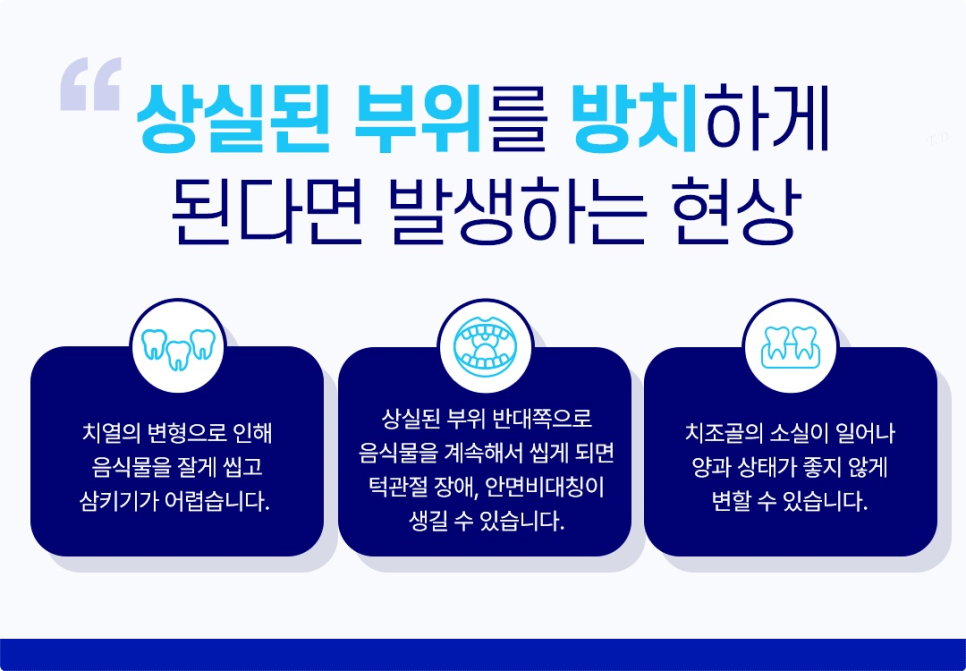
Various Ways to Replace Missing Teeth and Why Implants Are Popular
The representative methods for restoring missing teeth include dentures, bridges, and implants. Dentures can replace several teeth at once, but because they are removable, they can be inconvenient to use and provide less chewing ability and stability. Bridges have the disadvantage of requiring the removal of adjacent healthy teeth. Implants, on the other hand, do not damage surrounding teeth and provide chewing ability and aesthetics similar to natural teeth, resulting in less inconvenience in everyday life. For these reasons, it is useful to note that implants have recently become the most commonly selected method for replacing missing teeth.
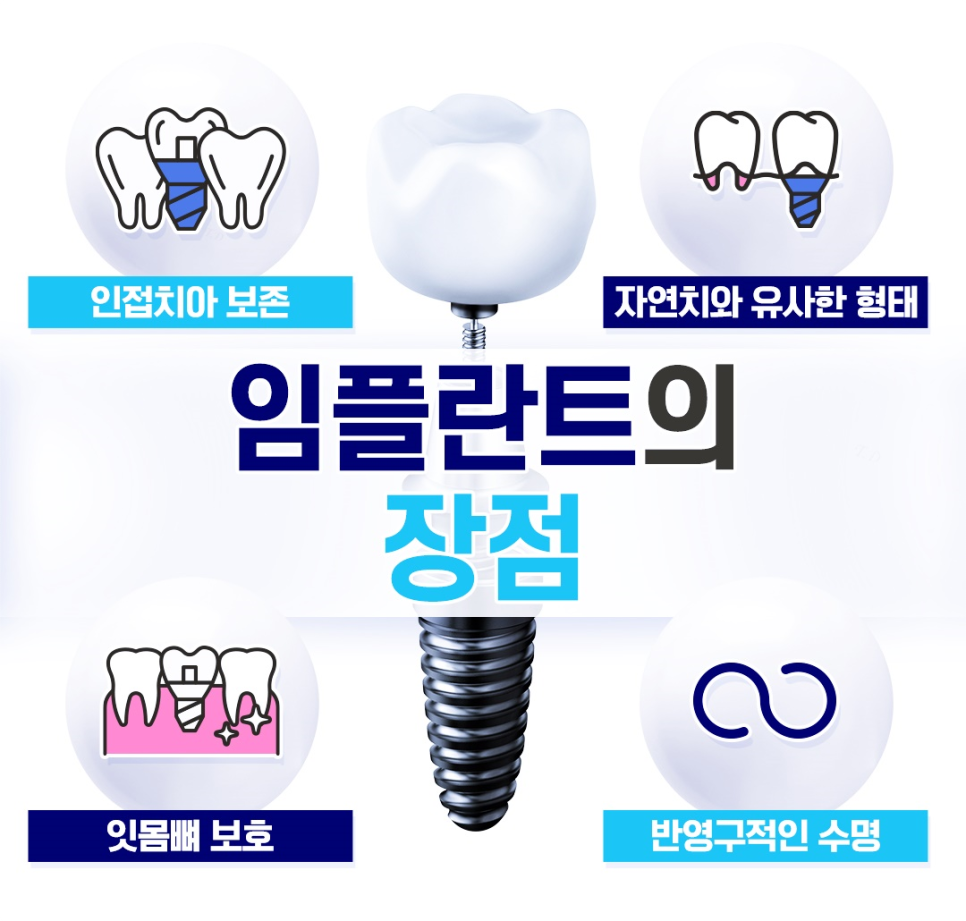
Benefits of Implants in Everyday Life
<Natural Chewing Ability and Restored Aesthetics>
Implants can restore chewing ability to approximately 80% of that of natural teeth, allowing you to eat hard or chewy foods without significant difficulty. In addition, the color and shape of the teeth are custom-made to harmonize with the surrounding teeth, resulting in little visible awkwardness and allowing you to smile with confidence.
<Improved Pronunciation and Communication>
Speech difficulties caused by tooth loss can be greatly improved after implant treatment. In particular, unlike dentures, implants do not involve the inconvenience of removal and insertion and offer excellent stability, allowing you to converse naturally.
<Reduced Inconvenience in Everyday Life>
Because implants do not need to be removed and reinserted like dentures, they significantly reduce inconvenience during everyday activities such as eating, talking, and exercising. As fixed prostheses, they provide a high level of stability and do not restrict various activities.
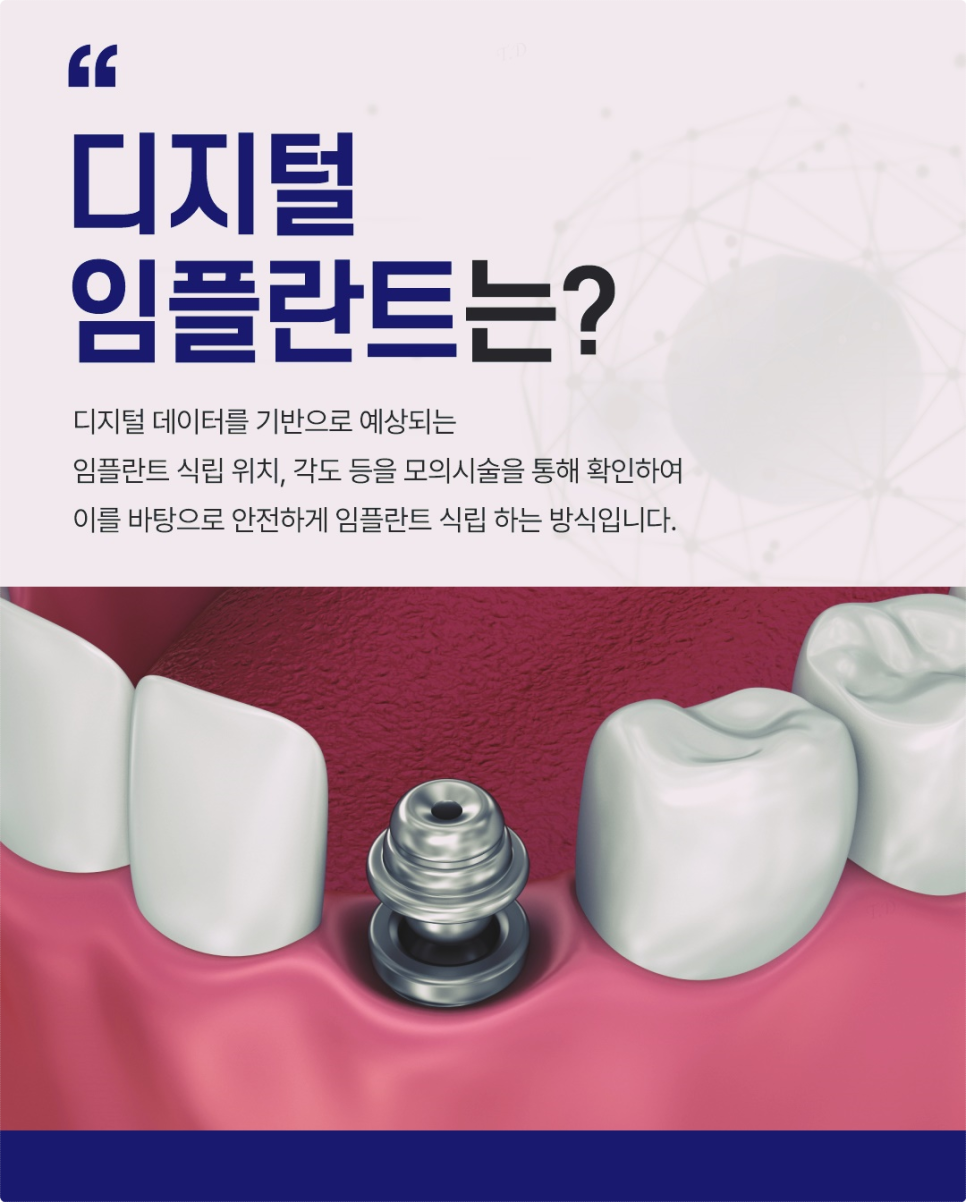
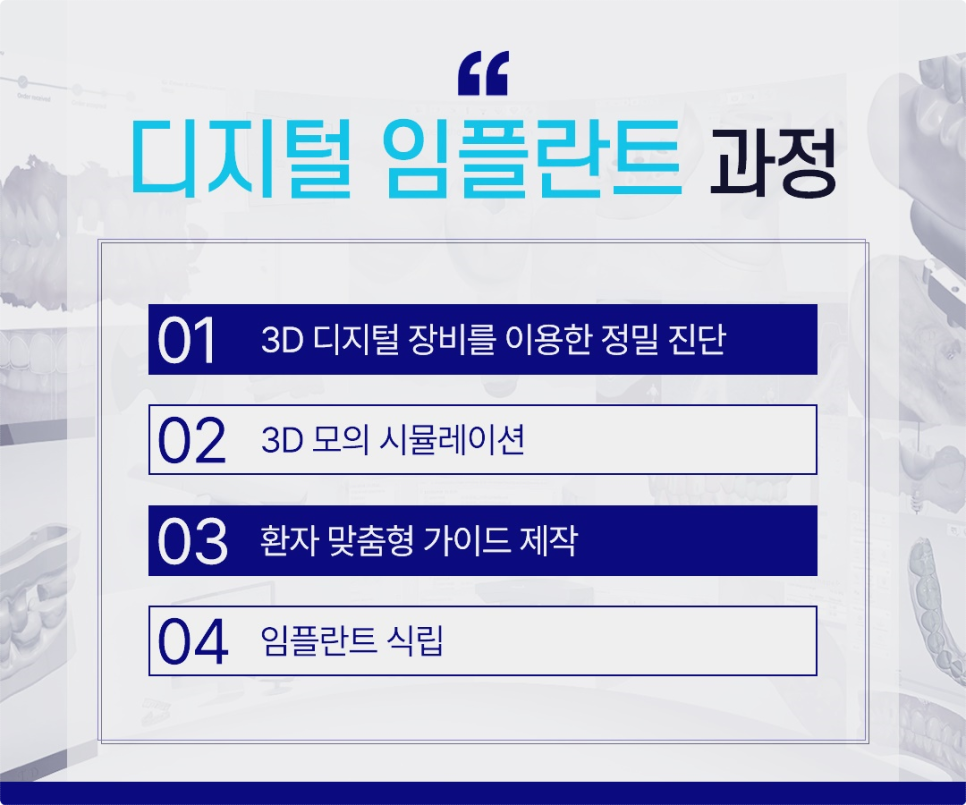
Benefits of Guided Implant Surgery
Recently, guided implant surgery has been attracting attention at places such as Myeongdong Dental Clinic. This method uses 3D computer-based simulated surgery and digital equipment to place implants in the appropriate position and at the appropriate angle.
Key Benefits of Guided Implant Surgery
-
Accuracy: The implant placement site is planned in advance using 3D scans and computer simulations, reducing errors.
-
Faster recovery: With no incision or a minimal incision, there is less bleeding, pain, and swelling, allowing a faster return to everyday life.
-
Shorter treatment period: Because the procedure is carried out according to a pre-established plan, appointment times and the overall treatment period are reduced.
-
Patient-specific treatment: Customized implants designed to match the patient's oral structure provide excellent chewing ability and aesthetics.
Post-Implant Care
Thorough care after the procedure is essential for the longevity and health of implants.
How to Care for Implants
-
Regular oral examinations and scaling
-
Brushing habits: Carefully clean between the teeth using an interdental brush and dental floss
-
Avoid hard and chewy foods
-
Refrain from smoking and drinking alcohol
-
Do not irritate the treatment area: Avoid spicy or hot foods and vigorous brushing
-
Follow the instructions for taking prescribed medication
Following these care guidelines can extend the lifespan of implants to 10–15 years or longer.
Candidates for Implants and Treatment Method
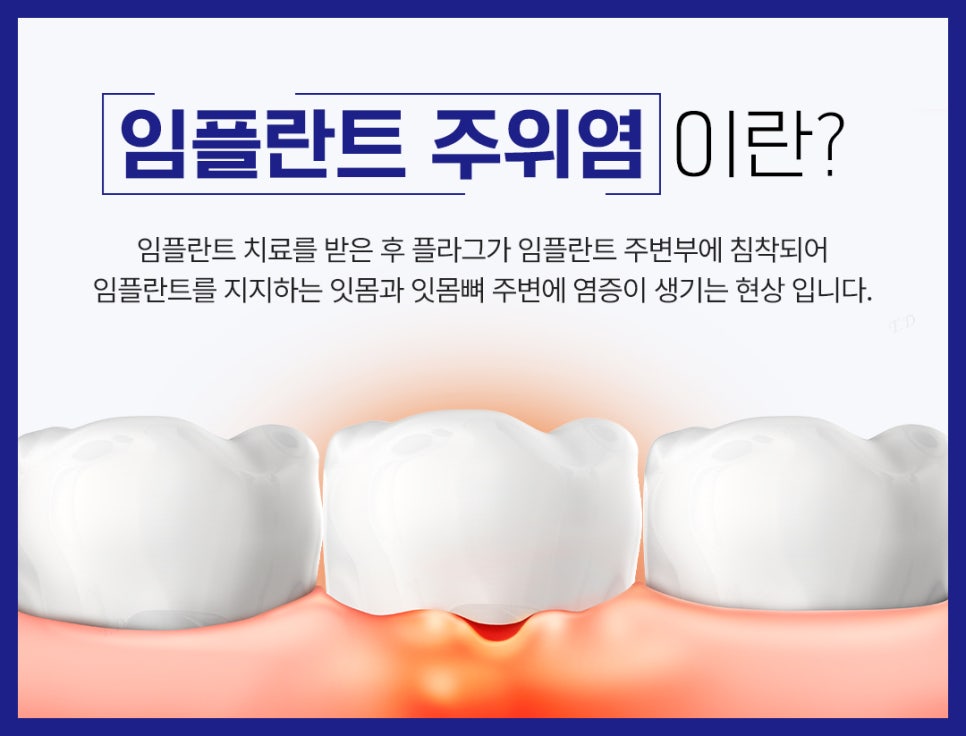
Implants are suitable for people who have lost all of their teeth, have only some teeth remaining, or are experiencing discomfort with existing prostheses. Treatment proceeds in the following order after a thorough examination and treatment plan have been established: implant placement followed by attachment of the prosthesis. Recently, digital technologies such as guided implant surgery have made treatment safer and faster.
Summary of the Implant Treatment Process
-
Examination of oral condition and establishment of a treatment plan
-
Implant placement, with bone grafting if necessary
-
Healing period after placement of a temporary prosthesis
-
Placement of the final prosthesis and regular checkups
Implants Improve Quality of Everyday Life
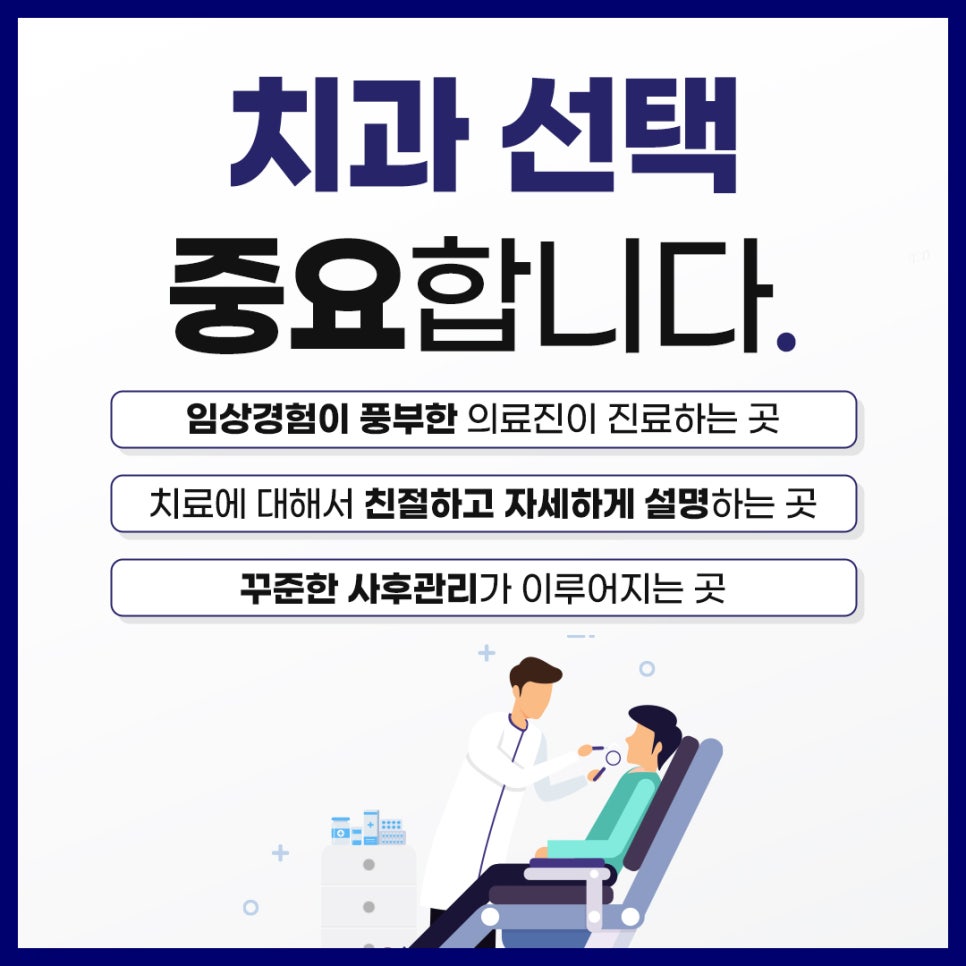
Implants improve quality of life in various ways, including chewing ability, aesthetics, pronunciation, and convenience in everyday life. In particular, technologies such as guided implant surgery improve the accuracy of the procedure and the speed of recovery, helping you return to everyday life quickly. If you have questions about implants, guided implant surgery, or post-procedure care, consult with a medical professional. With accurate information and personalized consultation, you can regain healthy teeth and a brighter daily life. Thank you~



Previous image
Next image
























