
What Are Laminate Veneers? – Aesthetic Treatment Explained by the Director of Jonggak Station Dental Clinic
Hello. I would like to explain laminate veneers in detail to patients looking for natural-looking aesthetic treatment. Laminate veneers are an aesthetic treatment that creates a natural and beautiful smile by gently reshaping the outer surface of the teeth and attaching thin artificial restorations similar in color to the teeth. Many people are interested in this treatment because it requires minimal tooth reduction, helps preserve the health of the natural teeth as much as possible, and can produce a significant change in a short period of time.

Treatment Duration for Laminate Veneers
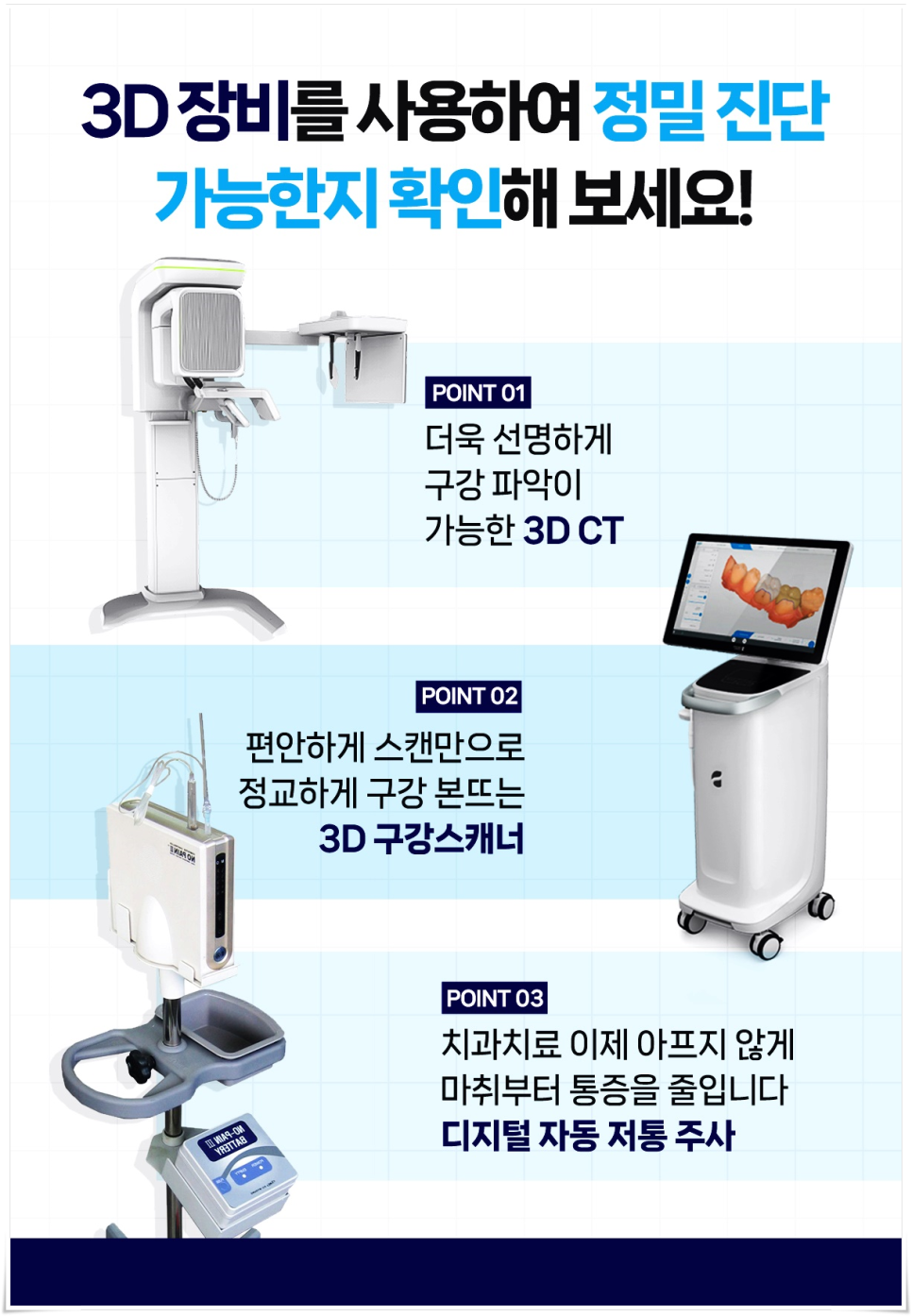
Treatment with laminate veneers usually takes about 1–2 weeks. The conventional method requires taking dental impressions and sending them to a dental laboratory, which takes 7–10 days. More recently, however, digital equipment such as CEREC has made it possible in some cases to complete laminate veneers on the same day. In other words, depending on the patient’s situation and the equipment available at the dental clinic, treatment may be completed in a single day. After treatment, patients can eat and return to their daily activities immediately without a separate recovery period, making this a suitable treatment option for busy modern individuals.

Who Is a Candidate for Laminate Veneers?
Laminate veneers may be suitable in the following cases:
-
Trauma or damage such as fractures, loss of tooth structure, or cavities affecting the front teeth
-
Discoloration of one or two teeth, or severe discoloration that cannot be resolved with whitening
-
Gaps between the teeth
-
Congenitally unusual tooth shapes, such as undersized or oversized teeth
-
Slightly uneven tooth alignment
However, laminate veneers are recommended only when there are no major functional problems. Because they cannot be reversed once attached, sufficient consultation and a careful decision are necessary.
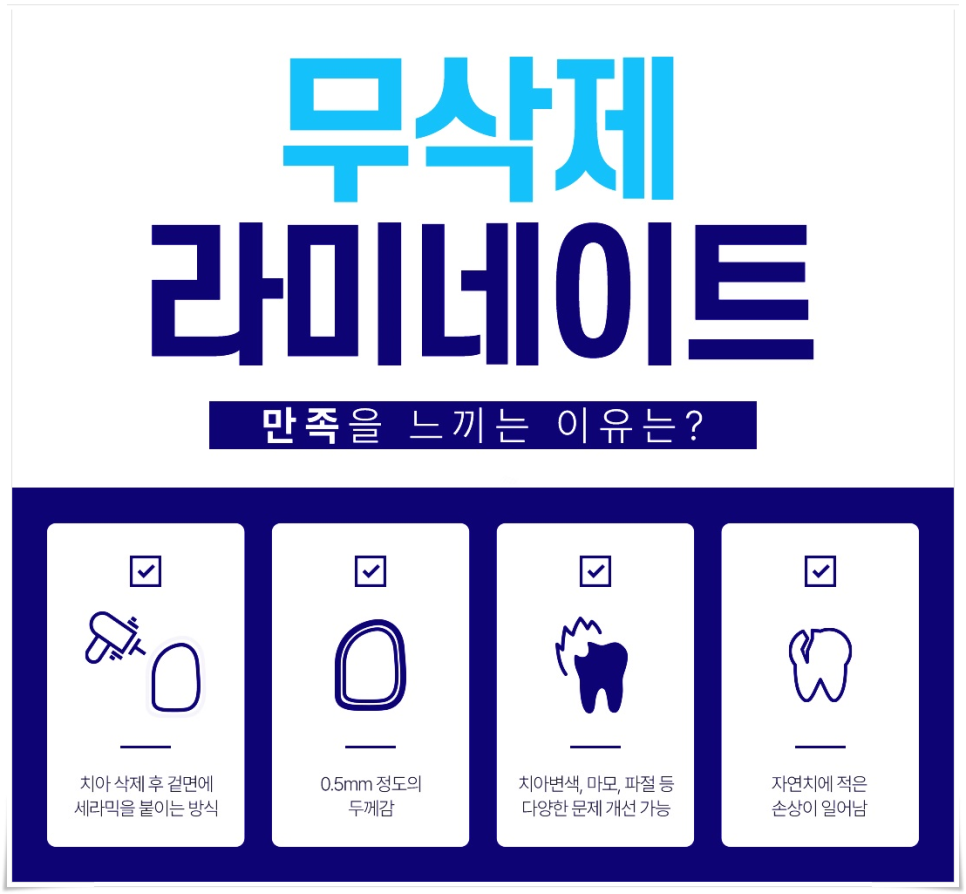
Benefits of Laminate Veneers
-
Aesthetics: They can create a natural, bright smile that is almost indistinguishable from natural teeth.
-
Minimal tooth reduction: Because only a very thin layer of the tooth surface is reshaped, the health of the original teeth can be preserved as much as possible.
-
Fast treatment: Treatment is completed within a short period, making it suitable for busy professionals and students.
-
Durability: They can generally be used for 8–20 years on average and may last longer depending on care.
-
Biocompatibility: They blend harmoniously with the gums, with little gum discoloration or recession.

Everyday Changes After Laminate Veneers – Changes Frequently Asked About by Patients at Jonggak Station Dental Clinic
After laminate veneer treatment, patients can eat and return to their daily activities immediately without a separate recovery period. However, please keep the following points in mind:
-
Avoid forcefully chewing hard foods.
-
Brush your teeth and actively use dental floss and interdental brushes to prevent food from becoming trapped between the laminate veneers and natural teeth.
-
It is important to regularly check the condition of the laminate veneers and gum health through routine dental examinations.
Lifespan and Care of Laminate Veneers
The average lifespan of laminate veneers is about 8–20 years and varies depending on how well they are maintained. Proper brushing and flossing, along with regular dental checkups, play a major role in extending the lifespan of laminate veneers. Using toothpaste specifically formulated for laminate veneers and free of abrasive agents may also help. In addition, avoid excessive use, such as tearing open packages or opening bottle caps with your front teeth.

Less Commonly Known Questions About Laminate Veneers
-
Laminate veneers cannot be reversed: Once the teeth have been reshaped and laminate veneers have been attached, the teeth cannot be returned to their original state, so the decision should be made carefully.
-
Root canal treatment is rarely necessary: Because only the tooth surface is reshaped, root canal treatment is usually not required.
-
The number of teeth can be adjusted: Laminate veneers can be selectively applied only to the areas that need them, such as 6–12 upper or lower teeth.
-
Choosing the color is important: Selecting a shade that is too bright may make the veneers look artificial, so harmony with the surrounding teeth should be considered.
-
Small gaps between teeth can also be improved: When there are spaces between the teeth, laminate veneers can fill them naturally.
At the dental clinic, we provide thorough consultations about the need for and suitability of laminate veneers based on each patient’s dental condition and desired outcome. Laminate veneers are an effective way to change a smile in a short period of time, but a careful decision and proper maintenance are of utmost importance. If you have any questions, we recommend consulting with a dental professional at any time. Thank you.










Previous image
Next image










Previous image
Next image










Previous image
Next image









Previous image
Next image