
Since teeth are the first thing people notice when you smile, even a small change can alter your impression. In particular, among those concerned about the color or shape of their front teeth, more people are choosing veneer treatment rather than teeth whitening or orthodontics.
Many people who visit Jongno Dental Clinic ask questions such as, “Is veneer treatment possible for my teeth?” or “Will it look natural?” In this article, we will cover the definition of veneers, the treatment process, pros and cons, aftercare, and even pain after the procedure.

What Is Veneer Treatment?
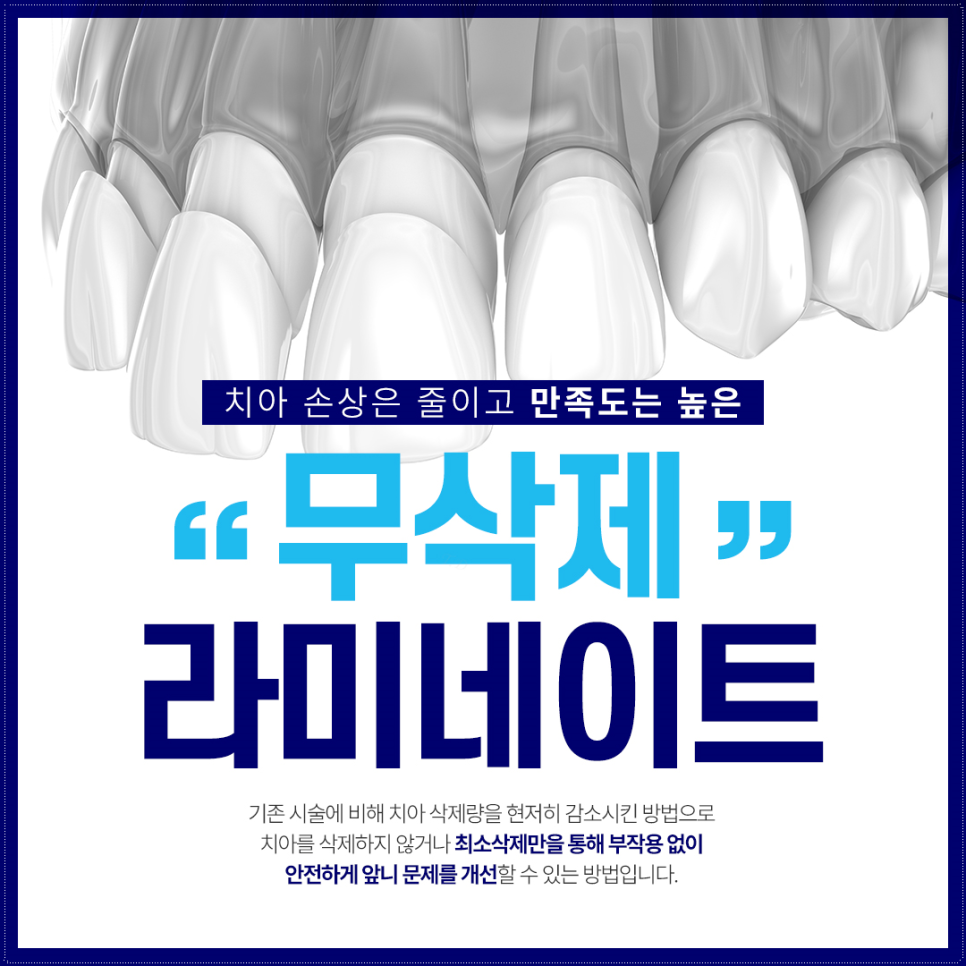
Veneer treatment is a procedure that improves the appearance of teeth by lightly reducing the front surface of the teeth and adding ceramic restorations. Unlike general cavity treatment, which focuses on function, it is classified as an aesthetic treatment focused on dental beauty and appearance improvement.
Veneer treatment is recommended in the following cases.
-
When tooth color has become discolored and cannot be improved with whitening
-
When there are gaps between teeth or the tooth shape is irregular
-
When the front teeth are large or differ in length
-
When full orthodontic treatment feels burdensome, but you want to improve only the front teeth
Whether it is suitable depends on the structure of the teeth and the condition of the nerves, so a detailed consultation with the dental team is necessary.
Veneer Treatment Process
Step 1: Consultation and Detailed Diagnosis
The tooth condition and the patient’s needs are analyzed through intraoral scans, dental photography, and mock-up design. At this stage, suitability for treatment is determined.
Step 2: Tooth Reduction and Temporary Placement
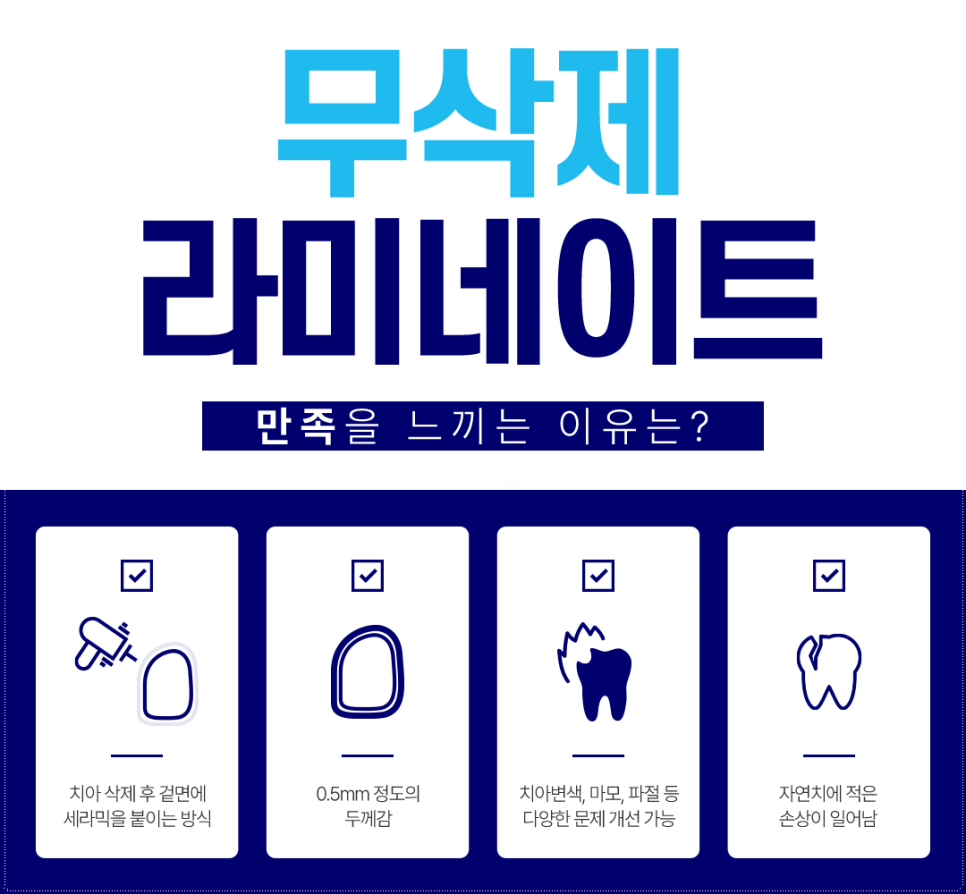
About 0.3 to 0.7 mm of the front tooth surface is reduced. If the patient is sensitive, simple anesthesia is performed, and pain is usually mild. After reduction, a temporary prosthetic is attached so that daily life is not inconvenienced.
Step 3: Final Veneer Placement
The precisely made veneer is placed. After the color and shape are finally checked, it is bonded using a special adhesive. At this time, the bond strength and occlusion (bite condition) are carefully checked.
The entire treatment is usually completed in 2 to 3 visits, within about 1 to 2 weeks, though the time required may vary slightly depending on the case.
Is There Pain After Veneer Treatment?
One of the concerns many people have is, “Is the pain severe after veneer treatment?” In fact, because veneer treatment does not affect the tooth nerve, there is little to no pain in most cases.
However, temporary sensitivity may occur in the following situations.
-
When a large amount of tooth structure has been reduced
-
When cold food or drinks are consumed immediately after the procedure
-
When there is external stimulation during the temporary prosthetic period
This sensitivity generally disappears within a few days, and if needed, a toothpaste for sensitivity relief or prescribed medication can be used. If severe pain continues, an early visit to the clinic is necessary to check the bonding condition or nerve response.
Advantages and Disadvantages of Veneer Treatment
✅ Advantages
-
Natural color expression: Veneers have excellent translucency and color reproduction.
-
Short treatment period: Treatment is completed in 1 to 2 weeks, making it suitable for busy people.
-
Shape improvement effect: Because it can correct both the shape and size of the teeth, it is also used as an alternative to front-tooth orthodontic treatment.
❌ Disadvantages
-
Reduction of healthy tooth structure: Because it is an irreversible treatment, careful decision-making is necessary.
-
Risk of damage if handled carelessly: It may be vulnerable to hard foods or impact, so caution is needed.
-
Relatively high cost: Since precise work and high-quality materials are required, costs can be significant.
Aftercare for Veneer Treatment
✔ Proper oral hygiene
-
To prevent food from getting caught around the bonded area, the use of a soft toothbrush and dental floss is recommended.
-
Proper care is key to maintaining the aesthetic effect of the teeth for a long time.
✔ Foods and habits to avoid
-
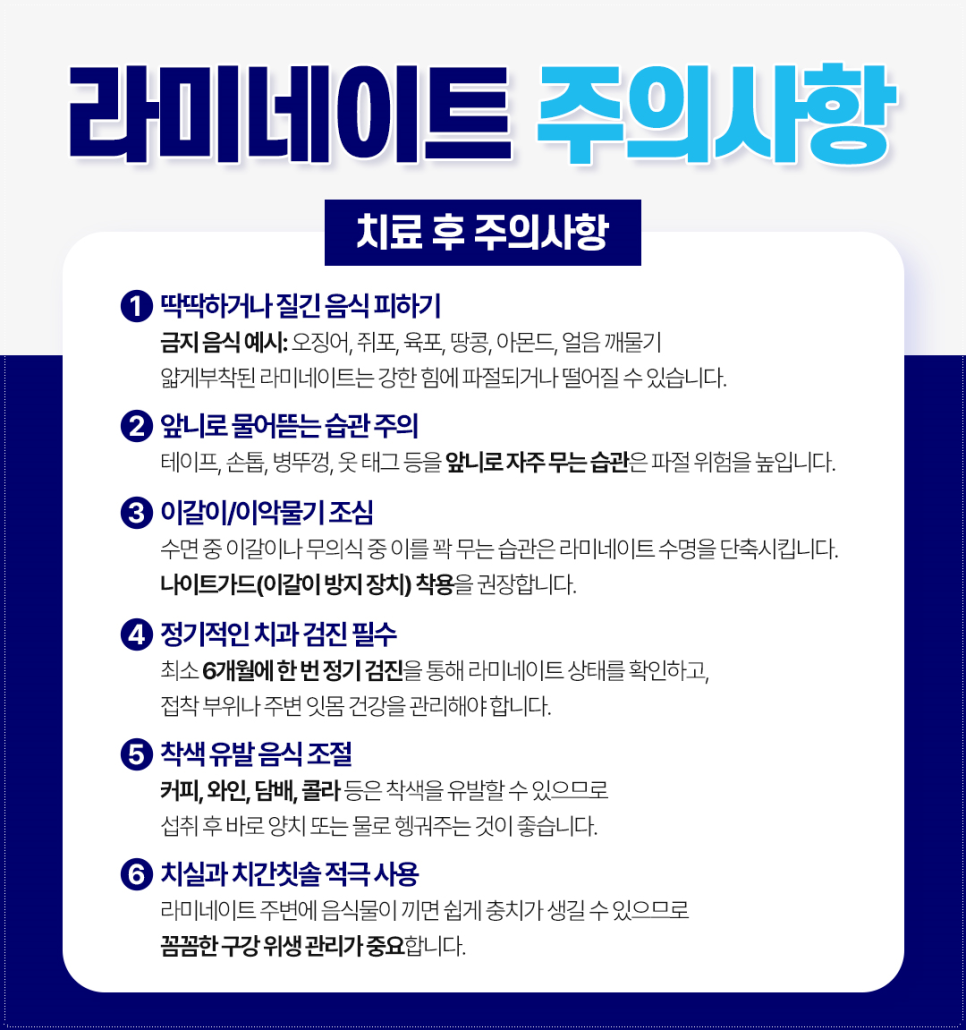
Avoid nuts, ice, squid, hard jerky, and similar foods.
-
Coffee, wine, and smoking can affect the lifespan of veneers.
-
Nail-biting and teeth grinding increase the risk of fracture.
✔ Regular checkups are essential
-
At least every 6 months, you should have the bonding condition and the health of surrounding teeth checked at a medical facility such as Jongno Dental Clinic.
-
Early detection is important even for small problems.
Veneer treatment is an effective way to improve the appearance of teeth naturally and quickly. Pain after the procedure is usually mild, and with proper aftercare, the results can be maintained for a long time.
Above all, because suitability for treatment varies depending on each person’s dental condition, an accurate consultation must come first.
We recommend receiving a thorough diagnosis at a dental clinic.





























