Many people have chosen implant treatment,
Who was it needed for?
Organizing the Implant Information You Were Curious About at Myeongdong Dental Clinic

When a tooth was lost, implant treatment was a representative option that could restore both function and aesthetics at the same time. In the past, many people mainly considered dentures or bridges, but over time, implants have become more preferred. In particular, treatment success rates have improved in recent years, and as implant materials and procedures have advanced, people of various age groups are receiving implant treatment. In this post, we have organized who receives implants, the reasons people choose implants, and the questions many people had before and after treatment.
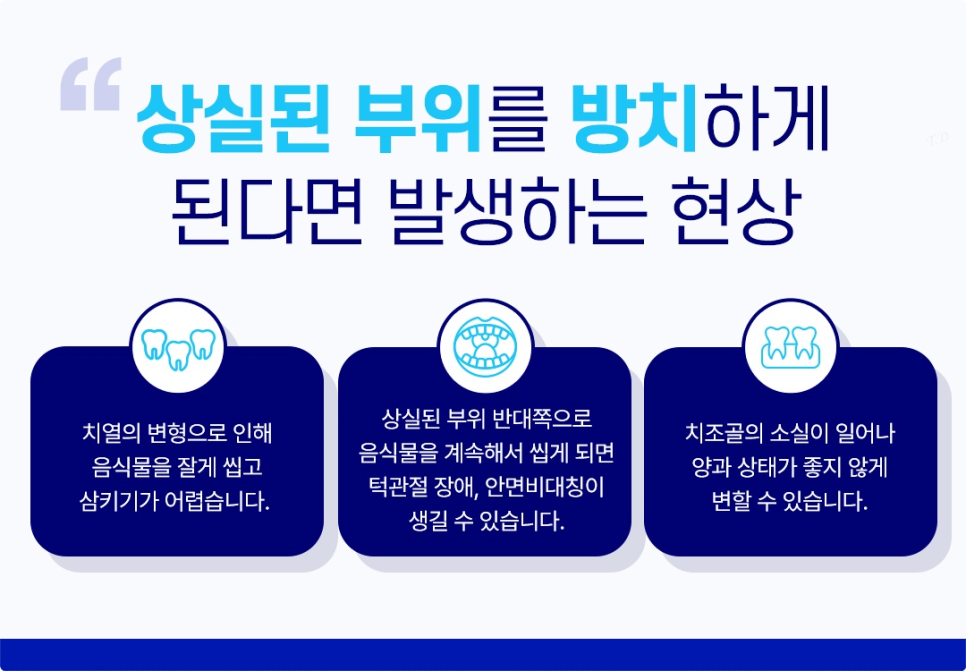
Who were implant patients?
Implants were most commonly performed when a permanent replacement was needed after the loss of a permanent tooth, and the procedure was necessary in the following situations.
-
People for whom extraction was unavoidable due to cavities or periodontal disease
-
People whose teeth were broken or lost due to trauma
-
People experiencing discomfort from using old bridges or dentures
-
Cases where adjacent teeth were healthy but teeth were partially missing
Not everyone could receive them simply because a tooth was missing. Implants were decided on after evaluating various conditions such as whether enough jawbone remained, whether there were underlying systemic diseases, and whether the person smoked.
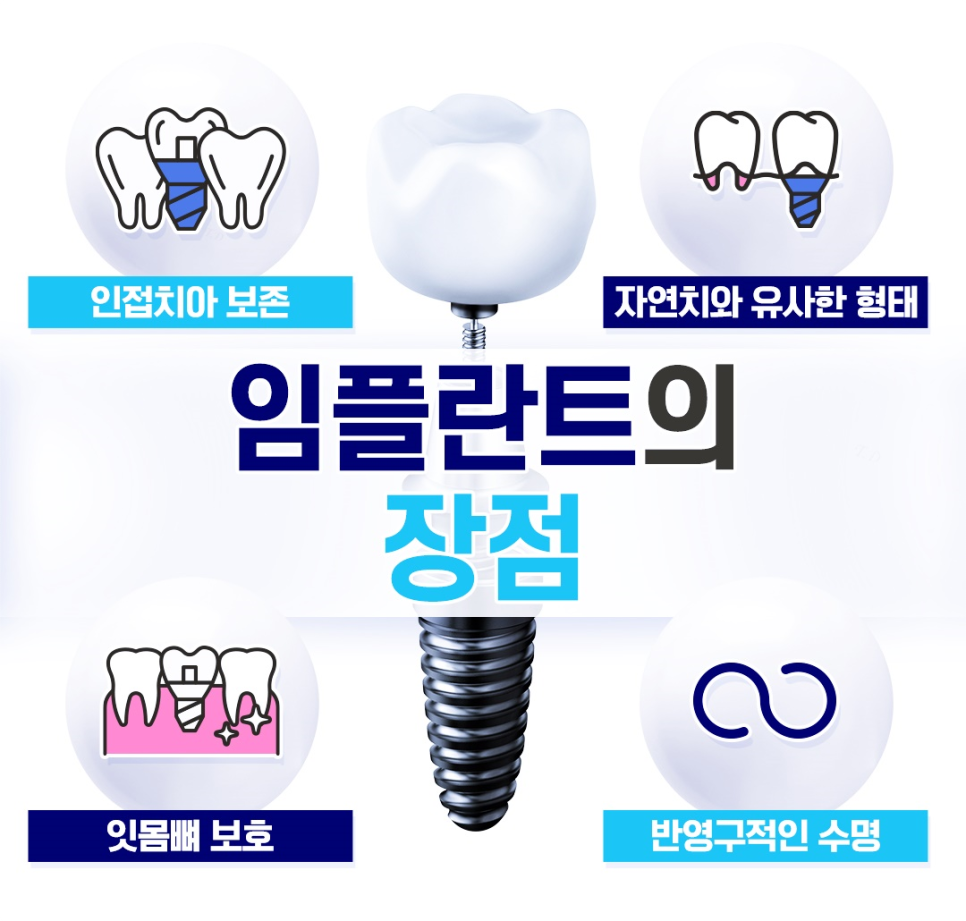
Why do so many people prefer implants?
The reason implants have emerged as an alternative to dentures or bridges was clear: they can restore function and appearance similar to natural teeth.
In fact, many people chose treatment after considering the following advantages of implants.
-
An independent structure means no damage to adjacent teeth
-
Strong chewing force makes it possible to eat even hard foods without difficulty
-
A natural-tooth-like appearance provides high aesthetic satisfaction
-
They do not need to be removed like dentures, making hygiene management easier
-
They are also effective in preventing jawbone resorption
In particular, many people who had felt discomfort wearing dentures said that implants greatly improved their quality of life. Office workers who visited Myeongdong Dental Clinic also often considered the procedure because they wanted stable implants despite their busy daily lives.
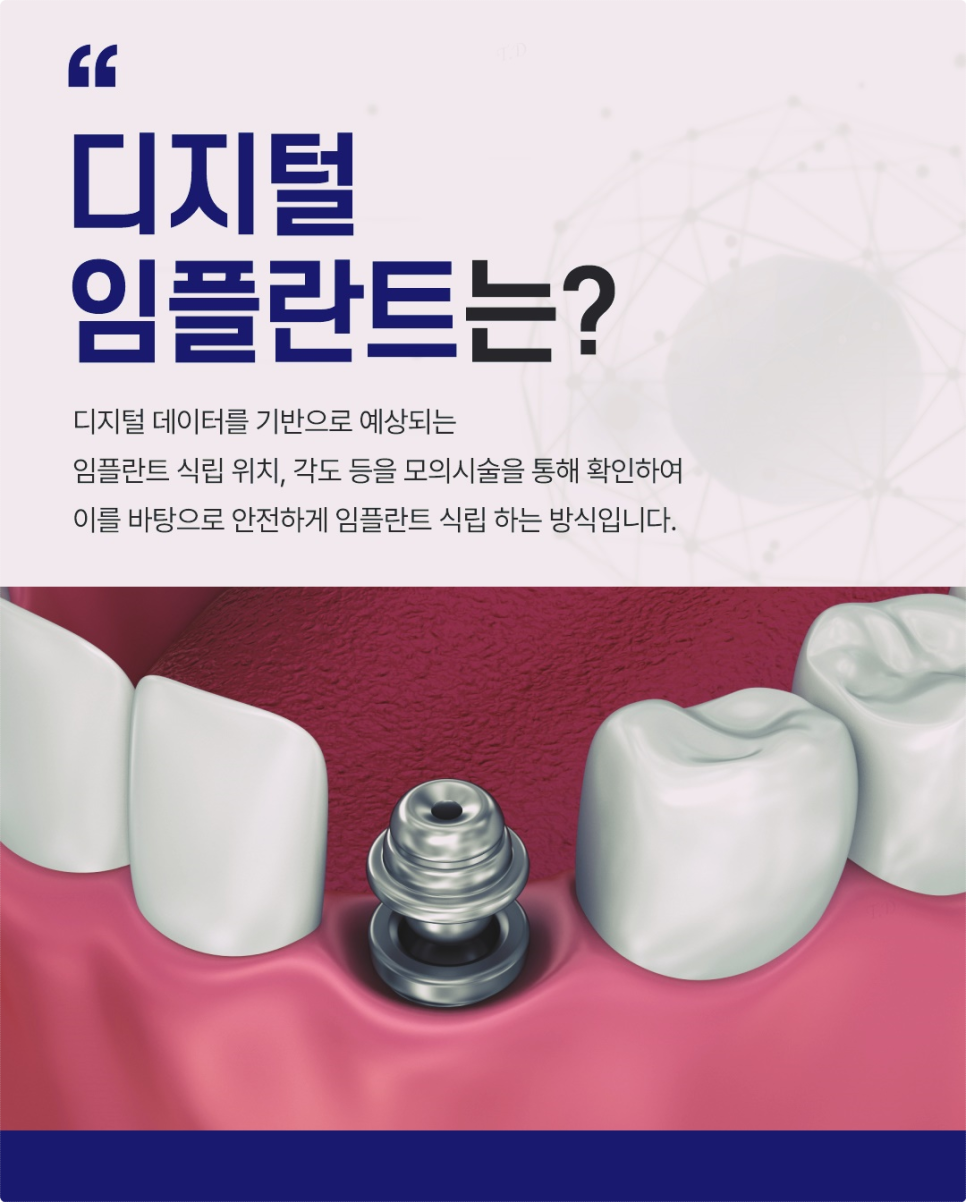
Preparation before implant treatment
Implant treatment was not a simple procedure that ended in a short period of time. Before the procedure, several matters had to be checked and planned.
-
Check the thickness and height of the bone through alveolar bone CT imaging
-
Confirm the presence of systemic diseases (especially diabetes, cardiovascular disease, etc.)
-
Check oral hygiene status
-
If necessary, additional procedures such as bone grafting or sinus lifting may also be performed
Because the treatment plan was established through these steps, most patients recovered without problems after the procedure.
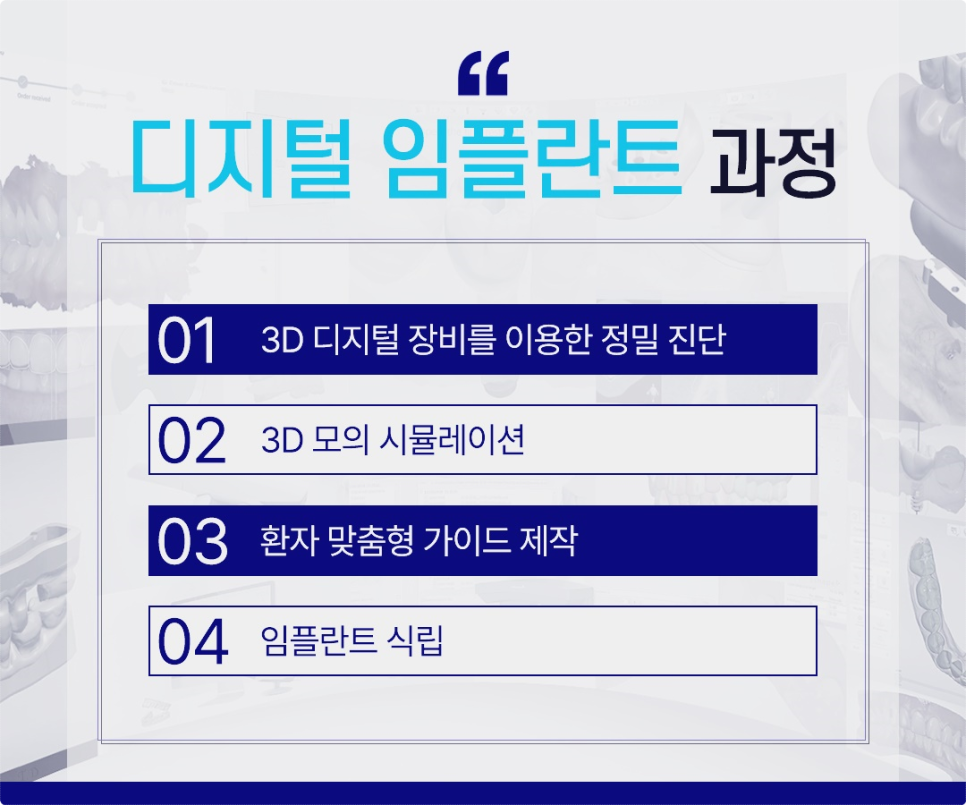
Why is aftercare so important?
Post-treatment care was so important that it could be said to matter more than the procedure itself, and it directly affected the treatment outcome.
-
Avoid physical stimulation of the implant site for a certain period
-
Brush at least twice a day and use dental floss and interdental brushes
-
Check the implant condition through regular examinations every 3 to 6 months
-
Quitting smoking and adjusting eating habits are also important
If it was not properly managed, peri-implantitis could develop, or there could be problems such as jawbone resorption. Therefore, after treatment, please visit Myeongdong Dental Clinic or a nearby dental clinic regularly to check your condition.
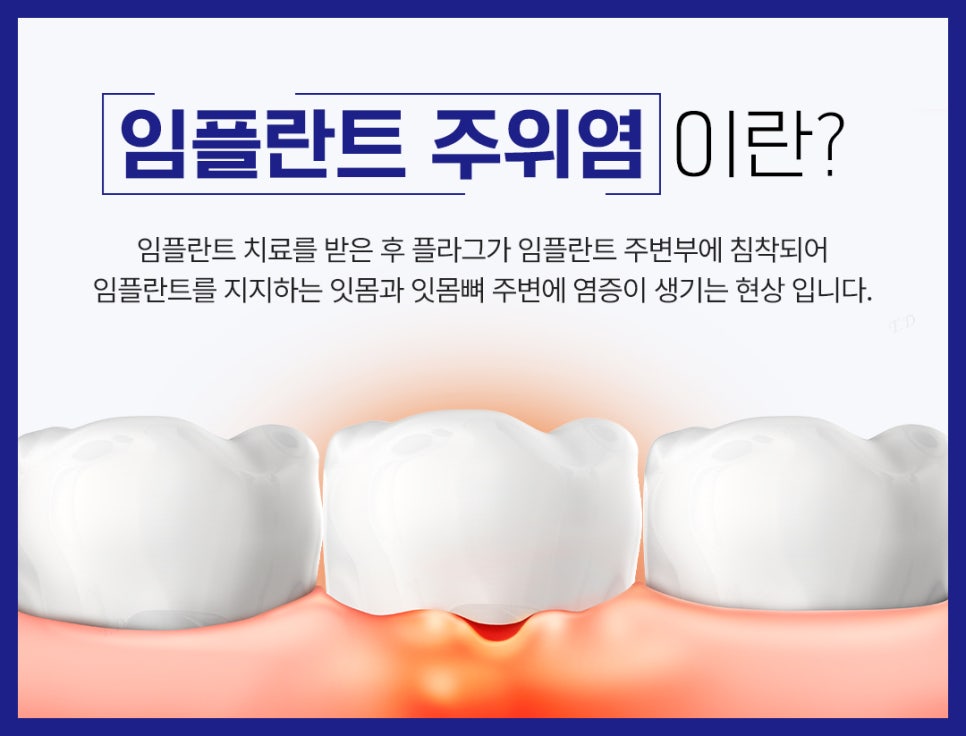
Common questions about implants!
Q. Can implants be used for a lifetime?
As with all prosthetics, the term “permanent” was used cautiously, but many people used them for 10 to 15 years or more, and there were cases of use for over 20 years depending on how well they were maintained.
Q. Did it hurt a lot during the procedure?
In most cases, the procedure was performed under local anesthesia, so there was little pain, and pain could be controlled with pain relievers after the procedure.
Q. How much did it cost?
The cost of implants varied greatly depending on insurance coverage, the number of implants, and the materials used. If you were 65 years of age or older, some support was provided through the National Health Insurance system, and the rest was often performed as non-covered treatment.
Implants were not just a treatment to replace teeth, but an important choice that improved the quality of daily life. Many people experienced discomfort after losing teeth and obtained satisfying results through implants. Around Myeongdong Dental Clinic, people of various age groups chose implants, and especially among office workers who valued appearance and diet, it has steadily received attention as a treatment that satisfied both aesthetics and practicality.
In fact, many people felt the changes in daily life after receiving implant treatment. People who had avoided meals because of dentures or tooth pain in the past were able to eat hard meat or kkakdugi without discomfort after implants, and they also said that the empty spaces between their teeth that showed when smiling disappeared, giving them more confidence when meeting people. In addition, there was much feedback that issues such as jaw imbalance and digestive problems that occurred while chewing food also improved together, positively affecting overall health.
If you are considering implants, it is important to establish a customized treatment plan based on diagnosis and consultation before treatment! Please keep this in mind, and I hope everyone enjoys good oral health. Thank you!










Previous image
Next image










Previous image
Next image