��
Losing a tooth creates more than just an appearance issue; it can cause major difficulties throughout daily life. It affects chewing function, pronunciation, and even confidence. The most effective way to address tooth loss is dental implants. Let’s take a closer look at why so many dental professionals recommend implants when teeth are lost.
��
Basic Concepts of Tooth Loss and Implants
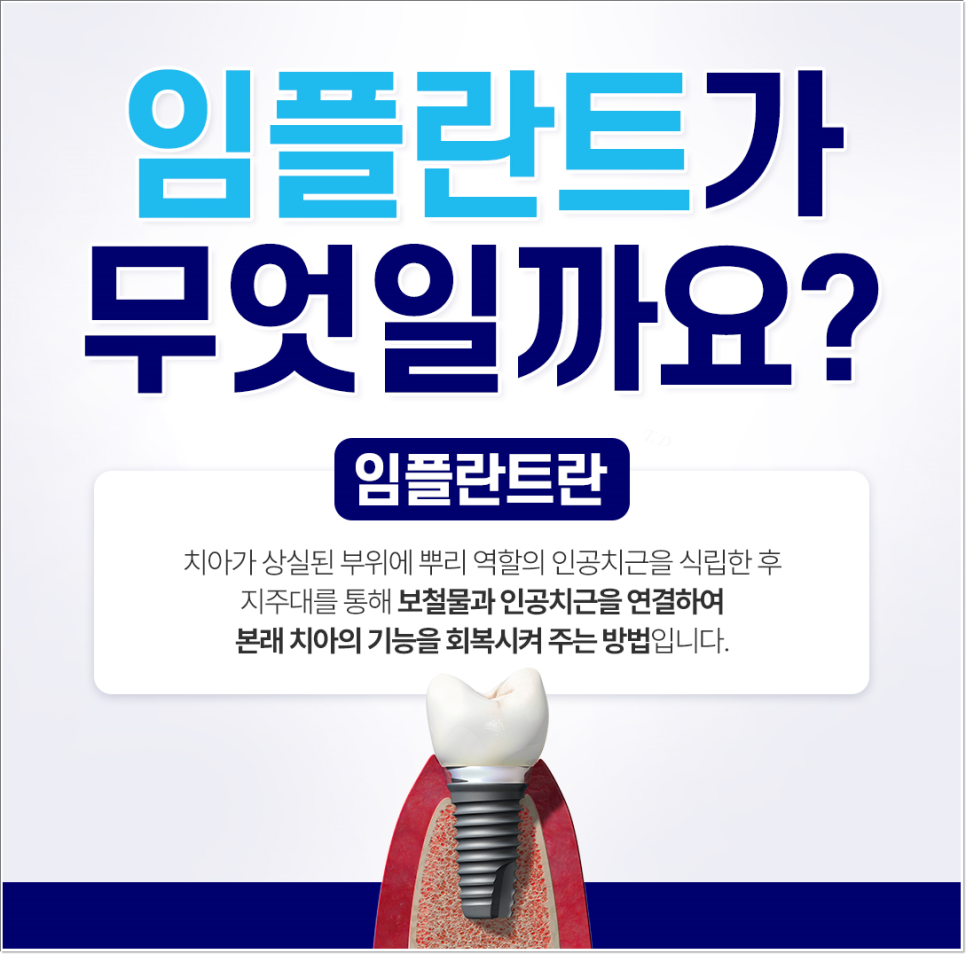
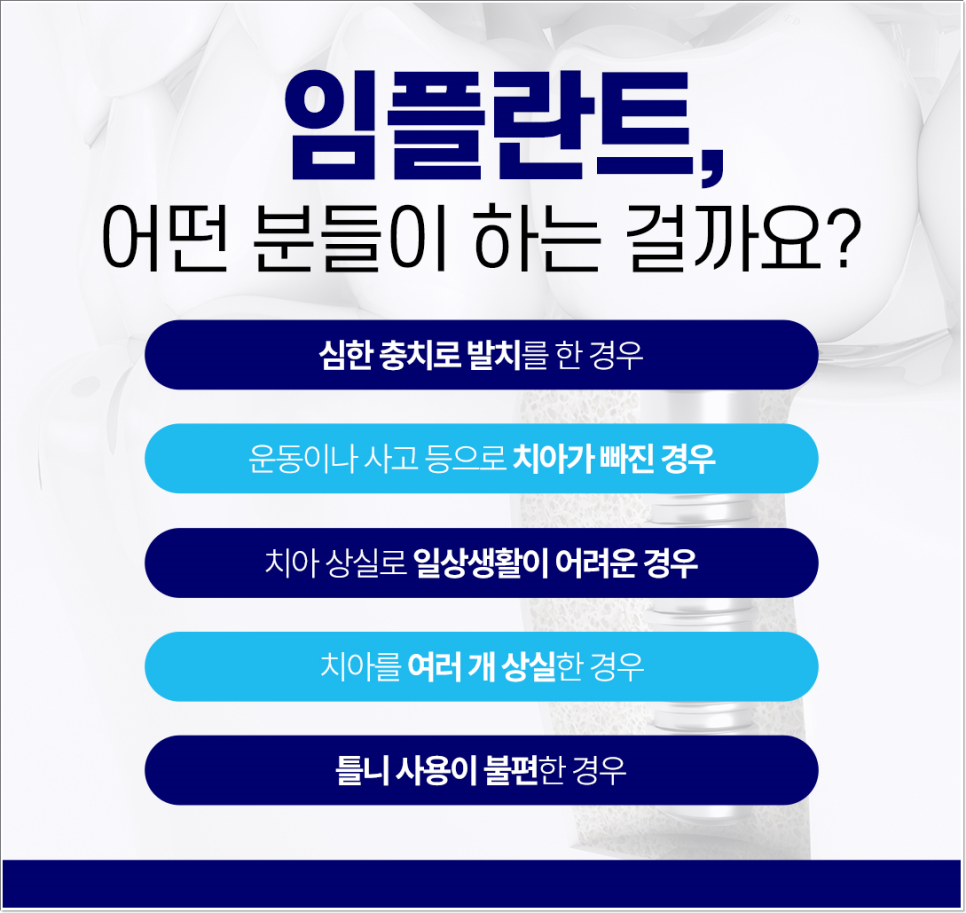
Tooth loss refers to a condition in which natural teeth are lost due to various causes such as trauma, cavities, or gum disease. Even the loss of one or two teeth can seriously affect quality of life through reduced chewing function, speech problems, movement of adjacent teeth, and aesthetic issues. In particular, losing multiple teeth can even lead to an imbalanced nutritional intake. Gwanghwamun Station Dental Clinic implants are the most advanced treatment for solving these problems. They involve placing a titanium artificial root into the jawbone and attaching a crown similar to a natural tooth on top. Titanium has excellent biocompatibility and provides stable support through a process called osseointegration, in which it bonds with bone.
��
��
Why Implants Are Needed
Gwanghwamun Station Dental Clinic implants provide chewing power that is closest to natural teeth. In fact, implant chewing efficiency reaches more than 90% of that of natural teeth, so there is almost no restriction on eating. This is a clear difference compared with other tooth replacement methods.
��
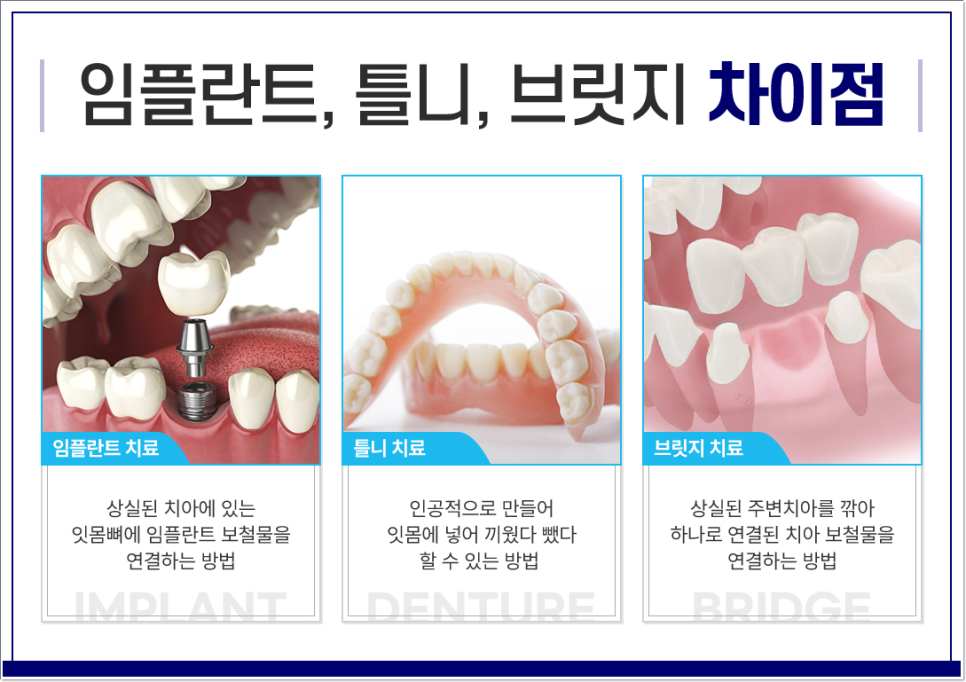
| Treatment Method | Chewing Efficiency | Damage to Adjacent Teeth | Stability | Maintenance |
|---|
| Implant | 90% | None | High | Similar to regular teeth |
| Bridge | 70-80% | Yes | Moderate | Depends on adjacent teeth |
| Denture | 30-60% | None | Low | Regular adjustment treatment |
��
Unlike dentures or bridges, Gwanghwamun Station Dental Clinic implants provide stable support without damaging adjacent teeth. Dentures become increasingly uncomfortable over time as the gums change shape, and bridges place stress on the surrounding teeth, whereas implants function independently and ensure long-term stability. In addition, implants provide a natural appearance, leading to high aesthetic satisfaction and helping significantly with speech improvement. Most importantly, they help prevent the loss of gum and jawbone that can occur if tooth loss is left untreated. This plays a decisive role in maintaining facial shape and preventing additional dental problems over the long term.
��
��
Implant Treatment Process
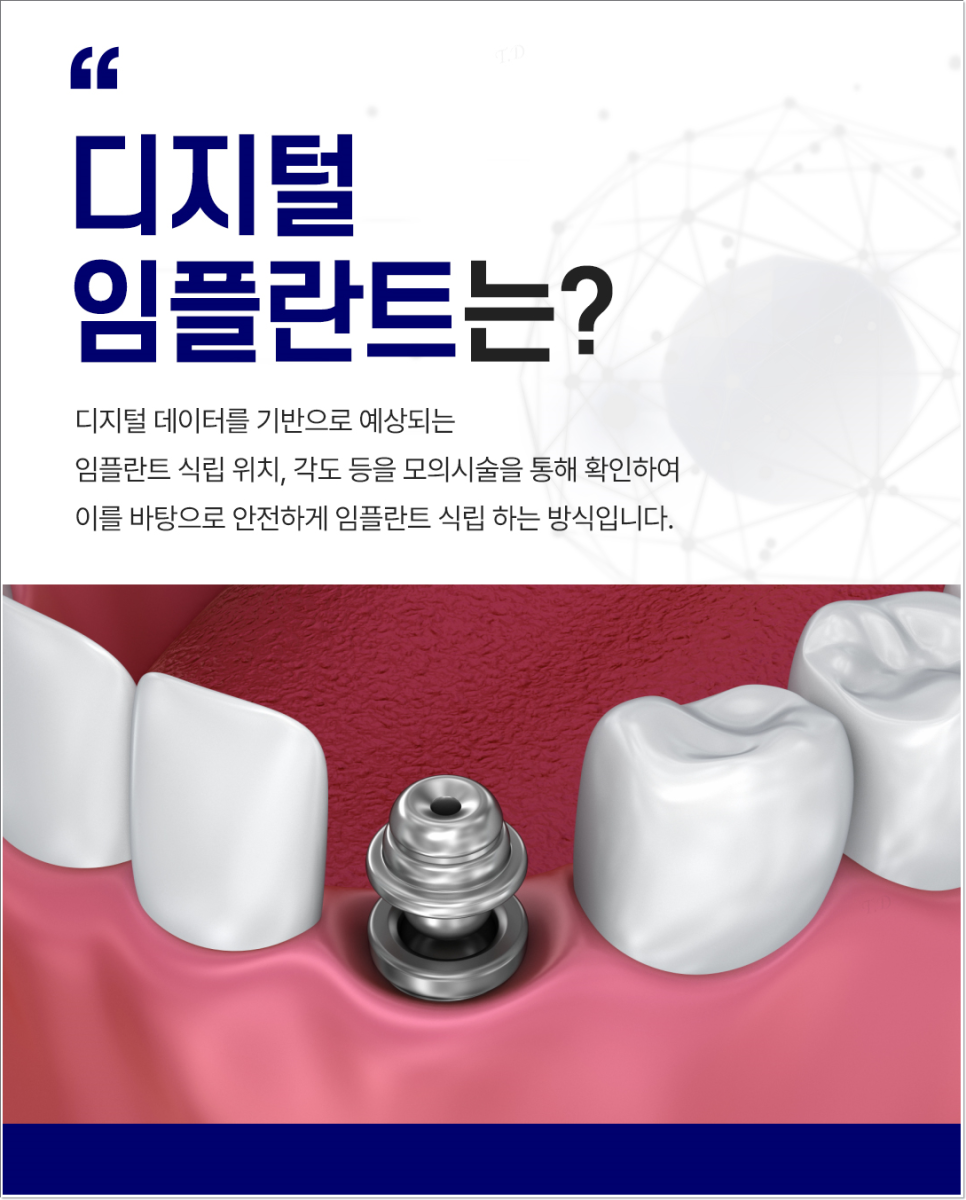
Implant treatment progresses through several stages. First, the patient’s oral condition is evaluated through an initial consultation and detailed examination. CT scans and other imaging are used to check the condition of the jawbone and the location of nerves, and a customized treatment plan is then established based on these findings. The treatment process can be broadly divided into three stages. First, the titanium implant is placed into the jawbone. Second, there is a recovery period of 2 to 6 months until osseointegration is complete. Third, the abutment is connected and the final prosthesis is attached. In some cases, additional procedures such as bone grafting or gum grafting may be necessary. Recently, Gwanghwamun Station Dental Clinic has also been offering a variety of treatment methods, such as placing an implant immediately after extraction. This approach can be applied to patients who meet specific conditions, greatly shortening the treatment period and minimizing discomfort. As for pain, implant treatment is performed under local anesthesia, so pain during the procedure is not severe, although some discomfort may occur after treatment. This can be managed by taking the pain relievers prescribed by the dental clinic.
��
��
Post-Treatment Care and Practical Tips
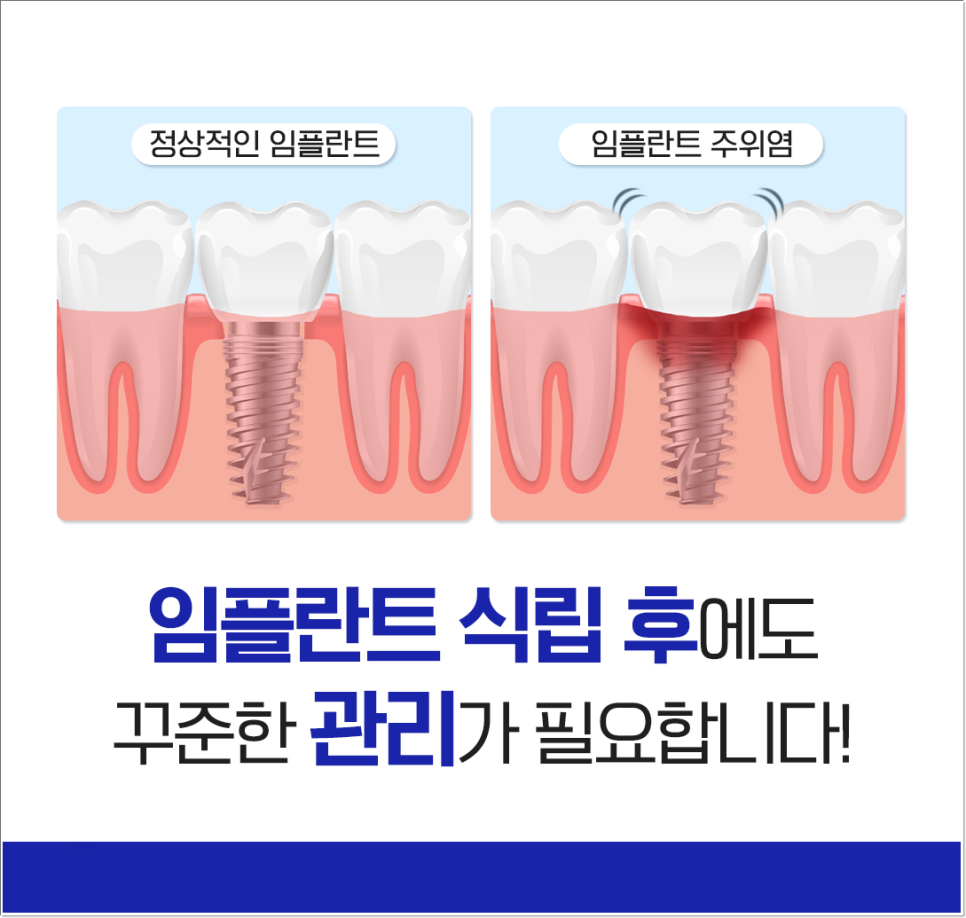
During the initial recovery period after implant treatment, special attention to diet is needed. For the first 24 hours after the procedure, it is best to eat cold foods, and for the first 1 to 2 weeks, soft foods are recommended. Avoid hard or sticky foods, and it is important to develop the habit of chewing on the side opposite the implant. Hygiene management directly affects implant longevity. Brushing at least twice a day, along with careful use of interdental brushes and a Waterpik, is necessary. In particular, the area where the implant meets the gum is prone to peri-implantitis, so extra care is needed. Ideally, regular checkups should be done at least once every 6 months. It is important to have the implant examined and professionally cleaned so that any problems can be found and addressed early. Acidic drinks and smoking can adversely affect the gum tissue around the implant, so they should be avoided as much as possible. To extend implant lifespan, be careful when biting hard foods, and if you have teeth grinding, consider using a night guard. Choosing a dental clinic such as Gwanghwamun Station Dental Clinic that offers evening and weekend care can provide greater peace of mind because emergency situations can be handled quickly.
��
��
Precautions for Implant Treatment
The success rate of implant treatment is very high, averaging over 95%, but it can fail if several precautions are not followed. For a successful implant, sufficient consultation and examination before the procedure are essential. Smoking, uncontrolled diabetes, and severe osteoporosis can lower the success rate of implants, so you should consult with a doctor in advance. Early care after treatment is also important. For 24 to 48 hours after the procedure, avoid smoking and drinking, and it is also best to refrain from strenuous exercise. The prescribed antibiotics and anti-inflammatory medications must be taken exactly as instructed, and if swelling or bleeding worsens, visit the dental clinic immediately. The main causes of implant failure are improper care and poor oral hygiene. Peri-implantitis can be treated if discovered early, but if left untreated, the implant may need to be removed. Regular checkups are important for detecting and responding to problems early. Specialized dental clinics such as Gwanghwamun Station Dental Clinic offer customized care programs to minimize the risk of implant failure, helping maintain long-term implant health.
��
��
The Risks of Tooth Loss
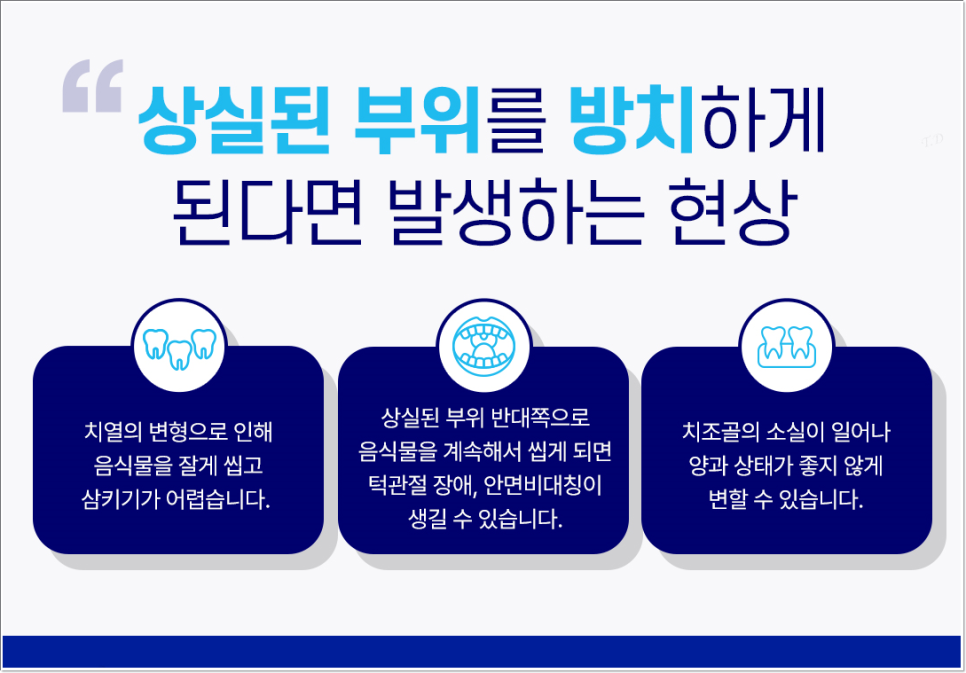
If tooth loss is left untreated, it can lead to serious health problems beyond simple inconvenience. The biggest problem is deterioration of the jawbone. Once the root of a natural tooth is gone, the jawbone no longer receives stimulation and is gradually resorbed; this can progress by as much as 25% within a year. Jawbone resorption changes facial shape, causes premature aging, and leads to movement and tilting of the remaining teeth. This creates bite imbalance and can result in temporomandibular joint disorders. In addition, reduced chewing function due to tooth loss can lead to digestive problems and nutritional imbalance. Psychologically, tooth loss can also reduce confidence and create a sense of social isolation. In particular, loss of front teeth directly affects smiling and pronunciation, making interpersonal relationships more difficult. These problems can be effectively prevented through implant treatment, and Gwanghwamun Station Dental Clinic helps address the various issues caused by tooth loss through customized implant solutions.
Tooth loss is not simply a cosmetic issue; it is an important problem that affects overall oral health and quality of life. Gwanghwamun Station Dental Clinic implants provide function and appearance most similar to natural teeth and are the only treatment that prevents jawbone loss. With proper care, implants can be used for a lifetime, making them the optimal solution to tooth loss. To maintain healthy teeth and a beautiful smile for a long time, it is wise to consult a dental specialist.










Previous image
Next image










Previous image
Next image
��
��