
Why should you get an oral checkup?
An oral checkup is an examination to assess the health of your teeth and gums. Many people do not go to the dentist unless they are in pain, but early detection is key for oral diseases.
Five benefits of a checkup
-
Early detection: If oral cancer is detected early, the cure rate can be 90%
-
Tooth preservation: Prevent gum disease, the main cause of adult tooth loss
-
Overall health: Reduce the risk of related conditions such as heart disease and diabetes
-
Increased confidence: Resolve bad breath and tooth problems
Worldwide, 3.5 billion people suffer from oral diseases, and 90% of these conditions are preventable. However, many people fear the dentist and often visit Euljiro Dental Clinic only after their symptoms have worsened.

How often should you get a checkup?
Checkup intervals by age
-
Children (0-12 years)
-
First checkup: As soon as the first tooth appears
-
Regular checkup: Every 6 months
-
Special care: Fluoride application, sealants
-
Teenagers (13-19 years)
-
Regular checkup: Every 6 months to 1 year
-
Main checks: Need for orthodontic treatment, wisdom tooth condition
-
Adults (20-64 years)
-
General population: Once a year
-
High-risk groups: Every 6 months (smokers, people with diabetes, etc.)
-
Seniors (65 years and older)
-
Regular checkup: Every 6 months
-
Key care: Denture condition, dry mouth symptoms
How is the checkup process done?
The doctor asks about your health condition and any discomfort. If you are taking any medication or have allergies, please be sure to let them know.
The condition of the teeth, gums, and tongue is examined in detail. They check for cavities or inflammation.
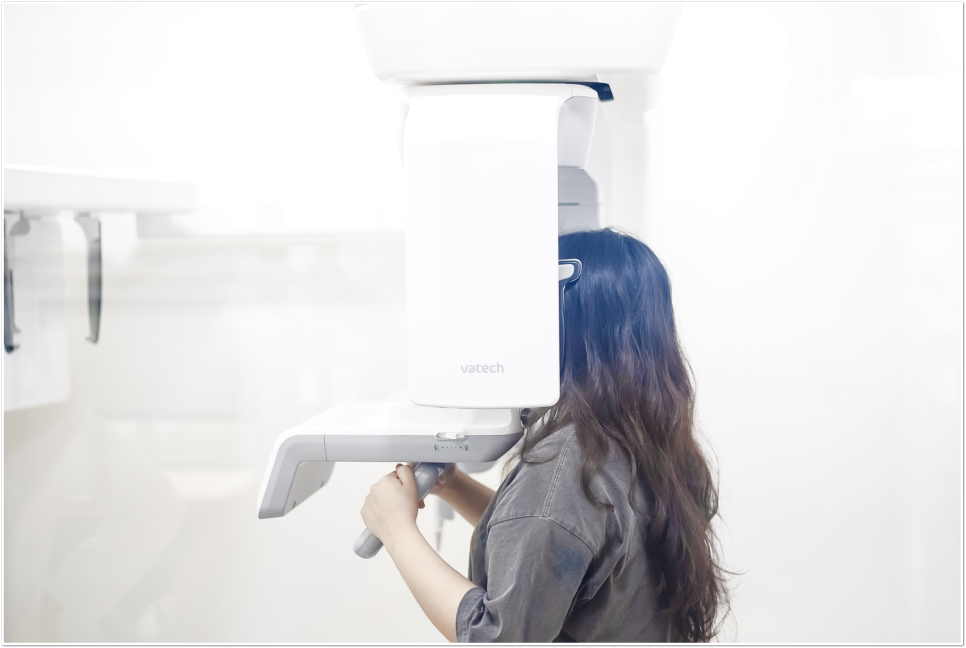
This is used to check for cavities or bone conditions that cannot be seen with the naked eye. If you are pregnant, please let them know in advance.
- Step 4: Detailed examination
The depth between the gums and teeth is measured, and your chewing condition is checked.
Plaque and tartar are removed, and the teeth are smoothed.
- Step 6: Results explanation
The test results are explained, and any necessary treatment or care methods are provided.
What is examined?
Cavity check
Early cavities are treated with fluoride, and advanced cases are filled or treated with root canal therapy.
Tooth wear
Checks for damage caused by teeth grinding or hard foods.
Inflammation check
Looks for redness, swelling, or bleeding in the gums.
Gum pocket measurement
Measures how deep the space between the teeth and gums is to diagnose gum disease.
Oral cancer screening
Checks high-risk areas and looks for unusual spots or lumps on the tongue, gums, and inside of the cheeks.
Warning signs to watch for
Jaw joint examination
- Checks whether there is pain or noise when opening the mouth and whether the teeth fit together evenly.

How should you care for it at home?
Tilt the toothbrush at a 45-degree angle against the gums and brush gently in small circles. Be sure to brush your tongue as well.
Prepare 30 cm of floss, wrap it around both hands, place it between the teeth, and move it up and down. Be sure to do this once a day.
If you rinse for 15-30 seconds after brushing, you can remove bacteria more effectively. Do not eat for 30 minutes afterward.
Common oral diseases
Cavities
Early symptoms: White spots on the teeth, pain when eating sweets
Progressed symptoms: Pain with cold water or hot foods, pain when chewing
Emergency care
Gum disease
Stage 1: Gums become red, swollen, and bleed → treated with scaling
Stage 2: Gums recede and sensitivity appears → deep cleaning needed
Stage 3: Teeth become loose and pus appears → gum surgery
Stage 4: Risk of tooth loss → consider implants
Warning signs of oral cancer
-
A wound that does not heal for more than 2 weeks
-
White or red spots in the mouth
-
A lump can be felt in the neck
-
Voice changes
-
Risk factors: Smoking, alcohol, men over 50
-
Prevention: Quit smoking, avoid alcohol, regular checkups
How to respond in an emergency: When a tooth is broken or knocked out
Frequently asked questions
Q. How often should I get a checkup?
A. Generally, once a year is enough. If you smoke or have diabetes, get one every 6 months.
Q. Is there anything I need to prepare before the checkup?
A. Just prepare a list of the medications you are taking and your health insurance card. There is no need to fast.
Q. What should I be careful about after scaling?
A. Avoid hot or cold foods for a day or two, and use a soft toothbrush.
Q. Is dental treatment okay during pregnancy?
A. The safest time is between 4 and 6 months of pregnancy. Emergency treatment or simple cavity treatment is possible at any time.
Q. My child is afraid of the dentist.
A. Read dental-related books in advance or practice through play. It is also fine for the first visit to be just an observation visit.
Closing
Oral health is the starting point of overall health. Keep your teeth healthy until age 100 with regular checkups and proper care. Small attention creates a lifelong healthy smile. This information is general guidance, and symptoms and treatment methods may vary depending on the individual situation. For an accurate diagnosis, you should consult a medical professional.
Are You Getting Regular Oral Checkups at Euljiro Dental Clinic?
Are You Getting Regular Oral Checkups at Euljiro Dental Clinic?
Are You Getting Regular Oral Checkups at Euljiro Dental Clinic?
Are You Getting Regular Oral Checkups at Euljiro Dental Clinic?
Are You Getting Regular Oral Checkups at Euljiro Dental Clinic?
Are You Getting Regular Oral Checkups at Euljiro Dental Clinic?