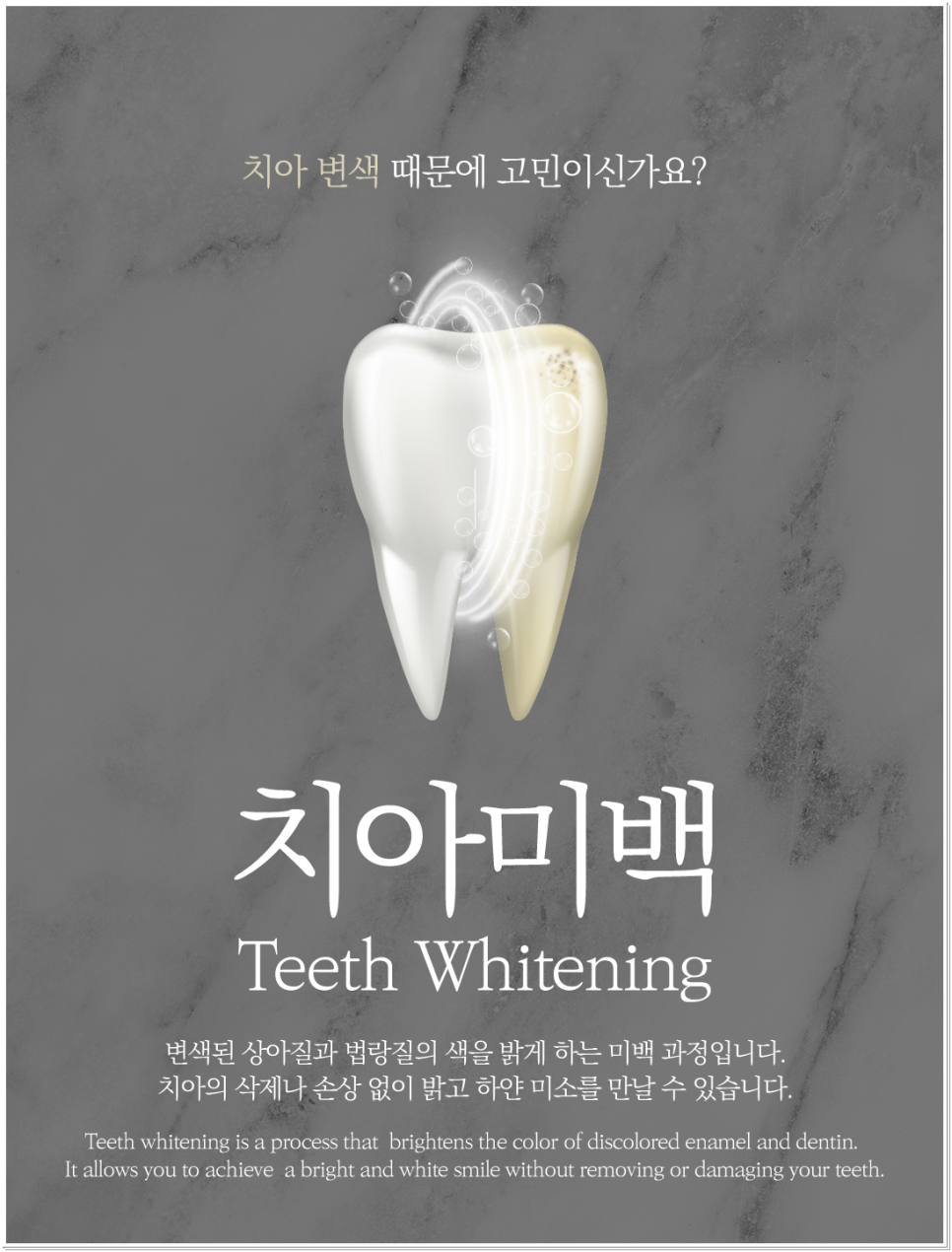
Tooth discoloration occurs due to various factors such as smoking, coffee consumption, and aging, and the appropriate whitening method differs depending on each person’s lifestyle and age. In smokers, brown-to-black staining caused by tar and nicotine in cigarettes becomes noticeable, especially on the inner surfaces of the teeth and between teeth. For coffee lovers, tannins deposit in the tiny pores of the tooth enamel, causing yellowish discoloration, and the more acidic the beans, the more severe the staining becomes. By age group, people in their 20s mainly show surface-level extrinsic staining caused by food and beverages, while people in their 40s are characterized by intrinsic discoloration caused by enamel wear and exposed dentin. For successful whitening, a step-by-step and systematic approach tailored to the individual situation is essential, and oral health must be considered the top priority.
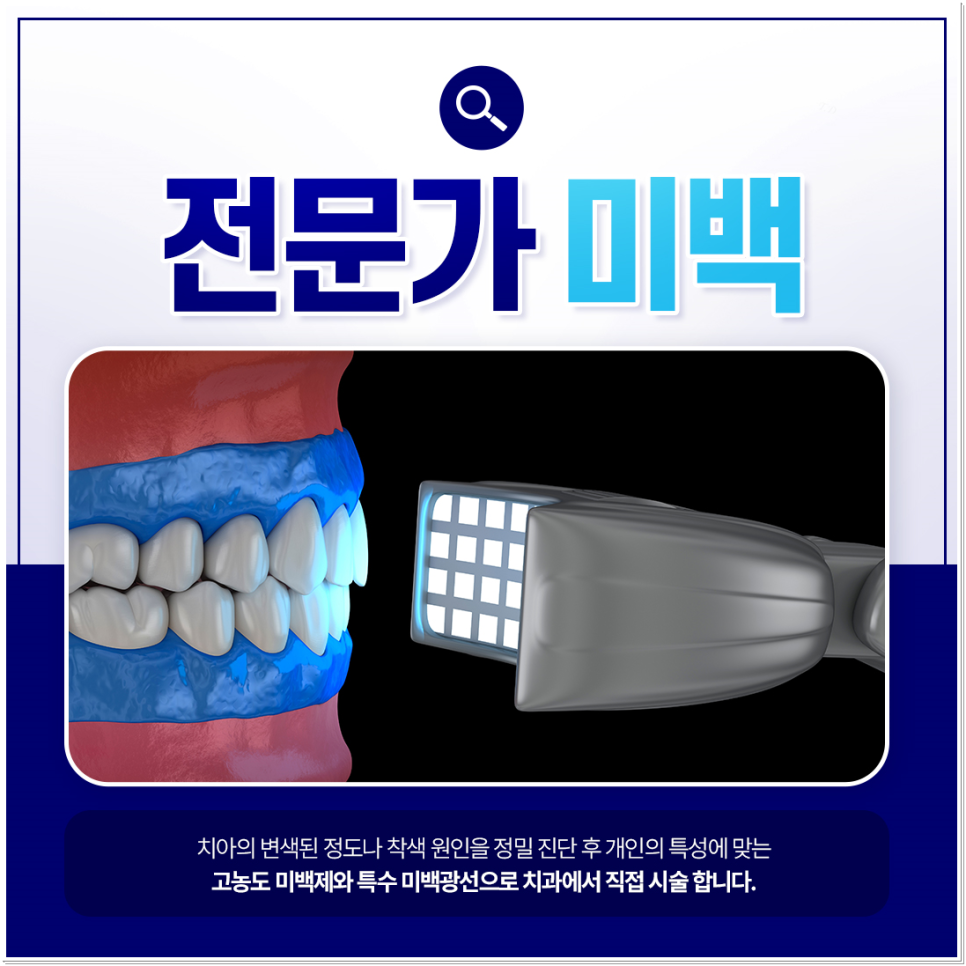
Tooth discoloration caused by smoking is difficult to remove with regular whitening and quickly becomes stained again. Tar and nicotine from cigarettes penetrate deeply into the tiny pores on the tooth surface, causing severe staining on the inner (lingual) surfaces of the teeth and between teeth. At Gwanghwamun Station Dental Clinic, to restore teeth in this condition to a white state, the degree of discoloration and the cause of staining are precisely assessed, and then the procedure is carried out using high-concentration whitening agents and special whitening light tailored to the individual’s characteristics.
The tannins in coffee deposit in the tiny pores of the tooth enamel, causing yellow to brown discoloration. In particular, instant coffee with high acidity has a higher risk of staining than espresso or cold brew. Preventive strategies include using a straw to minimize contact with the teeth, drinking one glass of water for each cup of coffee to reduce tannin deposition, and brushing 30 minutes after drinking coffee to prevent enamel damage. Coffee options with a lower risk of staining include low-acidity cold brew and light-roast beans. For daily care, it is recommended to use whitening toothpaste in the morning, rinse with water after coffee, and use oral care products with whitening effects at night. In the case of coffee, whitening can also be done as home care. After a simple oral examination and imaging at Gwanghwamun Station Dental Clinic, you can have a whitening tray made to fit your teeth and proceed with the appropriate whitening agent prescribed for you.

People in their 20s have enamel that is 1.5–2 mm thick and strong recovery ability, so active whitening is possible. The cause of discoloration is mainly surface-level extrinsic staining from food and beverages, and it tends to be evenly distributed. Office whitening using 35% high-concentration hydrogen peroxide can quickly produce a whitening effect of 4–6 shades, and the results are maintained with home whitening kits and whitening toothpaste. This age group is the best time for prevention-focused care to maintain white teeth for life. If you follow the whitening care that can be done in daily life, you can keep your teeth white. However, since many people in modern society consume coffee, tooth staining often occurs frequently. In such cases, it is a good idea to receive whitening treatment once at Gwanghwamun Station Dental Clinic, or try self-whitening that can be done as home care.
In the 40s, enamel becomes thinner at 1–1.3 mm, teeth become more sensitive due to exposed dentin, and the risk of root exposure increases because of gum recession. Discoloration is mainly due to age-related intrinsic factors, and an uneven yellowish color is characteristic. Before whitening, oral health should be checked to treat cavities and gum disease, and sensitivity tests and enamel condition should be evaluated. After passing these tests, two weeks of pretreatment with fluoride toothpaste before whitening at Gwanghwamun Station Dental Clinic, along with desensitizing gel during whitening and remineralization treatment after whitening, are used to protect the teeth. For people in their 40s, a cautious approach that prioritizes dental health is essential, and the use of high-concentration whitening agents should be avoided.
According to clinical data, people in their 20s can achieve a whitening effect of 4–6 shades that lasts 8–12 months, with retreatment intervals of 12 months. People in their 40s achieve 2–4 shades, lasting 4–8 months, and need retreatment every 6 months. In their 20s, the high effectiveness and long duration provide optimal results, while in their 40s, the limited effect and shorter duration require a more cautious approach. The final solution is: for smokers, quitting smoking and professional whitening; for coffee lovers, changing habits and regular care; by age group, active whitening for people in their 20s and 30s, and a health-first approach for those in their 40s and older. The three principles for successful whitening are a personalized approach, a step-by-step process, and continuous lifestyle improvement. Tooth whitening should be carried out without compromising oral health. Sometimes, many people complain of tooth sensitivity after trying whitening methods circulating on the internet.
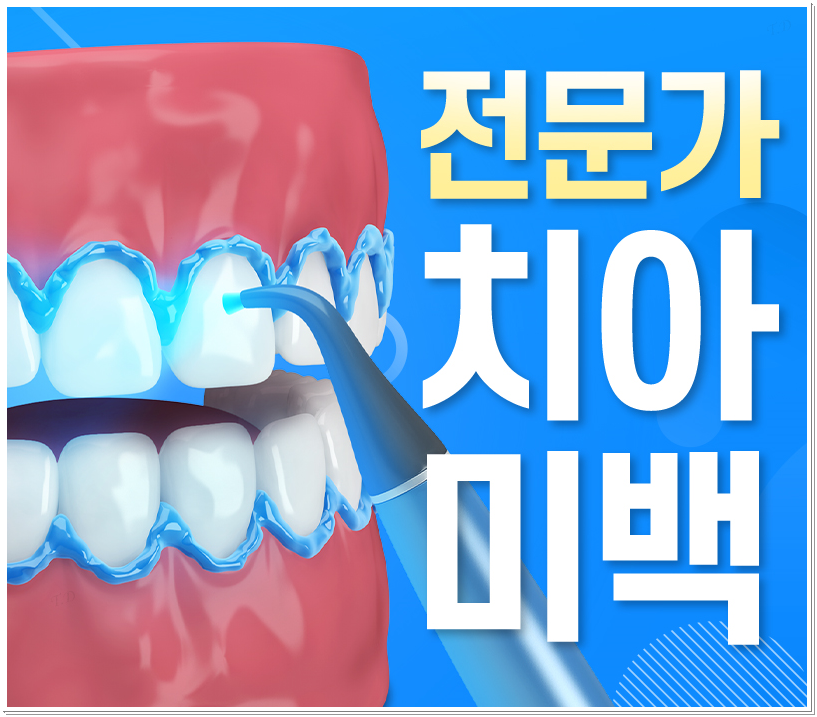
This can happen when using a high-concentration whitening product that does not suit the individual, or when using a product purchased directly from overseas. In general, whitening toothpaste is only preventive and has limitations when it comes to making already stained teeth white again, so if you are considering whitening, it is better to consult with Gwanghwamun Station Dental Clinic about the proper whitening care method suited to you before proceeding.
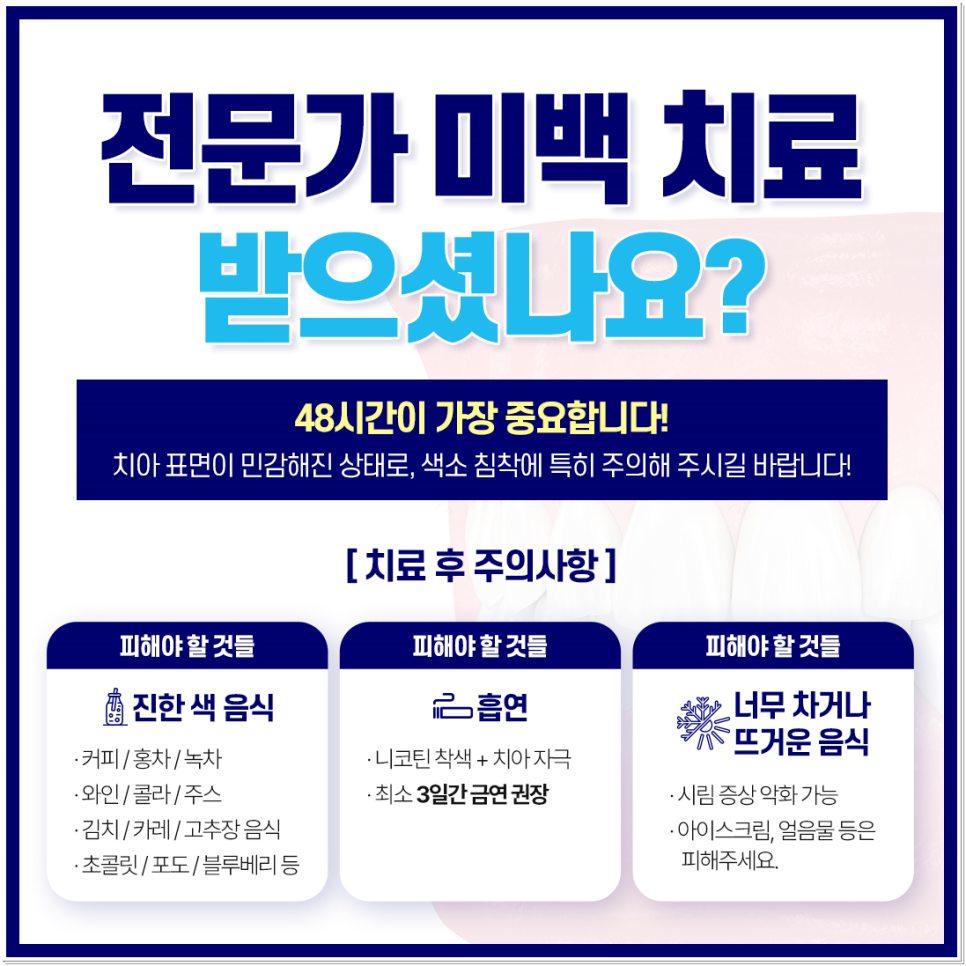
After receiving whitening treatment, management is more important than anything else. Please be sure to follow the instructions provided by Gwanghwamun Station Dental Clinic for 48 hours after the procedure. Since the tooth surface is in a sensitive state, special caution is needed regarding pigmentation.
| Factors to Avoid |
|---|
| Dark-colored foods |
| Smoking |
| Avoid smoking for at least 3 days |
| Foods that are too cold or too hot |
| Be careful with ice cream · ice water |









 Previous image
Next image
Previous image
Next image









 Previous image
Next image
Previous image
Next image









 Previous image
Next image
Previous image
Next image