Jongno Dental Clinic: Early Detection Is Important for Cavity Treatment
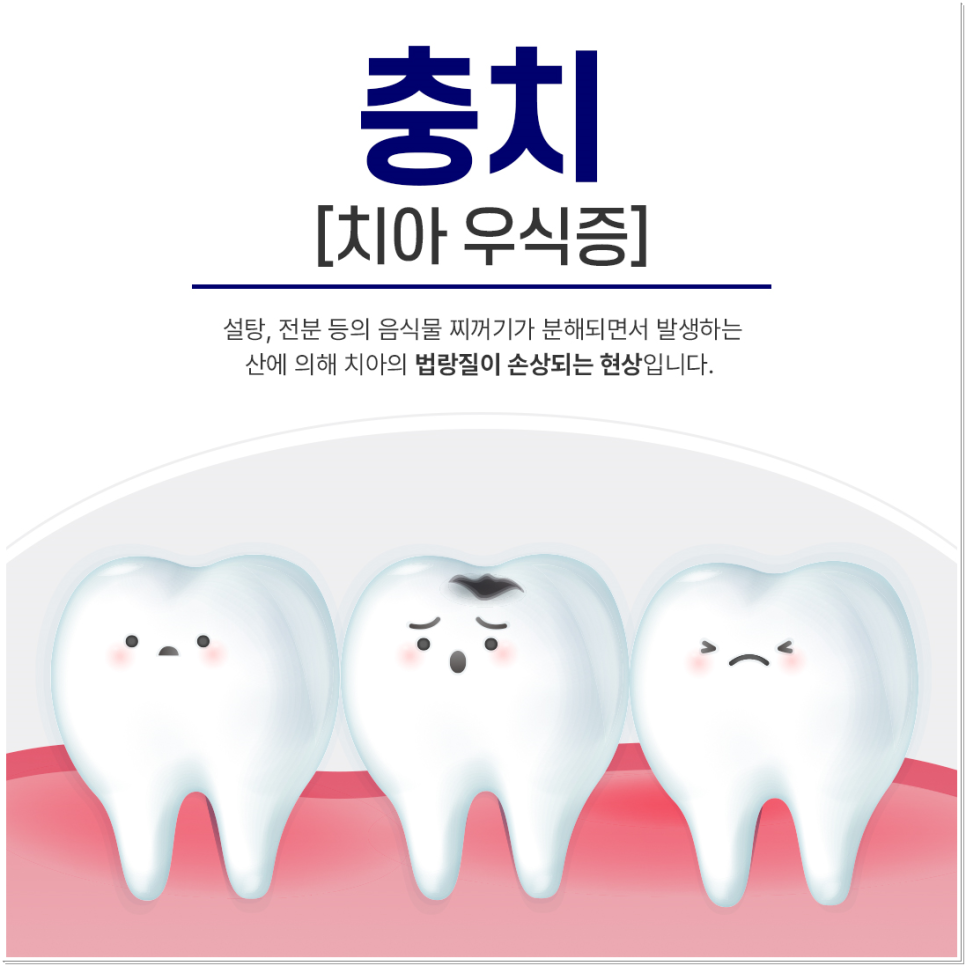
Cavities are a dental disease that occurs when the enamel on the surface of the tooth is damaged, and the main cause is bacterial activity in the mouth. Sugars contained in food become a source of food for bacteria, which then produce acid, and this acid gradually erodes the tooth enamel. In particular, poor eating habits such as eating sweets, late-night snacks, and frequent snacking increase the risk of developing cavities. In addition, when plaque builds up due to neglecting oral hygiene, such as insufficient brushing or lack of flossing, it creates an environment where bacteria can thrive. In the early stages of a cavity, there is little or no pain, making it difficult to notice on your own, so many people do not realize there is a problem until it becomes serious. Therefore, it is important to observe your oral condition carefully in daily life.
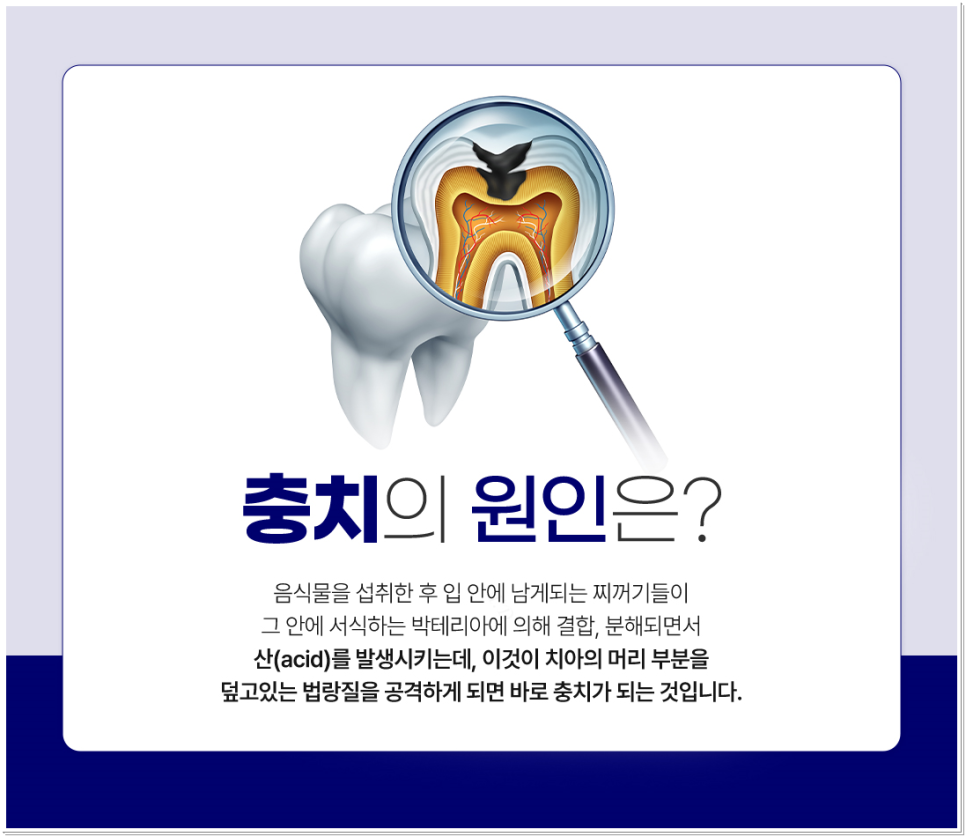
Cavities begin in the enamel and gradually progress into deeper layers. In the early stage, only the enamel is affected, and at this point the tooth may become slightly sensitive or feel painful when exposed to cold. Once the cavity reaches the dentin, sensitivity to hot or cold food increases, and discomfort from food getting stuck between teeth becomes more likely. If it progresses further and reaches the pulp (the center of the tooth containing nerves and blood vessels), severe pain or throbbing may occur. At this stage, inflammation can spread around the tooth root, and if left untreated, there is a risk of damage not only to the tooth structure but also to the gums and jawbone. As cavities worsen, treatment becomes more complicated, and in the worst case, the tooth may be lost. For this reason, early detection and treatment are essential.

If cavities are not treated in time, they can lead to serious oral health problems beyond simple tooth damage. As cavities progress, they can result in tooth loss, gum disease, and even inflammation or abscesses in the mouth. Moreover, cavities do not affect only oral health; they can also negatively impact overall health. According to research, oral inflammation may be linked to cardiovascular disease, diabetes, and even pregnancy complications. The more severe the cavity, the more complex and costly the treatment becomes, and it may become difficult to preserve the tooth. Therefore, prevention is the most effective approach, but once a cavity has already developed, treating it as quickly as possible is key to protecting both oral and overall health.
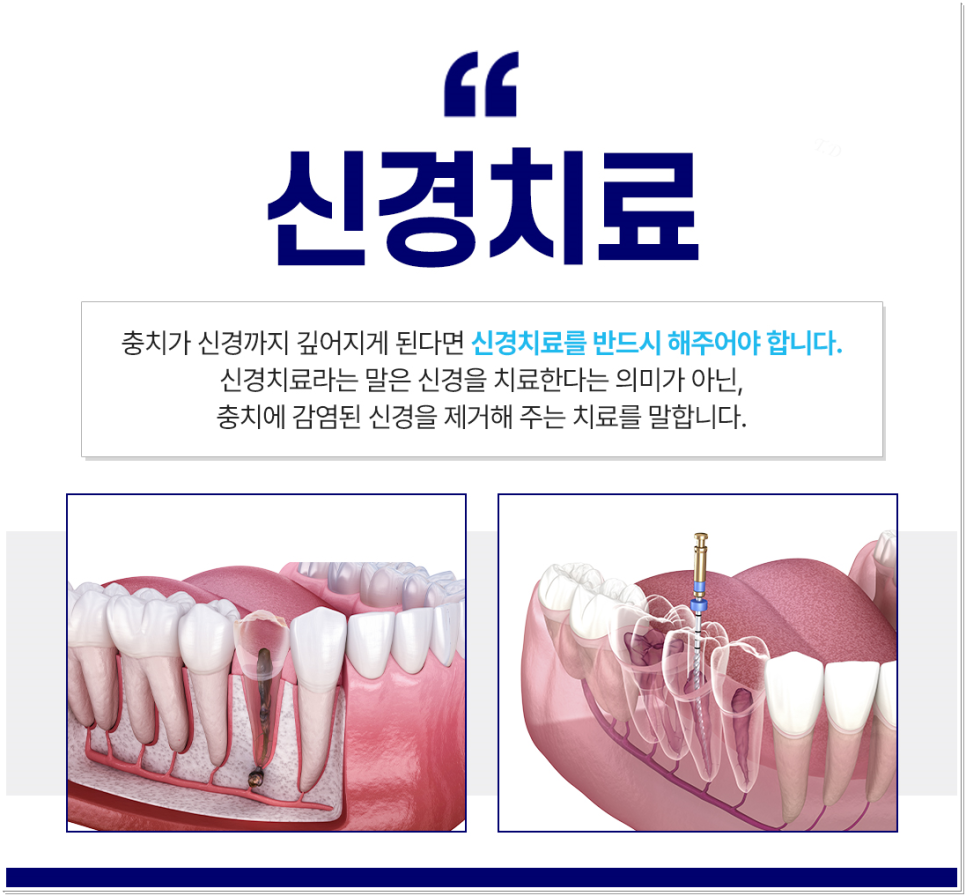
Cavity treatment is carried out in different ways depending on the stage of progression. For early cavities, a simple treatment that removes the damaged enamel and fills the area with resin (tooth-colored restorative material) is sufficient. However, if the cavity has progressed into the dentin or pulp, an inlay/onlay (custom restoration) or root canal treatment may be necessary. Root canal treatment is performed to remove inflammation inside the tooth and preserve the tooth, after which a crown (restoration) is used to protect it. The core principle of dental treatment is to preserve the natural tooth as much as possible. Therefore, as cavities become more severe, the treatment process becomes more complicated and requires more time and cost, so resolving problems at an early stage through regular checkups is the most ideal approach.


To prevent cavities, it is essential to maintain proper oral hygiene habits. You should brush your teeth correctly 2 to 3 times a day for at least 2 minutes, and use dental floss or interdental brushes to carefully clean between teeth. Regular dental scaling and checkups are very helpful in removing plaque and tartar and detecting cavities early. It is also important to reduce sugar intake and maintain a balanced diet. Using fluoride toothpaste or mouthwash can also be effective in strengthening teeth and inhibiting bacterial activity. Children should limit sweets and develop brushing habits with help from their parents, and teenagers are advised to avoid sports drinks and carbonated beverages. Adults should also be careful not to neglect oral care due to stress or a busy daily routine.

Because cavities require broader treatment and cause more severe tooth damage as time passes, early detection is extremely important. Regular dental checkups play a major role in identifying early cavities that have no noticeable symptoms. In general, it is ideal to visit the dentist every 6 months for a checkup and scaling. This makes it possible to treat even small cavities quickly and reduce the chance that they will develop into more complicated treatments. Oral health means more than just caring for your teeth; it is an important area that must be consistently managed for a healthy life. Start regular checkups now and protect your healthy smile!
Jongno Dental Clinic: Early Detection Is Important for Cavity Treatment
Jongno Dental Clinic: Early Detection Is Important for Cavity Treatment











Previous image
Next image