We have organized the features of each type of teeth whitening and the precautions you must follow after whitening. Check everything from at-home whitening and office whitening to care methods with Euljiro Dental Clinic at once.
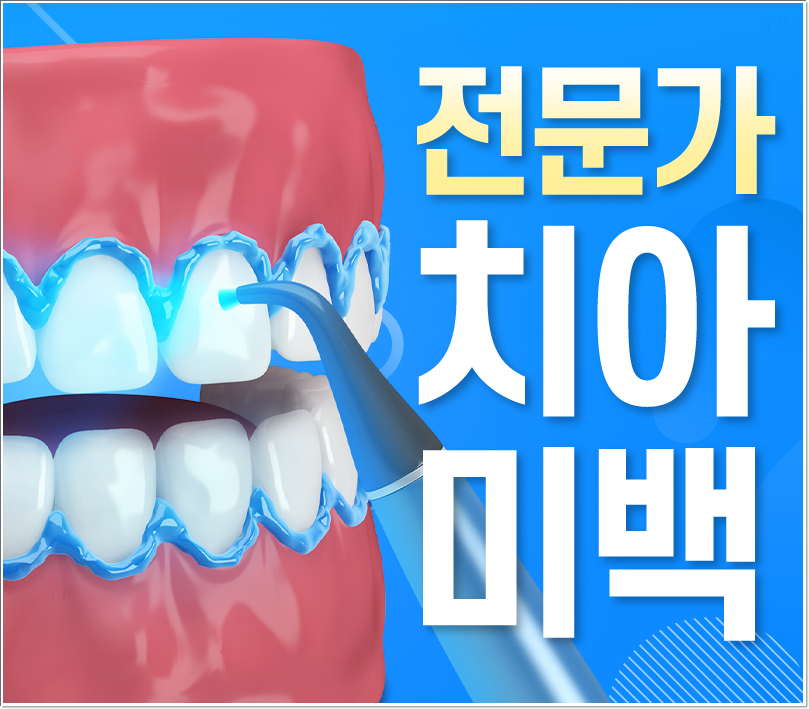
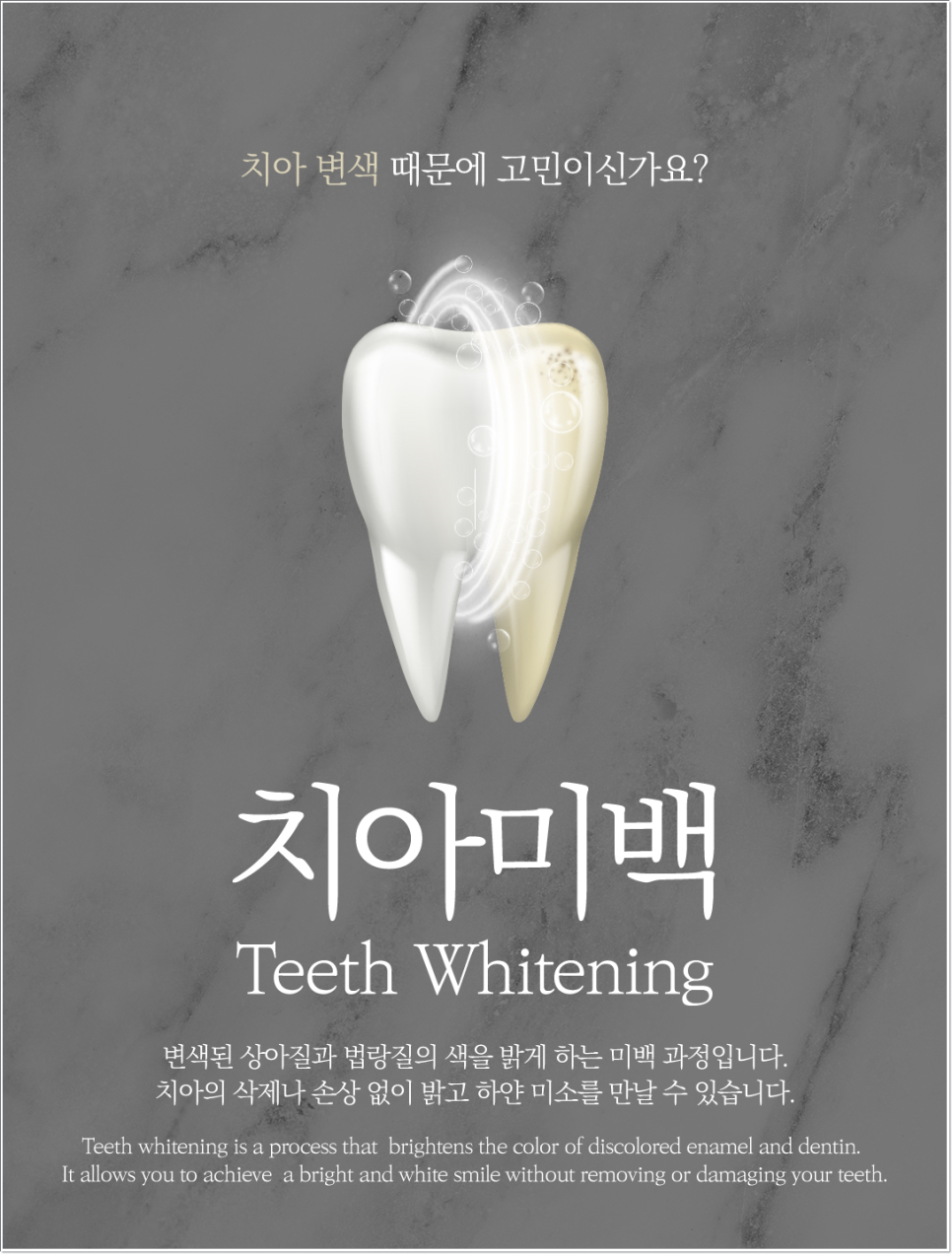
Everyone has a dream of having white teeth. Of course, it is said that our teeth are normally supposed to have a slightly ivory tone, but discoloration and staining occur frequently due to lifestyle habits. In particular, since mask-wearing was lifted after COVID-19, interest in teeth has increased, and with the rise in video calls and social media activity, interest in teeth whitening has continued to grow. Everyday drinks such as coffee, tea, and wine, as well as smoking and aging, make tooth discoloration an unavoidable phenomenon. Healthy teeth are the foundation of a confident smile and are also a factor that greatly affects first impressions. However, rather than starting blindly, it is important to understand the features of each method and learn the correct care methods.
 Different whitening methods, from dental whitening to at-home whitening
Euljiro Dental Clinic teeth whitening is broadly divided into three methods.
-
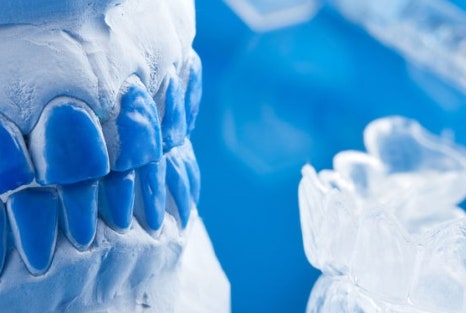
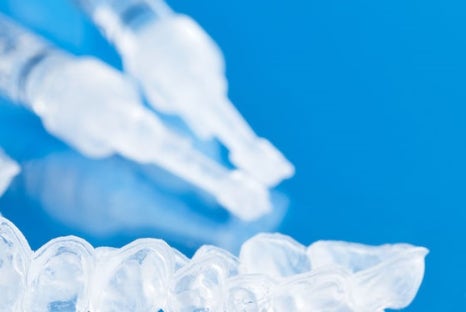
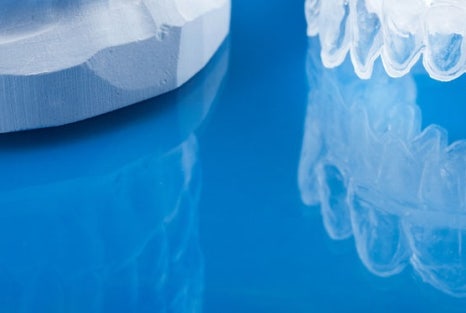
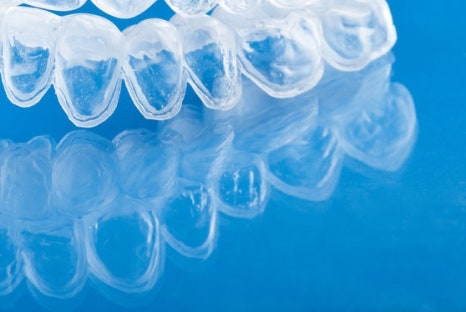
At-home whitening is a method you can do yourself at home, using whitening gel and a mouth tray consistently for 2–4 weeks. It uses low-concentration hydrogen peroxide or carbamide peroxide, so it is highly safe, but it takes a long time before results appear.
-
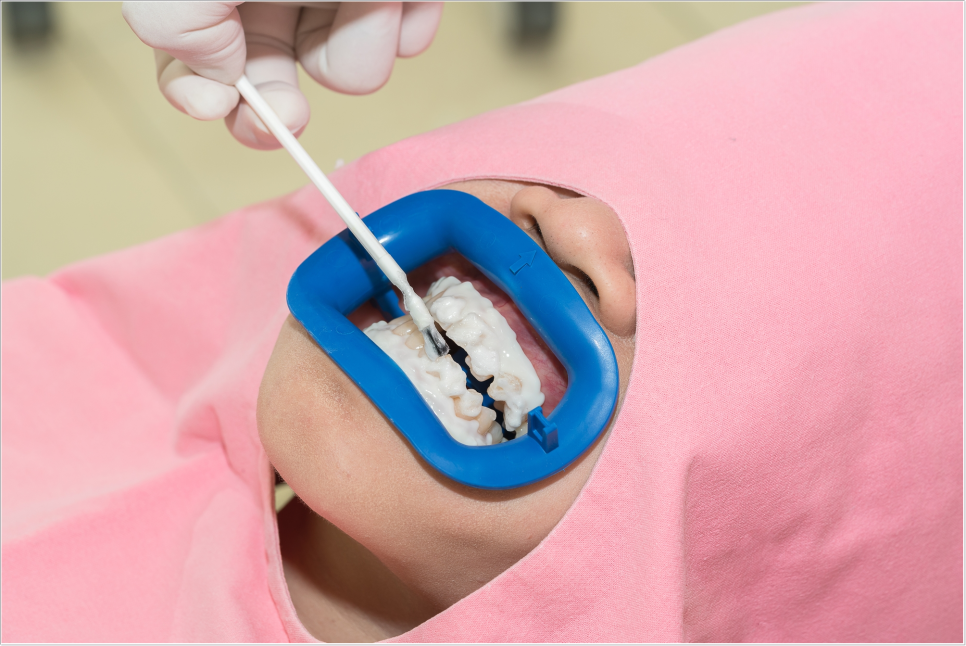
Office whitening is performed directly by the medical staff at Euljiro Dental Clinic. It uses a high-concentration whitening agent and special equipment, allowing for noticeable results in just 1–2 treatments. It is suitable for those who want immediate results. Euljiro Dental Clinic accurately identifies the cause of the patient’s tooth staining and carries out the procedure using the appropriate whitening agent.
-
Combination whitening is a method of obtaining an initial effect through office whitening and then maintaining it continuously with at-home whitening. Because it takes advantage of the strengths of both methods, it has become the most preferred approach recently.
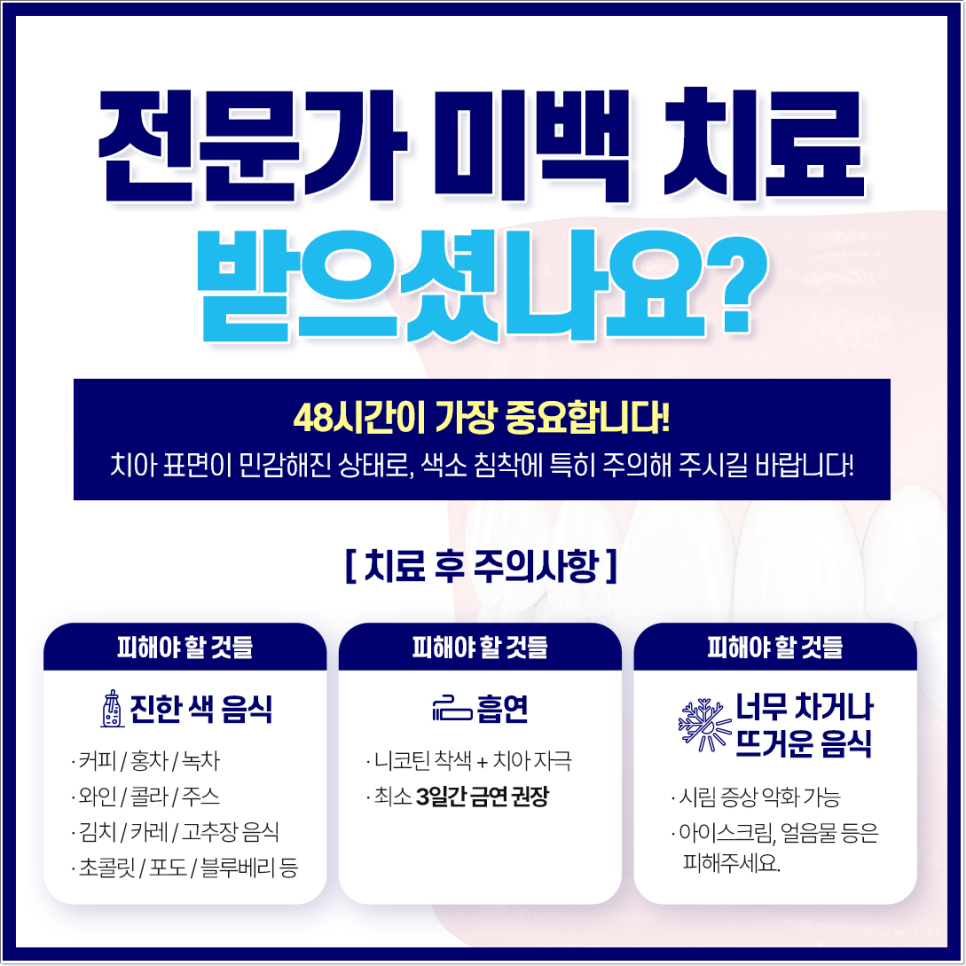 The most important golden time: the 48 hours after whitening
The 48 hours immediately after Euljiro Dental Clinic teeth whitening are the most important period for dental care. During the whitening process, the tiny pores on the tooth surface are temporarily open, creating conditions that make it easier for external pigments to penetrate. During this period, you should follow a “white diet.” Avoid foods and drinks with strong pigments, such as coffee, black tea, red wine, cola, curry, tomato sauce, and soy sauce. In particular, acidic drinks can further soften the tooth surface and accelerate staining, so caution is needed.
Smoking is also something you must absolutely avoid. Nicotine and tar are major causes of tooth discoloration and can significantly reduce the whitening effect. Instead, it is better to consume white or light-colored foods such as water, milk, white rice, chicken breast, bananas, and cabbage.
 Lifestyle habits that help maintain whitening results for longer
To maintain the whitening effect from Euljiro Dental Clinic over the long term, systematic dental care habits are essential. Practice the “3-3-3 rule” by brushing your teeth every morning and evening, and within 3 minutes after meals. Using toothpaste that contains fluoride helps strengthen teeth and also prevents staining. After eating, it is a good habit to rinse your mouth with water right away. In particular, when drinking deeply colored beverages, use a straw to minimize contact with the teeth. Regular scaling and dental checkups to remove tartar and plaque are also important for maintaining whitening results.
Using toothpaste or mouthwash with whitening functions can help with daily care. However, products with excessive abrasives can damage teeth, so you should check the ingredients before choosing.
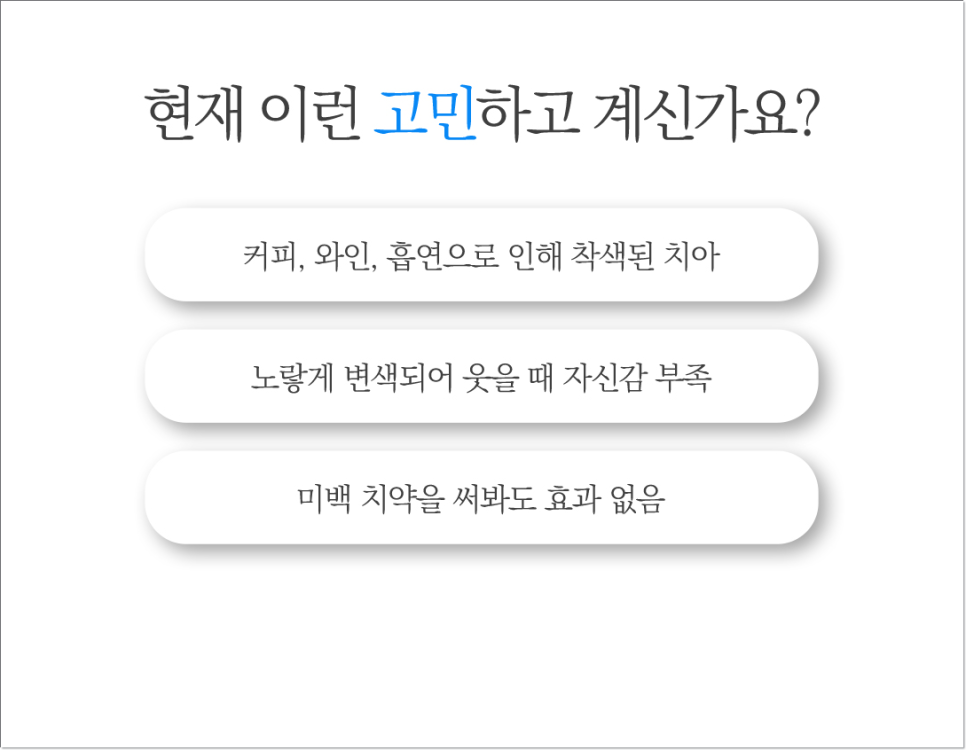
Habits that make you need whitening again?
Improper care after Euljiro Dental Clinic teeth whitening can cause various problems. The most common side effect is tooth sensitivity. This is a temporary phenomenon that occurs as the whitening agent penetrates into the dentin, and it usually resolves naturally within 2–3 days. If the sensitivity is severe, avoid cold or hot foods and try using toothpaste designed for sensitive teeth. If the symptoms last more than a week or interfere with daily life, you should consult a specialist.
Excessive whitening procedures can damage the tooth enamel. If you ignore the recommended intervals and repeat whitening too often, the teeth can become weaker and may instead appear translucent. It is safer for pregnant or breastfeeding women and teenagers under 18 to avoid whitening procedures.
 A choice for a healthy and beautiful smile: whitening
Teeth whitening is more than simply making teeth whiter; it is a process of creating a confident smile and a healthy oral condition. The first step is to understand the characteristics of at-home whitening, office whitening, and combination whitening, and choose the method that fits your lifestyle and goals. Above all, post-whitening care determines how long the effect lasts. Careful management during the 48-hour golden time and long-term dental care habits will multiply the value of the time and effort you invested. Based on proper knowledge, make wise choices and maintain consistent care to create healthy, beautiful teeth that let you smile with confidence at any time.
Remember that small, consistent efforts create big changes, and begin systematic dental care from today.