If you are a foreigner staying in Korea, you may feel helpless when a tooth suddenly becomes sensitive or throbs. Because of the language barrier and unfamiliar healthcare system, many people end up putting off a visit to the dentist. But don’t worry! Dental care in Korea is recognized as world-class and is known for fast, friendly treatment. I also have experience struggling with cavities while traveling in Korea, so I understand that feeling of helplessness well. But when I actually visited a dental clinic, it was much more convenient and well-organized than I expected. In this article, I’ll explain in detail everything foreigners need to know about getting cavity treatment in Korea. From the treatment process and costs to how to choose a clinic and aftercare, I’ll focus on practical information to help ease your worries.
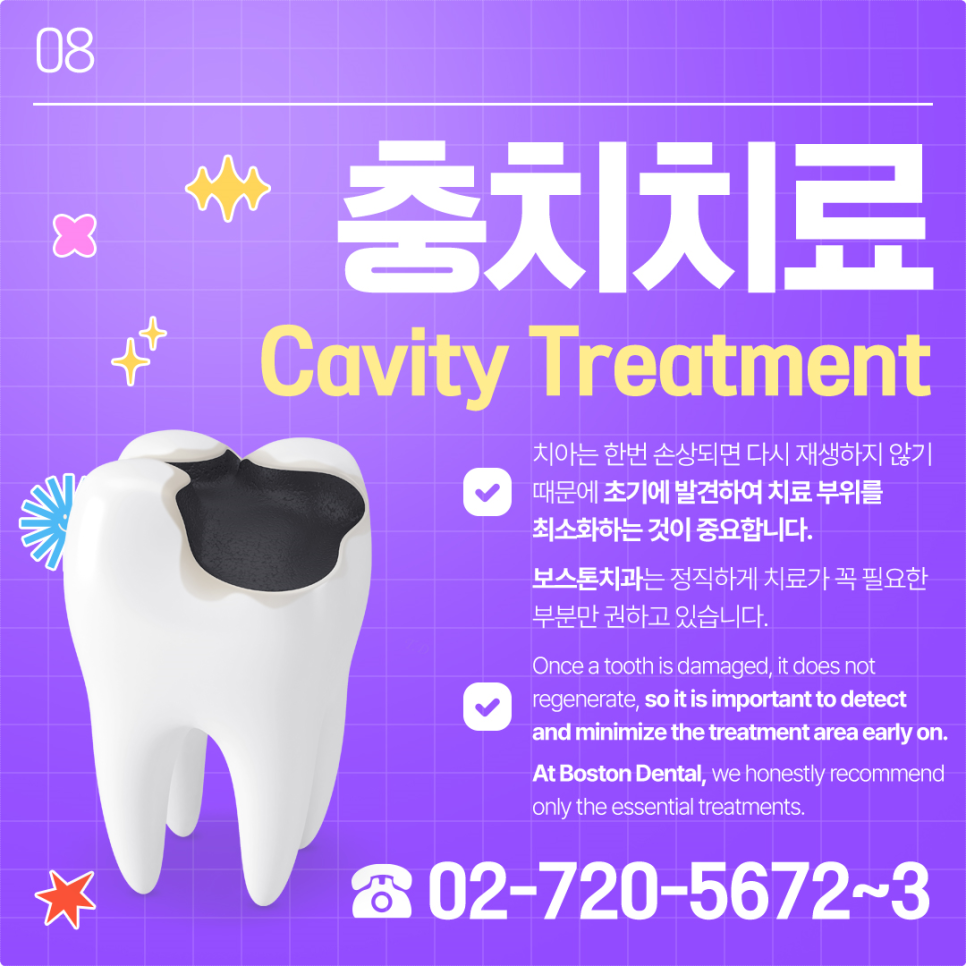
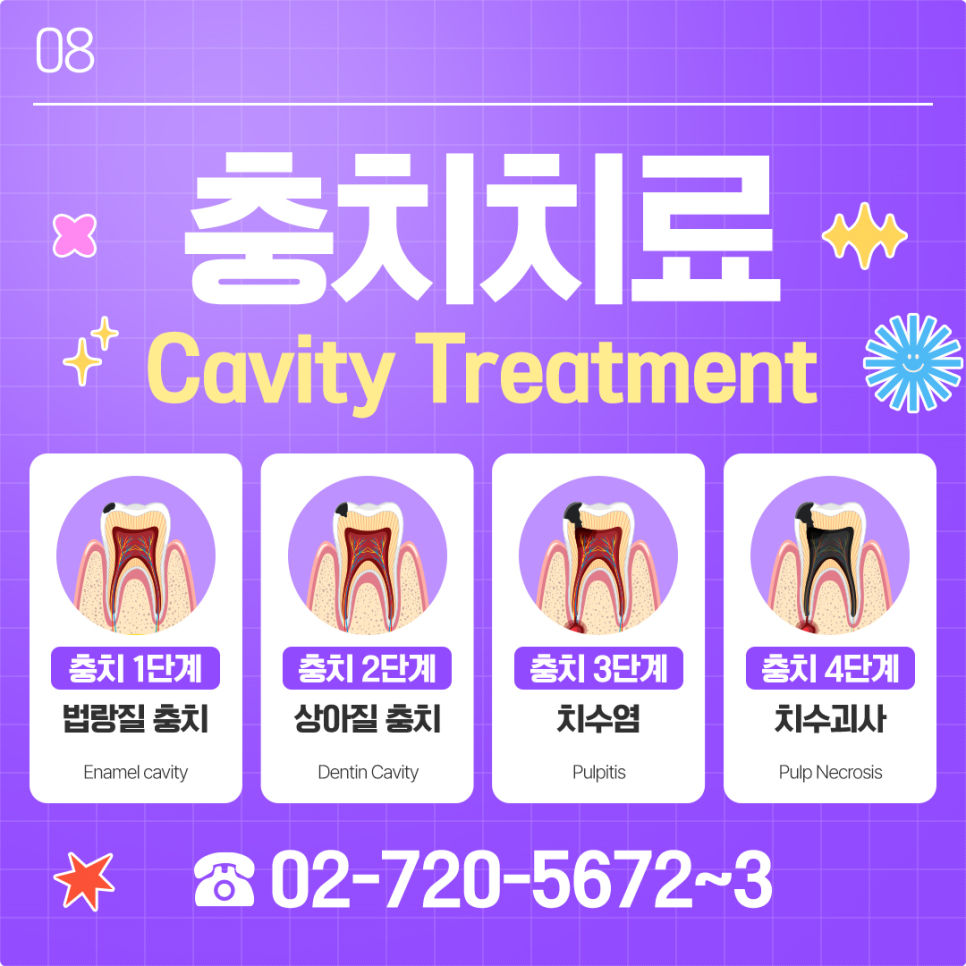
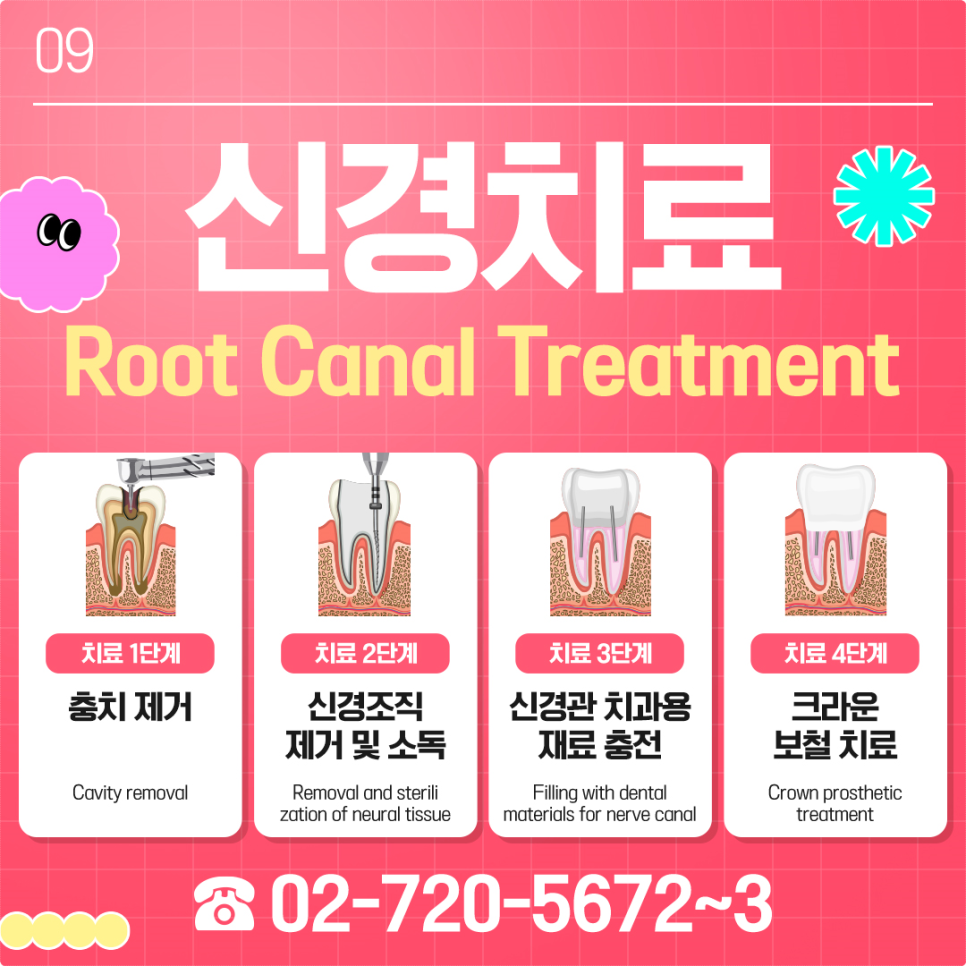
Cavity treatment for foreigners at dental clinics in Korea is carried out in a very systematic and efficient way. The first visit begins with an X-ray to diagnose the exact location and severity of the cavity. The doctor will show you the images and explain the condition in detail, and if the clinic has English-speaking staff, communication during this process should not be a problem at all. After the diagnosis, local anesthesia is administered. Because a topical anesthetic is used before the injection, the injection itself is almost painless. Once the anesthesia is sufficient, the doctor carefully removes the cavity and fills it with a material such as resin or a crown. Resin is very close to the color of the tooth, so it looks natural, and it is also highly durable. A standard cavity treatment usually takes about 1 to 2 hours, and even in more complicated cases, treatment can often be completed on the same day. After the treatment, the doctor will explain eating precautions and oral care methods, and let you know whether another visit is needed. The whole process is very fast and efficient, so it is not burdensome even during a busy schedule.
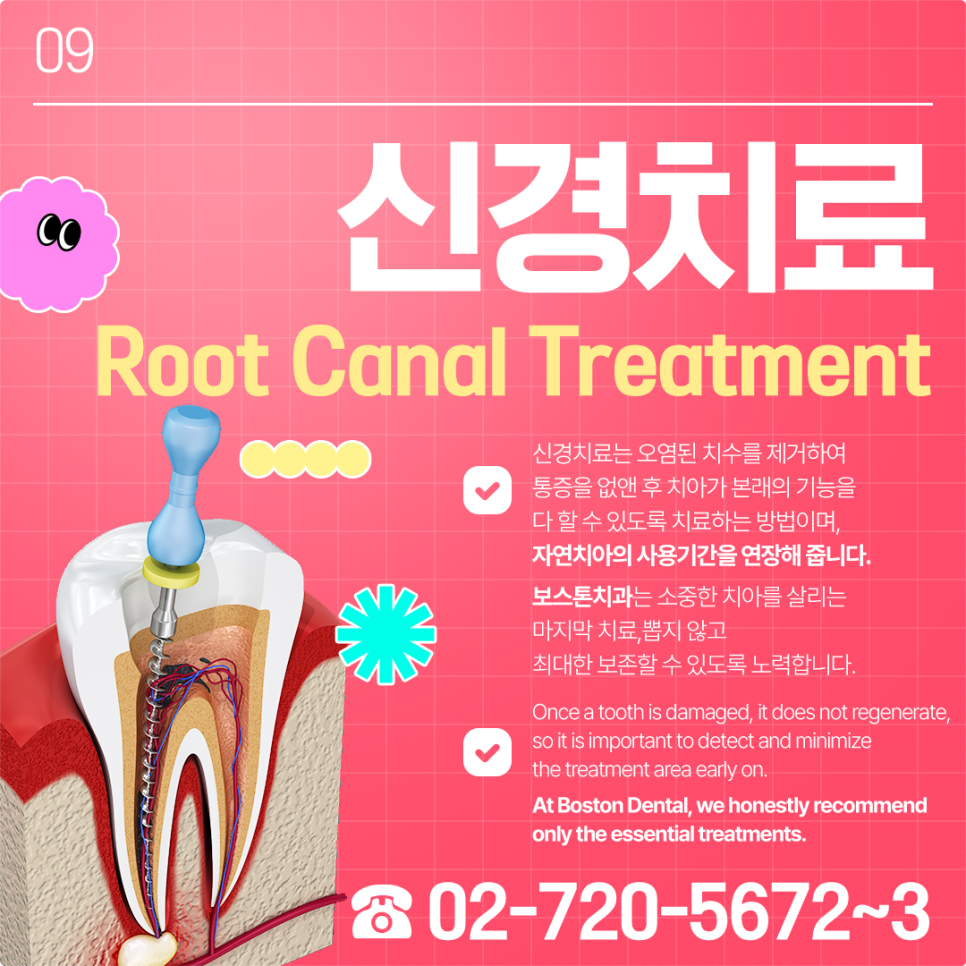
The cost of cavity treatment for foreigners in Korea is relatively affordable compared with Western countries. Compared with treatment costs in the United States or Europe, it is less than half. Simple treatments such as resin fillings, as well as more complex treatments such as root canals, can be done at a reasonable price. Even without foreigner health insurance, the cost is often considered reasonable. Of course, prices may vary depending on the clinic and region, so it is recommended that you call or email in advance to check the exact cost before visiting.
When choosing a dental clinic, the most important thing is language communication. Clinics that can communicate in foreign languages often see foreign patients with cavities, so they explain medical terminology in an easy way and kindly help with insurance paperwork and payment procedures. When looking for a clinic, it is convenient to use Naver or Kakao Map. If you type “English speaking dentist” or “foreigner dental clinic” into the search box, you can check reviews and location information at a glance. Most reservations can be made by phone or through KakaoTalk, and some clinics even operate a dedicated English reservation line. If you are an international student, a clinic near your school is also a good choice, and some dental clinics in university areas offer student discounts. If you live outside Seoul, consider a university hospital dental clinic. University hospital clinics are more likely to have English-speaking medical staff, and the facilities are excellent. In an urgent situation, remember that you can also receive basic dental care at the emergency room of a university hospital.
By checking online reviews, you can find clinics that are well regarded among foreigners. Places in Seoul such as “Seoul Dental Clinic,” “Global Dental Care,” and “International Dental Center” are popular with foreign patients. These clinics have English websites and openly publish their fees, which makes them highly trustworthy. However, before visiting in person, be sure to check recent reviews, and if possible, ask in advance about the treatment details and expected costs when making a reservation. When visiting the clinic, be sure to bring your passport or alien registration card. If you have health insurance, bring your insurance card as well. Be sure to keep the receipt for the treatment details and costs, as you may need it for insurance claims in your home country. Also, learning a few basic terms used at the dental clinic in advance will make communication easier. You can use “cavity” for “충치,” “anesthesia” for “마취,” and “filling” for “충전재.”
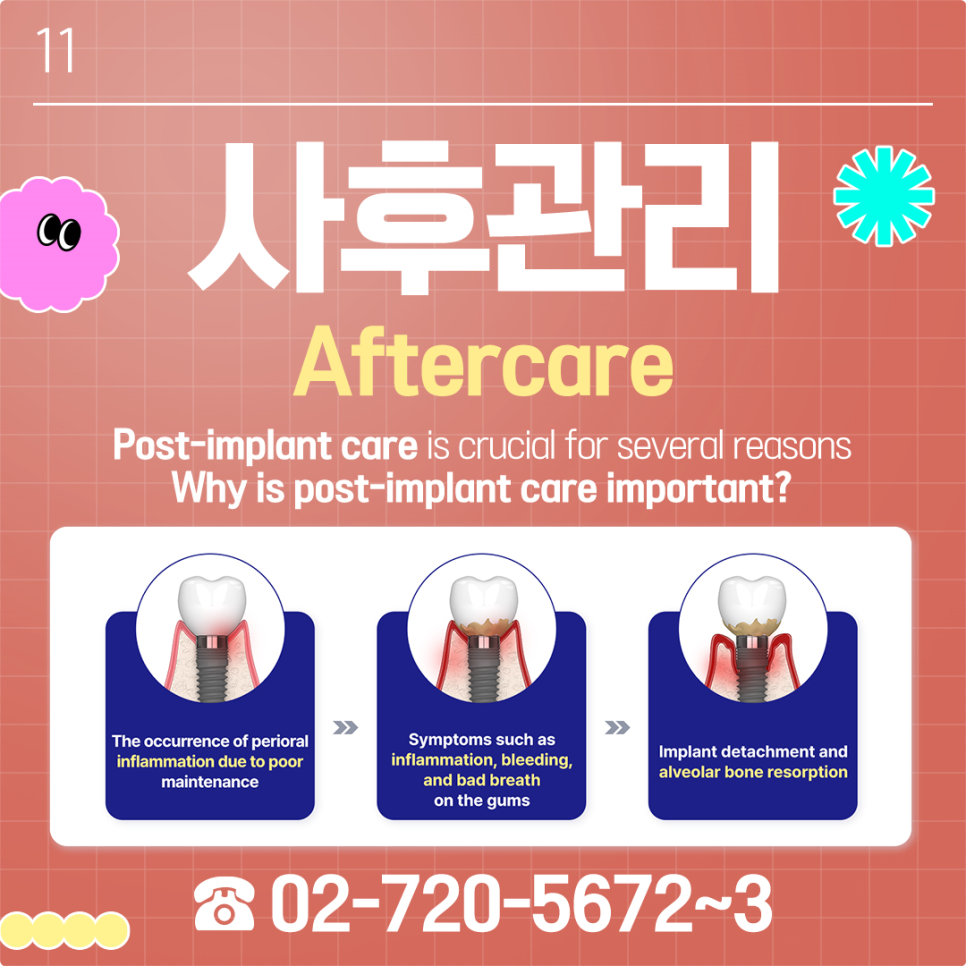
For 24 hours after foreigner cavity treatment, it is best to avoid food that is too hot or too cold. While the anesthesia is wearing off, be careful not to accidentally bite your lips or tongue. If you received a resin filling, it is safer to avoid hard foods for the first few hours and stick to soft foods. Please follow the oral care guide provided by the doctor carefully. Most dental clinics provide an English guide, so if there is anything you do not understand, ask right away. Regular checkups are the best way to prevent cavities from recurring. It is recommended to get scaling and a checkup every six months.
For daily oral care, brushing twice a day, using dental floss, and reducing sugar intake are important. In convenience stores and pharmacies in Korea, you can easily find a variety of oral care products, so look for products that suit you. If pain continues or if you notice any unusual symptoms after treatment, do not forget to contact the dental clinic immediately. Most clinics place great importance on aftercare and will respond quickly if there is a problem. I hope your dental experience in Korea helps you protect a healthy smile!