The Difference Between Laminate Veneers and All-Ceramic at Myeongdong Dental Clinic

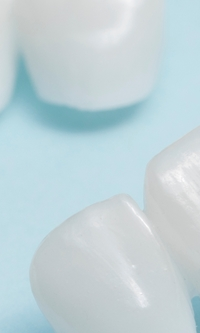
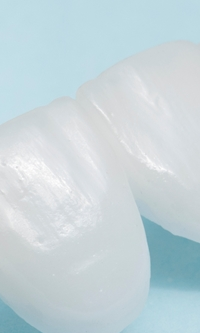
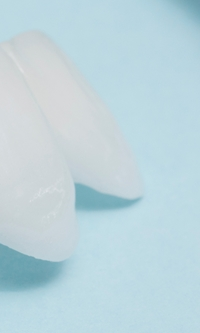
Myeongdong Dental Clinic laminate veneers play a role in improving the shape, color, and size of teeth to create a natural and beautiful smile. They are attached to the front surface of the teeth in the form of a thin shell, covering dental imperfections. This procedure is effective when teeth are discolored, slightly crooked, or have small gaps, and it can produce an immediate change through a relatively simple process. However, before choosing laminate veneers, it is important to understand the scientific background of the procedure, potential risks, maintenance methods, and how they differ from the alternative option of all-ceramic crowns.
The reason teeth may feel sensitive during Myeongdong Dental Clinic laminate veneer treatment is mainly due to a physiological response related to the removal of the enamel layer. During the procedure, about 0.3 to 0.5 mm of the enamel on the front surface of the tooth is shaved down to create space for the veneer to be attached. Enamel is the hardest protective layer of the tooth and protects the dentin beneath it. Dentin contains microscopic channels that connect to the tooth nerve and respond sensitively to changes in temperature or pressure. When enamel is removed and dentin is exposed, fluid movement occurs when the tooth is exposed to hot or cold food, stimulating the nerve and causing sensitivity. This may be temporary and usually subsides naturally within 1 to 2 weeks, but it can persist if too much is removed or if the bonding is incomplete.

The risk of nerve damage in Myeongdong Dental Clinic laminate veneer procedures is closely tied to the amount of enamel removed, with excessive shaving being the main cause. The tooth nerve is located beneath the dentin, and if enamel removal reaches deep into the dentin, the risk of inflammation or infection increases. In particular, when the tooth is already weakened or has deep decay, the removal process may bring the treatment close to the nerve, which can cause 'pulp inflammation' and may lead to permanent pain or root canal treatment. Scientifically, because enamel thickness varies widely depending on the individual and averages about 1 to 2 mm, a minimally invasive approach is emphasized. For that reason, laminate veneers should be performed by medical staff with extensive clinical experience to ensure safe treatment.
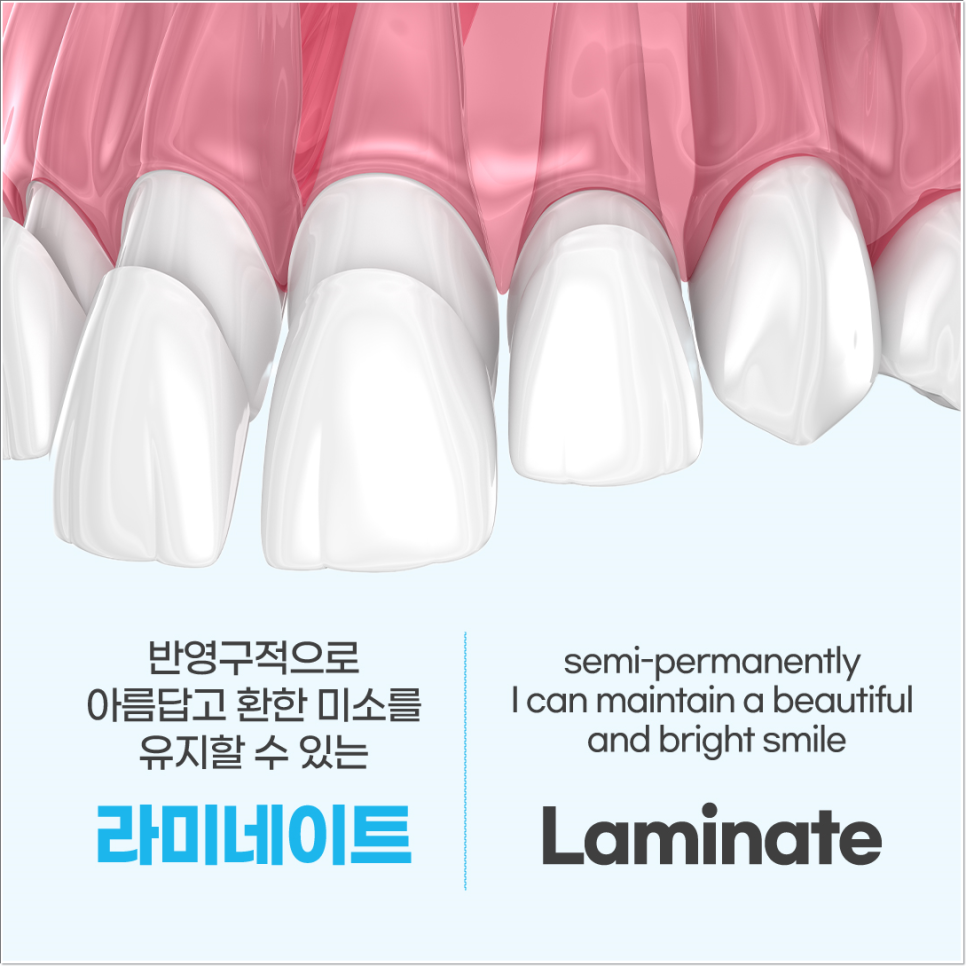
The average lifespan of Myeongdong Dental Clinic laminate veneers is known to be about 10 to 15 years, depending on the durability of the material and the patient's lifestyle habits. Veneers are ceramic-based and highly durable, so they can withstand everyday use, but over time they may need to be replaced due to wear, discoloration, or weakening of the adhesive. Practical care tips to extend their lifespan include brushing at least twice a day with a soft toothbrush and non-abrasive toothpaste, and using dental floss and an oral irrigator to remove plaque. Avoid chewing hard foods such as nuts and ice, and wear a mouthguard during sports to prevent impact. If you grind your teeth at night, using a custom night guard can reduce wear, and regular dental checkups every six months can help detect problems early. Also, rinsing with water immediately after consuming staining drinks such as coffee or red wine, and avoiding smoking, can minimize discoloration. There are also reports of cases where these habits have extended the lifespan to more than 20 years.

The comparison between Myeongdong Dental Clinic laminate veneers and all-ceramic crowns shows major differences in purpose and degree of invasiveness. Laminate veneers are a cosmetic treatment that attaches a thin layer only to the front surface of the tooth, preserving as much of the natural tooth as possible because little enamel is removed. Their advantages include natural translucency and a quick procedure. Their drawbacks are that they can chip under strong impact and are not suitable for severely damaged teeth. On the other hand, all-ceramic crowns are restorative treatment that covers the entire tooth and are used when decay or cracks are severe; they require the removal of an additional 1 to 2 mm of enamel. Their advantages are strong durability (lifespan of 15 to 20 years) and excellent protective function, but their disadvantages are the greater amount of tooth reduction, higher cost, and a longer adjustment period after treatment.
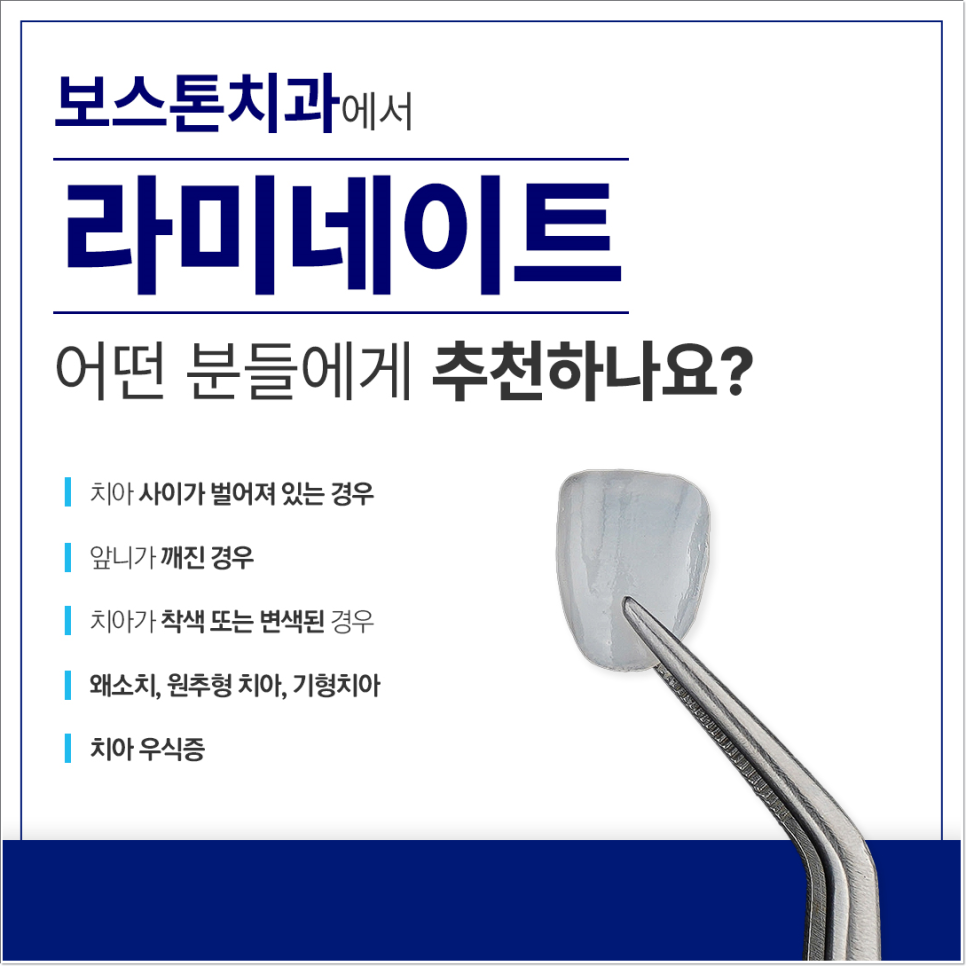
When choosing Myeongdong Dental Clinic laminate veneers, consulting with medical staff after considering your personal dental condition and lifestyle is essential. For example, if you enjoy active sports or have weak teeth, all-ceramic may be safer; on the other hand, if your goal is purely cosmetic, laminate veneers may be ideal. In the long term, to prevent complications that may occur after treatment, such as gum inflammation, make a habit of using antibacterial mouthwash and receiving regular X-ray examinations. Although advances in modern dental technology have improved the safety and effectiveness of laminate veneers, all treatments should be tailored to the individual. Ultimately, Myeongdong Dental Clinic laminate veneers are a tool that can boost confidence, but their effect cannot last without proper oral health care. Before treatment, it is important to decide only after 충분한 상담 with the medical staff at Myeongdong Dental Clinic.










Previous image
Next image







Previous image
Next image



Previous image
Next image










Previous image
Next image