Myeongdong Station Dental Clinic Teeth Whitening, Everything You Were Curious About
Myths and Truths
White teeth are a symbol of a healthy and clean impression that many people want. However, there are quite a few people who hesitate because of the many incorrect pieces of information about teeth whitening. Questions like, “Won’t whitening damage my teeth?” or “Can I get them as white as a celebrity’s?” are common examples. Today, we will look at the representative myths about teeth whitening at Myeongdong Station Dental Clinic and learn the truths based on scientific evidence.
Q1. Is tooth sensitivity after whitening a sign that the teeth have been damaged?
Many people mistake the sensitivity they feel after a whitening procedure as evidence of tooth damage. However, this is only temporary. As the main ingredients of whitening agents, hydrogen peroxide or carbamide peroxide, penetrate through tiny pores on the tooth surface, the moisture balance inside the tooth changes temporarily and the nerves become stimulated. The mechanism is similar to the brief sensitivity you feel when drinking cold water.
The important thing is that this sensitivity does not mean there is structural damage to the tooth. In most cases, it naturally disappears within 24 to 48 hours, and the teeth return to their original condition. If you are worried about sensitivity, it can be sufficiently eased by lowering the concentration of the whitening agent or adjusting the interval between procedures. In addition, using fluoride toothpaste or toothpaste for dentin hypersensitivity can help relieve the symptoms. If you consult the medical staff at Myeongdong Station Dental Clinic and create a customized whitening plan suited to your tooth sensitivity, effective whitening is possible while minimizing discomfort.
Q2. Can whitening make your teeth as white as a celebrity’s?
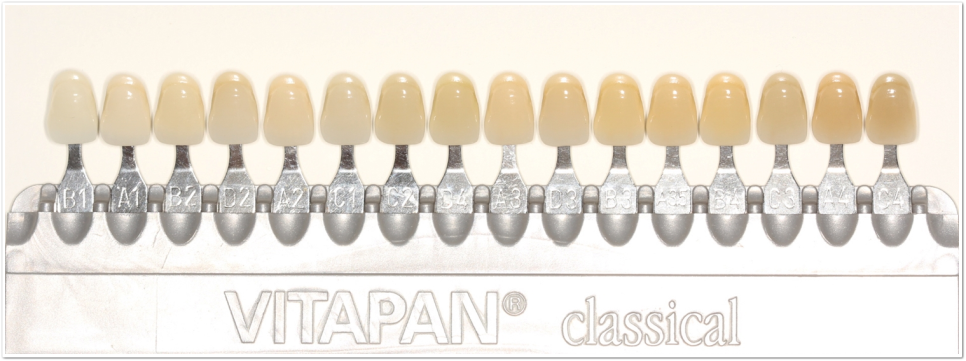
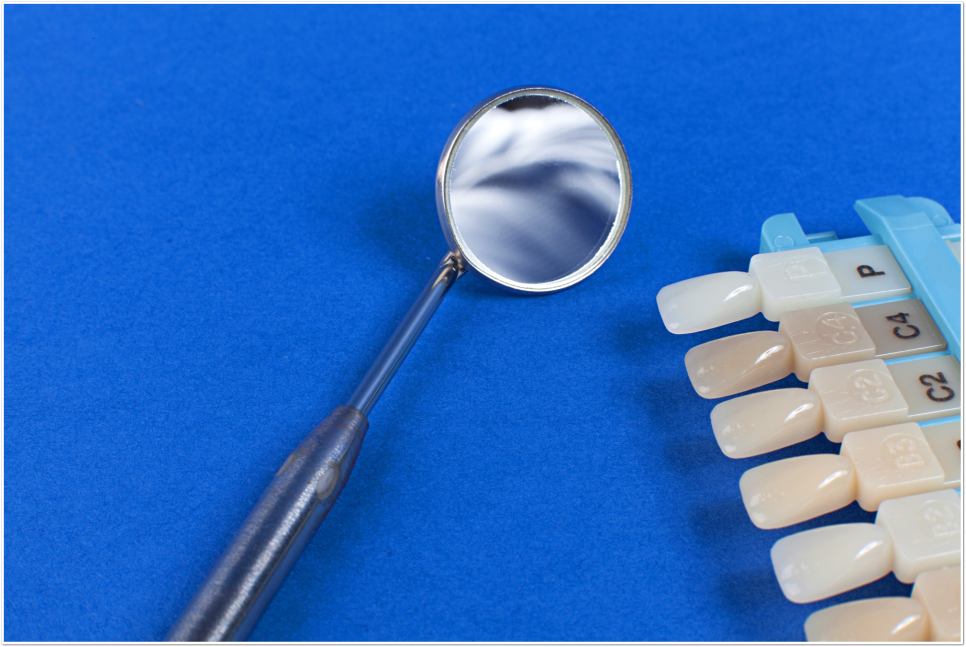
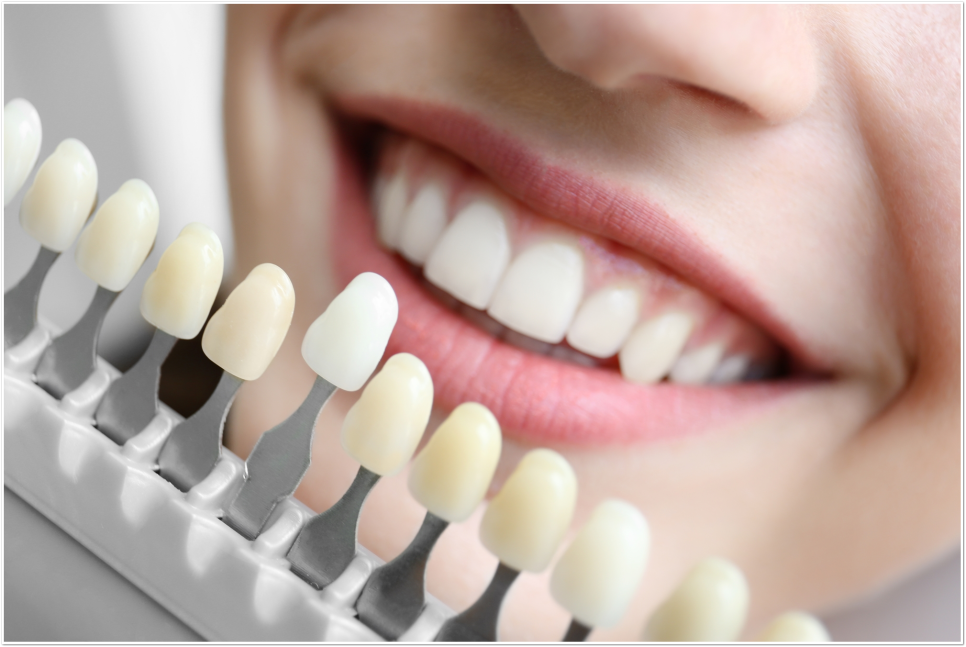
Many people decide to get whitening after looking at the dazzling white teeth of celebrities on TV. But there is an important fact here. Teeth whitening at Myeongdong Station Dental Clinic is a process of restoring the natural brightness your teeth originally had, not artificially creating an entirely new color. The essence of whitening is removing stains caused by coffee, smoking, wine, and similar factors to restore the tooth’s original shade.
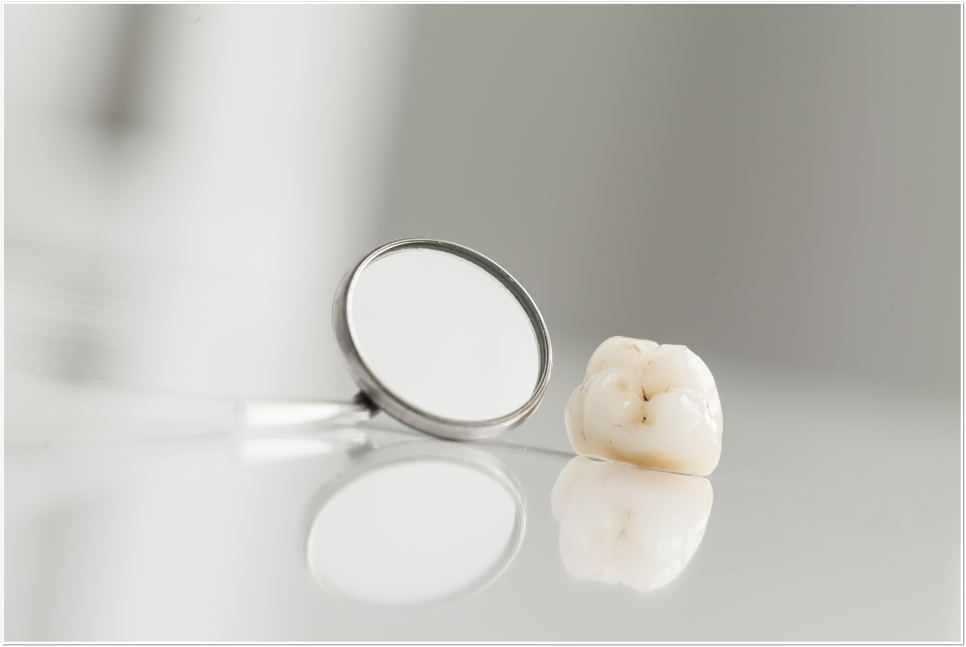
The uniformly perfect white teeth often seen on celebrities are actually, in many cases, the result of prosthetic treatments such as veneers or all-ceramic restorations. Veneers involve lightly reshaping the tooth surface and bonding ceramic material to it, while all-ceramic treatment involves removing more of the tooth and placing a crown. These prosthetic treatments can change not only color but also the shape and alignment of the teeth, but the drawback is that healthy teeth must be reduced. Whitening, on the other hand, is a conservative treatment that improves brightness naturally without damaging the teeth at all. It is important to understand that the realistic goal of whitening at Myeongdong Station Dental Clinic is to make your own healthy tooth shade a few shades brighter.
Q3. Is the whitening effect permanent?
Unfortunately, the effects of teeth whitening are not permanent. In general, the effect lasts for an average of around two years, and this period can vary greatly depending on each person’s lifestyle habits. Because teeth are living tissue, they can become stained again over time, and there is also a tendency for the color to darken naturally with age.
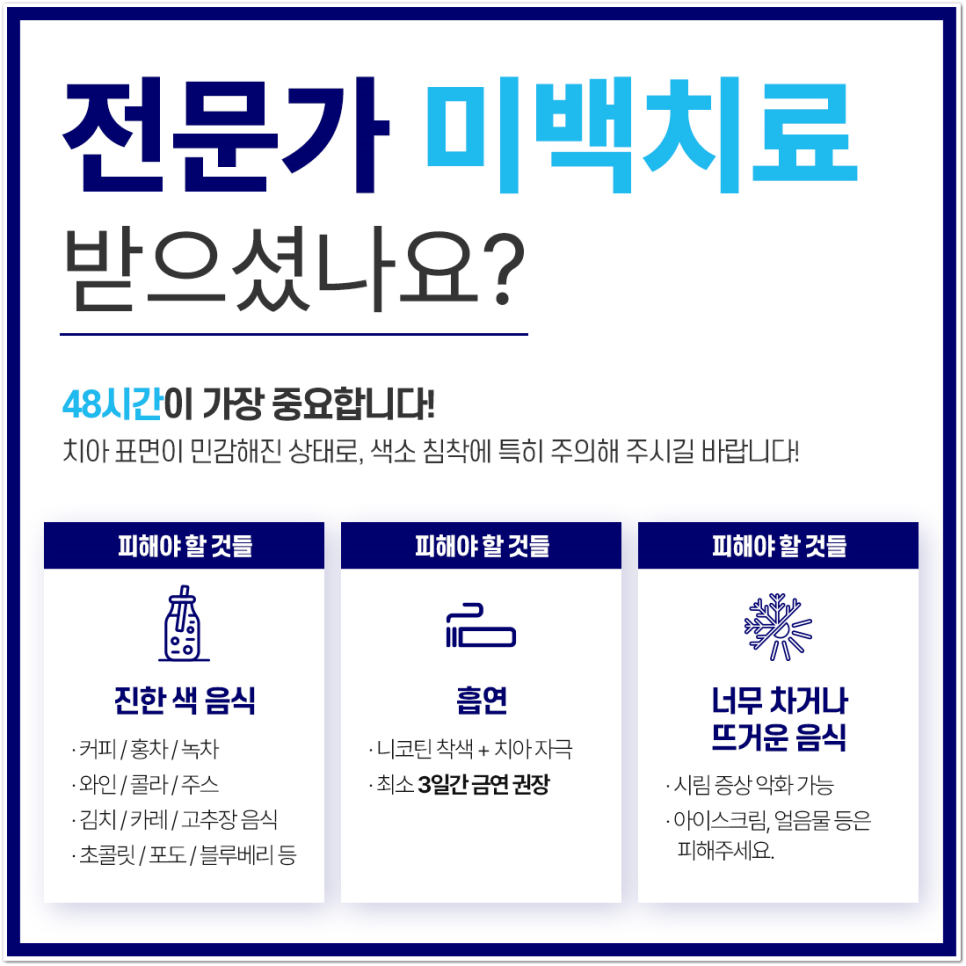
To keep the whitening results at Myeongdong Station Dental Clinic for longer, aftercare is key. First, reduce foods and drinks that cause staining. Coffee, black tea, red wine, curry, and soy sauce are 대표적인 stain-causing foods. Since they cannot be completely avoided, it is a good habit to rinse your mouth with water or brush your teeth after consuming them. Second, smoking is one of the biggest causes of tooth staining, so quitting smoking is essential. Third, regular scaling removes surface stains, and if needed, touch-up whitening every one to two years can help maintain bright teeth. It is important to remember that whitening is not a one-time procedure but a process that requires ongoing care.

Types of whitening methods and selection criteria
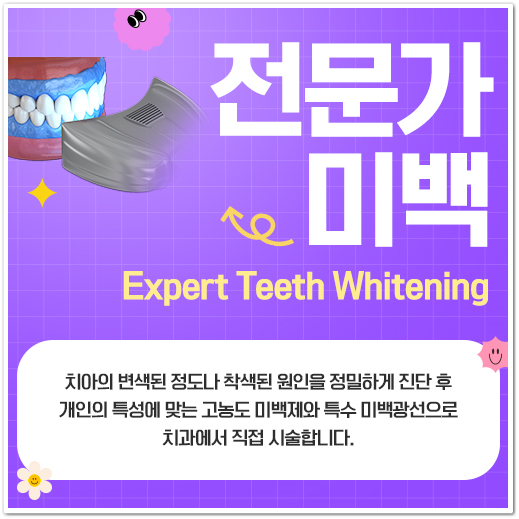
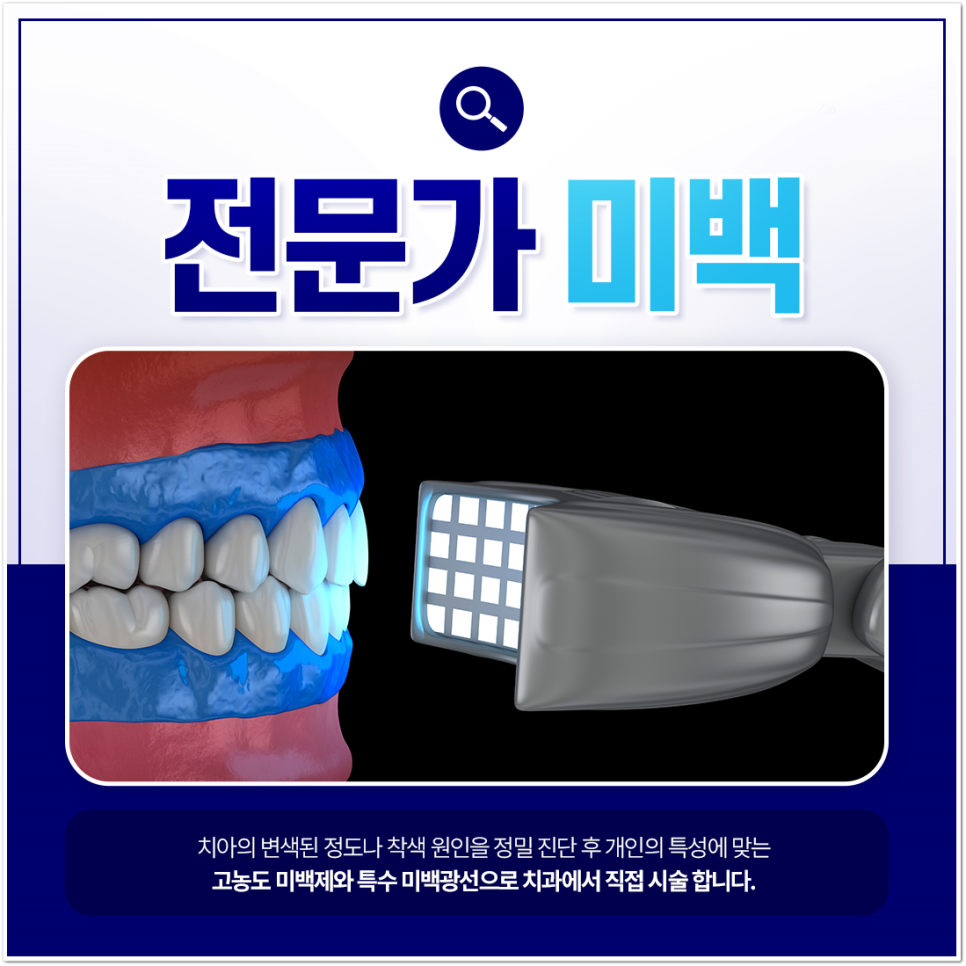
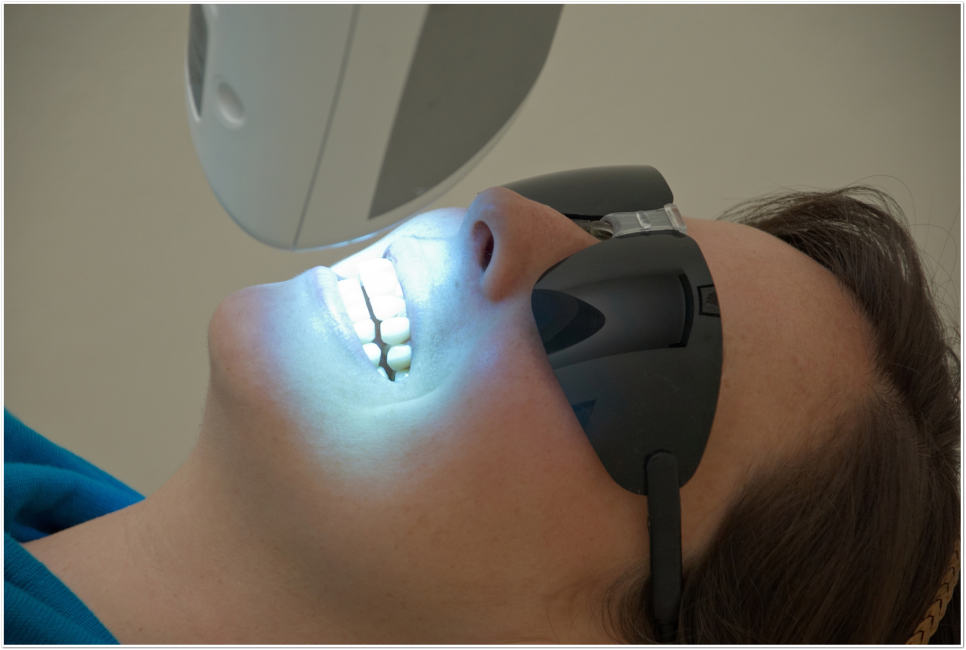
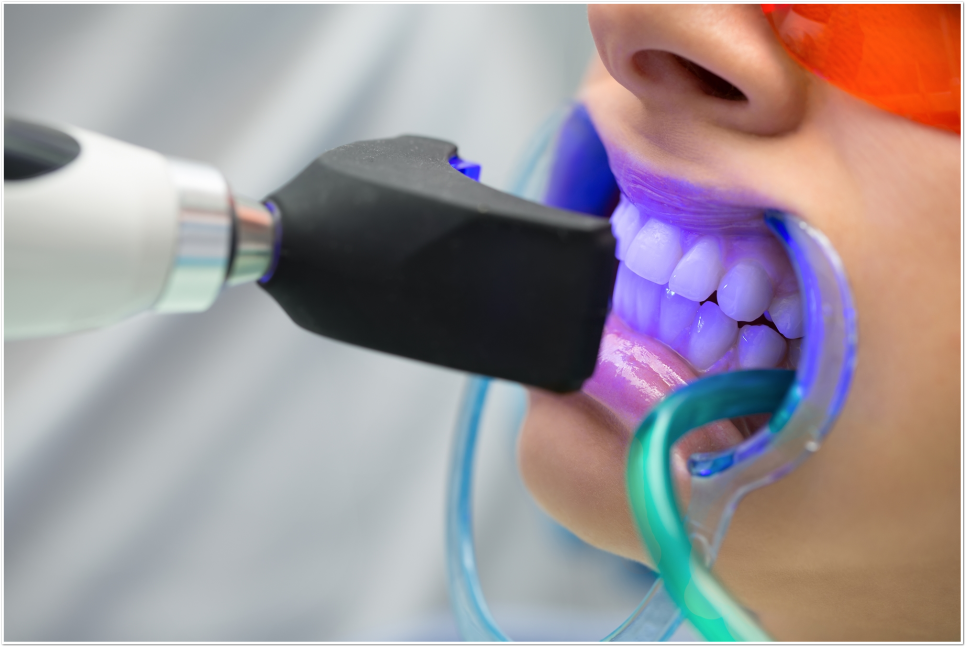
Teeth whitening at Myeongdong Station Dental Clinic is broadly divided into professional whitening and at-home whitening. Professional whitening at Myeongdong Station Dental Clinic is a method that uses a high-concentration whitening agent in the clinic to achieve results in a short time. You can experience a noticeable change in just one procedure, and because it is performed under professional supervision, it offers a high level of safety. In particular, photocatalytic whitening using lasers or LED can maximize the effect of the whitening agent, producing satisfying results in just one or two sessions.
At-home whitening involves having a custom tray made at the clinic and using a low-concentration whitening agent at home. Because it must be worn for a set amount of time every day for about two to four weeks, it takes longer, but you can adjust it to the level you want and the cost is relatively low. Which method to choose should be decided by comprehensively considering your tooth condition, the brightness you are aiming for, your budget, and the time you have available. The important thing is that it should always be done after consulting a dental professional. Over-the-counter whitening products may have little effect or may even damage the teeth, so caution is needed.
Things to check before whitening
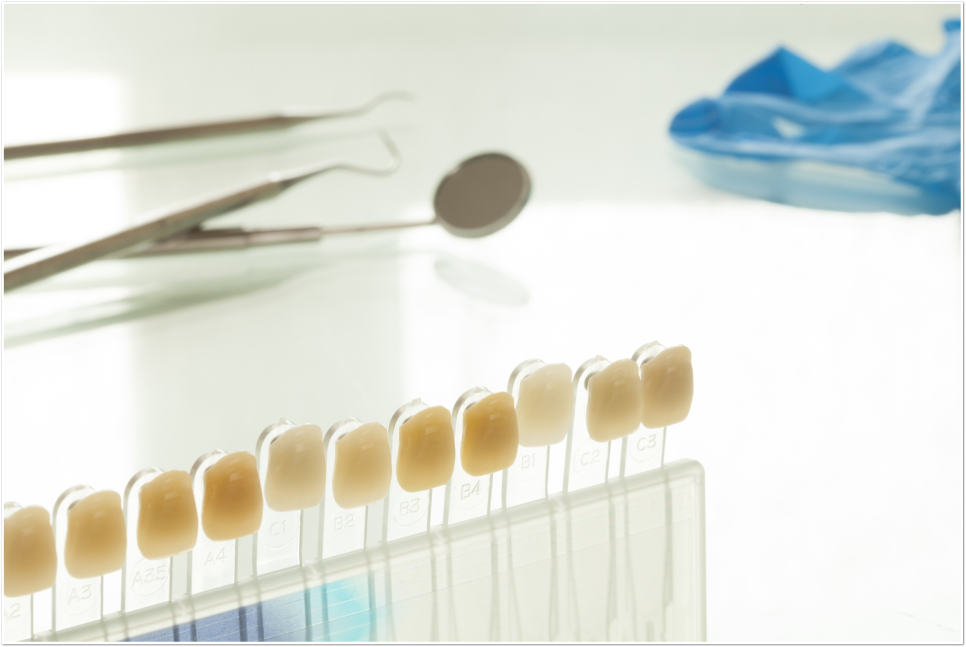
Not everyone can undergo whitening at Myeongdong Station Dental Clinic. First, if you have cavities or gum disease, those conditions should be treated first. If the whitening agent penetrates deeply through damaged tooth tissue, it can cause severe pain, and when inflammation is present, the effect is also reduced. In addition, whitening is not recommended for pregnant women, nursing mothers, or teenagers under 18 because its safety has not been fully verified.
Existing dental work must also be considered. Prosthetic restorations made of resin or porcelain, crowns, and similar restorations do not change color with whitening agents. If you have such restorations on your front teeth, there may be a color difference between the natural teeth and the restorations after whitening, and in some cases the restorations may need to be replaced. Also, if a tooth has a crack or if the enamel is severely worn down, or if the tooth has undergone root canal treatment, the whitening effect may be limited. Therefore, before deciding on whitening, it is essential to receive a thorough examination at the clinic and establish a customized plan that suits your oral condition.
Teeth whitening at Myeongdong Station Dental Clinic is a safe and effective cosmetic treatment when approached correctly. The key is to have realistic expectations based on accurate information grounded in scientific evidence. Rather than aiming for a perfect celebrity-like white, it is important to think in terms of restoring the natural brightness of your own teeth. Instead of unverified folk remedies or low-cost whitening products, consult a dental professional and choose a safe method.
After whitening at Myeongdong Station Dental Clinic, you can maintain the results for a long time through managing stain-causing foods, thorough oral hygiene, and regular dental checkups. If sensitivity or side effects appear, you should consult the medical staff immediately and respond appropriately. Teeth whitening can be a meaningful choice that goes beyond simple outer beauty, helping you regain a confident smile and improve your quality of life. If you approach it wisely with the right information, you can maintain a healthy and bright smile for a long time.










Previous image
Next image










Previous image
Next image