Are you becoming more concerned about your dental health as you enter your 50s? Losing even one tooth can start to make everyday meals and conversations uncomfortable. Implants in your 50s can be more than just a treatment that replaces a lost tooth; they can be an important choice that fundamentally improves your quality of life. However, as you get older, various factors such as bone health and physical recovery speed have a major impact on the success of implant treatment. In this article, we will provide detailed guidance on the precautions you must know when preparing for implants in later adulthood, as well as practical tips for success. In particular, we will help you prepare for Gwanghwamun Station Dental Clinic implants with confidence, focusing on the importance of bone health management and the need for pre-procedure examinations.

As people get older, teeth naturally weaken, and many lose teeth due to gum disease or tooth wear. According to research, about 30% of adults aged 50 and older experience tooth loss. When a tooth falls out, it becomes difficult to chew properly, and problems such as changes in facial shape or unclear pronunciation can occur. Implants for older adults effectively address these issues. Because implants place artificial tooth roots into the jawbone to provide firmly fixed teeth, they help you regain the enjoyment of eating and maintain a confident smile. In particular, the 50s is a time when you should actively invest in health management, and because dental health is closely linked to overall physical health, maintaining oral function through implants at Gwanghwamun Station Dental Clinic is very meaningful.
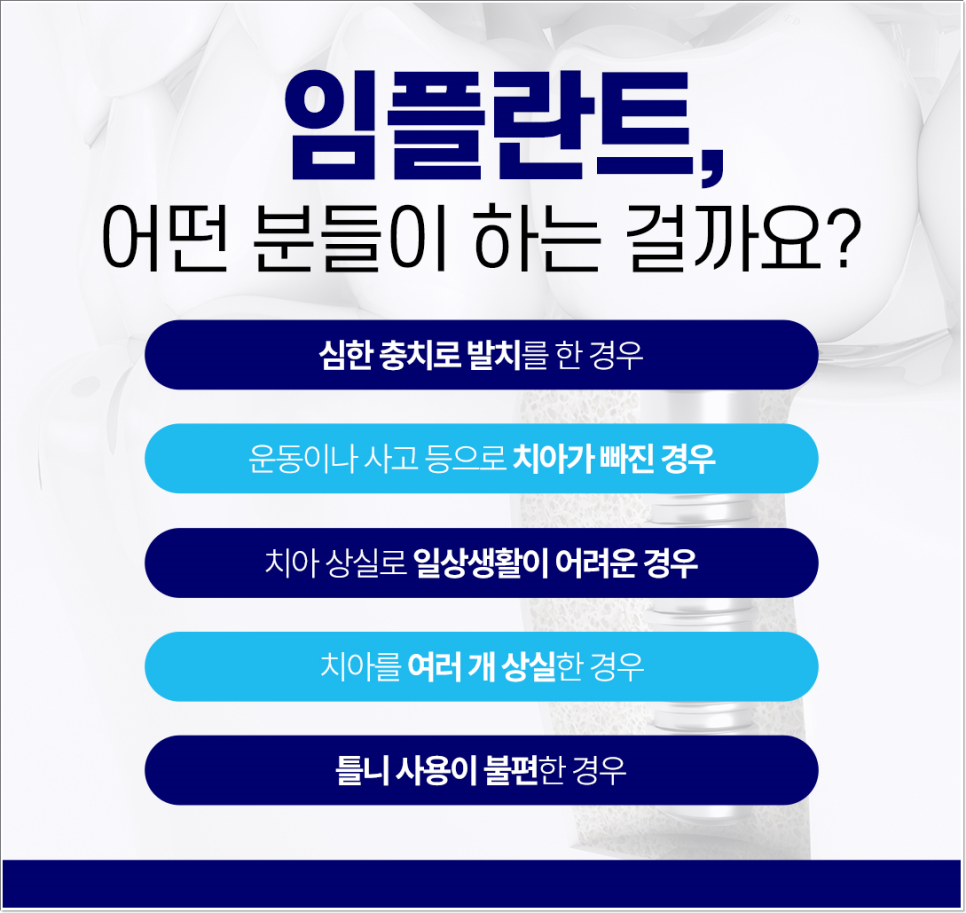
Bone health is a key factor in the success of Gwanghwamun Station Dental Clinic implants. Implants must be firmly secured in the jawbone, and if the bone is weak, this process can be difficult. In people over 50, especially women, bone health is more likely to be weakened due to osteoporosis or reduced bone density. If the bone is weak, there is a risk that the implant may not settle properly or may loosen over time. Therefore, managing bone health is essential. Make sure to get enough calcium and vitamin D. It is good to eat calcium-rich foods such as milk, cheese, and broccoli, and vitamin D-rich foods such as salmon and mackerel; vitamin D can also be supplemented through sun exposure. Light exercise such as walking or yoga helps keep bones strong, so about 30 minutes of walking a day is recommended. Also, smoking weakens bone health and increases the likelihood of implant failure, so it is advisable to try quitting or consult a specialist.
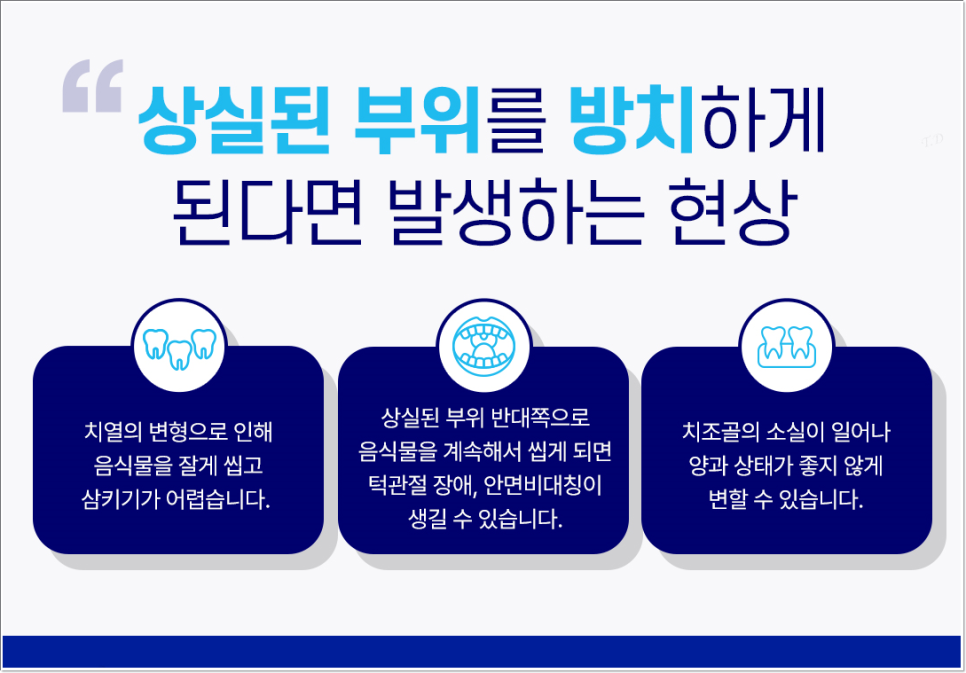
Pre-procedure examinations for Gwanghwamun Station Dental Clinic implants are the first step toward a successful outcome. For people over 50, systemic health conditions such as diabetes and high blood pressure are more likely to affect implants than in younger people, so thorough examinations are essential. X-rays and CT scans are used to check the condition and density of the jawbone to assess whether it can support an implant. In particular, if there is a risk of osteoporosis, a bone density test is performed to check bone health and determine whether additional treatments such as bone grafting are needed. If you have diabetes or cardiovascular disease, it can affect the recovery process, so you must share your medical history with the doctor. These examinations do more than simply look at bone condition; they also help establish a treatment plan tailored to the individual's health status and prevent complications such as inflammation or infection.
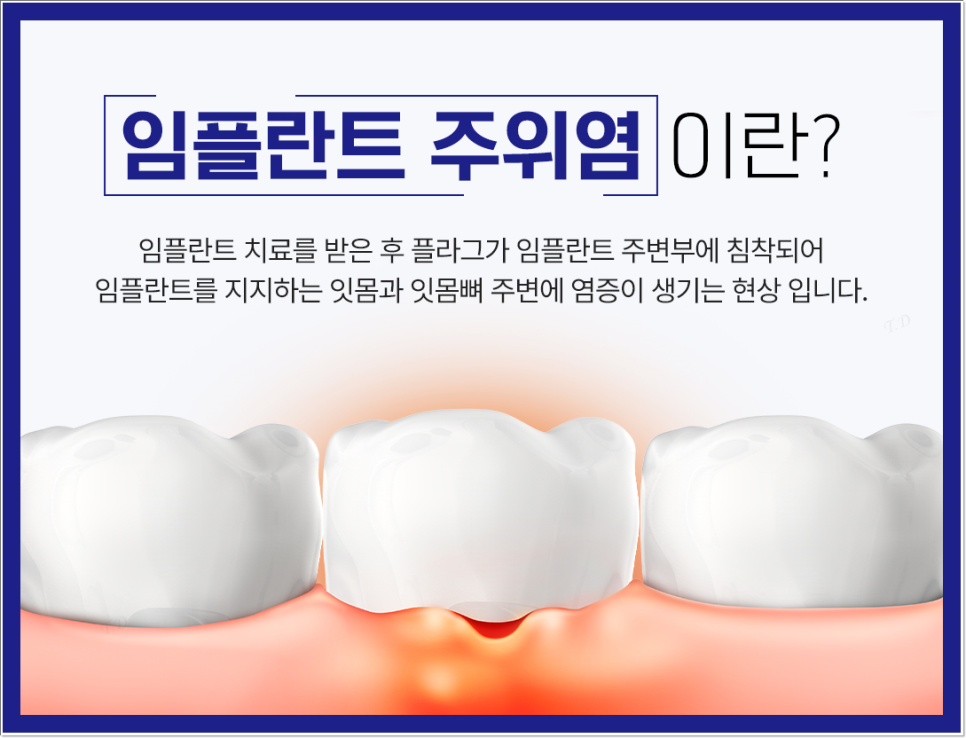
Because people over 50 may recover more slowly than younger people, knowing the precautions for implants in your 50s in advance can significantly reduce the risk of failure. Oral hygiene must be managed carefully. If food particles or plaque build up around the implant, inflammation can occur, so use a soft toothbrush and dental floss to clean thoroughly. Reducing smoking and drinking is also important. Smoking reduces blood flow in the gums and interferes with recovery, while excessive alcohol intake increases the risk of inflammation. Immediately after the procedure, it is best to avoid hard foods such as nuts or chewy meat and instead eat soft foods such as porridge or soup. In addition, problems such as gum inflammation or a loosened Gwanghwamun Station Dental Clinic implant can be resolved if detected early, so if there are any unusual signs such as pain or bleeding, it is important to see the medical staff immediately.
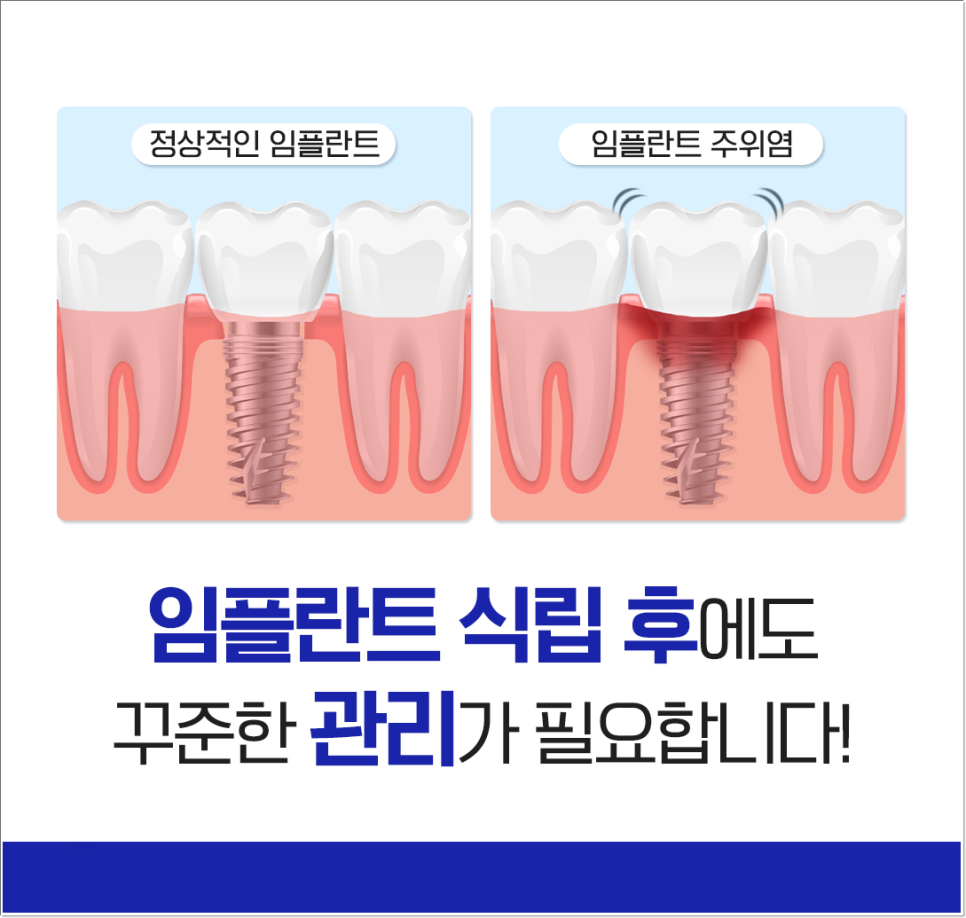
Tips for successful Gwanghwamun Station Dental Clinic implants depend on consistent care before and after the procedure. Here are specific suggestions that people over 50 can follow. Post-procedure care is the most important. For 1 to 2 weeks after the procedure, eat soft foods and avoid foods that are too hot or too cold. Brush gently, and using interdental brushes or a Waterpik can help with more effective care. Regular checkups are also essential. Visit the dental clinic every 6 months to check the condition of the implant. Detecting small problems early can help protect your dental health in the long term. Smooth communication with the doctor is also very important. Before the procedure, organize any questions you have, such as the recovery period or care methods, and discuss them thoroughly with the medical staff. Specific questions such as, "What implant material is suitable for my bone condition?" can be very helpful.
In one real case, a woman in her 60s successfully maintained her implant through thorough pre-procedure examinations and consistent oral care. In the past, she felt discomfort every time she ate, but now she says she can confidently enjoy the foods she likes. As this case shows, investing time in dental care in your 50s can bring great rewards. If properly cared for, implants are a long-term investment that can last 10, 20 years, or even longer. Therefore, the key to success is not neglecting initial care and regular checkups.

As you get older, dental health has an increasingly greater impact on your quality of life. Implants in your 50s can be successful if you manage bone health well and prepare thoroughly with pre-procedure examinations. If you maintain oral hygiene, adjust your lifestyle habits, and communicate well with the medical staff, Gwanghwamun Station Dental Clinic implants can become a reliable support for a long time. Start checking your dental health and consulting a specialist now. A healthy smile will help preserve your confidence regardless of age. If you are considering implants, do not hesitate; start by visiting a dental clinic to accurately understand your condition. Dental care in your 50s is not too late at all—in fact, now is the best time to prepare for a healthy later life.
Frequently asked questions: Is it okay to get implants in your 50s? Yes, absolutely. For dental care in your 50s, checking bone health and overall health increases the success rate. After the examinations, consult a specialist to create a personalized plan.
If the bone is weak, can you not get implants? Bone health is important for implants, but even if the bone is weak, the procedure may still be possible with methods such as bone grafting. Check suitability through a bone density test.
What is the most important care method after Gwanghwamun Station Dental Clinic implants? Oral hygiene is key. Use a soft toothbrush and dental floss, and do not skip regular checkups. Consistent care for implants in older adults is the secret to success.
How should you prepare before the procedure? Get pre-implant examinations such as X-rays, CT scans, and health checks, and adjust your lifestyle habits by reducing smoking and drinking. It is also very important to communicate sufficiently with the medical staff.