Jonggak Dental Clinic: Why is ‘precision diagnosis’ the most important factor for implants in older adults?

After losing teeth in your 50s or later, the first concern that comes to mind is often, "Is it okay to get implants at this age?" Many people considering implants in their 50s or 60s hesitate because they see age itself as an obstacle. However, age is not what determines whether implant treatment is possible. The condition of the bone, gum health, control of systemic diseases, and a consistent commitment to care all influence the outcome. Even in older adults, if a precise diagnosis is used to accurately assess and prepare for the individual oral environment, stable implants that are maintained long term are possible.
How the amount of alveolar bone affects implant success
As people age, alveolar bone tends to be naturally resorbed. After a tooth is lost, the bone gradually becomes thinner or lower over time. For this reason, implant problems such as insufficient alveolar bone often occur in implants for older adults. That is why it is essential to accurately evaluate the height, width, and density of the bone through a CT scan. If there is not enough bone, additional treatment such as bone grafting or sinus lifting should be performed first to create an environment where the implant can be securely fixed. On the other hand, if the bone condition is good, a success rate similar to that of a healthy adult can be expected even at an older age. Bone condition is a much more important variable than age, and accurately identifying it is the first key to implants for older adults at Jonggak Dental Clinic.

Why evaluating gum and periodontal condition is important
Many older patients have a history of periodontitis. Periodontitis weakens the gums and the bone supporting the teeth, and it is a major cause of tooth loss. The problem is that if there has been a history of periodontitis, the gum tissue may become thinner, the gum line may collapse, and inflammation may remain even after it seems to have subsided. Performing implants in this condition increases the risk of peri-implantitis after treatment. Therefore, when planning implants for periodontitis, the gum condition must be improved first. It is safer to control inflammation through scaling and periodontal treatment, and then place the Jonggak Dental Clinic implant after the gums have recovered to a healthy state. Since gum condition is directly linked to the long-term survival rate of implants, this area must be checked carefully, especially in older adults.
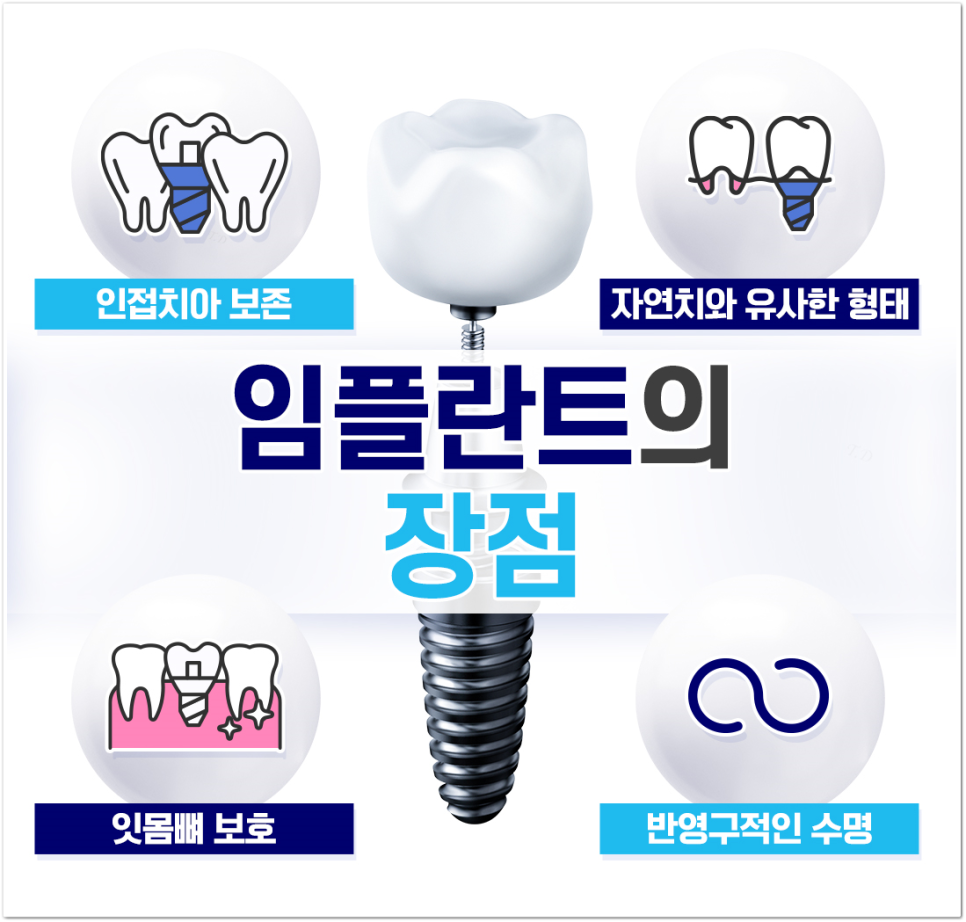
In older adults, systemic diseases such as diabetes, high blood pressure, osteoporosis, and cardiovascular disease are common. These conditions can affect implant treatment, but treatment is still possible if they are well controlled. In the case of diabetes and implants, if blood sugar levels are unstable, osseointegration may be delayed and the risk of infection may increase. Therefore, it is recommended to keep HbA1c at 7% or below. For osteoporosis and implants, bone density may be low and initial stability may be weak, so the history of osteoporosis medication use and bone quality must be closely checked. If a patient has high blood pressure or cardiovascular disease, they are often taking anticoagulants or blood pressure medication, so it is safer to collaborate with their internal medicine doctor, taking into account bleeding risk and drug interactions. Having a systemic disease does not mean implants are impossible; if the levels are controlled to some extent, the treatment is not greatly different from that for the general population.
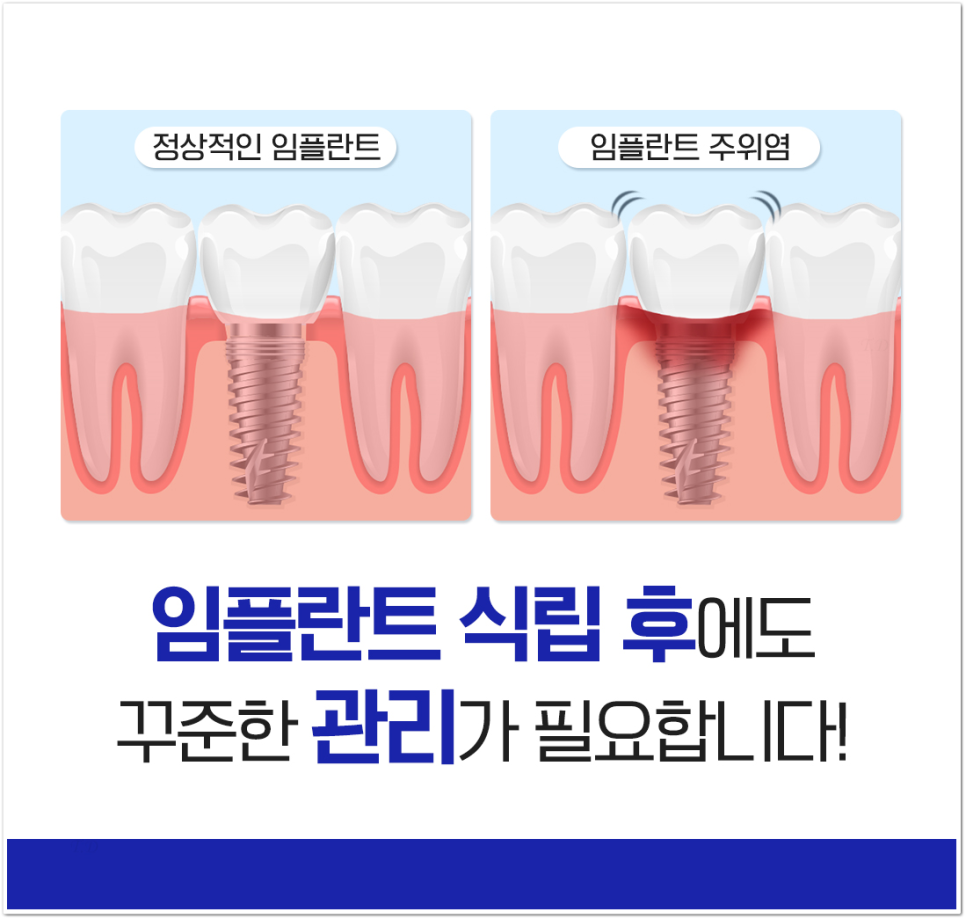
Common complications in older adults and prevention strategies
One of the complications that requires the most caution in Jonggak Dental Clinic implants for older adults is peri-implantitis. As people age, immunity weakens, dry mouth symptoms may appear, and toothbrushing may become less thorough, making them more vulnerable to bacterial infection. In addition, as teeth are used over a long period of time, changes in bite force or tooth wear can place excessive force on prosthetics, increasing the risk of damage. To prevent these complications in older adults, regular checkups are essential. Usually, patients should visit the dental clinic every 3 to 6 months for specialized scaling, bite checks, and inspection of whether there are any issues with the screws or structure of the prosthesis. In particular, if dentures or partial dentures are used together, careful management is needed so that the implant and dentures do not affect each other. Maintenance after treatment is even more important for Jonggak Dental Clinic implants, and it is important to remember that whether or not they are managed determines the success rate.
Key checklist to increase implant success in older adults
There is no need to give up on Jonggak Dental Clinic implants simply because of older age. However, an accurate diagnosis and thorough preparation are necessary.
First, the amount of alveolar bone should be accurately assessed through a CT scan, and if there is a deficiency, reinforcement procedures such as bone grafting should be considered first.
Second, gum health is safer when treatment is carried out after periodontitis has been fully treated, and it is better not to rush treatment while inflammation remains.
Third, systemic diseases should be treated safely after confirming that the values are controlled, and collaboration with the attending physician is also important. Fourth, after treatment, maintaining oral hygiene and receiving regular scaling are essential, and through this, long-term success can be ensured.
Ultimately, what determines the success rate of implants at Jonggak Dental Clinic is not age. It is the current condition of the mouth, overall health, and a consistent willingness to maintain care. If supported by a precise diagnosis and systematic management, both implant treatment in the 50s and implant treatment in the 60s can achieve successful results.