
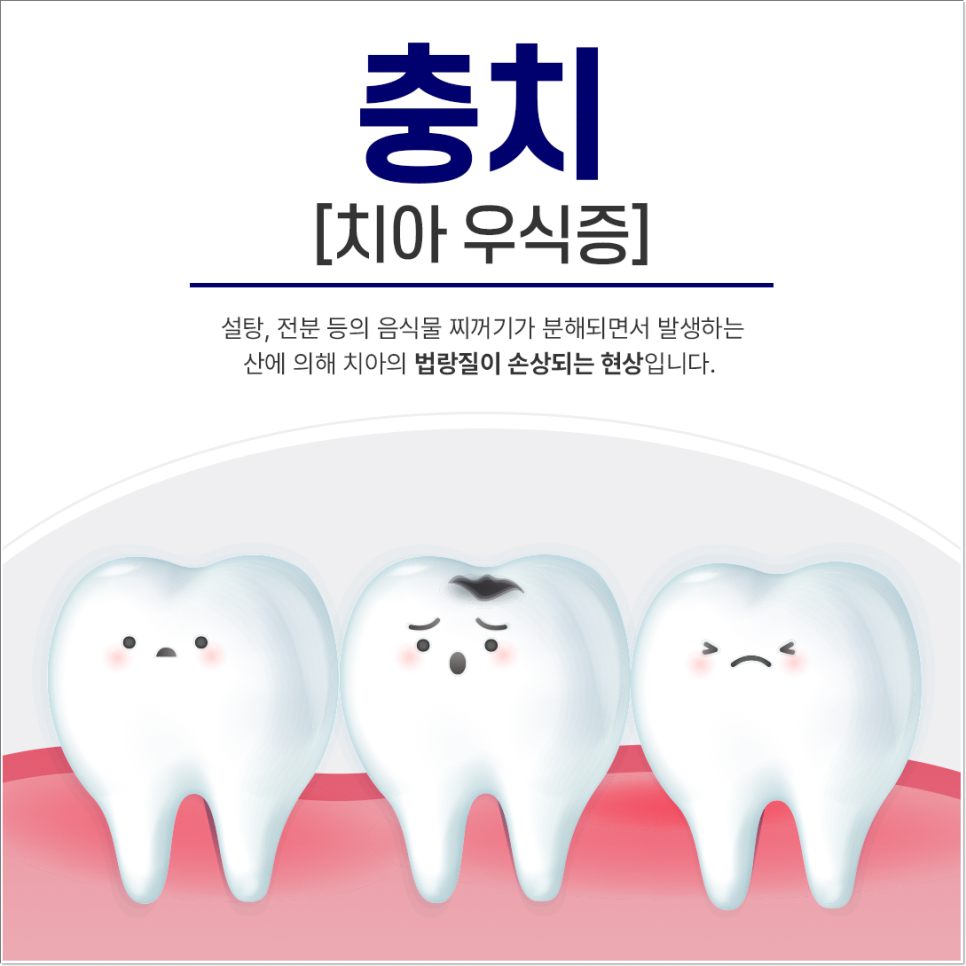
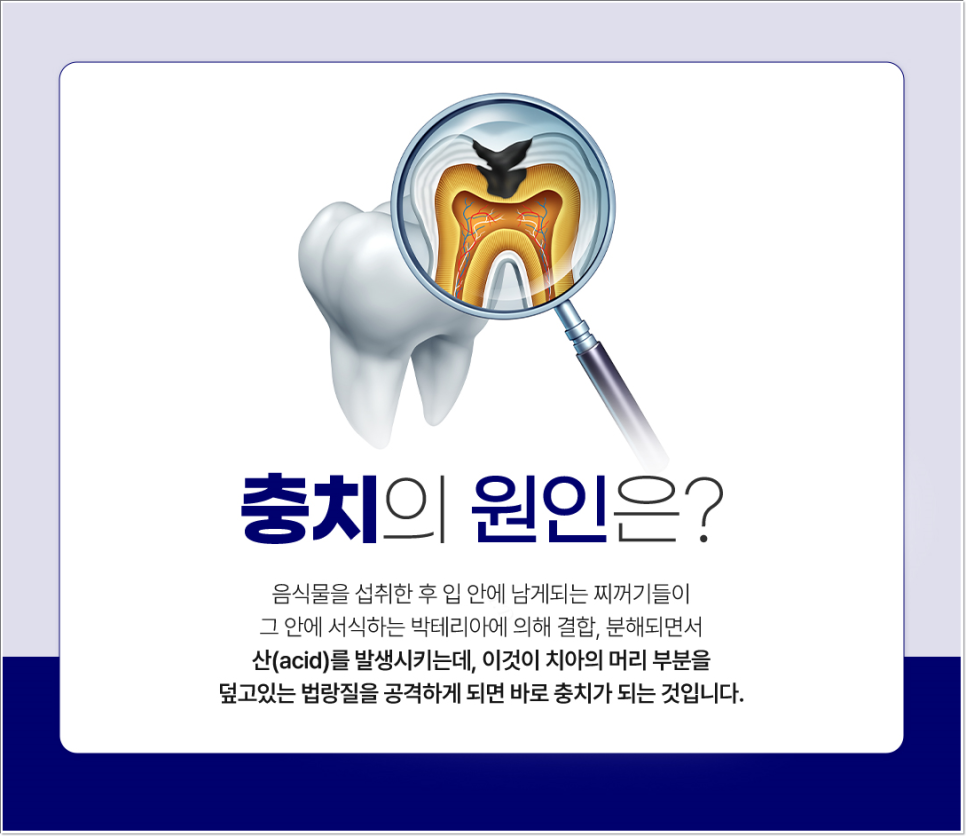
A cavity is the most common oral disease, experienced by more than 90% of adults in Korea. In the early stage, only the enamel on the tooth surface is damaged, but if left untreated, the infection progresses through the dentin and reaches the nerve inside the tooth. Many people think, "A little sensitivity is probably fine," and delay visiting the dentist, only to end up going to the emergency room because of severe pain. In particular, when temporary sensitivity appears and then disappears while eating cold water or hot food, some people feel relieved, but this was a sign that the cavity was getting deeper.
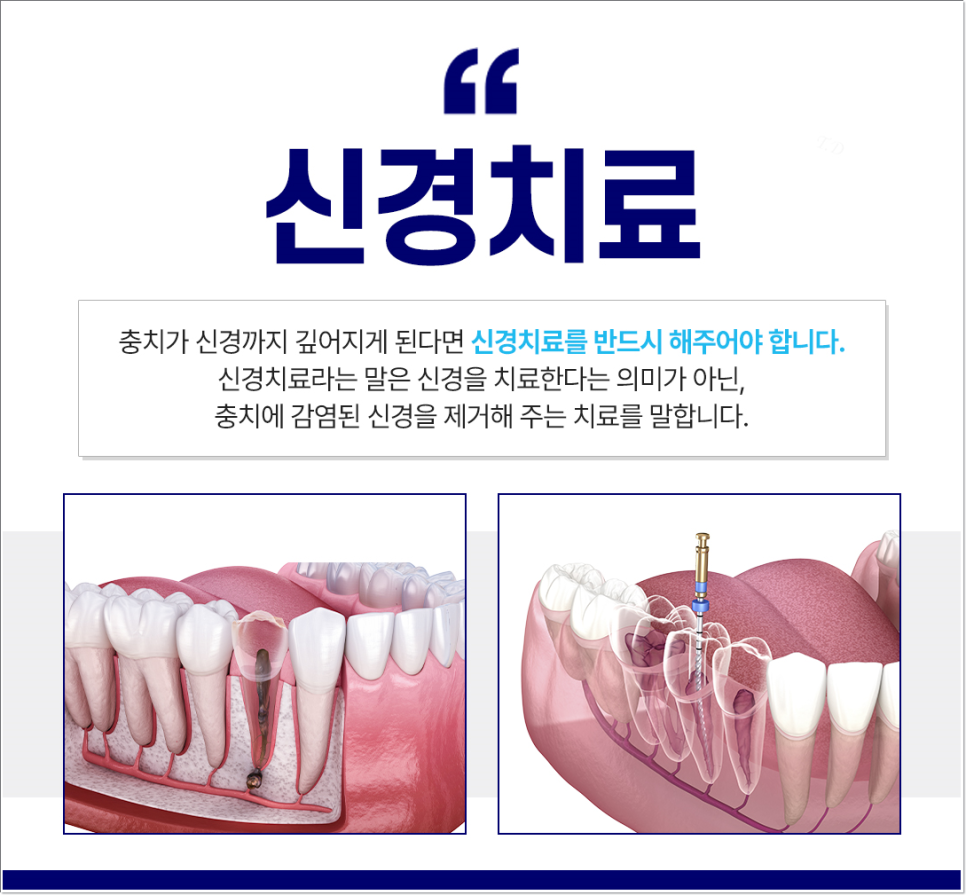
When a cavity reaches the nerve, spontaneous pain occurs. The throbbing pain continues even without any stimulus, and in some cases it becomes so severe that sleep at night is impossible. At this stage, simple cavity treatment is no longer enough, and root canal treatment must be performed. When the nerve tissue becomes infected by bacteria, the inflammatory response expands the blood vessels and compresses the nerve, causing extreme pain. Sometimes it can also develop into systemic symptoms such as facial swelling or swollen lymph nodes.
Clear signs that root canal treatment is needed at Jonggak Station Dental Clinic
There were several clear symptoms that could help determine whether root canal treatment was necessary at Jonggak Station Dental Clinic. First, pain that continued for more than 5 minutes even after a cold or hot stimulus disappeared. This meant the nerve had been irreversibly damaged. Second, a sharp, stabbing pain occurred every time you chewed on a specific tooth. This was a sign of apical periodontitis, in which inflammation developed at the tip of the tooth root. Third, a small pus-filled pocket appeared on the gum and then disappeared repeatedly. This was the process by which the infection inside the tooth was discharged through the root tip.
Tooth discoloration also needed close attention. In particular, a tooth turning gray or brown could be a sign that the internal nerve tissue had become necrotic. If a tooth had been injured by trauma, discoloration could appear months later as the nerve slowly died, even if there were no symptoms at the time. In such cases, even if there was no pain, root canal treatment was needed if an X-ray showed a lesion at the root tip. If left untreated, the bone around the tooth could also be damaged, making treatment more complicated.
The root canal treatment process was precise and systematic
Root canal treatment at Jonggak Station Dental Clinic was also called endodontic treatment, and it involved removing the infected nerve tissue, disinfecting the root canal, and then sealing it. First, after local anesthesia, an access hole was made in the tooth to expose the pulp chamber. Next, a fine instrument called a file was used to gradually remove the infected nerve tissue and dentin. In this process, accurately measuring the length of the root canal was important, and an apex locator or X-ray was used to reach the exact end of the tooth root.
After the root canal was thoroughly cleaned, disinfectant was placed inside and the tooth was temporarily sealed. If the infection was severe, the disinfection process had to be repeated several times. Once the symptoms had completely disappeared and there were no problems on X-ray, the root canal was finally sealed with a rubber-based filling material. This process varied depending on the number and complexity of the tooth roots. Front teeth have one root, but molars have 3 to 4 roots with multiple canals in each, so treatment had to be even more precise. At Jonggak Station Dental Clinic, which uses a microscope, even tiny canals invisible to the naked eye could be found and treated.
There was a reason a crown restoration was needed after root canal treatment
Teeth that had completed root canal treatment at Jonggak Station Dental Clinic gradually weakened because their blood supply was cut off. Compared with living teeth, they lost moisture, became less elastic, and became more prone to fracture. In particular, molars that bear a lot of chewing force had to be protected with a crown after root canal treatment. If they were used without a crown and the tooth split vertically, extraction was usually necessary. Once a vertical crack occurred, recovery was impossible with any treatment.
Before placing a crown, the inside of the tooth was filled with a reinforcing material called a core to increase strength. In cases where the tooth structure had been severely damaged, a support called a post was inserted into the root canal to provide additional support. There were various crown materials. For front teeth, all-ceramic crowns were often chosen for aesthetics, while zirconia, which offers excellent strength, was mainly used for molars. A root canal-treated tooth that received appropriate prosthetic treatment at Jonggak Station Dental Clinic could be used healthily for more than 10 years.
Preventing cavities was the best way to avoid root canal treatment
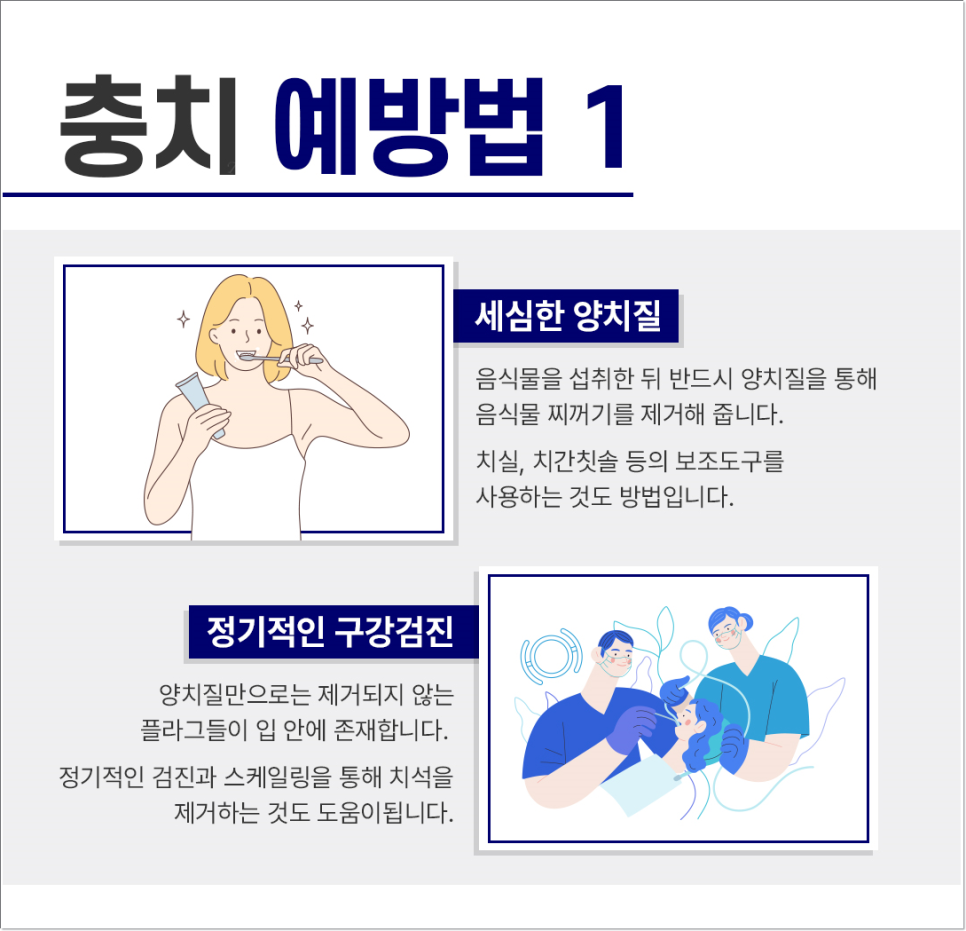
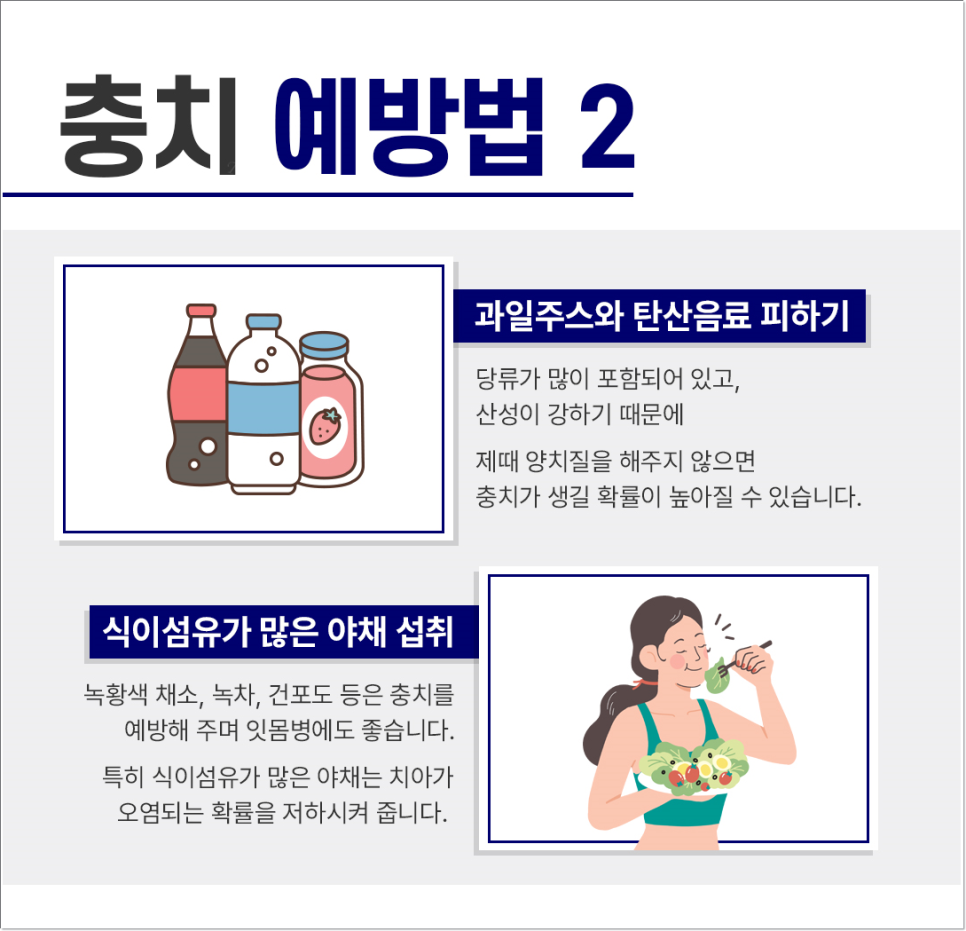
If you prevent cavities, you will not need root canal treatment. The most basic preventive measure was proper brushing. It was important to follow the 3-3-3 rule: brush 3 times a day, within 3 minutes after meals, for 3 minutes each time. Brushing before bed was especially important because saliva production decreases during sleep, allowing bacteria to multiply more easily. A toothbrush alone cannot clean between teeth well, so floss or interdental brushes should be used every day. The chewing surfaces of molars and the spaces between teeth were the areas where cavities most often developed.
Regular checkups at Jonggak Station Dental Clinic were also essential. If you had a routine exam every 6 months, early cavities could be detected and treated with simple procedures. Early cavities have no symptoms, so they are difficult to notice on your own, which is why a professional diagnosis is needed. Scaling removes tartar, helps maintain gum health, and reduces the risk of cavities. Fluoride application and sealant treatment were also effective for cavity prevention. In particular, for children, sealants on the molars could significantly reduce the rate of cavities.
Care after root canal treatment determined the lifespan of the tooth
Even a tooth that had undergone root canal treatment at Jonggak Station Dental Clinic could be used for a lifetime with proper care. Right after treatment, it was best to chew food slowly and carefully. The tooth might temporarily become sensitive or slightly uncomfortable, but in most cases this disappeared within a few days. If the pain gradually became worse or swelling occurred, you should visit the dentist immediately. Regular checkups were also necessary after placing a crown, because secondary cavities can develop at the border between the crown and the natural tooth.
Caution was needed when chewing hard or chewy foods. Biting ice or nut shells, or forcefully chewing tough foods like dried squid, could crack the crown or damage the tooth. If you had a habit of clenching your teeth or grinding them, wearing an orthodontic mouthguard could help. Nighttime teeth grinding is often not noticed by the person themselves, but if your jaw feels sore in the morning or there are signs of tooth wear, you should consult a healthcare professional. With proper care and regular checkups at Jonggak Station Dental Clinic, a tooth that had undergone root canal treatment could remain healthy for a long time.









 Previous image
Next image
Previous image
Next image