
�
�
�
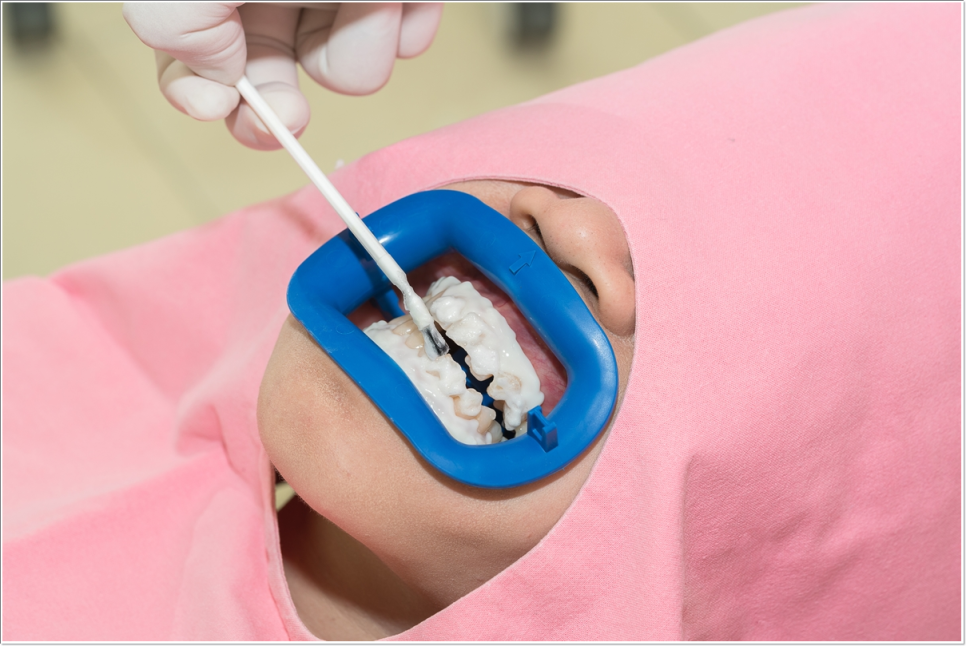
One of the questions people considering teeth whitening at a Jongno dental clinic are most curious about is, "How long does the whitening effect last?" But the answer to this question is not as simple as it might seem. It is difficult to answer with a clear number such as a few months or one year because tooth color is not fixed. Teeth are made up of two main structures: enamel (the hard outer layer of the tooth) and dentin (the yellowish layer beneath it), and these structures are continuously affected by food, drinks, and lifestyle habits. Teeth whitening is not a process of "adding" color to the tooth surface; it is a process of removing accumulated stains and revealing the tooth's natural bright tone. Therefore, if your lifestyle remains the same after whitening, it is natural for new staining to occur again, and because the speed of this varies greatly from person to person, it is difficult to give a uniform standard.
�
�
The generally known standard for how long whitening lasts
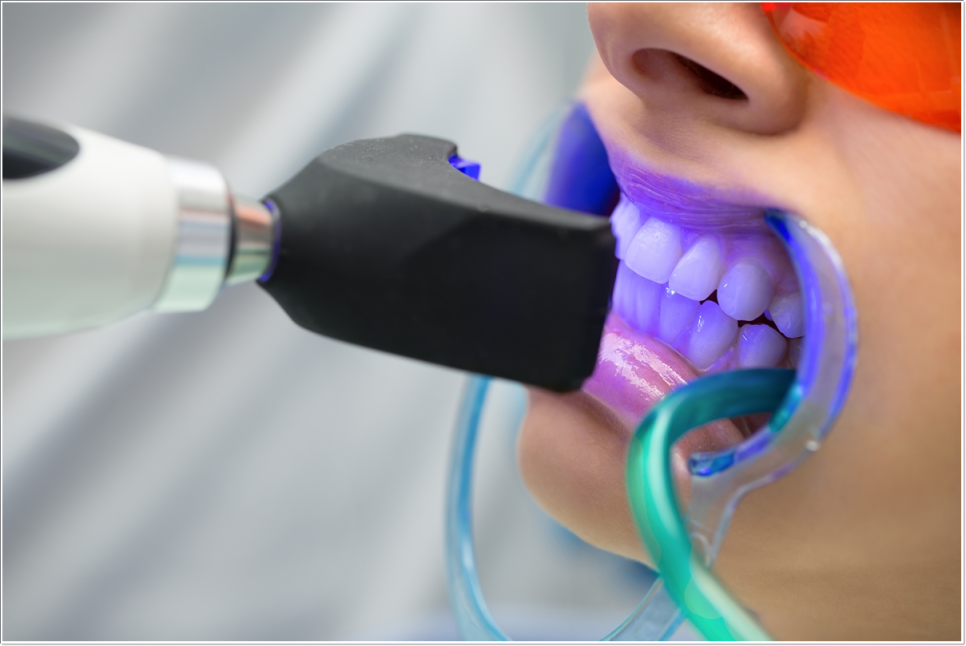
In general, the whitening effect at a Jongno dental clinic is said to last from as little as several months to as long as more than one year. However, this range is very broad, and the actual duration depends on each person's lifestyle. The biggest factors that determine how long the whitening effect lasts are how often stain-causing drinks are consumed, whether the person smokes, and how well oral hygiene is maintained. Drinks such as coffee, black tea, red wine, and cola leave pigments on the tooth surface, and smoking causes tar and nicotine to settle on the teeth, leading to rapid restaining. The important point here is to understand it not as "the whitening effect disappears," but rather as "restaining accumulates." When teeth that have been lightened by whitening become darker again, it is not that the effect is gone; it is a sign that new staining substances are building up again.
�
�
How tooth structure affects how long whitening lasts
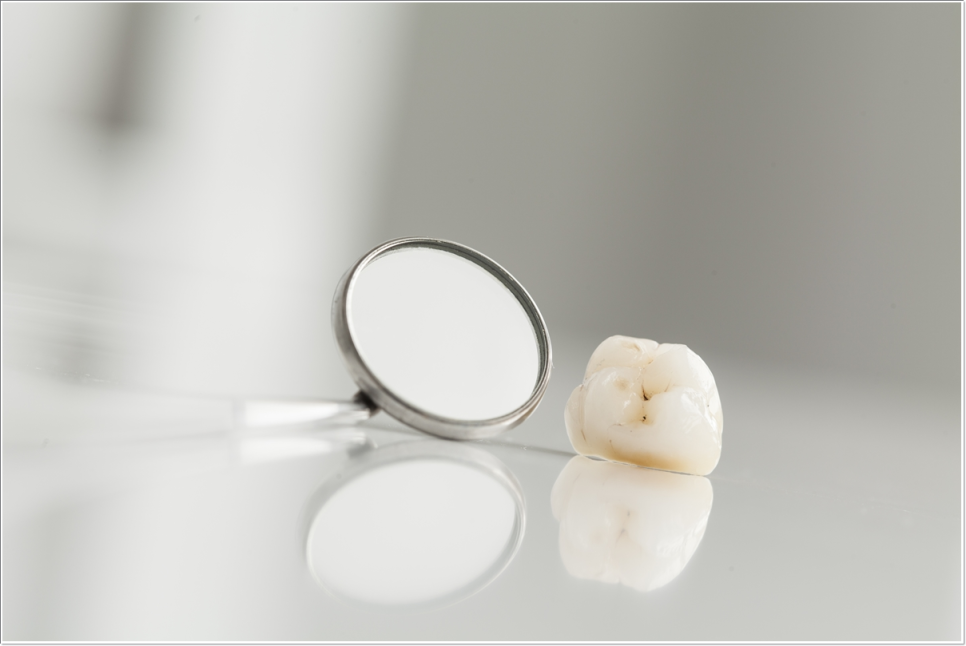
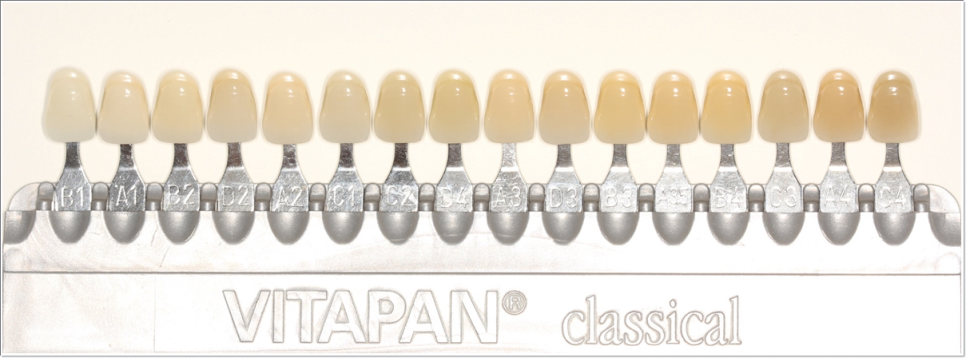
Even when the same whitening treatment is done at a Jongno dental clinic and the same lifestyle habits are maintained, the duration of the effect differs from person to person because of structural differences in the teeth. Enamel is the translucent layer that covers the tooth surface, and its thickness and transparency affect the whitening response and how long the results last. If the enamel is thin or highly transparent, the yellow tone of the dentin beneath it may show through more, so the whitening effect may appear less pronounced or seem to fade more quickly. On the other hand, when the enamel is thicker and less transparent, the whitening effect tends to appear more clearly and last longer. In addition, as people age, dentin naturally becomes more yellow, and the enamel becomes thinner and worn down. These structural changes can also make the whitening effect at a Jongno dental clinic feel shorter than it does for younger people. In the end, even if people drink the same coffee and have the same brushing habits, the duration of whitening results differs depending on tooth structure.
�
�
Why lifestyle habits greatly affect how long results last
If you want the whitening effect at a Jongno dental clinic to last longer, managing your lifestyle habits is essential. Coffee, black tea, red wine, curry, soy sauce, tomato sauce, cola, and berries are representative foods and drinks that cause staining. However, the important issue is not simply whether you eat or drink these items, but how often and for how long they come into contact with your teeth. For example, sipping coffee little by little throughout the day causes far more staining than drinking it at once and rinsing right afterward. Also, if you have dry mouth or tend to breathe through your mouth, reduced saliva production allows staining substances to remain on the teeth longer. The same applies when you do not drink enough water. People who feel that the whitening effect fades quickly usually tend to drink stain-causing beverages often, do not rinse with water immediately after consuming them, and brush irregularly. These lifestyle patterns are major causes of the whitening effect diminishing in a short period of time.
�
�
Common traits of people whose whitening results last longer
People who maintain the whitening effect at a Jongno dental clinic for a long time usually rinse their mouths with water immediately after drinking stain-causing beverages, or use a straw to minimize contact with their teeth. This is a simple but effective way to prevent staining substances from staying on the tooth surface for too long. In addition, the more thoroughly someone manages plaque and tartar, the longer the whitening effect lasts. Plaque is a bacterial film that builds up on the tooth surface, and because staining substances adhere to it more easily, restaining happens faster if plaque is not removed. Regular scaling (tartar removal) is not just for gum health; it also plays a structural role by keeping the tooth surface smooth and helping reduce staining. Whitening toothpaste does not create a new whitening effect, but it can help prevent and remove light surface stains. Brushing regularly two or three times a day and using dental floss or interdental brushes to remove food particles between the teeth also plays an important role in maintaining the whitening effect from a Jongno dental clinic over the long term.
�
�
The correct standard to remember when evaluating whitening results
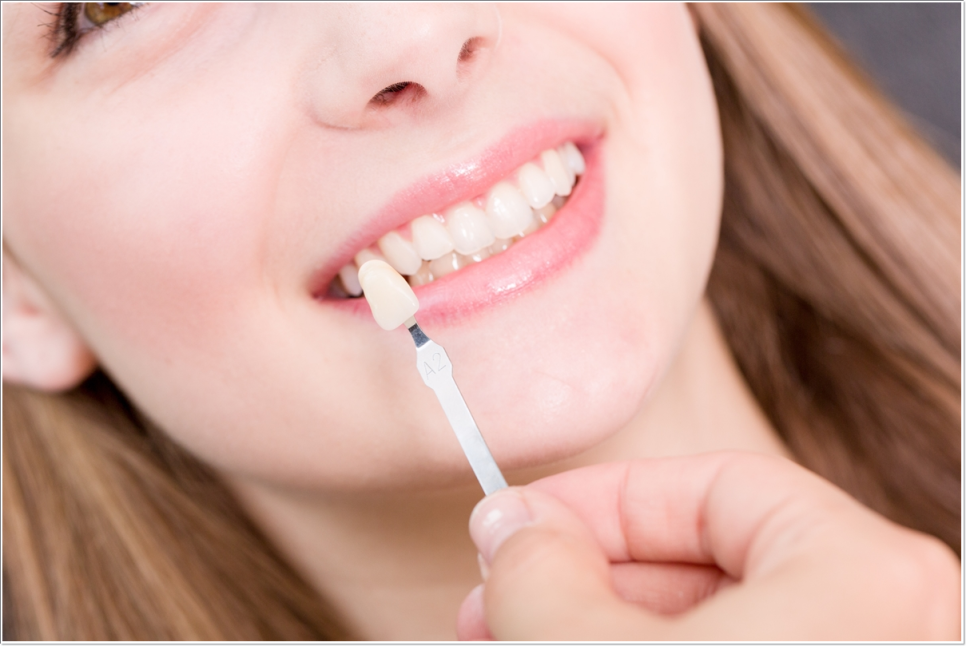
After teeth whitening at a Jongno dental clinic, it is unrealistic to expect the teeth to remain in a completely white state forever. It is normal for the brightest tone immediately after whitening to gradually become a little darker over time, and this does not mean the whitening failed; it is a natural tonal change that occurs in daily life. The important thing is to distinguish between "natural tonal change" and "rapid restaining." If your teeth seem to have returned to their original color within just a few weeks after whitening, there is a high chance that there is an issue with lifestyle habits or oral hygiene management. It is normal for whitening results to decrease gradually, and it is important to establish a maintenance strategy suited to your personal lifestyle and tooth structure. Preventing staining and maintaining stable oral hygiene is more effective and safer in the long run than repeating whitening frequently. You should remember that teeth whitening at a Jongno dental clinic is not a one-time process, but a process in which aftercare determines the result.
�
�
�










Previous image
Next image










Previous image
Next image
�