
Previous image
Next image
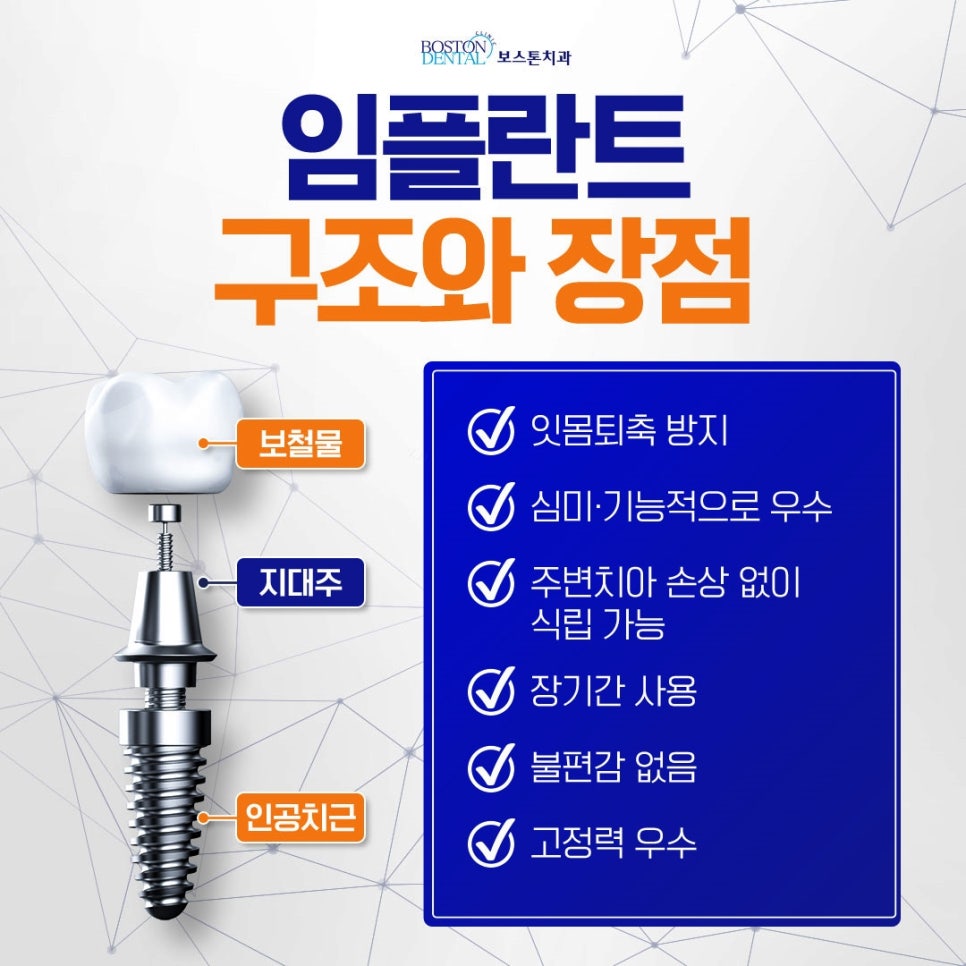
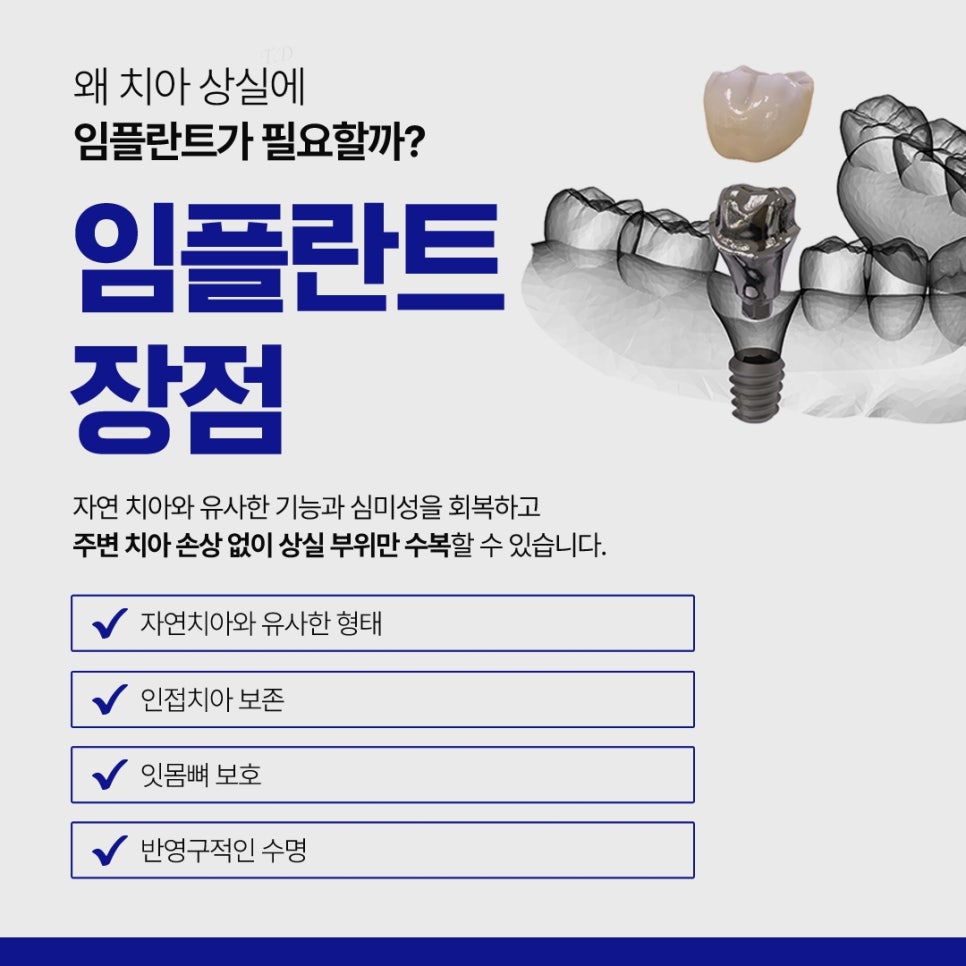
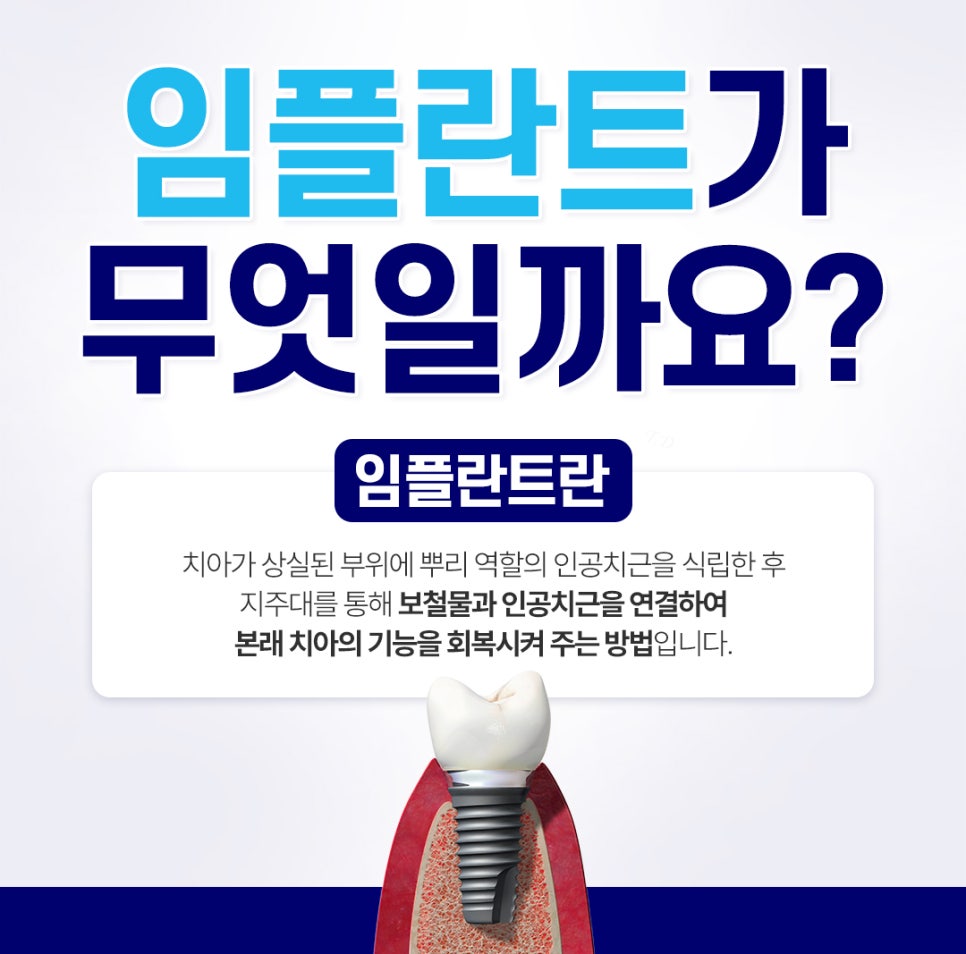
Implants are regarded as one of the most effective treatments when teeth are lost. However, the points to consider vary depending on age, oral condition, and the timing of treatment. Younger people often wonder, “Is it okay to get implants this early?” while middle-aged and older adults often worry, “Is it too late now?” In addition, when orthodontic treatment is underway or multiple teeth need treatment at the same time, it can be difficult to decide which choice is best. Today, we will organize the key information you need to know about implant treatment by age group and situation.
When are implants absolutely necessary in your 20s and 30s?
When considering Jongno Dental Clinic Recommendation implants at a young age, the first concern is often, “It has to be used for life—will it be okay?” However, in certain situations, early treatment can actually help long-term oral health. Typical examples include congenital missing teeth, tooth loss due to trauma from an accident, or cases where extraction is unavoidable because of severe cavities or periodontal disease. In particular, for younger people, leaving a missing tooth untreated can cause adjacent teeth to move or tilt quickly, leading to bigger problems.
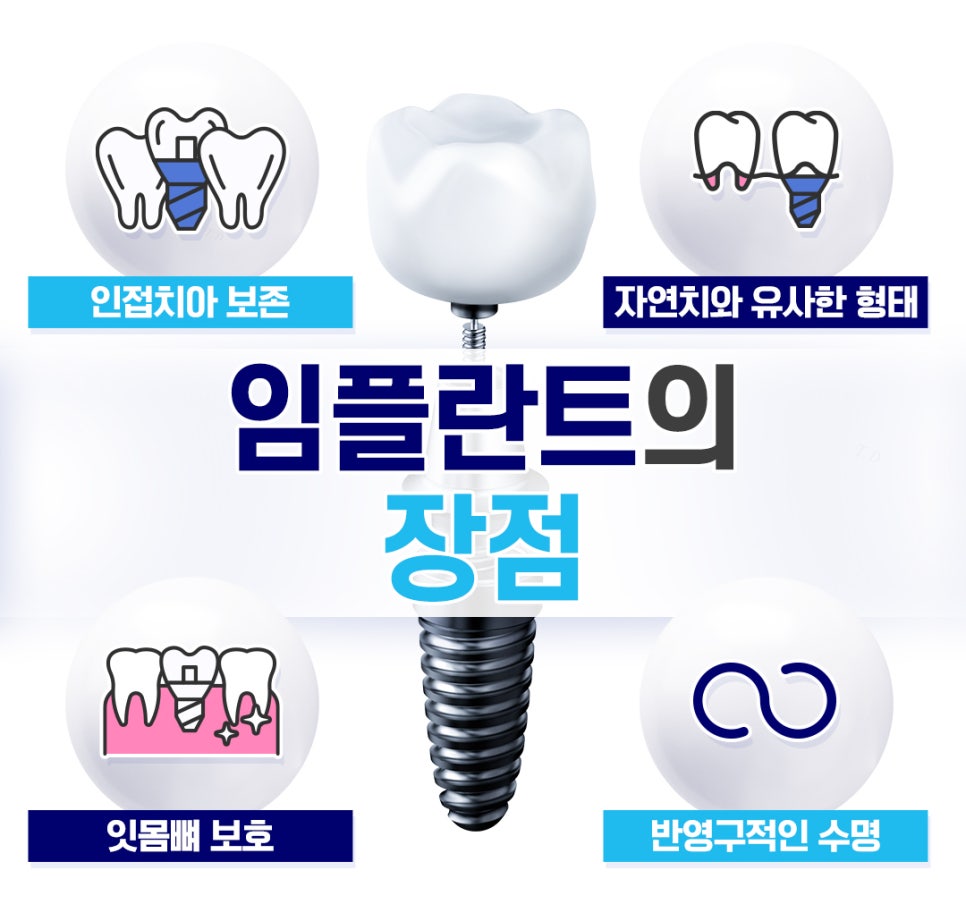
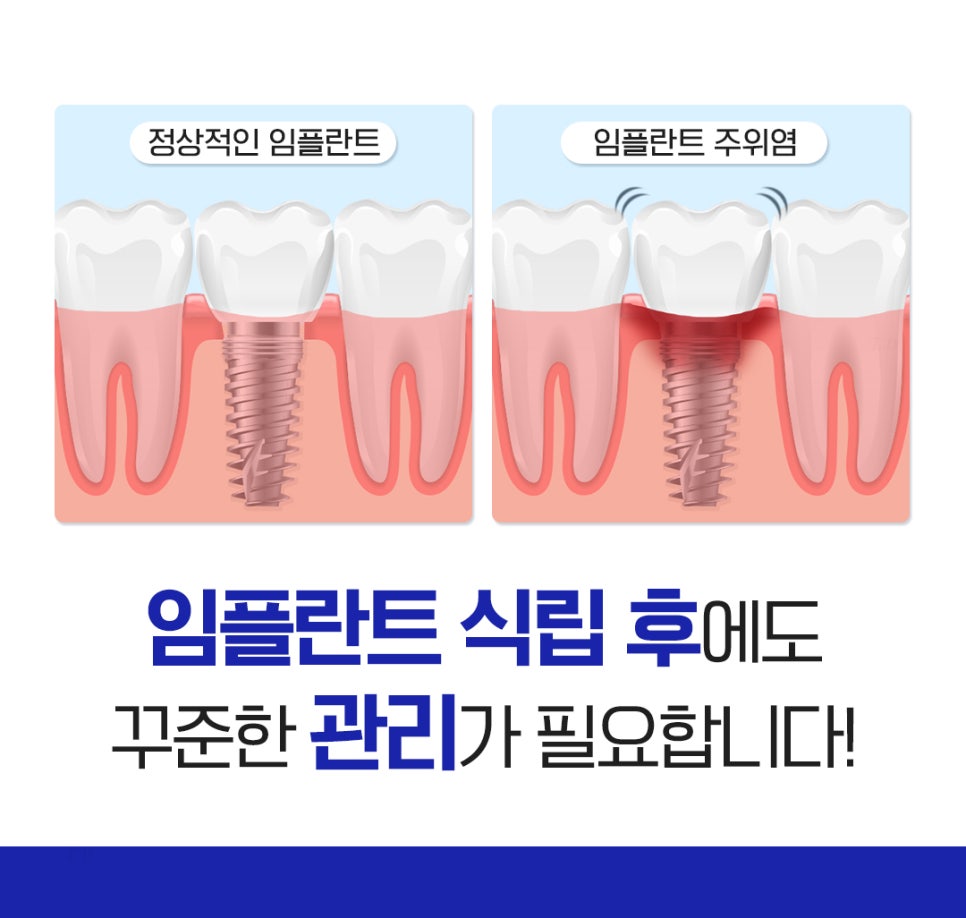
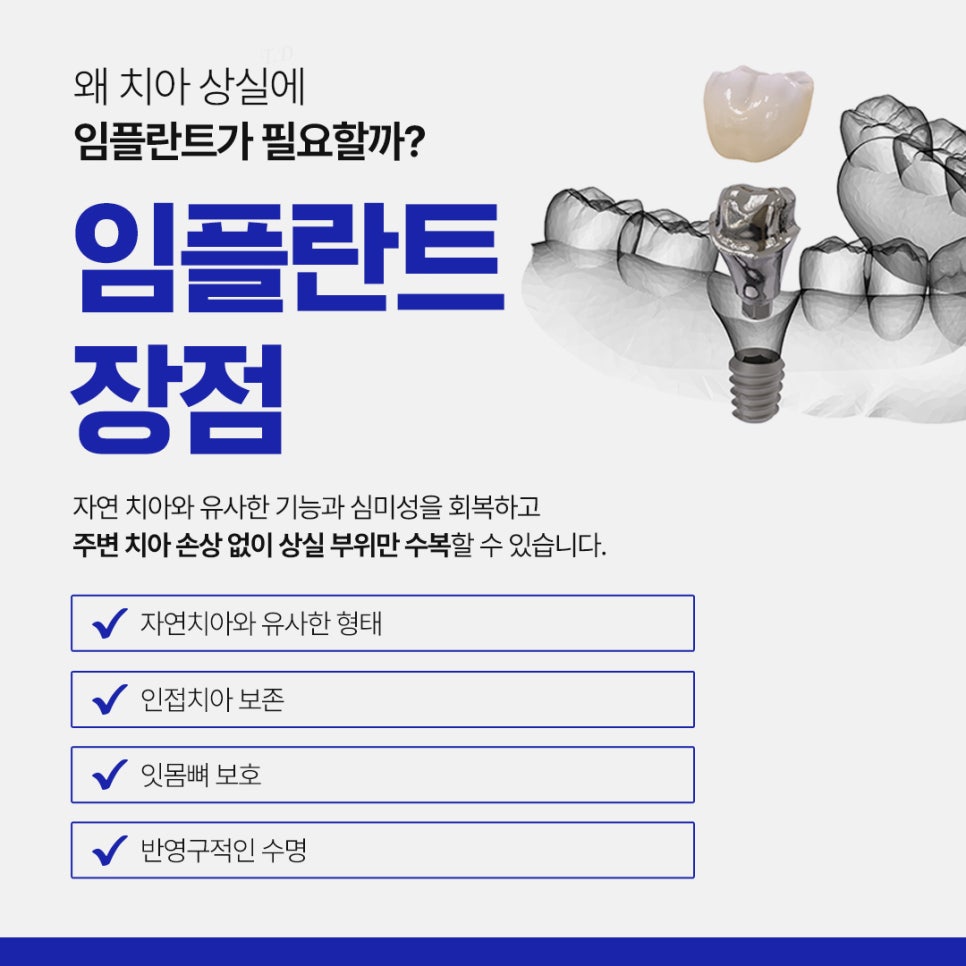
The biggest advantage of Jongno Dental Clinic Recommendation implants for people in their 20s and 30s is sufficient bone quality and faster recovery. The younger you are, the healthier your jawbone is and the better its regenerative ability, so osseointegration—the bond between the implant and bone—occurs well. However, as a rule, the procedure should be performed only after growth is fully complete, so generally it is appropriate after age 18 for women and after age 20 for men. Implants placed at a young age can be used for decades with proper care, and can restore function and aesthetics similar to natural teeth. However, smoking and irregular oral care habits can shorten the lifespan of implants, so lifestyle improvements should also be considered.
Implants for middle-aged and older adults: points to consider before treatment
For middle-aged and older adults in their 50s and older, when considering Jongno Dental Clinic Recommendation implant treatment, overall health and oral conditions must be checked more carefully. This is because many people have chronic conditions such as diabetes, high blood pressure, and osteoporosis. In particular, patients with diabetes should confirm in advance whether blood sugar is well controlled, and patients with osteoporosis should check their bone density test results. Some osteoporosis medications can increase the risk of jawbone necrosis, so it is necessary to have a sufficient consultation with the dentist about any medications being taken.
In middle-aged and older adults, jawbone resorption is common, so bone grafting is often required. Areas where teeth have been missing for a long time may have thinner and lower jawbone, leaving insufficient space for implant placement. In such cases, bone graft surgery using autologous bone or artificial bone must be performed first, and additional healing time is needed. In addition, since immunity is lower than in younger people and infection risk management is important, antibiotic prescriptions before and after surgery and thorough oral hygiene management are essential. However, if these conditions are well managed, successful implant treatment is fully possible even in your 70s or 80s, and chewing function can be restored to greatly improve overall quality of life.
A summary of when implants are possible during orthodontic treatment
When orthodontic treatment and implants must be planned at the same time under Jongno Dental Clinic Recommendation, the order and timing of treatment are very important. In general, orthodontic treatment is performed first, and implants are placed after orthodontics is completed. This is because teeth move during orthodontic treatment, while implants are fixed firmly to the bone and cannot move together with them. If an implant is placed first before orthodontics under Jongno Dental Clinic Recommendation, only the other teeth may move, causing malocclusion or disrupting the orthodontic plan itself.
However, there are exceptions. One case is when mini-implants are used as orthodontic anchorage; these are small screws placed into the jawbone as a fixed point for tooth movement and are removed after orthodontic treatment is completed. Also, if there is a missing molar area that requires support for applying orthodontic force, a strategic approach may be possible in which the implant is placed first and used as anchorage. In that case, the implant position and angle must be precisely designed to match the orthodontic plan. If both orthodontics and implants are being planned, it is ideal for an orthodontic specialist and a prosthodontic specialist to establish a comprehensive treatment plan together during the initial consultation stage.
Differences between full implants and partial implants
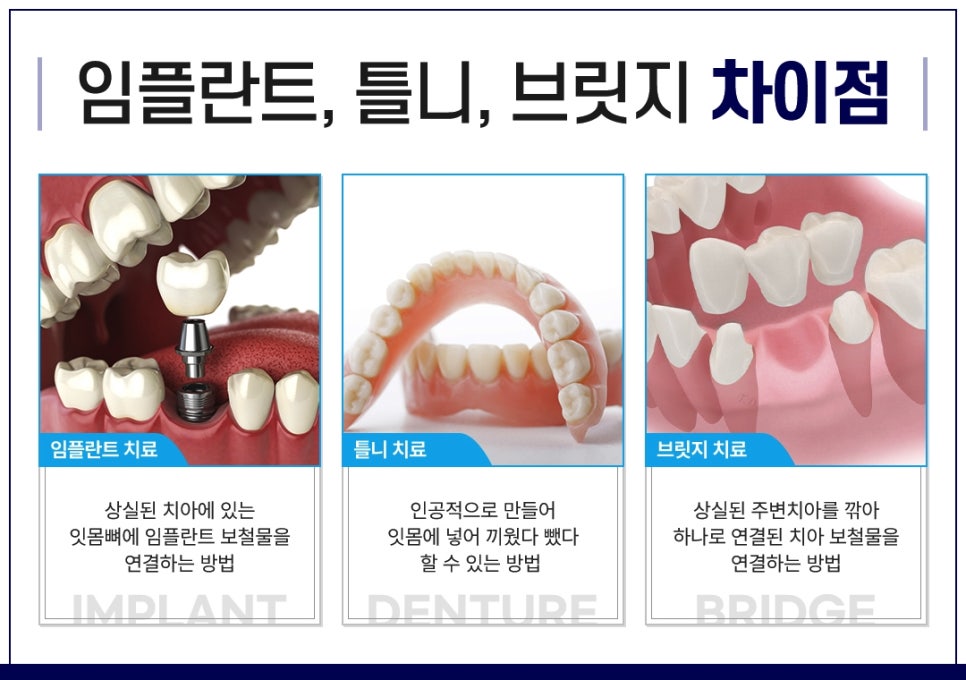
Jongno Dental Clinic Recommendation implant treatment is divided into partial implants and full implants (full-arch implants) depending on the number and location of missing teeth. Partial implants are a method of placing implants only in the affected area when one to a few teeth are missing. As a rule, one implant is placed for each missing tooth, but when several adjacent teeth are missing, a method may also be used in which implants are placed only at both ends and the middle is connected in the form of a bridge. This is an efficient way to restore function while reducing cost and surgical burden.
Full implants are a treatment performed when most or all of the teeth in one jaw are missing, and methods such as All-on-4 or All-on-6 are representative examples. This involves placing 4 to 6 implants in strategic positions and connecting 12 to 14 prosthetic teeth on top of them, resulting in a smaller surgical area and shorter healing time than placing all individual implants. In particular, even when the jawbone has been significantly resorbed, treatment can often be performed without bone grafting by placing the implants at an angle. Full implants can be used as fixed restorations without the inconvenience of removable dentures, so satisfaction is high in terms of chewing force, speech, and aesthetics, but thorough oral hygiene management is even more important.
Creating an implant treatment plan that suits me
Jongno Dental Clinic Recommendation implants are an important decision that affects long-term oral health beyond simply replacing teeth. Multiple factors must be considered comprehensively, including age and overall health, jawbone condition, whether orthodontic treatment is needed, and the number of missing teeth. If you are in your 20s or 30s, securing long-term stability through early treatment along with improved lifestyle habits is important. If you are middle-aged or older, safe treatment should be prioritized through chronic disease management and thorough examinations. If orthodontic treatment is necessary, the treatment sequence should be decided carefully, and if several teeth have been lost, you should consult a specialist about which method is more efficient: partial or full implants.
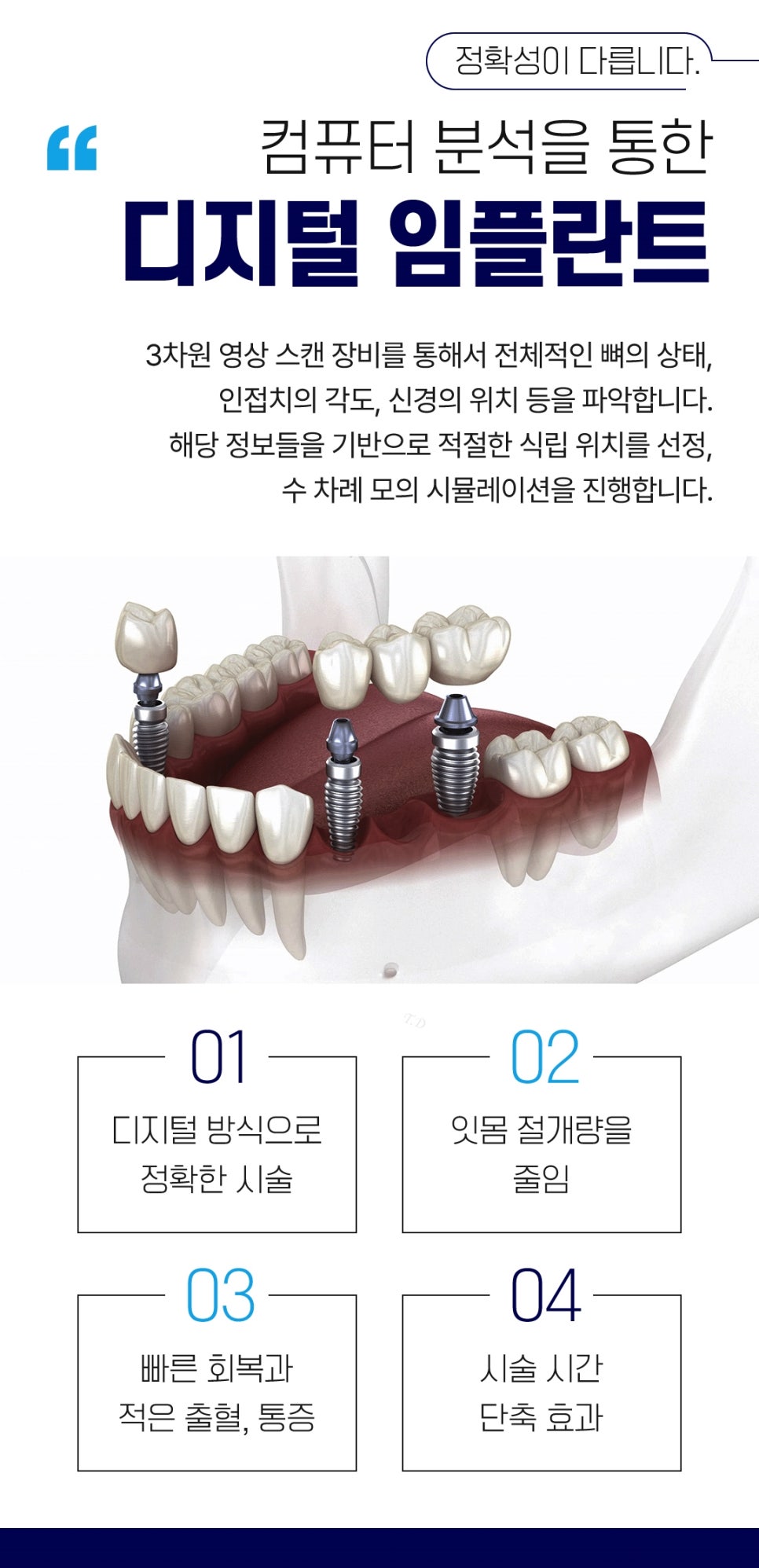
Above all, accurate diagnosis and a personalized treatment plan are the most important. Detailed analysis through 3D CT imaging, confirmation of overall health status, and evaluation of the condition of the other teeth in the mouth should come first. Since Jongno Dental Clinic Recommendation implants are used for a long time once placed, it is wise to take enough time at the initial planning stage to compare and review multiple options. Regardless of age or situation, an implant performed correctly at the appropriate time is an excellent treatment that restores function and comfort close to that of natural teeth.










Previous image
Next image










Previous image
Next image










Previous image
Next image